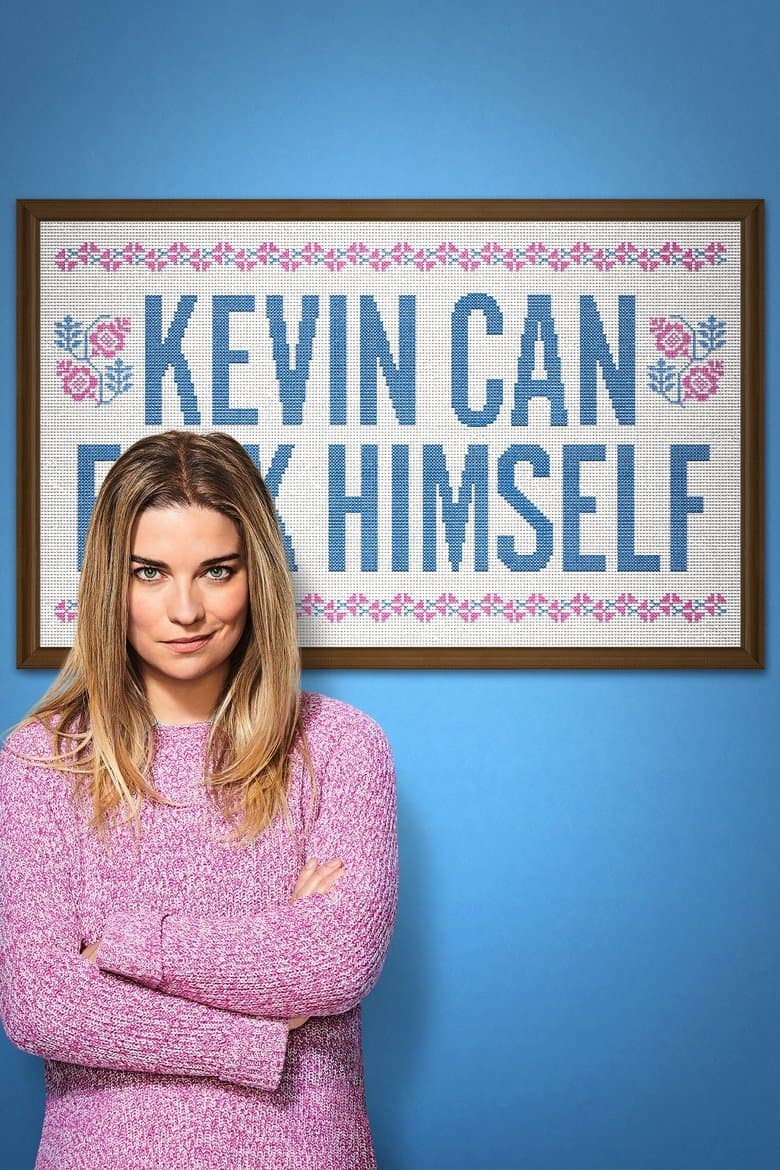
Started June 20, 2021 · Ended · Based on 2 seasons, 16 episodes through October 10, 2022 · TV-MA · 44 min
Allison McRoberts lives in a small Massachusetts town with Kevin, her loud and careless husband. In the bright sitcom scenes, Kevin gets laughs while Allison cooks, cleans, and takes his insults. In the darker scenes, Allison sees how lonely and controlled she has become. She starts planning to leave Kevin, but her plan pulls her into drugs, lies, danger, and violence. The series ends after Allison fakes her death, returns, asks for a divorce, and watches Kevin's world fall apart.
The show makes the wife's struggle the main story and treats Kevin's selfishness as real harm, not a harmless joke. Allison and Patty learn to support each other while they fight the roles that keep them tied to Kevin and his friends. Patty has a same-sex relationship with Detective Tammy, and the series also hints at deeper feelings between Patty and Allison without making them a couple. The ending favors female freedom, honest friendship, and leaving a controlling marriage over the old happy-home picture.
Community feedback
Was our 65% Woke rating accurate?
Breakdown
These are the editorial factors and ratings behind our score for Kevin Can F**K Himself.
Woke representation / casting
The show gives its two most important helping roles to women, with Patty as Allison's ally and Tammy as a female detective. The series and its marketing present this as a woman-centered story about the sitcom wife taking the lead. The cast does not show an obvious diversity-first mix or a setting mismatch, so the casting signal is limited.
16%
Woke political dialogue
Allison and Patty repeatedly call out Kevin's control, sexism, and treatment of women. Season 2 also includes Kevin's run for mayor, but his campaign is a self-serving joke rather than a woke political program. The political language stays tied to the marriage, friendship, and crime plot.
18%
Identity-driven story themes
The show centers on a woman escaping an emotionally abusive husband and taking back control of her life. Allison and Patty repeatedly reject roles that make them serve, excuse, or follow men. Patty dates Tammy, a woman, and season 2 treats that relationship as part of her self-discovery. The ending favors female freedom and close female friendship over the marriage and the old happy-home model.
68%
Western institutional / cultural critique
The show repeatedly treats the old family sitcom as a machine that excuses male entitlement, lazy husbands, and cruel jokes about wives. Kevin's bright laugh-track world hides the harm he causes to Allison, Patty, Neil, Pete, and Molly. Both seasons break down the idea that a man can stay a lovable fool while women clean up his damage. The show does not make Christianity or capitalism a main target.
64%
Woke character or canon changes
Not relevant. The show is an original story, not a retelling that changes an established character or real historical figure. Its jokes about Kevin Can Wait and the Erinn Hayes cameo do not rewrite that show's canon.
0%
Anti-woke backlash and complaints
The supplied X search found only a few small accounts calling the show a feminist rage fit, a revenge fantasy, or woke. One viewer still praised the story over virtue-signaling, which shows the complaint was not a strong campaign. No boycott, review-bomb push, or sustained right-leaning campaign was found. The backlash evidence is fringe.
15%
Creator track record context
The key creators have a mixed public record. Dana Ledoux Miller supports more Pasifika stories, Mel Shimkovitz has a butch-queer and anti-patriarchal public persona, and Grace Edwards has a pattern of inclusive women and people of color stories. Several producers also have diversity, feminist, queer, or Indigenous work in their backgrounds. Valerie Armstrong and several other key people have little high-confidence activist evidence.
38%
Production

TV Show · 2019
A paragliding mishap drops a South Korean heiress in North Korea -- and into the life of an army officer, who decides he will help her hide.
TV Show · 2021
A seemingly ordinary British couple become the focus of an extraordinary investigation when two dead bodies are discovered in the back garden of a house in Nottingham.

TV Show · 2023
The lives of a realtor, a plumber and a former tennis star unexpectedly collide, exposing America’s obsession with true crime, murder and the slow-close toilet seat.

TV Show · 2026
The mayor of a New England town resolves to turn it into the next tourist hot spot, despite local warnings that it's cursed.
TV Show · 2019
Burned out on life, Miles undergoes a strange procedure at a strip mall spa -- and wakes to find he's been replaced by a better version of himself.

TV Show · 2019
A group of working-class friends finding unconventional ways to win at life in suburban northern England. These lads have dealt, scammed, bribed and conned their way through…

TV Show · 2016
After being pulled into the webtoon world created by her father, a surgical resident gets entangled in a murder mystery involving the story's hero.

TV Show · 2016
In his funky California beach enclave, Chip's the go-to guy for personal insights. But he isn't quite as enlightened when it comes to his own baggage.
