Started May 18, 2023 · Returning Series · Based on 2 seasons, 18 episodes through May 15, 2026 · TV-MA · 45 min · Hindi
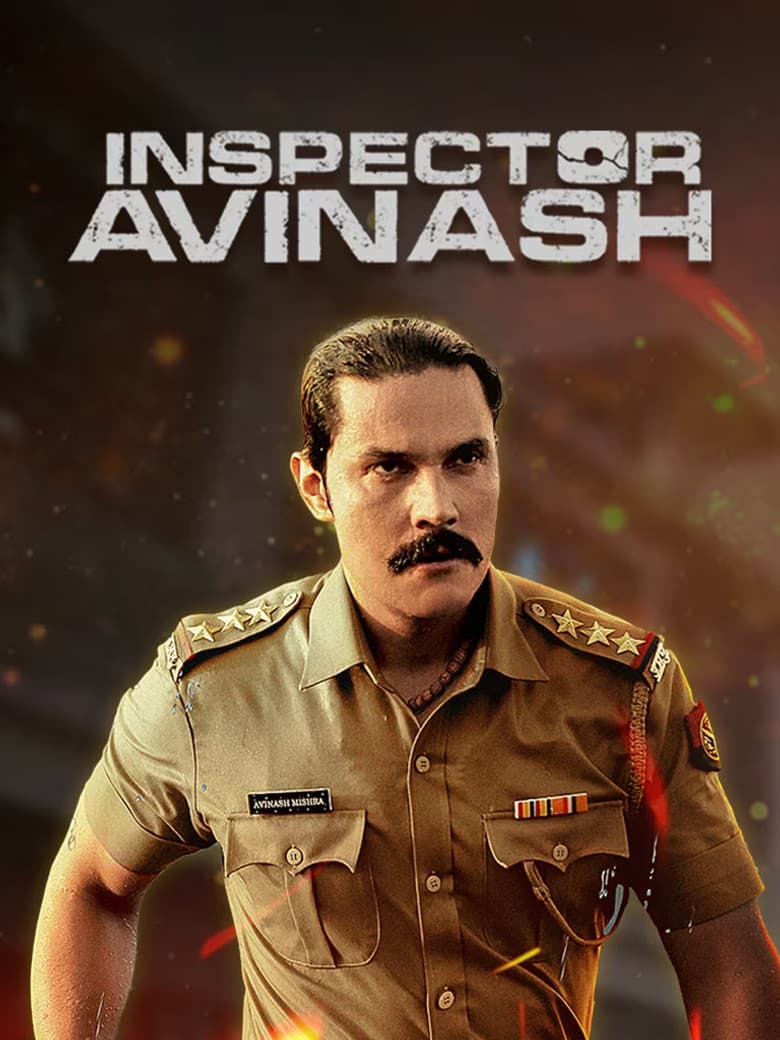
Inspector Avinash follows a tough police officer in Uttar Pradesh during the late 1990s. Avinash Mishra leads a new Special Task Force against gun runners, gang leaders, kidnappers, and political criminals. He uses sharp planning, threats, gunfights, and hard methods while trying to keep his family safe. The show mixes rough action, dark humor, family drama, and a larger-than-life cop hero.
Avinash's team tracks bomb plots, arms routes, and rival gangs across Uttar Pradesh and Nepal. Season one moves through separate cases before the fight with major gang leaders grows larger. Season two joins the cases into an arms cartel story while Avinash's son faces a murder charge and his wife leaves home. Devi, a transgender cartel leader, appears in both seasons, and one case gives a woman officer a field role while a survivor talks about being treated badly for being a girl. These identity themes are visible, but they support the crime plot instead of becoming the show's main message.
Community feedback
Was our 40% Woke rating accurate?
Breakdown
These are the editorial factors and ratings behind our score for Inspector Avinash.
Woke representation / casting
Devi is a major recurring transgender character played by Abhimanyu Singh. The show also places Rani Paswan in the STF and includes women as a doctor, journalist, wife, and survivor. These choices create visible identity representation, but the cast is not built as a one-of-each group and no diversity-first campaign is tied to the show. The Indian setting makes most local roles believable, and Avinash remains the clear male hero.
24%
Woke political dialogue
Season one has a female officer ask to join a rape investigation instead of staying at a desk. She says women understand each other better and that she should be judged by her work. Another scene has a constable's daughter say she will use her own clothes and earn a job on merit. These brief lines bring in gender, caste, and class ideas, while most dialogue concerns police work, crime, family, and revenge.
32%
Identity-driven story themes
The story makes Devi's transgender identity part of a major crime villain across both seasons. Season one also gives a rape case to a female STF officer and follows a survivor who says society tried to bury her for being born a girl in a backward-caste family. These threads make gender, caste, and queer identity visible, but they stay inside crime and personal stories instead of becoming a broad rights campaign. Season two gives more weight to the arms cartel, the school murder case, family strain, and police politics.
46%
Western institutional / cultural critique
The rape-case episode includes a survivor's account of gender and caste pressure. A female officer also rejects a desk-only role and asks to work in the field. These are brief local gender-norm critiques, while the larger institutional conflict concerns gang crime and police corruption. The show does not turn them into a repeated attack on family life, religion, capitalism, or Western institutions.
14%
Woke character or canon changes
Not relevant. The series uses real police names and some fictionalized events, but no established character or real person is clearly changed in race, gender, or sexuality.
0%
Anti-woke backlash and complaints
Not present. Audience posts mostly praised Randeep Hooda or called the show decent, while other viewers criticized its dated style, formula, or police focus. No major complaint said the show pushed woke, DEI, identity politics, or left-wing messaging.
0%
Creator track record context
Neeraj Pathak and Sameer Arora mainly have mainstream crime, action, thriller, comedy, and social-drama credits. Their stored summaries show no sustained activist, DEI, or identity-first pattern. Jyoti Deshpande has backed several women-centered projects and has spoken about opportunities for women and regional voices. Krishan Choudhary and Nishit Verma have conventional records with little public evidence of an activist persona.
18%
Production
