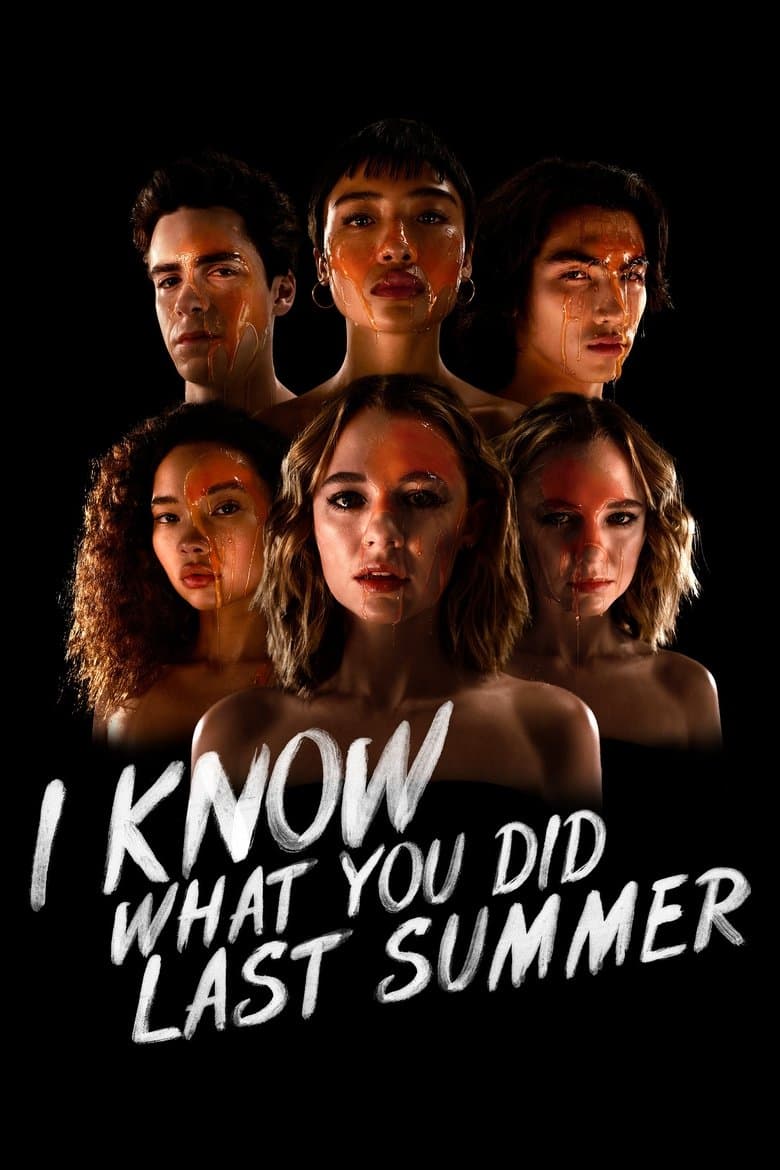
Started October 14, 2021 · Canceled · Based on 1 season, 8 episodes through November 11, 2021 · TV-MA · 49 min
I Know What You Did Last Summer follows Allison, a quiet teen who takes the identity of her dead twin, Lennon. After a car accident at a graduation party, Allison and four friends hide the body and promise to keep the secret. One year later, a killer sends threats and murders people in the small Hawaiian town of Wai Huna. The show mixes a dark slasher mystery with messy teen drama, sex, drugs, family lies, and a strange local cult.
Queer content is a clear part of the friend group and its relationships. The person living as Lennon dates Margot, who is still trying to understand her sexuality, and Johnny is a bisexual young man with a male fiancé. The show also makes identity a main idea through the twin swap, false online faces, and the gap between who the teens seem to be and who they are. A black teen's fear of police treatment and the line that gay people would not be allowed in heaven add direct modern identity and religion talk, but the murder mystery remains the main story.
Community feedback
Was our 58% Woke rating accurate?
Breakdown
These are the editorial factors and ratings behind our score for I Know What You Did Last Summer.
Woke representation / casting
The main friend group includes a black girl, an Asian woman, and a bisexual young man beside the white twins. Women drive most of the main plot, including the twin role, the tough Riley, the rich influencer Margot, and the town sheriff. UPI coverage presents the cast as more diverse than the 1997 film, and Madison Iseman calls it a step toward a more diverse business. Hawaii can support a mixed cast, so the score reflects the repeated diversity emphasis rather than a strong setting mismatch.
41%
Woke political dialogue
The teens use a few direct identity lines. Johnny jokes that gay people would not be allowed in heaven, and Margot answers that her heaven would include them. Riley says police would likely treat her harshly after the crash, which connects the crime to racial profiling. These lines are clear but appear in a small number of scenes, while most dialogue concerns guilt, sex, drugs, and the killer.
24%
Identity-driven story themes
The season makes identity a repeated story idea through Allison living as Lennon after her twin dies. The teens keep false faces online and hide their real selves from friends, lovers, and parents. The person living as Lennon has a relationship with Margot, and Johnny is bisexual and engaged to a man. These themes recur across the season, but the killer mystery and family secrets remain more important than an activist message.
47%
Western institutional / cultural critique
The show gives one clear religious jab when Johnny says gay people would not be allowed in heaven, while Margot rejects that view. Riley's fear of police profiling helps push the group toward hiding the body instead of seeking help. The season also shows a rich family, weak parents, and a secretive cult, but it does not build a repeated attack on family, faith, or other Western institutions. The critique stays brief beside the slasher plot.
25%
Woke character or canon changes
The series changes the familiar franchise group into new characters with a queer and more diverse teen cast. The story replaces the older film's straight-centered group with the twin identity swap, a relationship between the person living as Lennon and Margot, and Johnny's bisexual relationship with a man. News and season coverage described these updates as more diverse and queerer. The series does not turn a named legacy character such as Julie or Helen into a different identity, so this is a moderate canon change.
38%
Anti-woke backlash and complaints
An Amazon Music podcast grouped the show with other titles it called woke and gave it zero stars. A Reddit horror discussion also reported that some right-leaning viewers called the show woke, in a discussion about the show's modern cast and identity content. Most other fan and critic complaints attacked the writing, pacing, plot holes, and weak scares instead. The anti-woke reaction was real but scattered, with no major news campaign.
17%
Creator track record context
Cached context gives Sara Goodman a score of 26 and says she has a mixed record on social causes. Cached context gives Craig William Macneill a score of 59 because Lizzie used queer and feminist themes. Phoebe Fisher and Chaconne Martin-Berkowicz have smaller queer or gender-focused signals, while most other listed creators score low. Goodman also said this show is about identity and the gap between public faces and inner selves. The creator context supports a moderate score, not a dominant one.
34%
Production
TV Show · 2024
John Sugar is a dashing private eye navigating the dark corners of sunny LA. Though he sees only the good in humanity, Sugar is haunted by a secret too dangerous to expose.
TV Show · 2019
A Philadelphia couple are in mourning after an unspeakable tragedy creates a rift in their marriage and opens the door for a mysterious force to enter their home.
TV Show · 2020
Grace and Jonathan Fraser are living the only lives they ever wanted. Overnight a chasm opens in their lives: a violent death and a chain of terrible revelations.
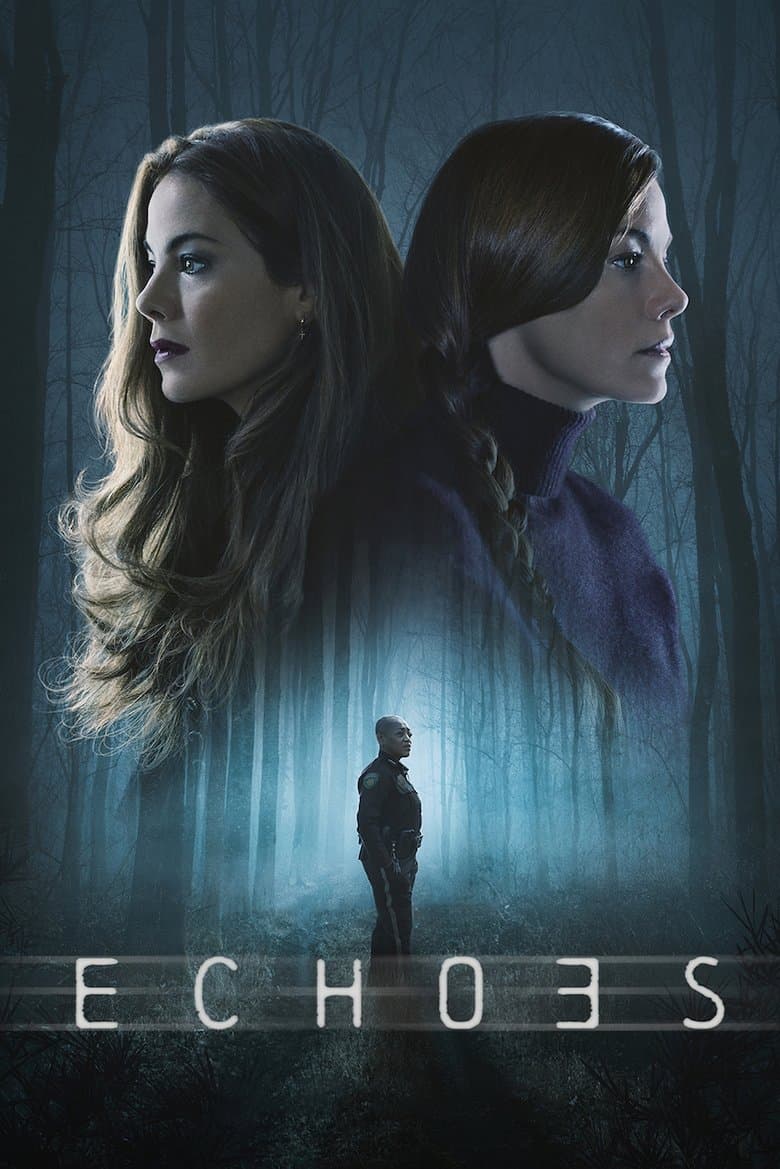
TV Show · 2022
Identical twins Leni and Gina have secretly switched places for years. But when one sister disappears, both of their lives start to fall apart.
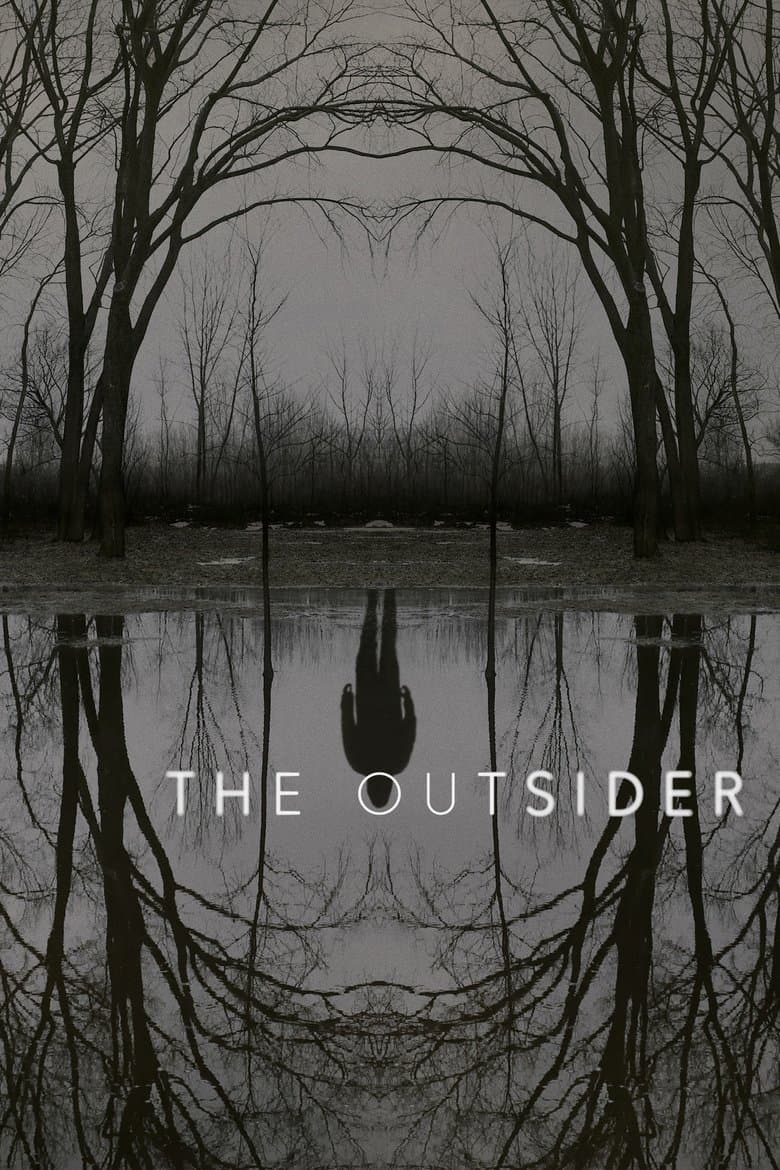
TV Show · 2020
When an insidious supernatural force edges its way into a seemingly straightforward investigation into the gruesome murder of a young boy, it leads a seasoned cop and an…
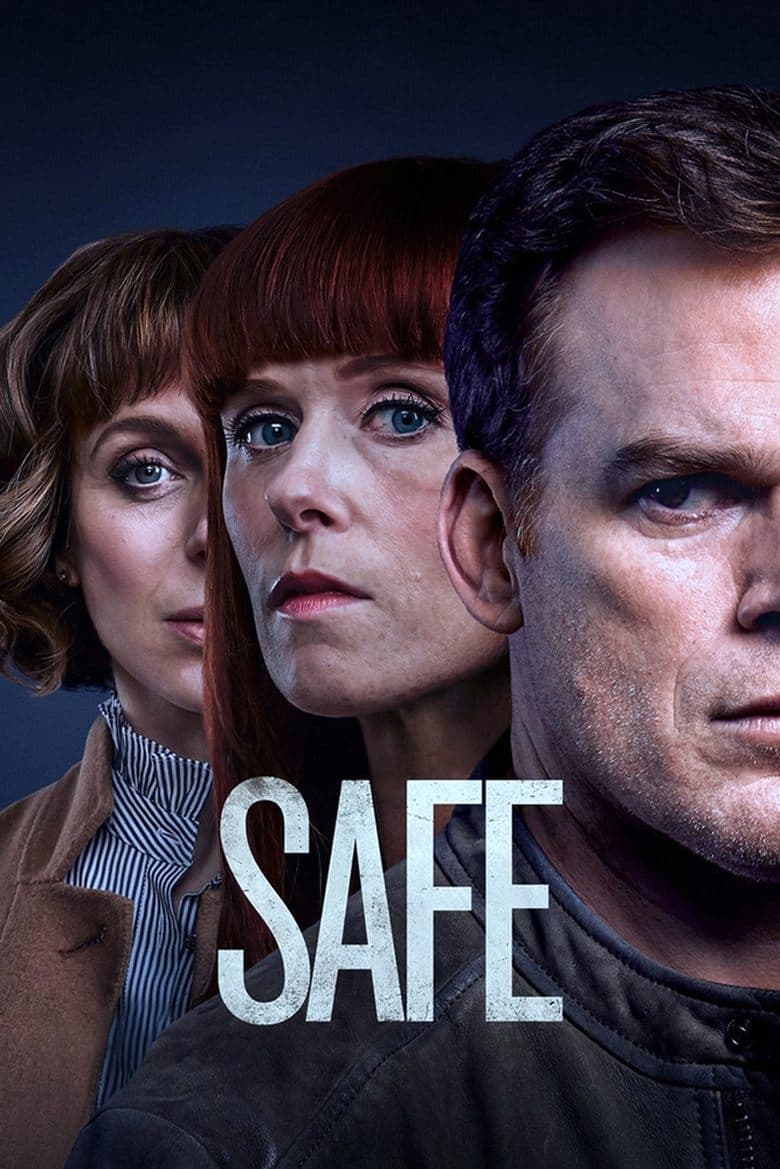
TV Show · 2018
After his daughter goes missing, a widower begins uncovering the dark secrets of the people closest to him.
TV Show · 2020
Real cases of perplexing disappearances, shocking murders and paranormal encounters fuel this gripping revival of the iconic documentary series.
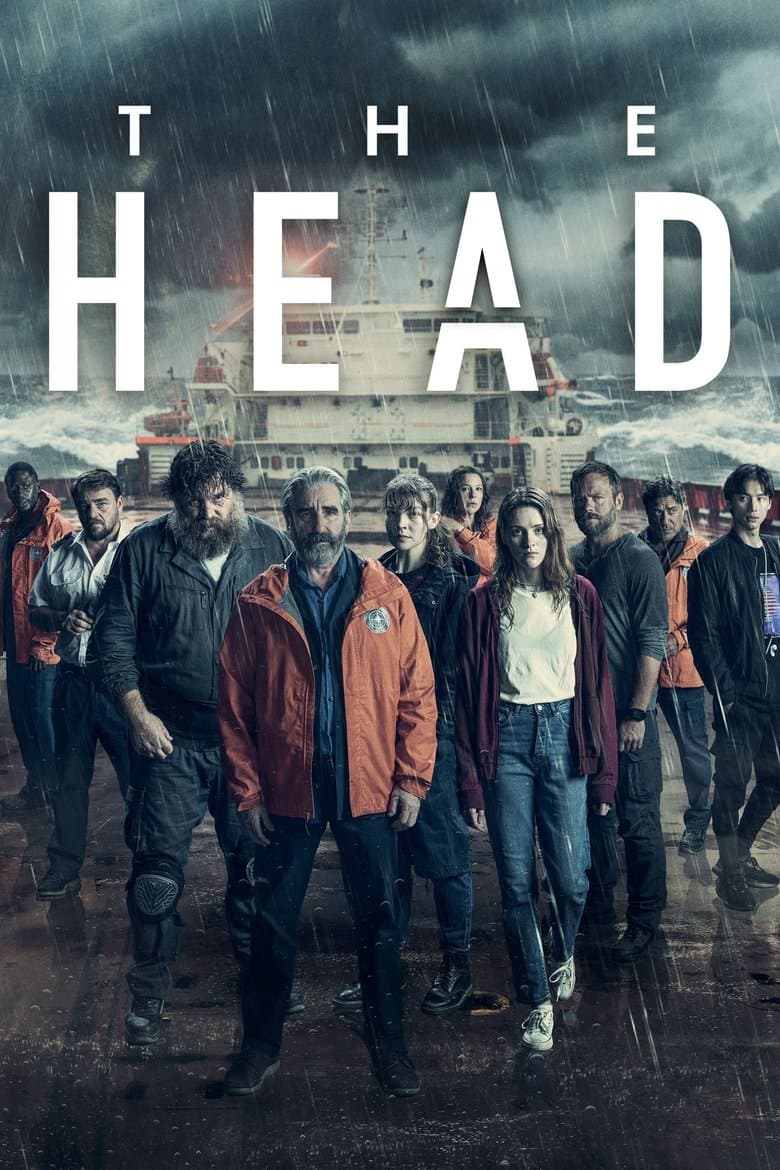
TV Show · 2020
In an isolated and inaccessible Antarctic research station in which winter has fallen on the South Pole and the sun will soon disappear for the next six months, a small team…
