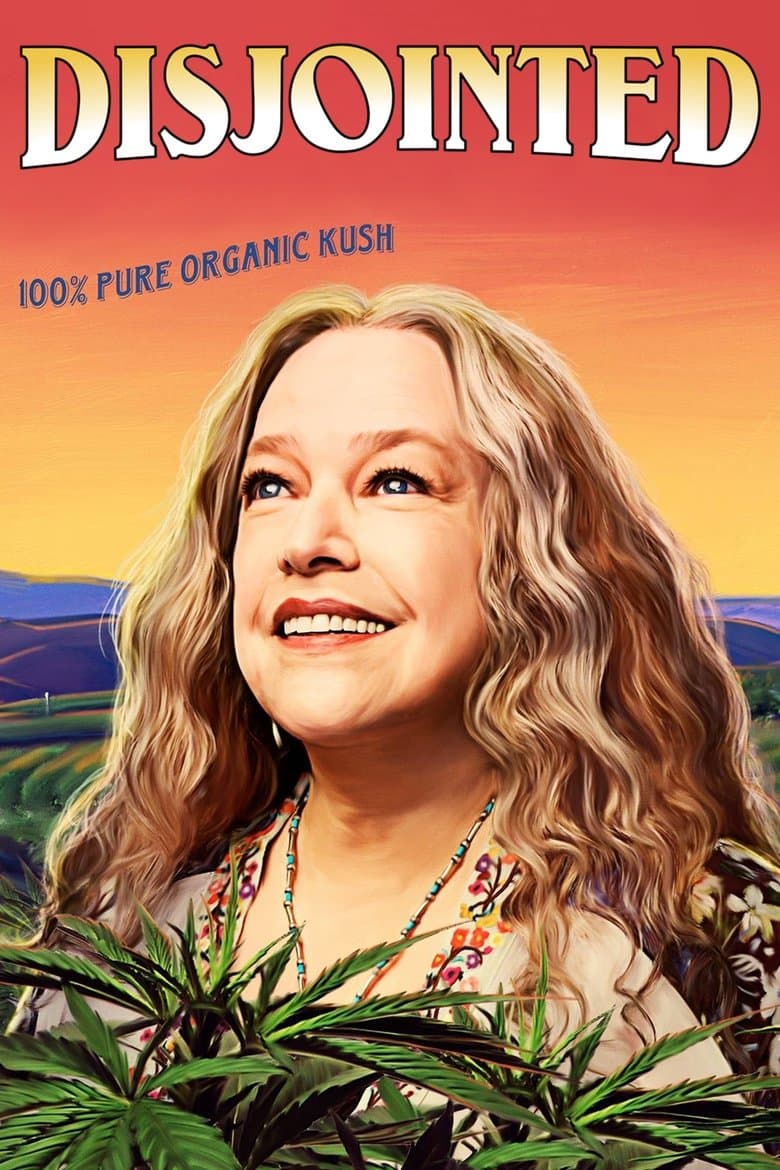
Started August 25, 2017 · Canceled · Based on 1 season, 20 episodes through January 12, 2018 · TV-MA · 28 min
Ruth Whitefeather Feldman is an older marijuana activist and lawyer who runs a medical pot shop in Los Angeles. Her business-minded son Travis wants to build a large company, while Ruth wants the shop to stay focused on healing and her cause. The staff faces romance, a federal raid, court trouble, and Carter's war trauma. The tone mixes broad stoner jokes with warm stories about family, illness, and friendship.
The main political message supports legal marijuana and often treats federal drug law as unfair or foolish. The cast has a clear mix of white, Black, and Asian leads, and all three main young couples pair people of different races. One episode centers on a women's business event led by a lesbian feminist, but it also makes fun of extreme activist language and arguments. Gay and lesbian guests appear, yet LGBTQ identity does not drive the full season.
Community feedback
Was our 55% Woke rating accurate?
Breakdown
These are the editorial factors and ratings behind our score for Disjointed.
Woke representation / casting
The main group has a very visible mix of white, Black, and Asian characters. Ruth is white and Jewish, Travis is biracial, Carter and Dank are black, and Jenny is Chinese American. The three main young couples all pair people of different races. Travis's black father and Jenny's Chinese family are part of the story, but the repeated pattern still makes representation easy to notice.
38%
Woke political dialogue
Ruth openly calls herself a cannabis activist and often speaks about ending marijuana bans. The show stages protests, a DEA raid, court fights, and speeches that call federal drug policy unfair. Ruth also attacks big drug companies and resists turning care into a Walmart-style business. This message returns across the season, though it mainly concerns marijuana rather than wider identity politics.
52%
Identity-driven story themes
One episode builds a full plot around a women's business event led by an all-lesbian cannabis farmer. The event uses terms about empowerment, safe spaces, consent, and male control, but the show also mocks its fighting and extreme behavior. Jenny's conflict with her Chinese parents returns across the season. Brief gay and lesbian guests appear, but identity remains a side issue.
27%
Western institutional / cultural critique
Federal drug agencies, courts, and marijuana bans repeatedly work against Ruth's cause. A DEA raid takes the shop's money and products while agents threaten Travis with prison. Ruth later fights marijuana charges in court and attacks big drug companies. The show mainly targets drug policy and large businesses rather than Western society as a whole.
46%
Woke character or canon changes
Not relevant. The show tells an original story with no earlier canon or real historical character to change.
0%
Anti-woke backlash and complaints
Not present. Broad searches and major review coverage did not show a title-specific anti-woke complaint gaining attention. The criticism focused on weak jokes, stoner clichés, and the live audience laughter.
0%
Creator track record context
David Javerbaum's cached creator score is 60 because his comedy often uses progressive politics, anti-religious jokes, and strong LGBTQ support. Chuck Lorre's cached score is 26 because his record is liberal but less centered on identity politics. The two creators bring different political records. Javerbaum supplies the stronger activist signal.
43%
Production
TV Show · 2023
The inner workings of an American jury trial through the eyes of one particular juror, Ronald Gladden. Gladden is unaware the entire case is fake, everyone except him is an actor…
TV Show · 2019
There is no such thing as an ordinary interaction in this offbeat sketch comedy series that features a deep roster of guest stars.
TV Show · 2020
David Tennant and Michael Sheen (playing themselves) were due to star in a production of 'Six Characters in Search of an Author' in the West End.

TV Show · 2016
Jeremy Clarkson, Richard Hammond and James May are back with a show about adventure, excitement and friendship...
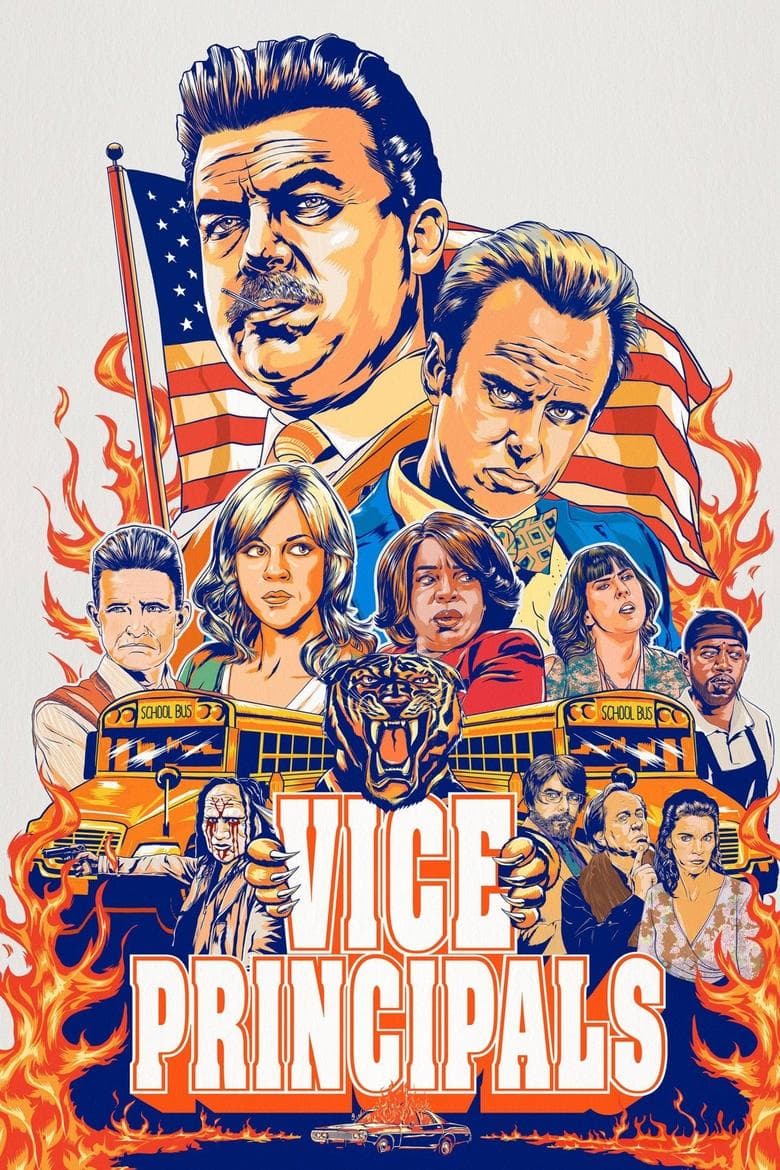
TV Show · 2016
After North Jackson High's long-time principal steps down to tend to his ailing wife, Neal Gamby and Lee Russell, the school's vice principals, are forced to put their mutual…
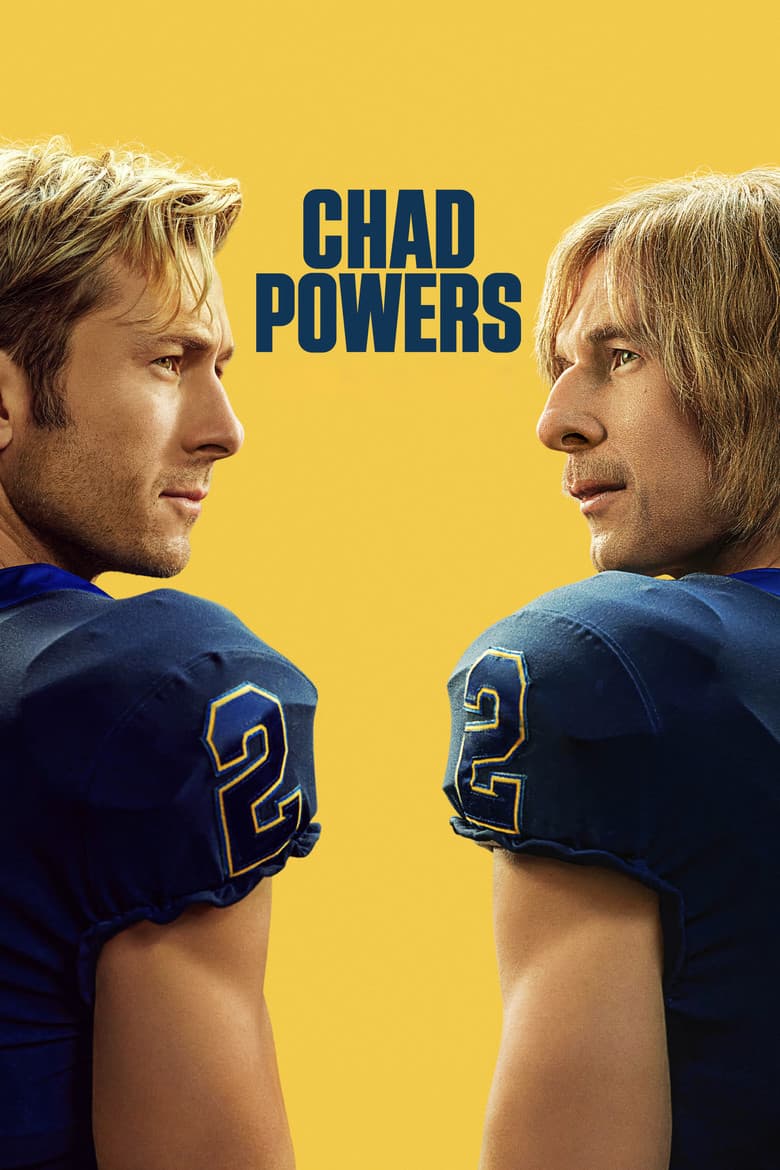
TV Show · 2025
Eight years after an unforgivable mistake nukes his promising college football career, hotshot quarterback Russ Holliday tries to resurrect his dreams by disguising himself as…
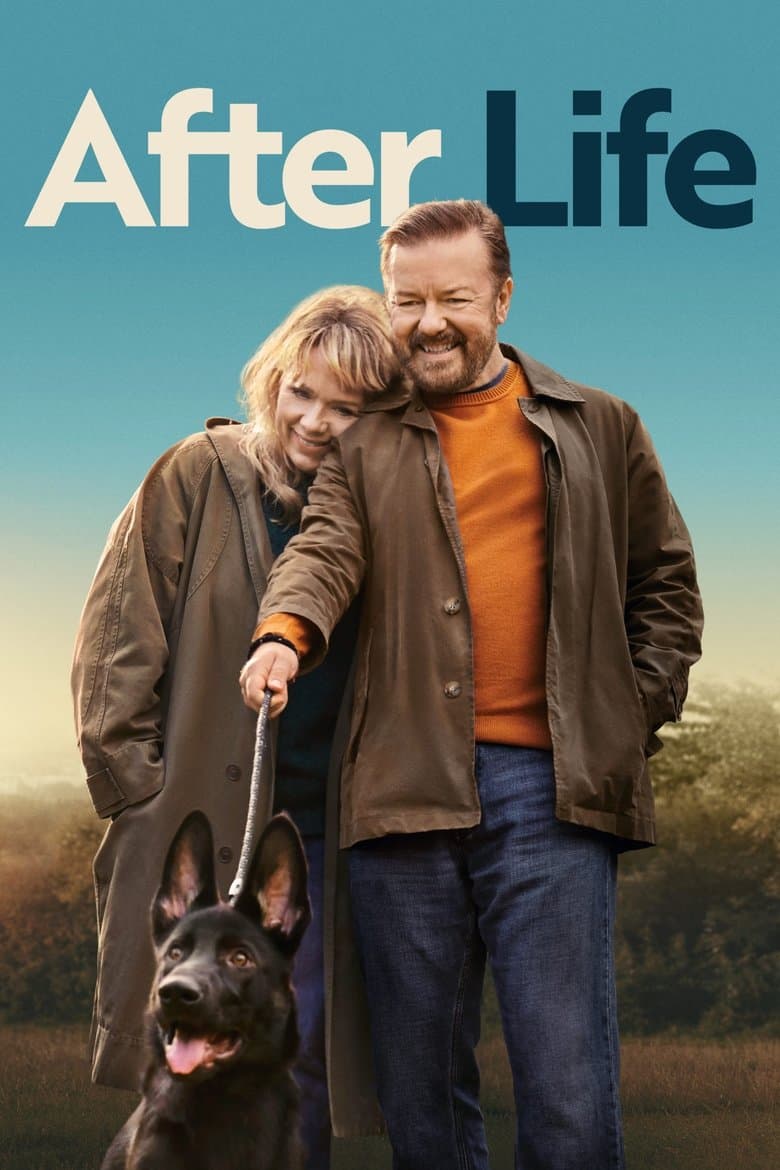
TV Show · 2019
Tony had a perfect life. But after his wife Lisa suddenly dies, Tony changes. After contemplating taking his own life, he decides instead to live long enough to punish the world…
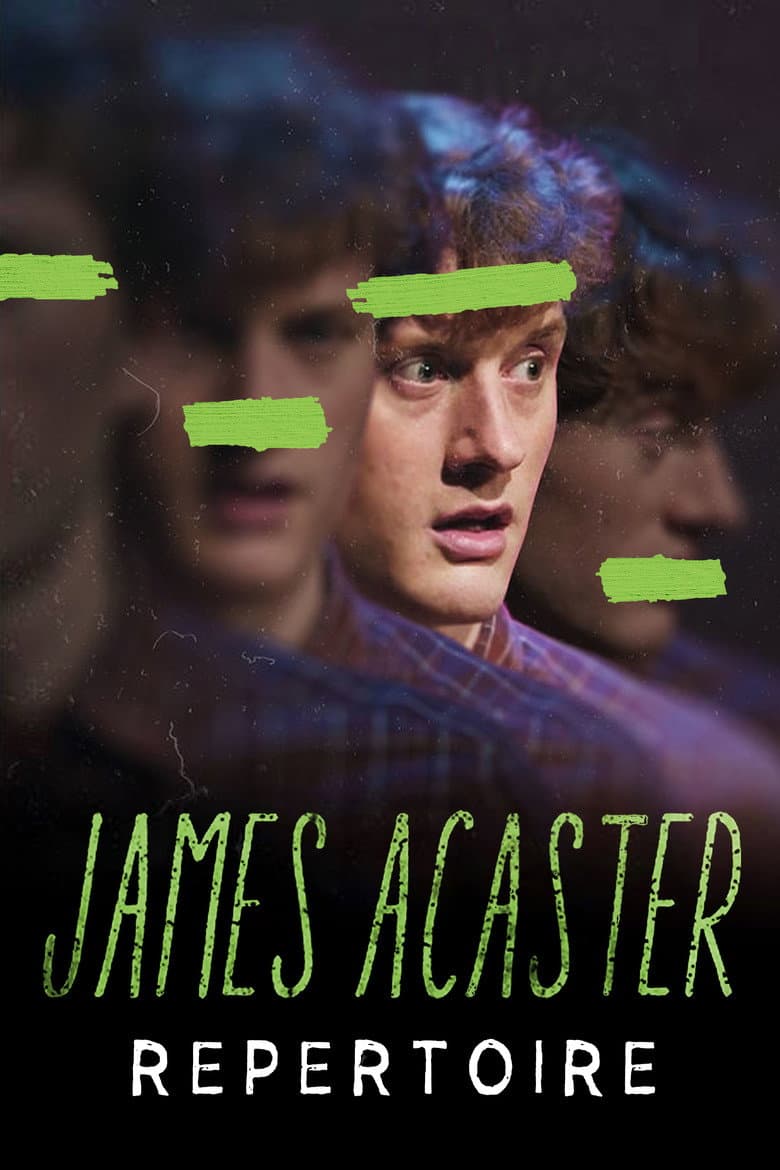
TV Show · 2018
Offbeat comic James Acaster covers the strange, the mundane and everything in between in this collection of four wide-ranging stand-up specials.
