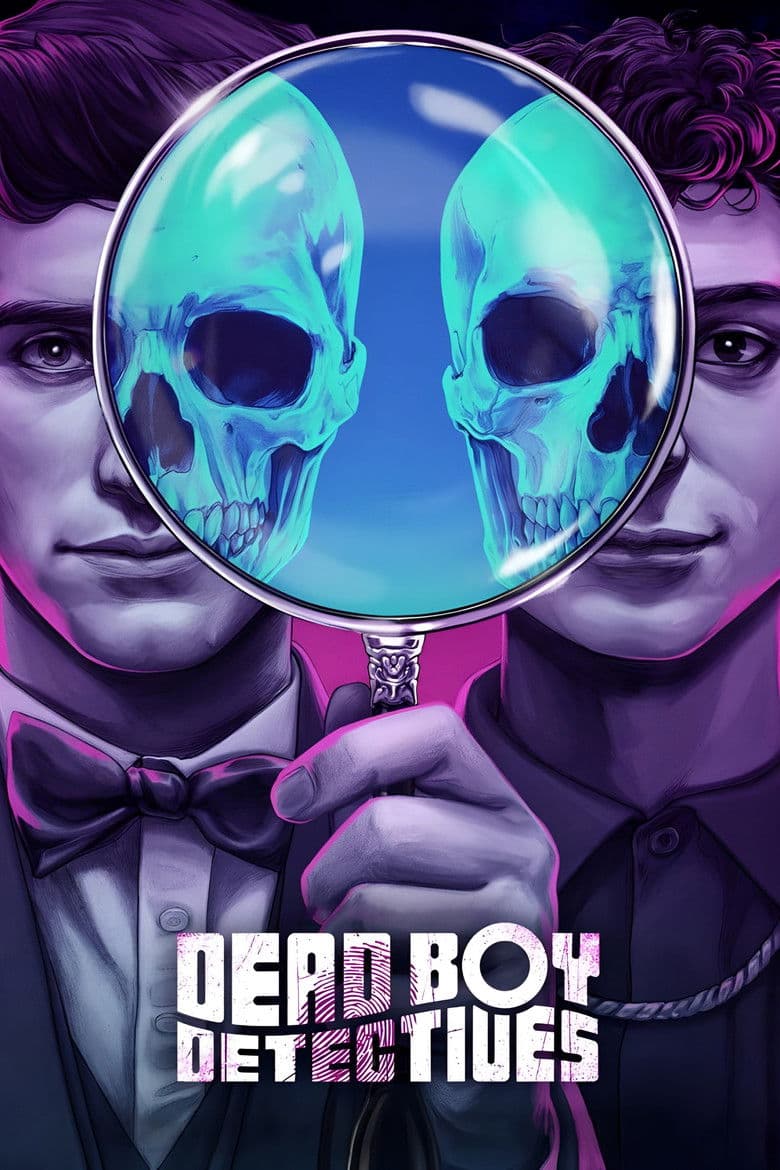
Started April 25, 2024 · Canceled · Based on 1 season, 8 episodes through April 25, 2024 · TV-MA
Edwin Payne and Charles Rowland are two teen ghosts who refuse to enter the afterlife. They run a small detective agency in London and help ghosts with unfinished business. A case brings them to Port Townsend, Washington, where they work with Crystal Palace, a psychic teen, and Niko Sasaki, a Japanese student who can see ghosts. They face an old witch, a tempting Cat King, a demon, Death’s workers, and dangerous creatures while trying to stay together. The show mixes dark horror, jokes, friendship, and teen romance.
The clearest woke element is the queer story at the center of season 1. Edwin slowly accepts that he is gay, falls in love with Charles, and tells him so after Charles saves him from Hell. Charles does not return the romance, but he accepts Edwin and treats their friendship as deeply important. The season also gives major roles to a black psychic, a half-Indian ghost, a Japanese girl, and a queer Cat King, and it includes other same-sex relationships. Crystal’s Black ancestry, Niko’s identity, found family, and women supporting one another add more representation themes, while most episodes still use a supernatural mystery or monster case as the main plot.
Community feedback
Was our 79% Woke rating accurate?
Breakdown
These are the editorial factors and ratings behind our score for Dead Boy Detectives.
Woke representation / casting
The central team includes a black psychic, a half-Indian ghost, a Japanese student, and the white British ghost Edwin. Earlier comic versions of Crystal and Charles were presented as white, while the show makes them people of color. Niko is a new Japanese character who joins the main team. The identity mix is prominent and was also highlighted in coverage as a diverse friend group.
45%
Woke political dialogue
Not present. The season has no sustained debate about parties, laws, or current political causes. Acceptance messages appear through character stories instead of direct political speeches.
0%
Identity-driven story themes
Edwin spends much of the season learning that he is gay and dealing with fear from his early-1900s upbringing. The story makes his self-acceptance, love for Charles, and coming out a continuing emotional arc. The Cat King and Monty pursue Edwin, and Jenny has a same-sex date that turns dangerous. Crystal’s Black ancestry, Niko’s identity, found family, and women supporting one another add repeated identity-focused messages.
84%
Western institutional / cultural critique
Not present. The story does not turn its abusive father, predatory jocks, or silly afterlife office into a modern attack on Western institutions, family life, or religion.
0%
Woke character or canon changes
Earlier comic versions of Crystal and Charles were presented as white and did not show the TV season’s love confession arc. The series makes both characters people of color and gives Charles a half-Indian background. The series also makes Edwin’s gay identity and love for Charles a major season story. These are identity-focused changes to established material, although the core detective partnership remains.
48%
Anti-woke backlash and complaints
A tiny French X account claimed that the show’s woke spirit ruined it and linked the cancellation to #GoWokeGoBroke. The account had about 14 followers, no likes, and about 34 views. No major right-leaning culture-war account was found tagging the show as woke. No coordinated boycott, review-bombing drive, or sustained anti-woke campaign appeared, while most fan talk praised the queer story and mourned the cancellation.
10%
Creator track record context
Steve Yockey has stressed diverse casting and LGBTQ representation. Neil Gaiman’s work often places queer and diverse characters at the center. Greg Berlanti has a long record of major LGBTQ roles, and Cheryl Dunye’s work centers black queer stories. Other credited creators have mixed or low public activist profiles, so the overall context is strong but not uniform.
72%
Production
TV Show · 2016
Hundreds of years from now, the last surviving humans discover the means of sending consciousness back through time, directly into people in the 21st century.
TV Show · 2024
A mysterious event traps people on a rural Georgia farm, forcing them to unite against an unknown, deadly force. A young boy named Arlo becomes central to uncovering the truth.
TV Show · 2021
A single mother enters a world of twisted mind games when she begins an affair with her psychiatrist boss while secretly befriending his mysterious wife.
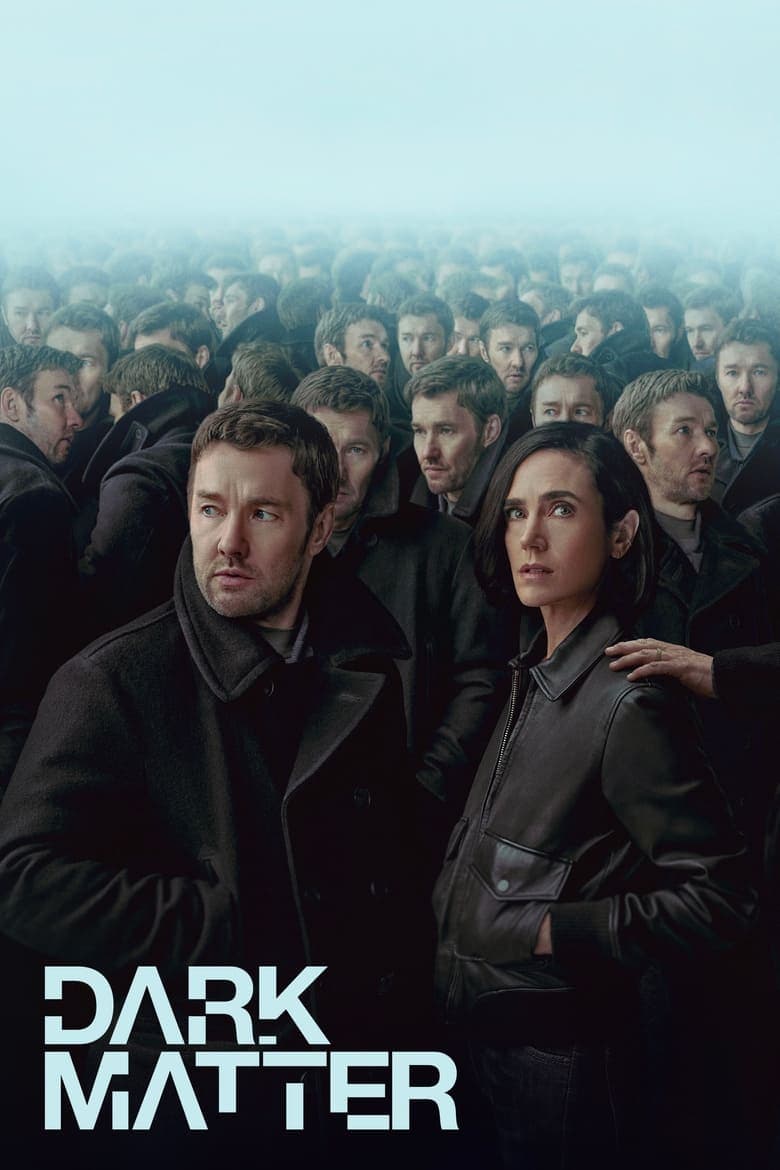
TV Show · 2024
Jason Dessen is abducted into an alternate version of his life. To get back to his true family, he embarks on a harrowing journey to save them from the most terrifying foe…
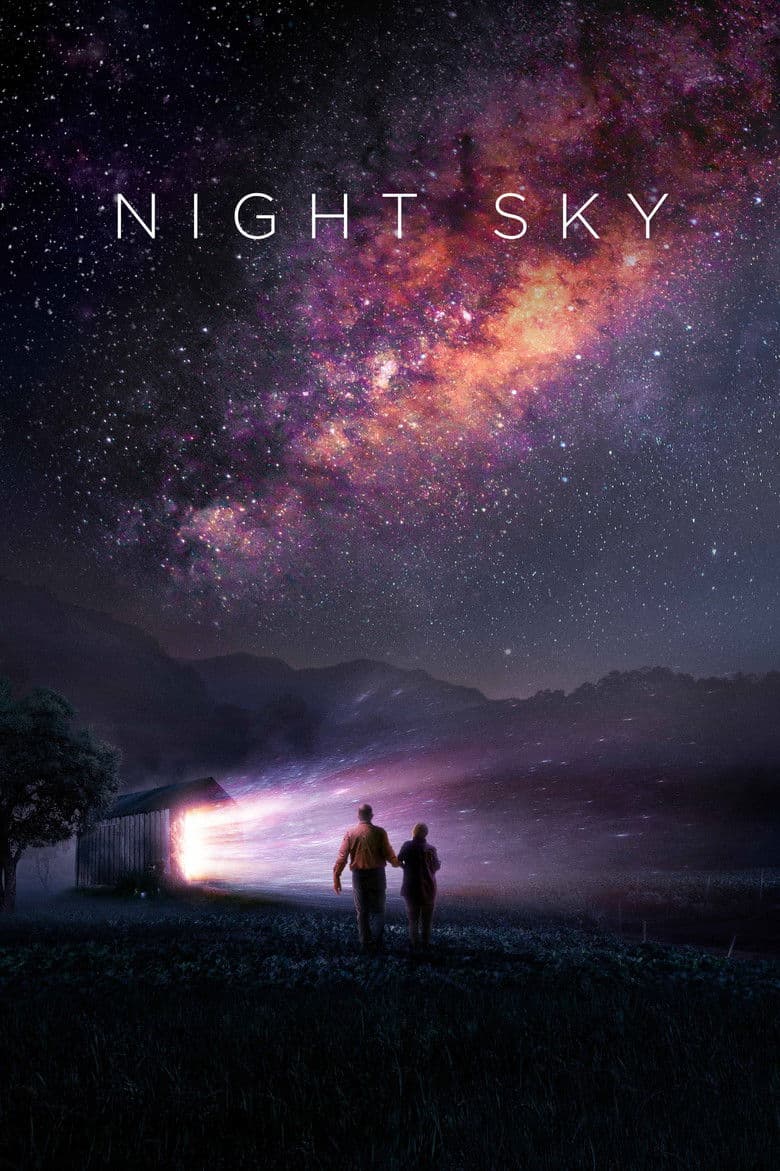
TV Show · 2022
Irene and Franklin York, a retired couple, have a secret: a Chamber buried in their backyard that miraculously leads to a strange, deserted planet.
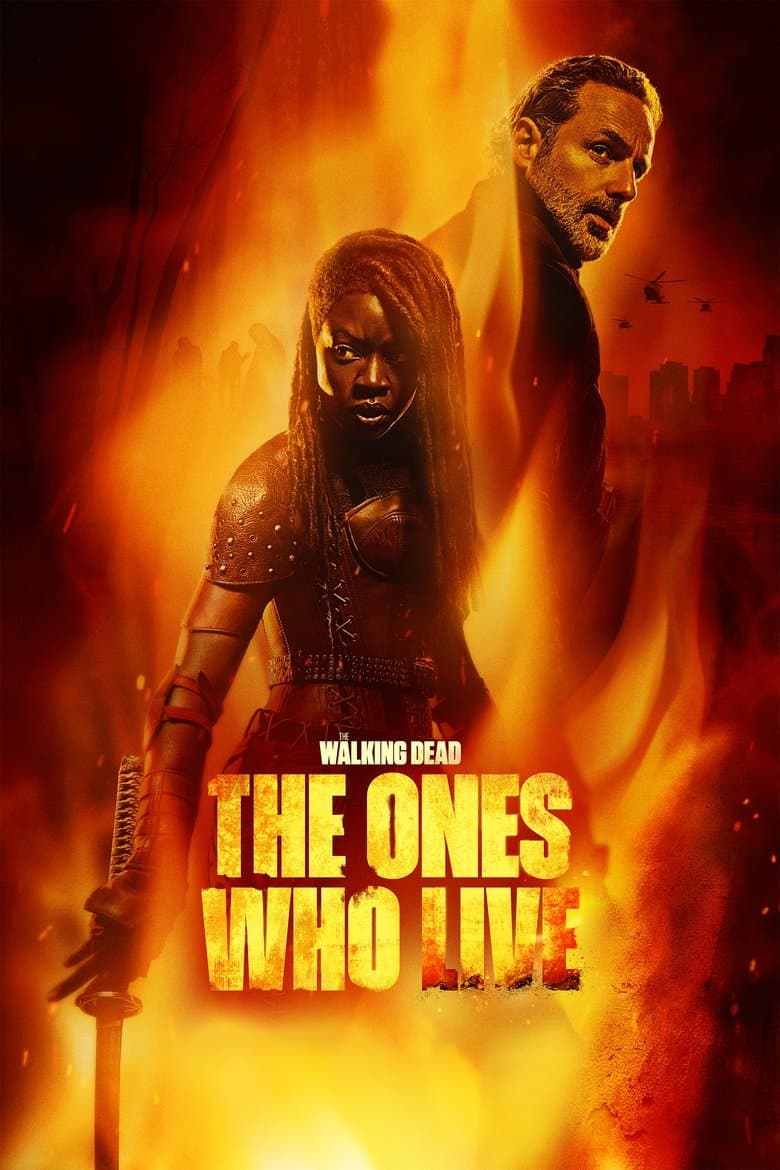
TV Show · 2024
Rick and Michonne are thrown into another world, built on a war against the dead... And ultimately, a war against the living.
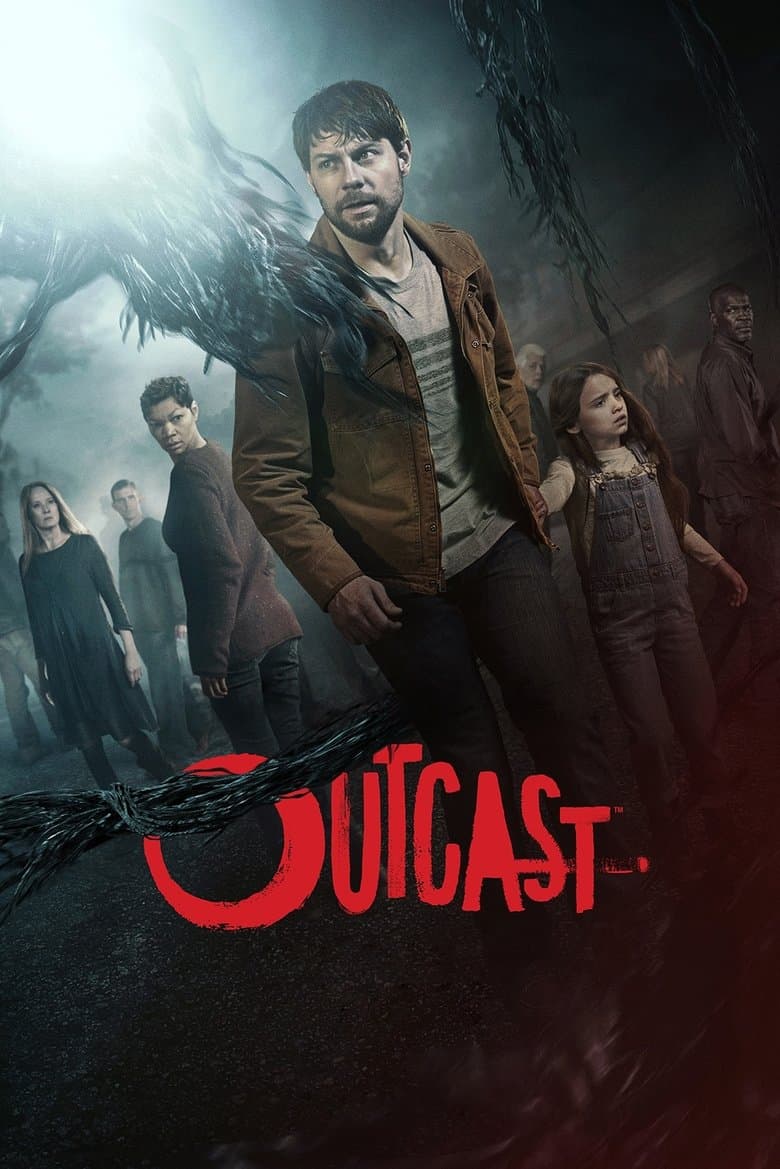
TV Show · 2016
Kyle Barnes has been plagued by possession since he was a child. Now an adult, he embarks on a spiritual journey to find answers, but what he uncovers could mean the end of life…
TV Show · 2017
Set in a near-dystopian future, a former cop is forced to take part in a death race where the cars run on human blood. You lose a leg and you lose your head.
