Started February 12, 2018 · Ended · Based on 1 season, 4 episodes through March 5, 2018 · TV-PG · 60 min
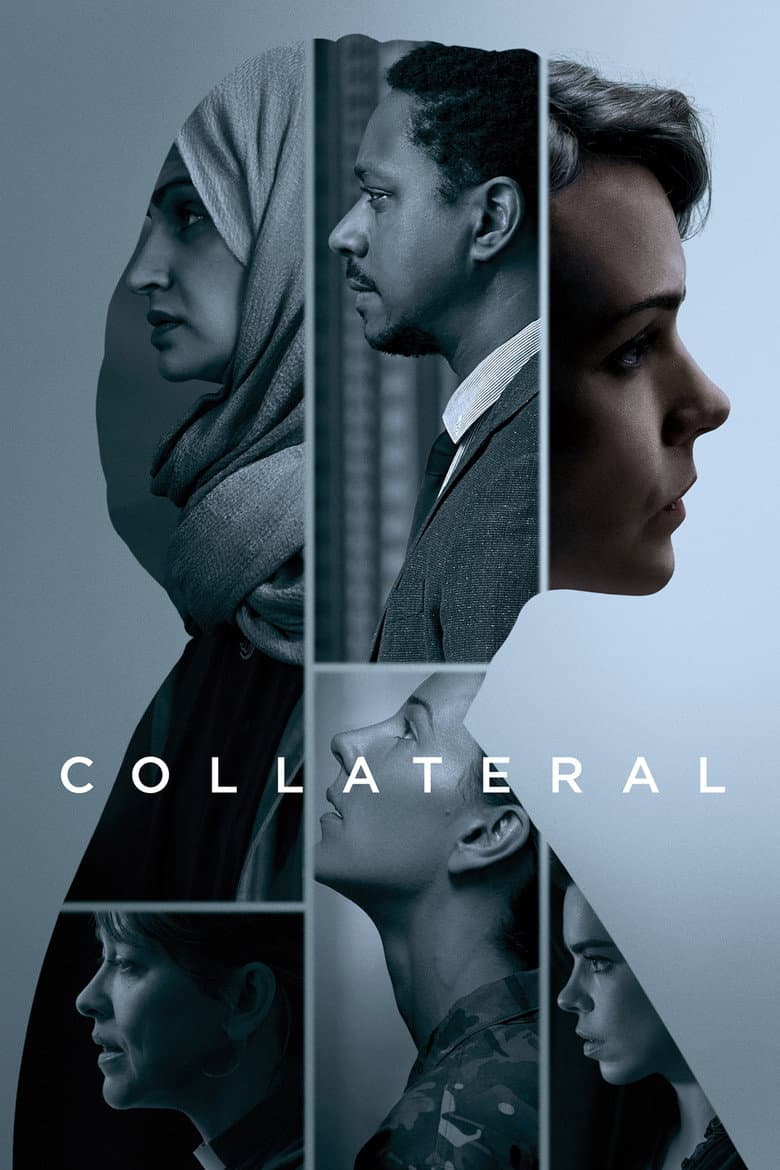
Collateral follows DI Kip Glaspie, a sharp police detective in south London. She investigates the shooting of Abdullah Asif, a Syrian refugee who was delivering pizza. The case leads through a pizza shop, an army base, an immigration detention center, a church, and Westminster politics. The four-part drama feels tense, grim, and full of linked mysteries.
The story gives strong focus to refugees, people smuggling, and the harsh treatment of migrants by British systems. Kip tries to protect Abdullah's two sisters, while a lesbian vicar faces pressure from her church because her girlfriend has no legal right to stay. The show also presents a female army captain, a female Labour leader, and several women who outthink or challenge men. Political speeches defend free movement and attack closed borders, while the army, detention system, church, and security services are shown failing vulnerable people.
Community feedback
Was our 73% Woke rating accurate?
Breakdown
These are the editorial factors and ratings behind our score for Collateral.
Woke representation / casting
The show places women in many visible authority roles. Kip leads the murder case, Sandrine is an Army captain and killer, Jane is a vicar, and Deborah leads Labour. It also gives major parts to a black detective, a South Asian detective, refugee sisters, and a Korean woman. South London can support a mixed cast, but this repeated pattern of women and minority characters in key roles goes beyond a normal background mix.
34%
Woke political dialogue
David Mars repeatedly gives speeches about immigration, free movement, closed borders, and the Labour Party moving right. News reports inside the show connect harsh words about asylum seekers with violence. The show also attacks private detention and the idea that rich countries can keep poor people outside their borders. These points return through the police case and the Westminster subplot, so the politics is hard to miss.
64%
Identity-driven story themes
Refugee and migrant treatment drives the murder plot from start to finish. Abdullah's sisters are detained, work without papers, and face people smugglers after fleeing war, while the story asks viewers to see their fear and loss. Jane's lesbian relationship and Sandrine's sexual abuse add recurring stories about sexuality and women's treatment. The show links these lives through a message of shared humanity and compassion toward strangers.
63%
Western institutional / cultural critique
The police, immigration service, Army, MI5, church, and Labour leadership all fail or pressure people in the story. The detention system holds the sisters, the Army protects a sexually abusive officer, and MI5 hides its link to the smuggling case. The church threatens Jane's place because she loves a woman, and the show treats that pressure as unfair. The story also attacks private detention, harsh border rules, and a gig economy that uses vulnerable workers.
60%
Woke character or canon changes
Not relevant. Collateral is an original four-part story, so it does not change an established character, canon, or historical event.
0%
Anti-woke backlash and complaints
Radio Times reported viewers calling the show full of "PC stereotypes" because of its diverse cast and its immigration, racism, sexual abuse, and class themes. One review called the refugee message forced and politically driven, and a blog complained about the lesbian vicar, pregnant female detective, female Army captain, and weak male characters. Other viewers and critics praised the show's treatment of current issues or simply found the plot confusing. The backlash was visible but mixed and did not become a major public campaign.
35%
Creator track record context
David Hare has a left-leaning record of writing about politics, class, and power. His Collateral interviews openly focus on migration, detention, closed borders, free movement, and British institutions. S.J. Clarkson has directed projects with strong female leads but has no known activist record. Cached casting context notes Lucy Bevan's public support for diversity, while the producers have little public activist record.
28%
Production
