Started January 10, 2024 · Ended · Based on 2 seasons, 12 episodes through February 2, 2026 · TV-PG
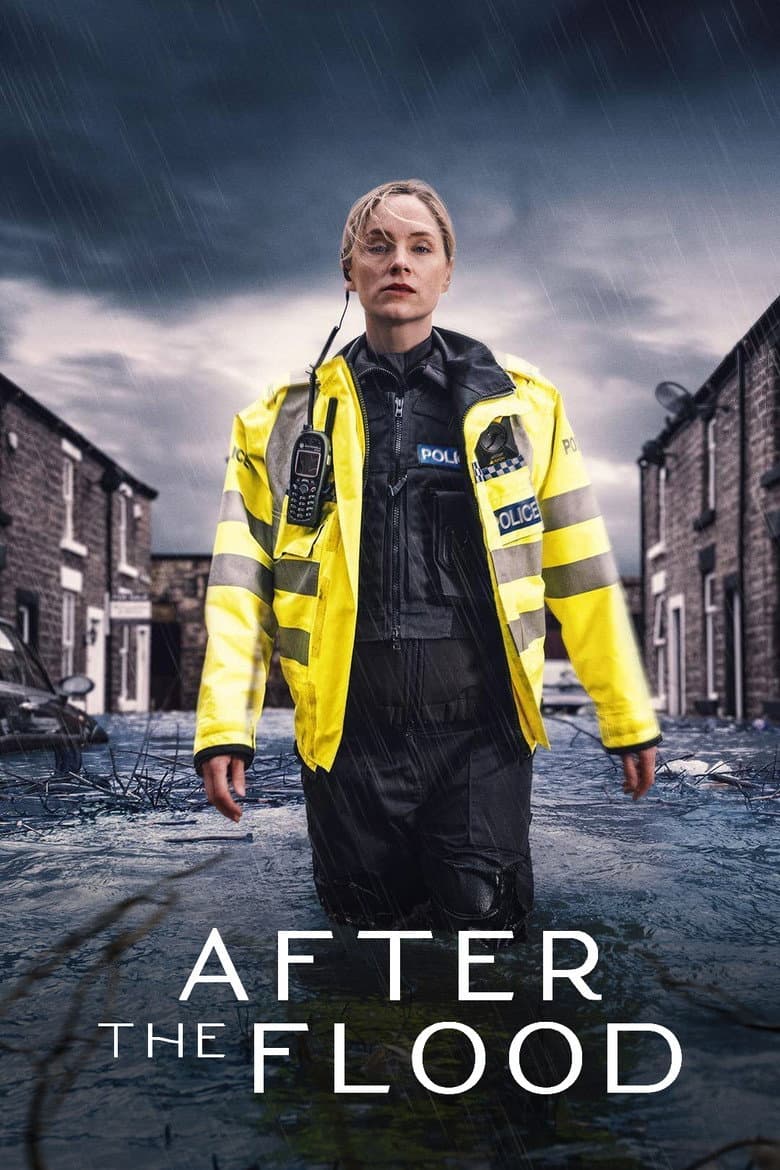
After a huge flood hits the northern town of Waterside, police officer Joanna Marshall finds a dead man in an underground car park lift. The police first think the water trapped him, but Jo discovers that he died before the flood and starts a secret search for the killer. Season one follows her through police corruption, family secrets, and a dangerous cover-up while she is pregnant. Season two begins a year later, when Jo is a detective, a new body appears on the moors, and her husband Pat helps her fight corrupt Sergeant Mackie. The show mixes murder mystery, family drama, and tense action.
Climate change is a major part of both seasons, not just a setting detail. The first season links weak flood defences, concrete building, fake green claims, and political deals to the town’s danger. The second season follows climate activists, toxic chemicals in the river, moorland fires, waste dumping, and a company accused of hiding pollution. The show also places several capable women in police, council, and Parliament roles, while many of the worst men are corrupt or dishonest, but the crime and family stories remain the main focus.
Community feedback
Was our 57% Woke rating accurate?
Breakdown
These are the editorial factors and ratings behind our score for After the Flood.
Woke representation / casting
The cast gives the central story to a white female police officer and also places women in the roles of detective, councillor, and member of Parliament. The show gives recurring authority roles to a South Asian female officer and a black female politician. The modern northern English setting makes these choices possible, and no marketing frames them as a diversity campaign. The pattern is noticeable, but it is not an overwhelming one-of-each design.
34%
Woke political dialogue
The show repeatedly has characters argue about flood defences, climate change, pollution, and fake green claims. Molly attacks the council and a chemical firm over harmful chemicals in the river. Layal explains that activists broke into Aexous to find proof of illegal discharges, and Finn is questioned about past climate protests. The dialogue supports the crime plots, but these ideas return across both seasons.
42%
Identity-driven story themes
The series makes climate change and environmental damage part of its main story in both seasons. Season one links weak flood defences, concrete building, and political deals to the town’s suffering. Season two follows climate activists, toxic chemicals, moorland fires, waste dumping, and a company accused of hiding pollution. The show often treats public action and environmental responsibility as needed answers, although murder and family secrets still drive the plot.
50%
Western institutional / cultural critique
The story presents the police, council, environmental regulators, developers, and chemical firms as careless or corrupt. Season one links poor flood protection and fake green claims to private building and political deals. Season two shows a chemical plant, wealthy grouse shooting landowners, and dumped waste putting local people at risk. Police corruption is also a major crime theme, so the institutional critique is strong but not a full attack on every Western institution.
50%
Woke character or canon changes
Not relevant. The show is an original crime drama, so it does not change an established character, canon, or historical figure.
0%
Anti-woke backlash and complaints
One Reddit commenter called the show a woke idea and complained about what they saw as a diverse cast, interracial couples, trans content, and a pregnant cop used for a female power message. Other small viewer threads focused on the flood scenes, confusing story, and corrupt police plot instead. The complaint was isolated and did not grow into a major boycott or news controversy.
12%
Creator track record context
The key creative record is mixed. Mick Ford and Azhur Saleem have mainly mainstream crime and genre records with no clear activist persona. Roanne Bardsley and Nicola Shindler have stronger records of feminist, queer, and diverse stories, while Andy Pryor has spoken about inclusive casting. This gives the show’s climate and social themes some supporting context, but the team is not uniformly activist.
38%
Production
