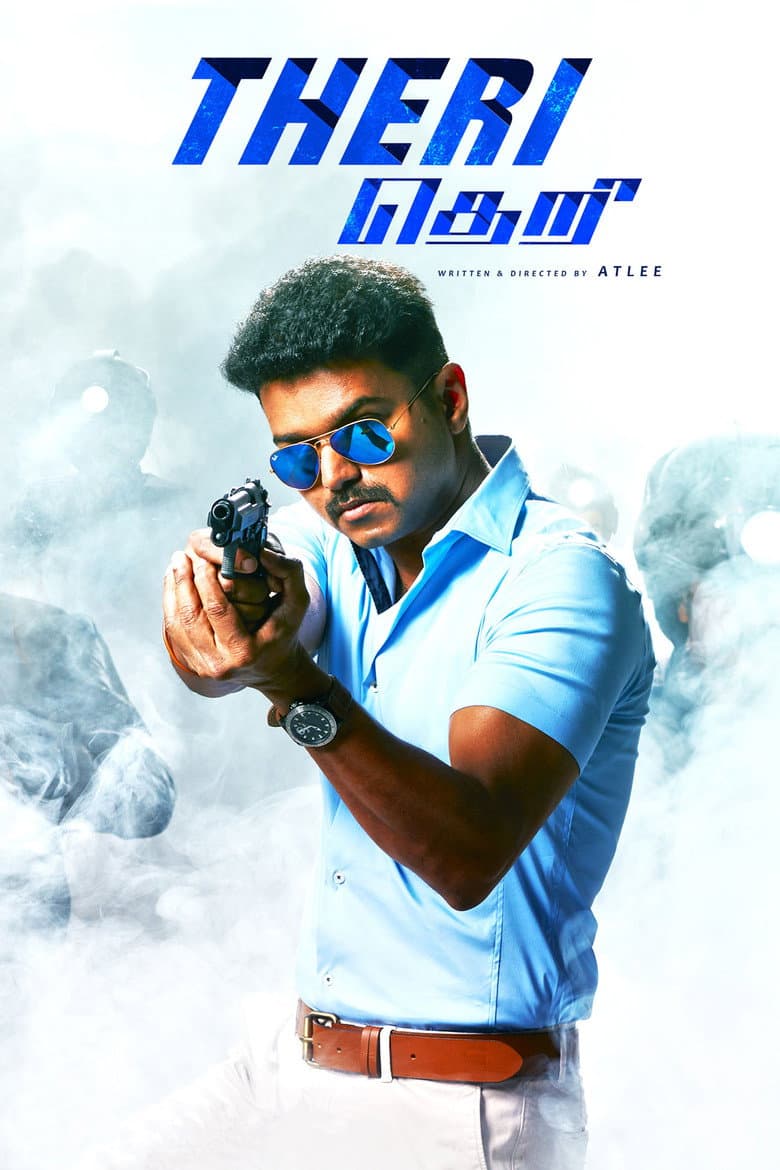
Theri follows Vijay Kumar, an honest police officer in Chennai. After a powerful politician's son is tied to the rape and murder of a young woman, the politician attacks Vijay's family. Vijay survives, hides under the name Joseph Kuruvilla, and raises his daughter Nivi in a quiet part of Kerala. When his past is exposed, the film turns into a bright, emotional revenge action story with family drama, romance, jokes, and large fight scenes.
The film gives clear space to women's safety, the rape case, and a gang that hurts children and forces them to beg. Vijay's police work treats these problems as reasons for direct punishment, while his final speech links crime to poor parenting. The story also places a British actress in the role of a Malayali teacher in Kerala, which can feel like an odd casting choice. These points matter to the film, but the main story remains a male hero's family revenge, not a broad identity or diversity campaign.
Community feedback
Was our 48% Woke rating accurate?
Breakdown
These are the editorial factors and ratings behind our score for Theri.
Woke representation / casting
Amy Jackson, a British actress, plays Annie, a Malayali school teacher in Kerala. Annie has a prominent romance role, and the film gives her a visibly foreign look and accent. Samantha plays a doctor, but the film does not present either woman as a diversity or empowerment symbol. This makes the casting issue an isolated mismatch rather than a wider representation pattern.
27%
Woke political dialogue
Vijay's police team discusses rape numbers and says the same harm should not happen to another woman. Vijay explains how a gang injures children and forces them to beg. The police song praises police work, tells viewers to wear helmets, and warns against bribery. The film repeats clear public-safety messages, but it does not use party politics, DEI language, or modern identity slogans.
37%
Identity-driven story themes
The film makes women's safety central to the case that starts Vijay's revenge. The story also shows a gang that injures children and forces them to beg. Vijay uses these problems to justify harsh justice and to say that fathers must raise children well. The story keeps the social message inside a male-led revenge film and does not center gender identity or group representation.
42%
Western institutional / cultural critique
Not present. The film shows a corrupt minister, bribery, and child trafficking, but those villains serve a standard crime plot. The story does not attack Western institutions, Christianity, traditional family life, or conservative social norms.
0%
Woke character or canon changes
Not relevant. Vijay's cover names are plot devices inside a new fictional story. The film does not change an established character or real figure through a race, gender, sexuality, or hero-role swap.
0%
Anti-woke backlash and complaints
One small Hindu-right X account grouped Theri into an Atlee checklist that included a “woke social issue.” The post had about 10 likes, no sign of a campaign, and no wide pickup. Other public reactions focused on family drama, action, casting, or a predictable plot, so anti-woke backlash stayed fringe.
8%
Creator track record context
Atlee has a repeated record of using women’s safety, public services, and social responsibility in commercial films. His public comments about Theri stress good parenting, women’s safety, and the idea that films should carry positive thoughts. T K Madhan Prasad and S. Thanu have no clear activist or identity-focused public record.
61%
Production
