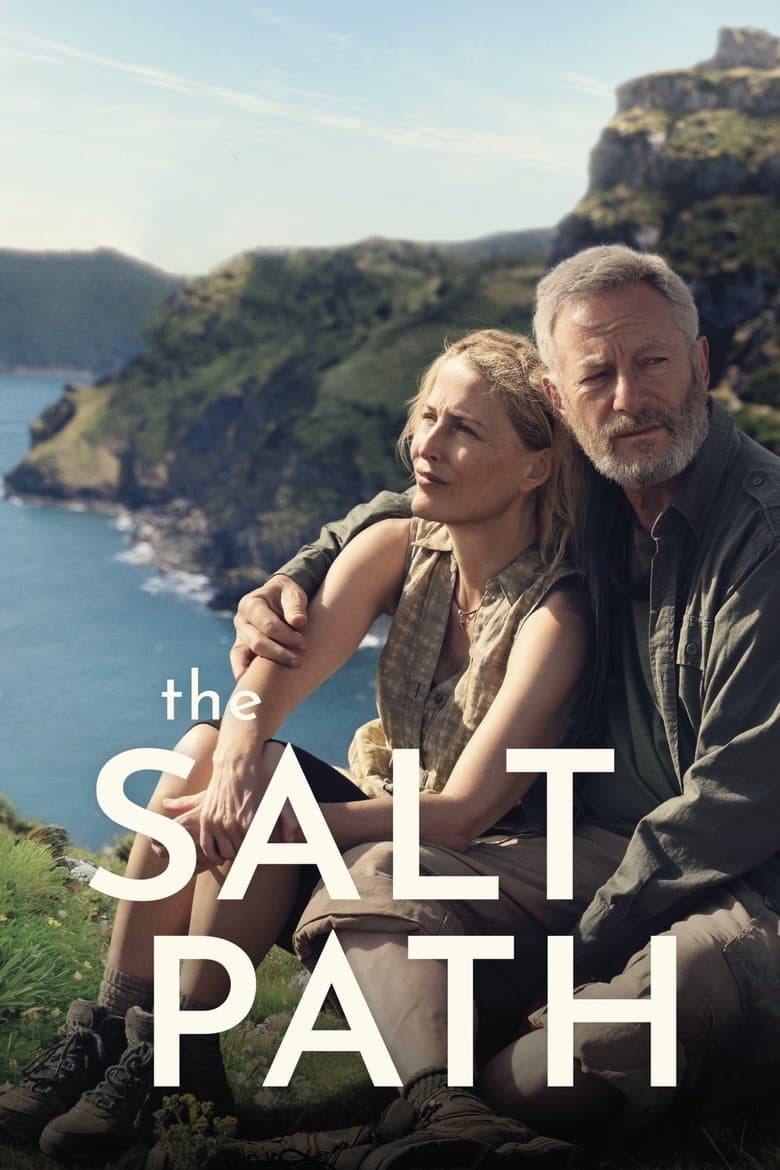
The Salt Path is a British drama about a middle-aged couple who lose their home and farm after a bad business investment. They soon learn the husband has a serious degenerative illness and decide to walk hundreds of miles along the English southwest coast path with almost no money. They carry a tent and basic gear while facing weather, exhaustion, and the shame of being homeless. The story shows their growing resilience, the healing they find in nature and walking, and small acts of kindness from strangers they meet along the way.
Community feedback
Was our 13% Woke rating accurate?
Breakdown
These are the editorial factors and ratings behind our score for The Salt Path.
Woke representation / casting
The leads are Gillian Anderson and Jason Isaacs playing the actual white British middle-aged couple from the memoir. The female character is central and capable in crisis, but this fits the real person's documented experience and the balanced husband-wife story. No visible diversity quotas, race or gender swaps, or identity signaling in casting or promotion.
8%
Woke political dialogue
Characters talk about their money troubles, the illness, daily walking challenges, and occasional help or judgment from others. No activist monologues, identity arguments, or political lectures appear.
0%
Identity-driven story themes
The main ideas are personal survival, the couple's marriage under pressure, finding strength through physical effort and nature, and coping with loss and uncertainty. Nothing centers modern identity groups, grievances, or representation goals.
0%
Western institutional / cultural critique
The couple deals with a lost court case, trouble getting emergency housing, and limited welfare support that worsens their homelessness. These moments show real friction with systems but stay part of their personal tale in a realistic drama style without activist calls about patriarchy, capitalism, or identity-based oppression.
12%
Woke character or canon changes
Not relevant. The film sticks close to the memoir's people and events. There are no reports of changes made to add identity elements or rewrite characters for DEI reasons.
0%
Anti-woke backlash and complaints
Coverage and online talk focused on the story's emotion and later on doubts about the book's facts. No notable voices accused the film of woke messaging, forced diversity, or left-wing ideology.
0%
Creator track record context
Several key people have past work with social themes. Marianne Elliott has directed theatre with political layers and spoken positively about women's stories. Rebecca Lenkiewicz wrote about suffragettes and #MeToo-style investigations. Beatriz Levin produced films touching racial and rights issues. These show liberal social interests more than heavy modern identity or DEI focus.
25%
Production
Movie · 2019
Richard Jewell thinks quick, works fast, and saves hundreds, perhaps thousands, of lives after a domestic terrorist plants several pipe bombs and they explode during a concert…
Movie · 2026
While people across 1990s Iraq struggle to survive the war and food shortages, Saddam Hussein requires each school in the country to prepare a cake to celebrate his birthday.
Movie · 2023
American ballet dancer Joy Womack is accepted into Moscow's infamously tough Bolshoi Ballet Academy, with the dream of becoming a great ballerina.
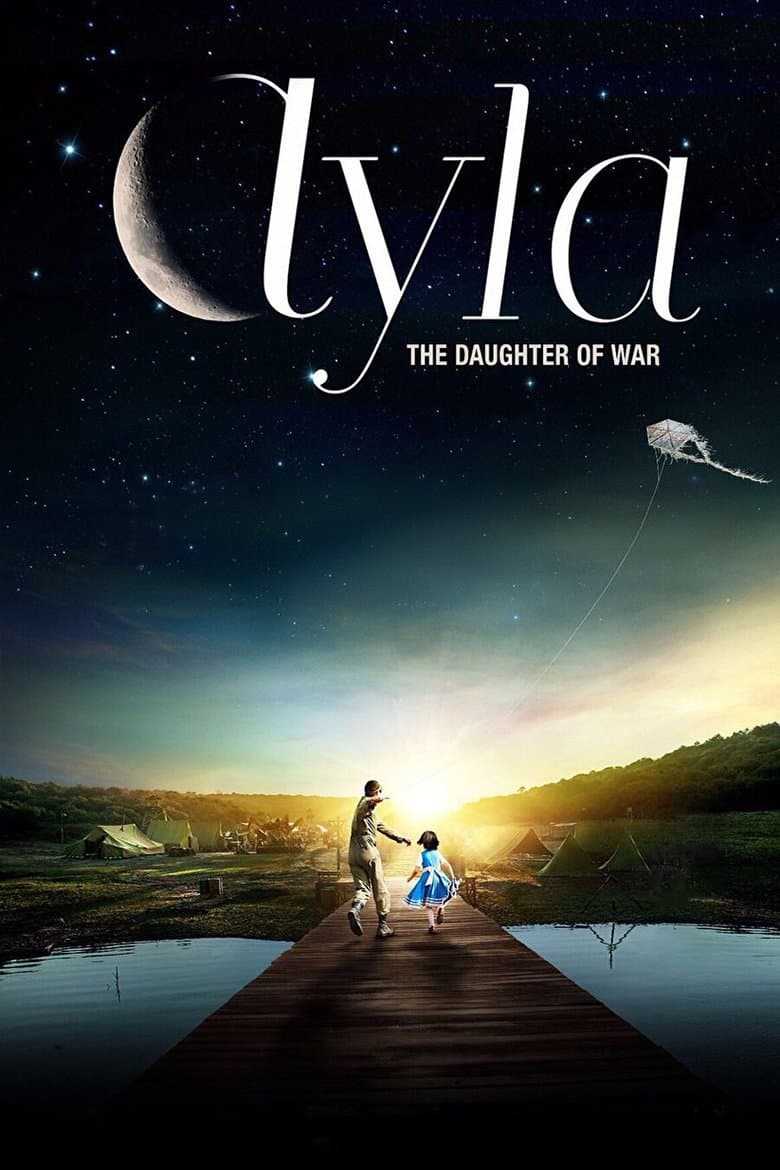
Movie · 2017
In 1950, amidst the ravages of the Korean War, Sergeant Süleyman stumbles upon a a half-frozen little girl, with no parents and no help in sight and he risks his own life to save…
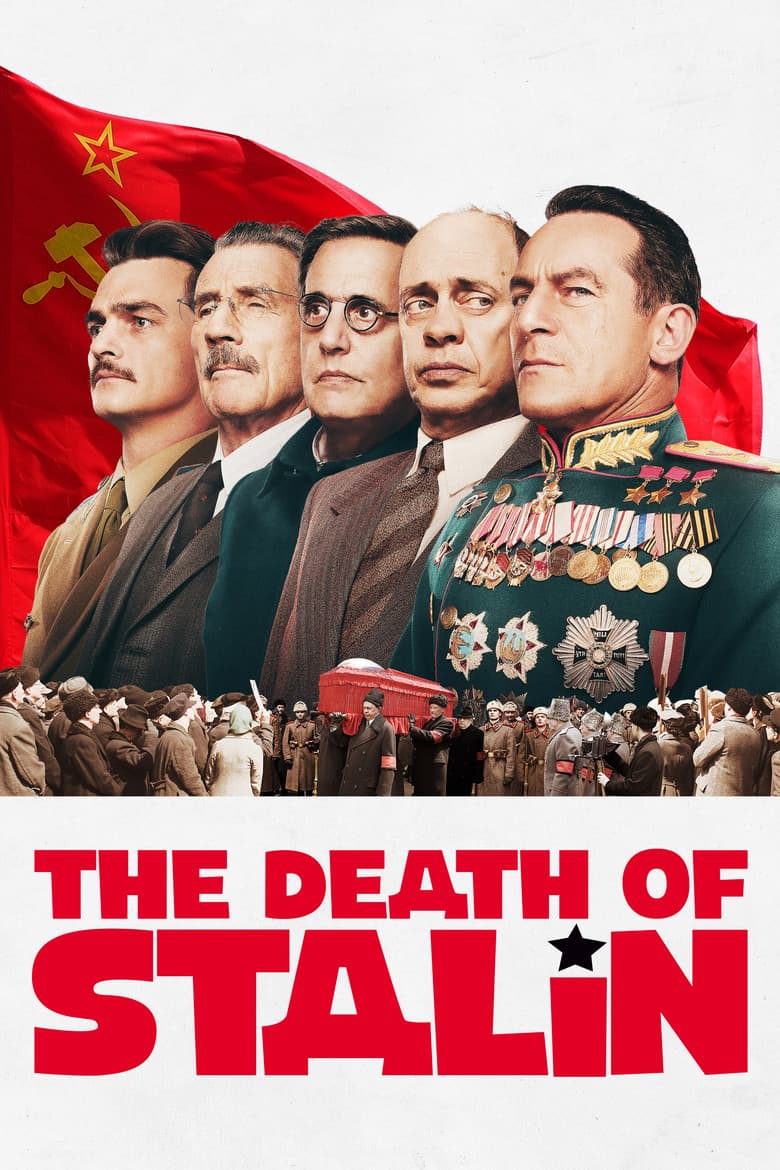
Movie · 2017
When dictator Joseph Stalin dies, his parasitic cronies square off in a frantic power struggle to become the next Soviet leader.

Movie · 2017
Members of the Granite Mountain Hotshots battle deadly wildfires to save an Arizona town.
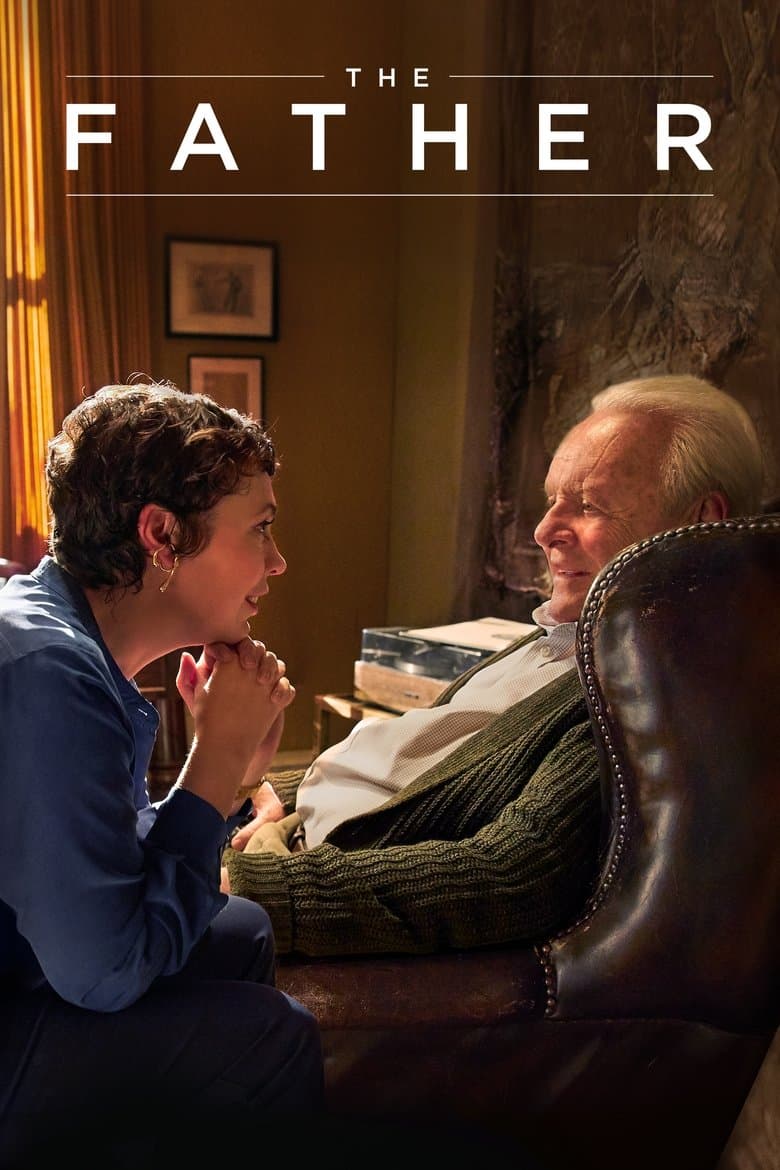
Movie · 2020
A man refuses all assistance from his daughter as he ages and, as he tries to make sense of his changing circumstances, he begins to doubt his loved ones, his own mind and even…

Movie · 2024
On the brink of the Second World War, a young Norwegian man's drive to resist the Nazis sets a new course for his future – and the future of his country.
