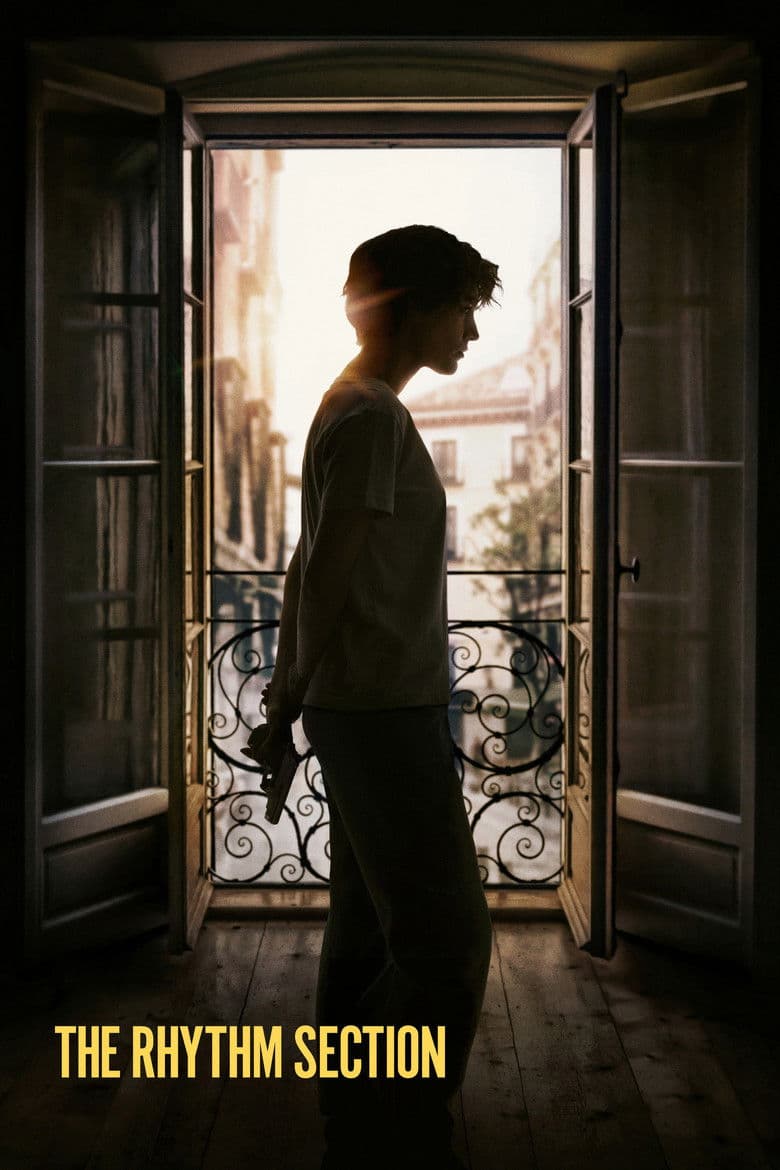
Gritty female-led revenge/espionage thriller from Mark Burnell’s Stephanie Patrick novels, directed by Reed Morano and produced by Eon; plot centers on trauma, addiction, and hunting Islamist terrorists behind a plane bombing, with light feminist craft/marketing framing but no meaningful anti-woke backlash—reception focused on quality and box-office failure.
Community feedback
Was our 35% Woke rating accurate?
Breakdown
These are the editorial factors and ratings behind our score for The Rhythm Section (2020).
Woke representation / casting
Female assassin lead matches the Burnell novels (not a gender-swap of a male icon). Modern London/global espionage supports a mixed cast, including Sterling K. Brown as a major former-CIA figure who is the twist antagonist, not a pure identity-hero. Score rises mainly because marketing and creatives framed the project as female-led / “female gaze” / all-female key filmmakers rather than for a demographic cast mismatch with the story world.
30%
Woke political dialogue
Core script is revenge, tradecraft, and conspiracy around a covered-up terrorist bombing. No widely reported lecture-style DEI, race, or identity-politics dialogue; any “undervalued as a woman” material is light and secondary.
5%
Identity-driven story themes
Main arc is grief, addiction, PTSD, and imperfect vengeance—not systemic race/gender ideology. Mild feminist framing is real and audience-visible: non-objectifying camera, world that intimidates women, tradecraft that uses femininity, and publicity calling out the “female gaze” and empowerment. Several reviews read light “feminist Bourne” notes, but the film also undercuts girlboss fantasy by making Stephanie clumsy and nearly incompetent as a killer.
34%
Western institutional / cultural critique
Government cover-up of an Islamist attack is standard spy distrust, not modern activist reframing around whiteness, patriarchy, colonial guilt, or anti-Western identity politics. Antagonists include Islamist terror networks and a rogue Western intel operator; institutions are shadowy, not primarily painted as systemic identity oppressors.
12%
Woke character or canon changes
Not relevant. Stephanie Patrick is female in the source novels; no clear race/gender/identity rewrite of established icons or historical figures for DEI signaling.
0%
Anti-woke backlash and complaints
No sustained right-leaning or anti-woke campaign treating the film as DEI/propaganda. Criticism focused on pacing, dull action, and historic box-office failure. Some conservative-leaning commentary even praised a flawed, non–Mary Sue female lead.
0%
Creator track record context
Uses cached scores only: director Reed Morano 35/100 (Handmaid’s Tale openers; Looking; woman-in-camera framing); producer Barbara Broccoli 78/100 (Time’s Up UK; BIPOC theatre investment; Till / race-consciousness messaging). Writer Mark Burnell 0; most other listed producers/ADs/casting near 0–19. Package sits light–moderate because Morano’s gender-forward craft profile and Broccoli’s high activist score sit beside largely non-ideological commercial crew.
38%
Production
Movie · 2021
Hutch Mansell, a suburban dad, overlooked husband, nothing neighbor — a "nobody." When two thieves break into his home one night, Hutch's unknown long-simmering rage is ignited…
Movie · 2023
With the price on his head ever increasing, John Wick uncovers a path to defeating The High Table. But before he can earn his freedom, Wick must face off against a new enemy with…
Movie · 2025
A broker of lucrative payoffs between corrupt corporations and the individuals who threaten them breaks his own rules when a new client seeks his protection to stay alive.
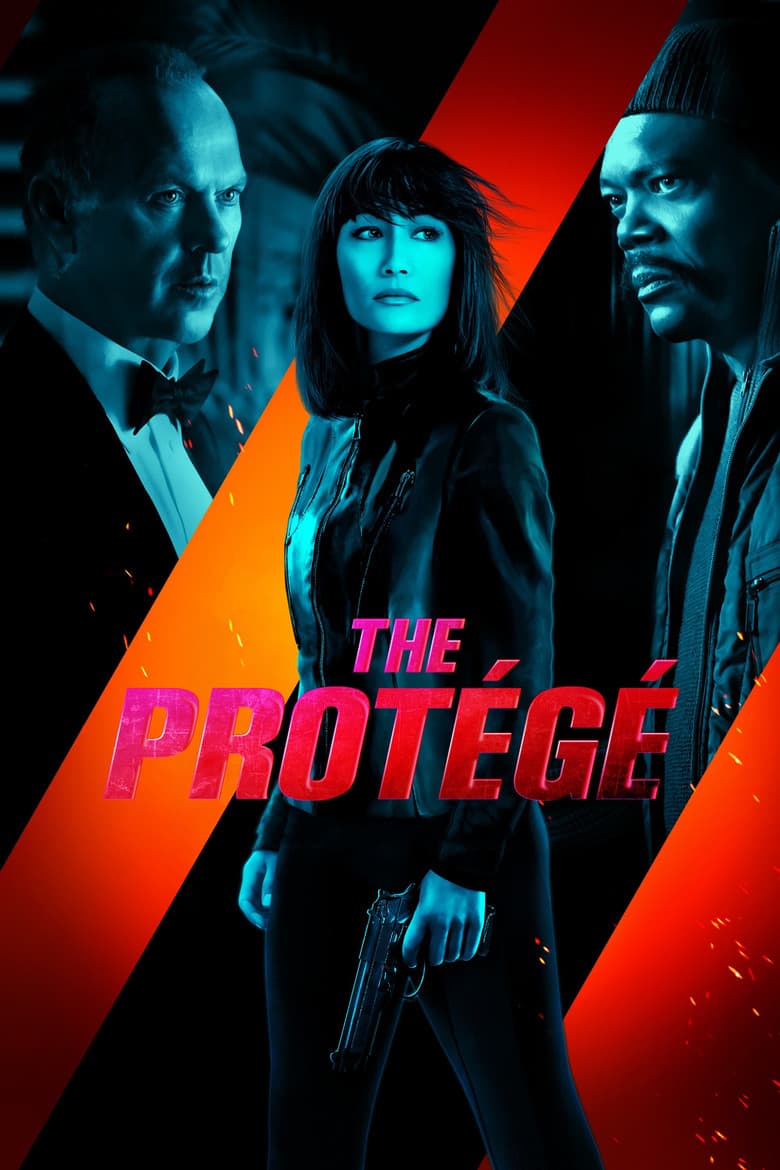
Movie · 2021
Rescued as a child by the legendary assassin Moody and trained in the family business, Anna is the world’s most skilled contract killer.
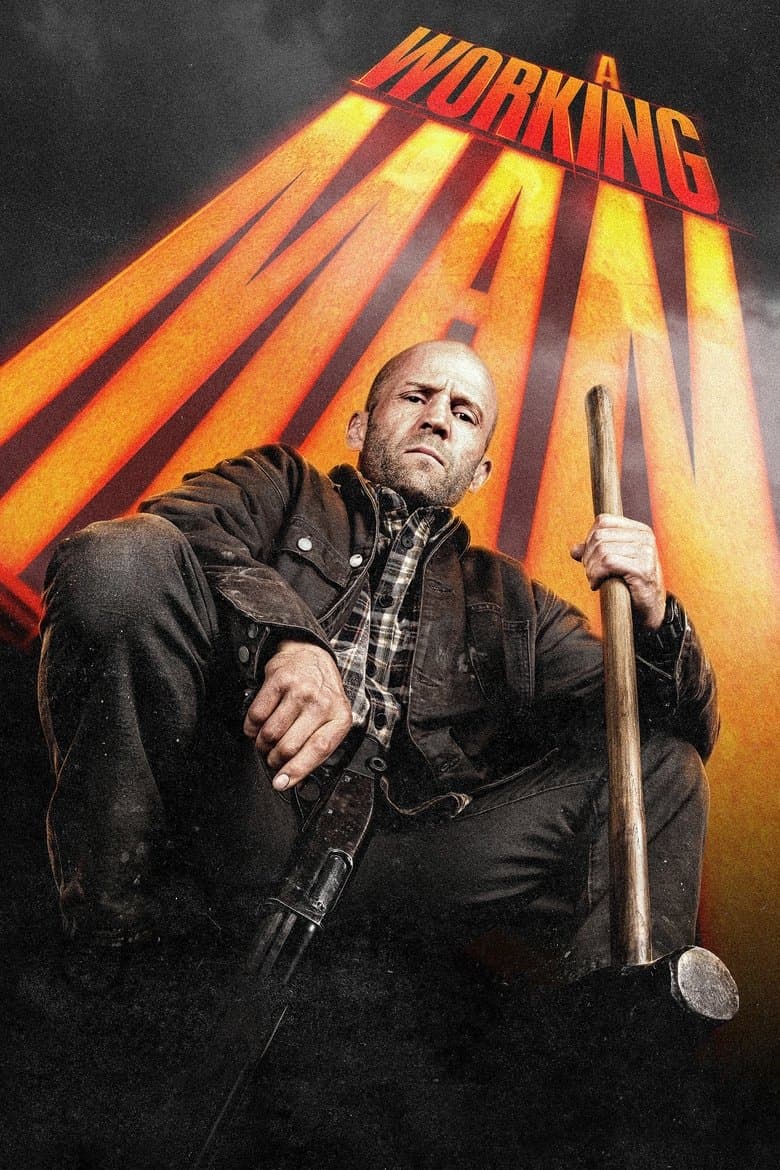
Movie · 2025
Levon Cade left behind a decorated military career in the black ops to live a simple life working construction.
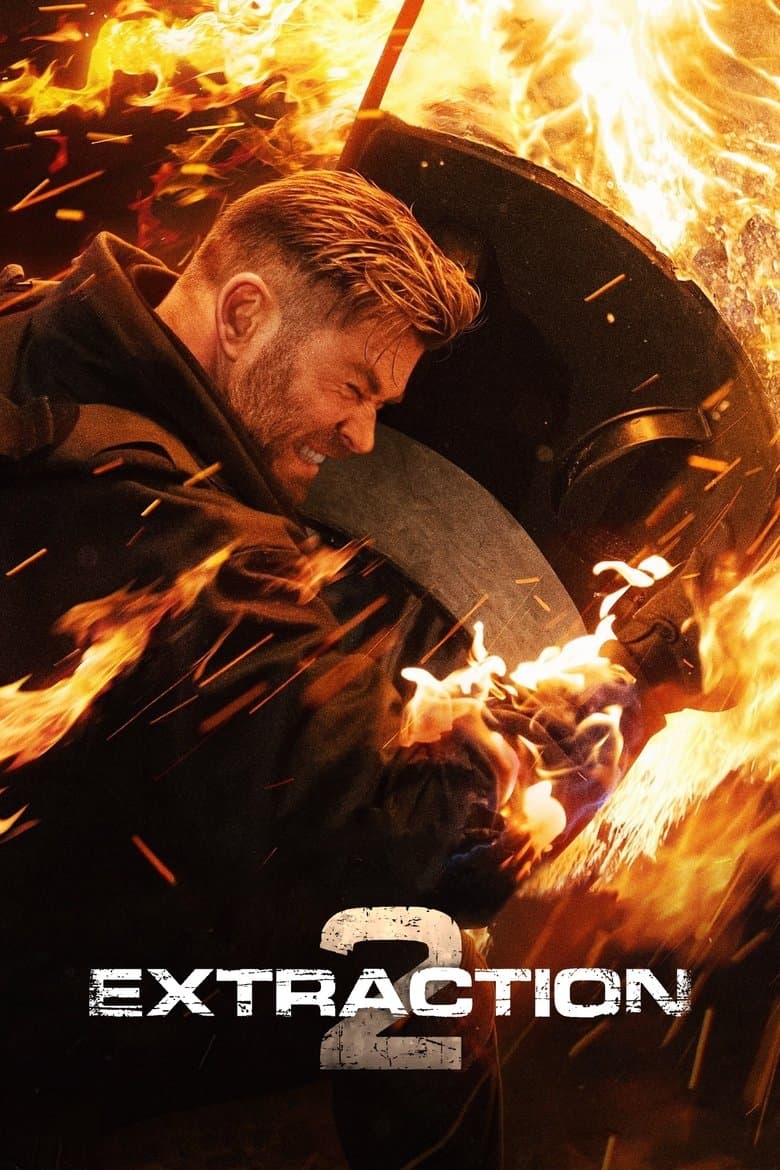
Movie · 2023
Back from the brink of death, highly skilled commando Tyler Rake takes on another dangerous mission: saving the imprisoned family of a ruthless gangster.

Movie · 2026
A grieving woman pushing her limits on a solo adventure in the Australian wild is ensnared in a twisted game with a cunning killer who thinks she's prey.
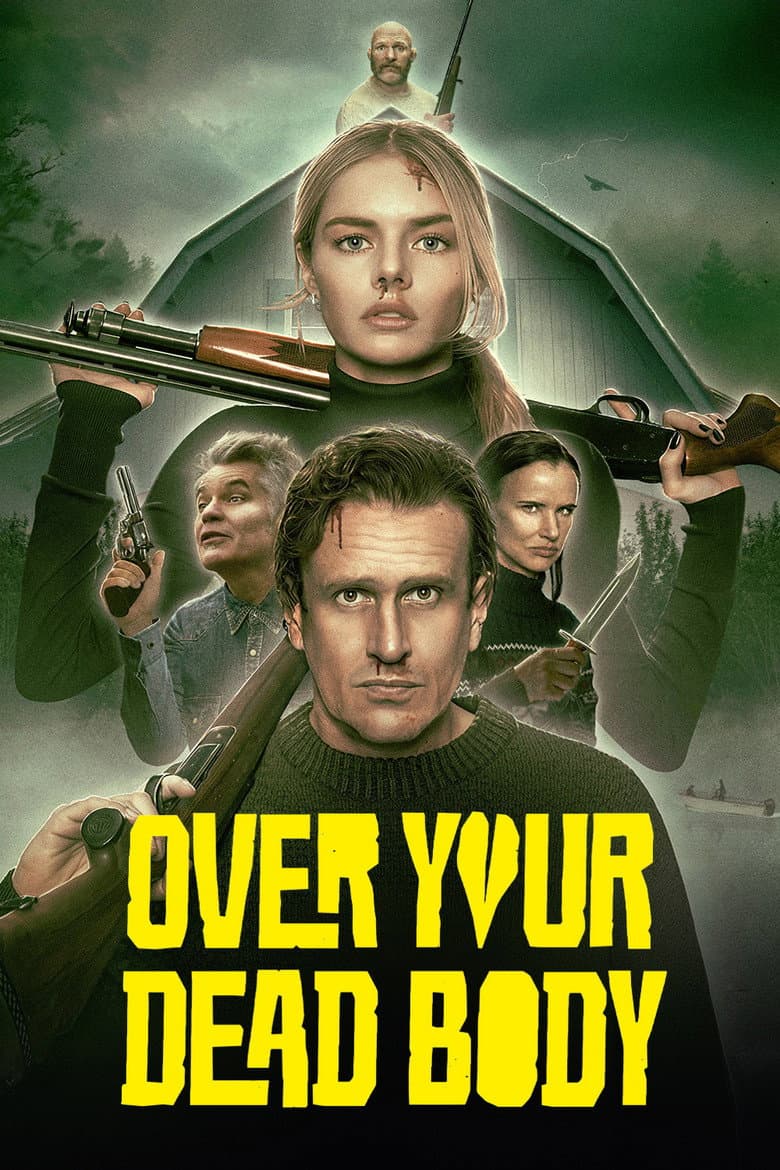
Movie · 2026
A dysfunctional couple head to a remote cabin to "reconnect", but each has secret intentions to kill the other.
