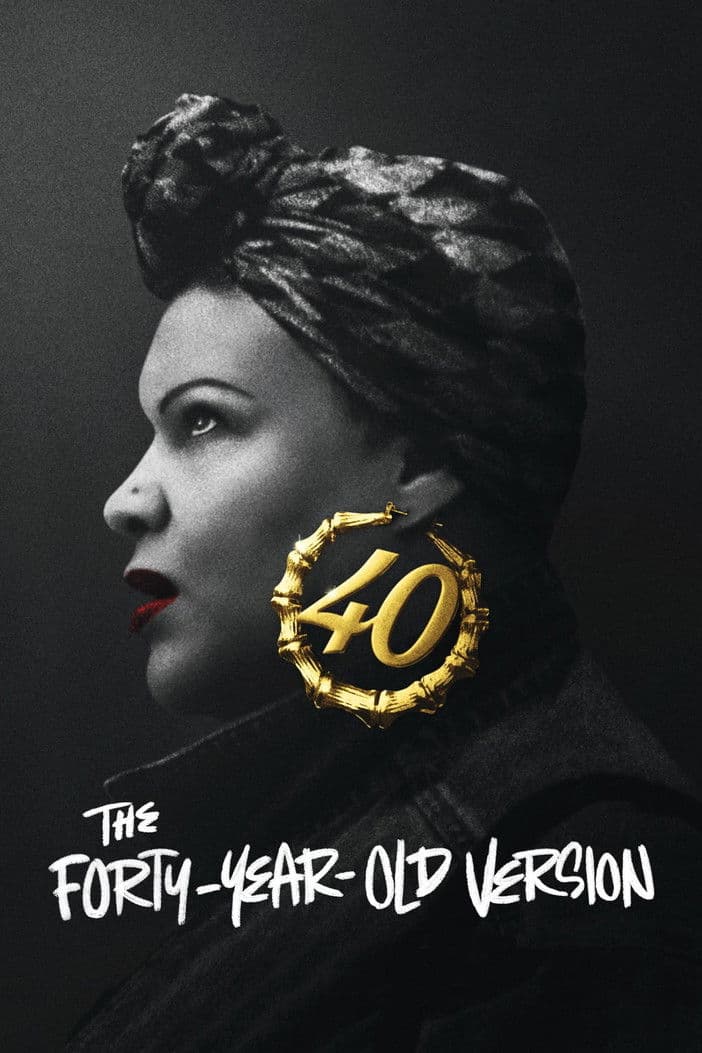
The Forty-Year-Old Version is a comedy-drama about a struggling playwright in New York City who is turning forty. Desperate for a breakthrough, she decides to reinvent herself as a hip-hop artist. The film strongly highlights identity themes, with a black female lead fighting white gatekeepers who try to censor her art. It also features prominent gay and lesbian characters, and songs critiquing systemic racism and gentrification.
Community feedback
Was our 88% Woke rating accurate?
Breakdown
These are the editorial factors and ratings behind our score for The Forty-Year-Old Version.
Woke representation / casting
The casting puts a strong focus on identity representation. The lead role is a black woman struggling in her career. The supporting cast includes several important gay and lesbian characters. These include her gay Korean-American agent Archie, her lesbian Latina student Rosa, and a wealthy white gay producer. These identities are key parts of their characters rather than just being in the background. Because the film has multiple visible gay and lesbian characters, we increased this score significantly to follow our guidelines.
75%
Woke political dialogue
The characters use clear activist language. They talk about systemic racism, gentrification, and white gatekeepers. The lead character raps about how white people exploit black pain in a song called "Poverty Porn." The characters frequently debate who has the right to tell certain stories and how wealthy white people try to control black art. They also mock white liberals who try to act "woke" but still call all the shots behind the scenes.
65%
Identity-driven story themes
The entire story is about identity. It follows a black woman trying to keep her authentic voice while fighting against white theater owners. The film focuses heavily on race, gender, and aging. It also includes identity struggles for the gay and lesbian supporting characters. For example, Archie struggles with being gay in a strict family, and Rosa's lesbian identity is highlighted. These themes are the main driver of the plot.
75%
Western institutional / cultural critique
The movie strongly criticizes traditional Western art institutions. It specifically attacks the elite New York theater world. The story shows wealthy white liberals as hypocrites who only want to fund sad stories about black pain to make themselves feel good. The film mocks these institutions for trying to co-opt black art by demanding changes to make plays more appealing to rich white audiences.
78%
Woke character or canon changes
Not present in this title.
0%
Anti-woke backlash and complaints
There are no notable right-leaning or anti-woke complaints about this film. Because this is a smaller independent movie, it did not get much attention from conservative media channels and did not start any major public debates.
0%
Creator track record context
The creators have a strong history of progressive and activist filmmaking. Writer and director Radha Blank champions black female artists. Producers like Rishi Rijani, Trevite Willis, and Lena Waithe are known for pushing queer and BIPOC representation. Producers Jordan Fudge and Inuka Bacote also focus on inclusive stories. Only Jennifer Semler has a traditional profile.
80%
Production
Movie · 2023
Two mismatched entrepreneurs – egghead innovator Mike Lazaridis and cut-throat businessman Jim Balsillie – joined forces in an endeavour that was to become a worldwide hit in…
Movie · 2017
When dictator Joseph Stalin dies, his parasitic cronies square off in a frantic power struggle to become the next Soviet leader.
Movie · 2016
Two high school girls are best friends until one dates the other's older brother, who is totally his sister's nemesis.
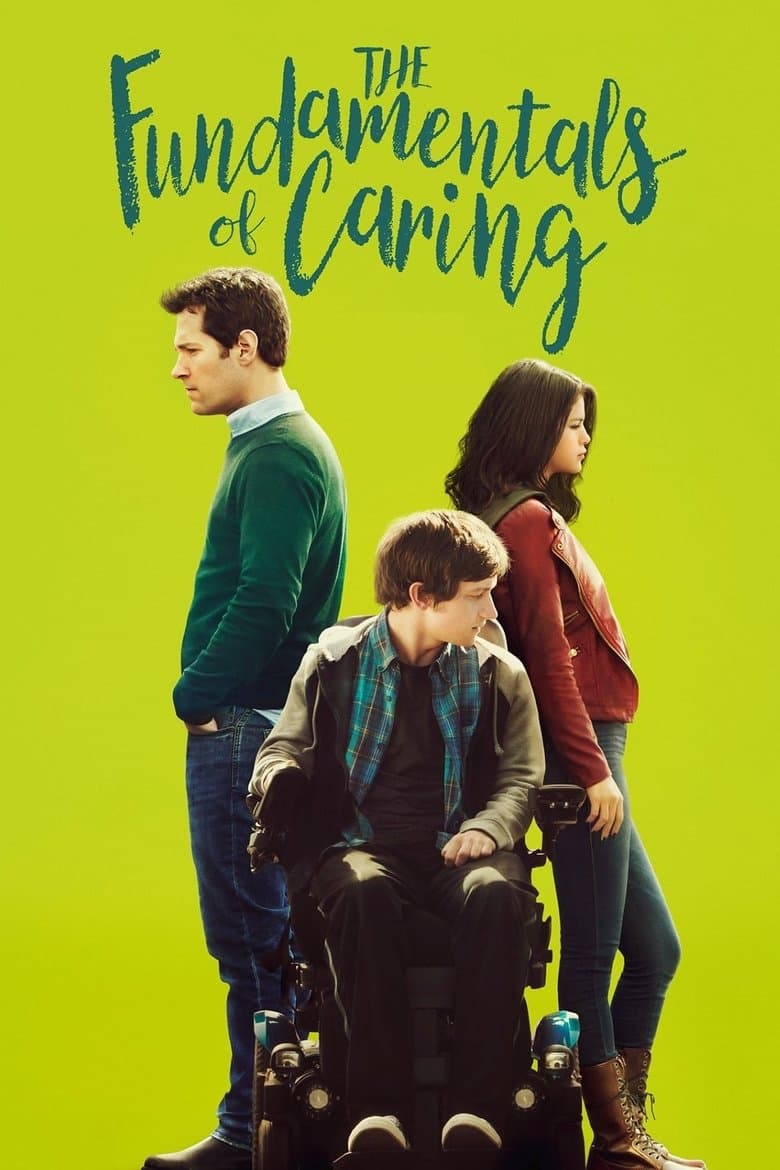
Movie · 2016
Having suffered a tragedy, Ben becomes a caregiver to earn money. His first client, Trevor, is a hilarious 18-year-old with muscular dystrophy.

Movie · 2024
Mismatched cousins David and Benji reunite for a tour through Poland to honor their beloved grandmother. The adventure takes a turn when the pair's old tensions resurface against…
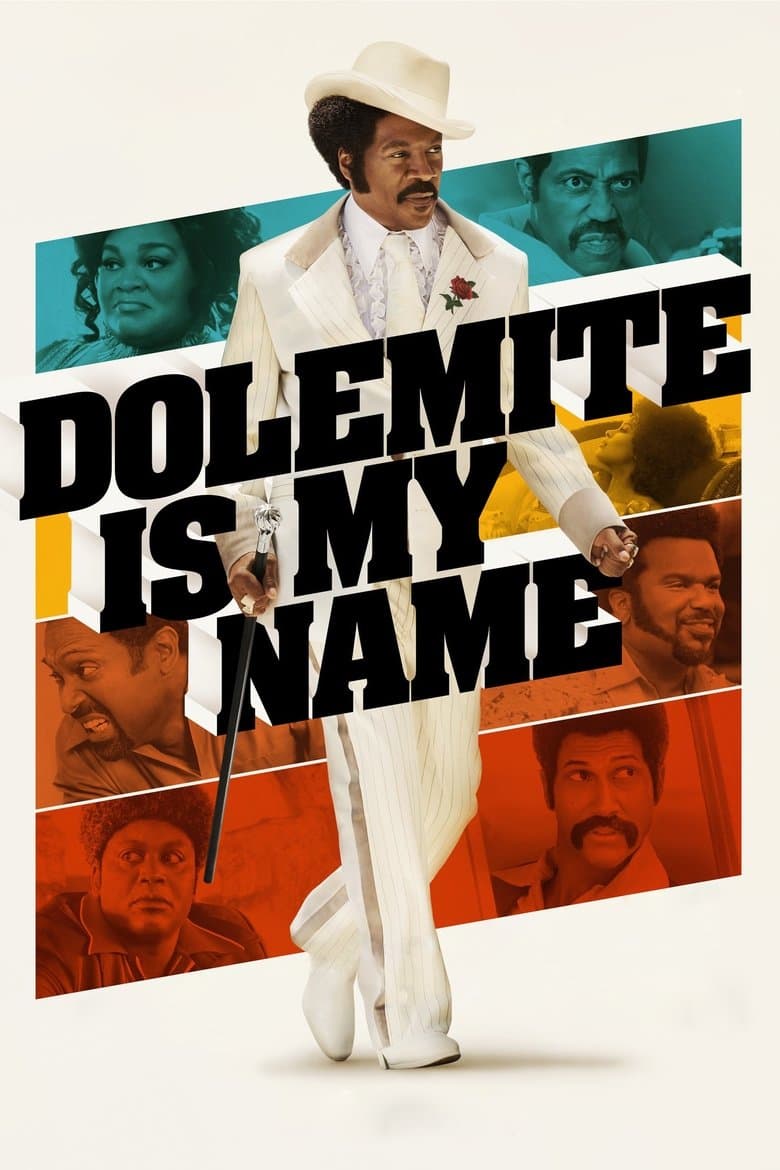
Movie · 2019
The story of Rudy Ray Moore, who created the iconic big screen pimp character Dolemite in the 1970s.
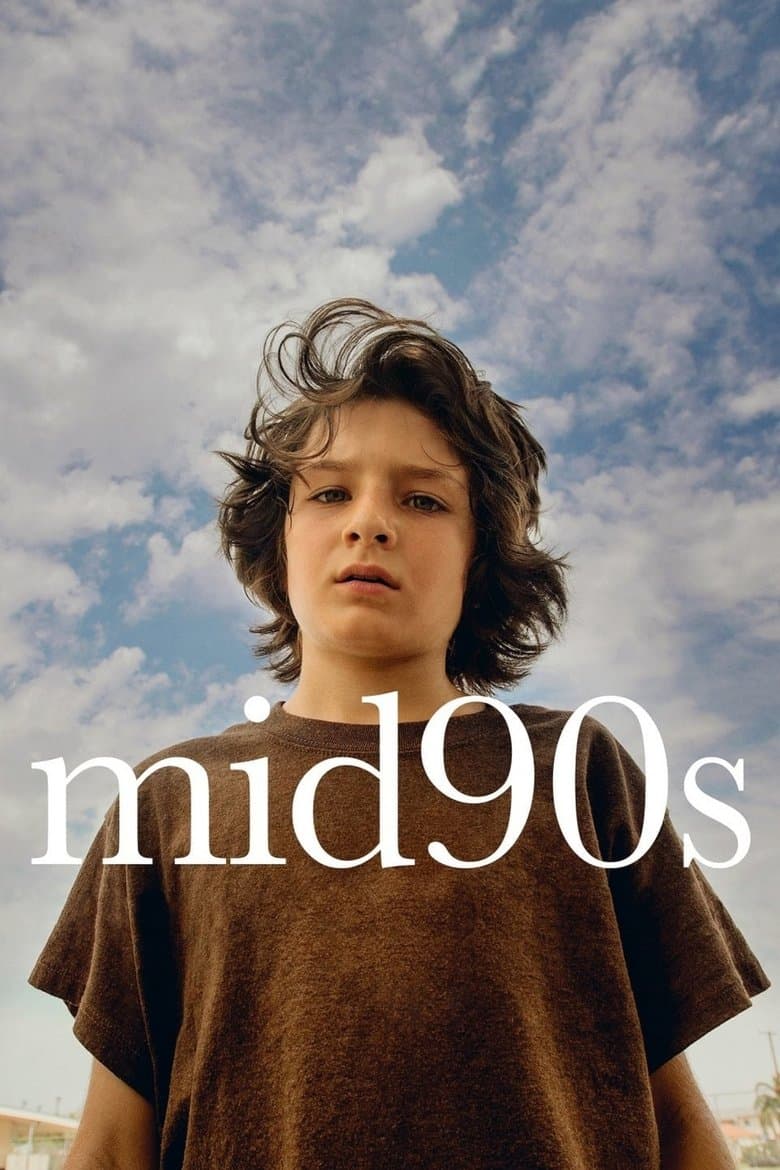
Movie · 2018
In 1990s Los Angeles, a 13-year-old spends his summer navigating between a troubled home life and a crew of new friends he meets at a skate shop.
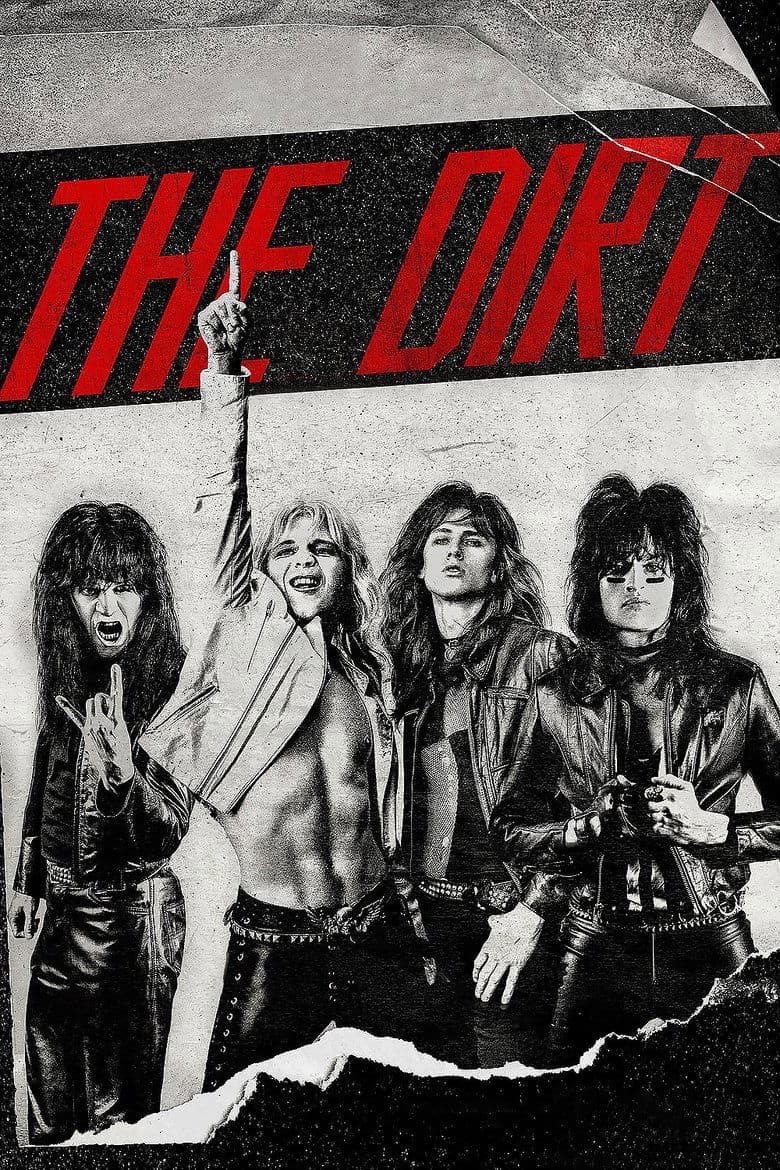
Movie · 2019
The story of Mötley Crüe and their rise from the Sunset Strip club scene of the early 1980s to superstardom.
