Movie review
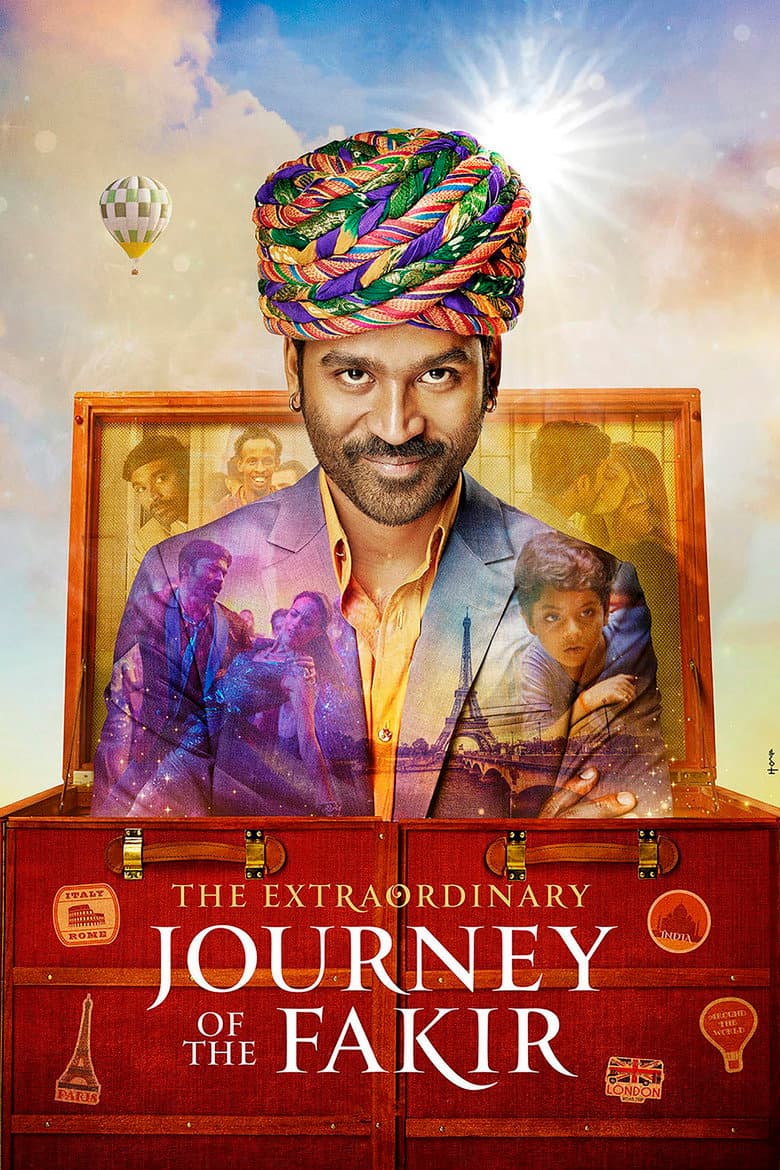
Aja lives with his poor mother in Mumbai and earns money by street magic and small tricks. After she dies, he travels to Paris to find the French father he never knew and to follow her dream of seeing the city. A wardrobe, a suitcase, a balloon, border police, and smugglers carry him through Europe and Libya. The film uses bright comedy, romance, songs, and magic while Aja searches for a home and a purpose.
The story gives a clear place to the refugee crisis. Aja is mistaken for an illegal immigrant, hears Somali refugees describe war and hunger, and later shares his money with their camp. The opening narration says people do not begin with equal chances because family, money, health, looks, and where they live shape their lives. The film also includes Rose's short story about wondering if she is a lesbian, while Aja ends as a teacher who helps troubled children.
Community feedback
Was our 49% Woke rating accurate?
Breakdown
These are the editorial factors and ratings behind our score for The Extraordinary Journey of the Fakir.
Woke representation / casting
The film makes an Indian lead's romance with an American woman a central part of the journey. The film also gives a Somali refugee an important role. These choices make different cultures and an interracial couple visible. The casting fits the film's worldwide journey and is not presented as a quota or empowerment claim.
16%
Woke political dialogue
Aja says people are born equal, but family, neighborhood, money, health, and looks give them different chances. The refugees say war pushed their families from home and left them hungry. The film asks viewers to see migrants as people rather than only as legal labels. These ideas appear in the opening and refugee scenes, but most dialogue serves the comedy, romance, and adventure.
34%
Identity-driven story themes
The film makes Aja's accidental refugee experience part of his moral change. Wiraj and the other refugees receive names, family stories, work hopes, and reasons for leaving home. Aja gives away his money to help them and later returns to India to teach children from his neighborhood. Rose's repeated jokes and questions about being a lesbian add a smaller identity theme, but the main story remains a comic travel romance.
48%
Western institutional / cultural critique
Border police treat Aja as part of an illegal group even after he shows an Indian passport. Officials destroy his passport and move him between countries without caring much about his story. The refugee scenes show war, smugglers, hunger, and harsh border systems as forces that trap ordinary people. The film criticizes this treatment, but it does not spend most of its time attacking Western culture or institutions.
42%
Woke character or canon changes
Not relevant. The film adapts a novel, but its changes mainly move Aja to Mumbai and change his reason for going to Paris. No race, gender, sexuality, or hero-role change to an established character is clearly shown.
0%
Anti-woke backlash and complaints
Not present. No anti-woke complaints were found in the supplied X research or in the wider news, review, and social-media results. Public criticism focused on the film's uneven quality, simple refugee plot, and broad racial types.
0%
Creator track record context
Ken Scott usually makes warm comedies about family, outsiders, and belonging. Romain Puértolas often writes about migrants, poverty, racism, and people treated as outsiders. Producers Aditi Anand, Geneviève Lemal, and Mario Mazzarotto have stronger records of representation or socially focused films, while much of the rest of the team has a mainstream or mixed record. This gives the film clear social-justice context, but the full creative group is not uniformly activist.
40%
Production
