Movie review
May 31, 2023 · 140 min · PG · Sci-Fi · Animation · Action · Adventure
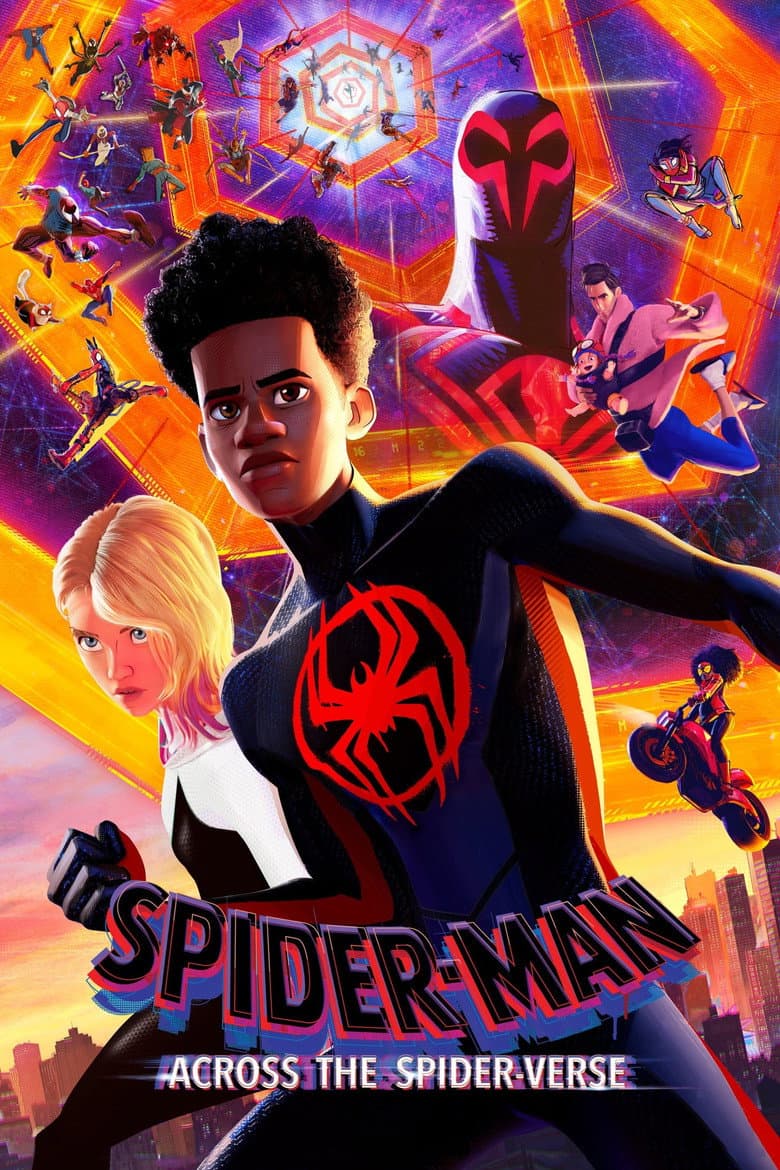
This animated superhero movie follows Miles Morales, a teenager from Brooklyn who is also Spider-Man. Miles meets a group of other Spider-Heroes from different worlds, called the Spider Society, who protect the multiverse from a new villain named Spot. But Miles gets into a big fight with the group's leader about how to save his father from a planned tragedy. The movie is full of fast-paced action, cool colors, and eye-popping animation. Normal viewers will easily notice several woke elements. Jessica Drew is changed into a pregnant black woman who rides a motorcycle into dangerous battles. Another hero, Spider-Punk, constantly makes jokes about hating cops, capitalism, and the government. Gwen Stacy's room has a protect trans kids poster, and her scenes use transgender flag colors to show her coming out to her dad. These political details stand out and feel very forced.
Community feedback
Was our 88% Woke rating accurate?
Breakdown
These are the editorial factors and ratings behind our score for Spider-Man: Across the Spider-Verse.
Woke representation / casting
The movie heavily emphasizes identity-based casting and diverse representation. Miles Morales is Afro-Latino, Miguel O'Hara is Irish-Mexican, and Pavitr Prabhakar is Indian. Margo Kess (Spider-Byte) is a black female tech expert. Jessica Drew (Spider-Woman) is cast as a black woman with an afro who is pregnant. The inclusion of a background LGBTQ+ "Protect Trans Kids" poster and a trans flag pin on Gwen's dad's uniform add more woke weight to the casting and visual design.
68%
Woke political dialogue
Political dialogue is highly visible, mainly through the character Hobie Brown (Spider-Punk). He frequently rants against authority, the government, and police. He mocks other heroes for enlisting in "wars" they do not understand and calls a dimensional portal a "metaphor for capitalism." He also celebrates another hero's baby "taking a crap on the establishment." While restricted to one character, these explicit political talking points are hard to miss.
20%
Identity-driven story themes
The film heavily leans into LGBTQ+ subtext and coming-out allegories. Gwen Stacy's story is widely recognized as a trans allegory. She hides her secret life as a Spider-Hero from her police officer father. In her dimension, the color scheme shifts to pastel pink, white, and blue (the trans flag colors) during her emotional confession to him. Her bedroom also displays a "Protect Trans Kids" flag. These visual and thematic details strongly emphasize modern queer activism.
70%
Western institutional / cultural critique
The Spider Society is framed as a rigid, oppressive, and uncaring institution that forces compliance. The leader, Miguel, demands that members sacrifice individuals to preserve "the canon," which Miles fights against. Additionally, Hobie Brown attacks traditional structures by constantly preaching anti-capitalist, anti-government, and anti-police views. This creates a narrative that values rebellion against established systems and authority.
40%
Woke character or canon changes
Jessica Drew (Spider-Woman) is race-swapped from her traditional white comic-book counterpart to a black woman with a large afro. She is also written as heavily pregnant while riding a motorcycle and performing stunts in battle, which represents a modern focus on extreme female empowerment. Gwen Stacy's character is heavily coded as a trans ally or a trans individual, which deviates from her historical comic-book origins.
45%
Anti-woke backlash and complaints
The movie faced major backlash on social media and YouTube. Many viewers complained about the "Protect Trans Kids" poster in Gwen's room and the trans-colored lighting. Others criticized the race-swap of Jessica Drew and her fighting while pregnant, calling it silly and political. The backlash was so strong in real life that the movie was banned in several Middle Eastern countries, including the United Arab Emirates, due to the trans poster.
78%
Creator track record context
Stored creator scores show a mixed level of political focus. Producer Alonzo Ruvalcaba (75) has a strong history of making activist and LGBTQ+ content, and Kemp Powers (49) often focuses on race and activism. Peter Ramsey (44) and Justin K. Thompson (20) support representation-first design. These are balanced by non-political producers like Christina Steinberg (16) and Avi Arad (13), leading to a moderate overall score.
36%
Production
Movie · 2018
Struggling to find his place in the world while juggling school and family, Brooklyn teenager Miles Morales is unexpectedly bitten by a radioactive spider and develops…
Movie · 2018
Earth is peaceful following the Tournament of Power. Realizing that the universes still hold many more strong people yet to see, Goku spends all his days training to reach even…
Movie · 2018
All the major DC superheroes are starring in their own films, all but the Teen Titans, so Robin is determined to remedy this situation by getting over his role as a sidekick and…

Movie · 2024
The untold origin story of Optimus Prime and Megatron, better known as sworn enemies, but once were friends bonded like brothers who changed the fate of Cybertron forever.
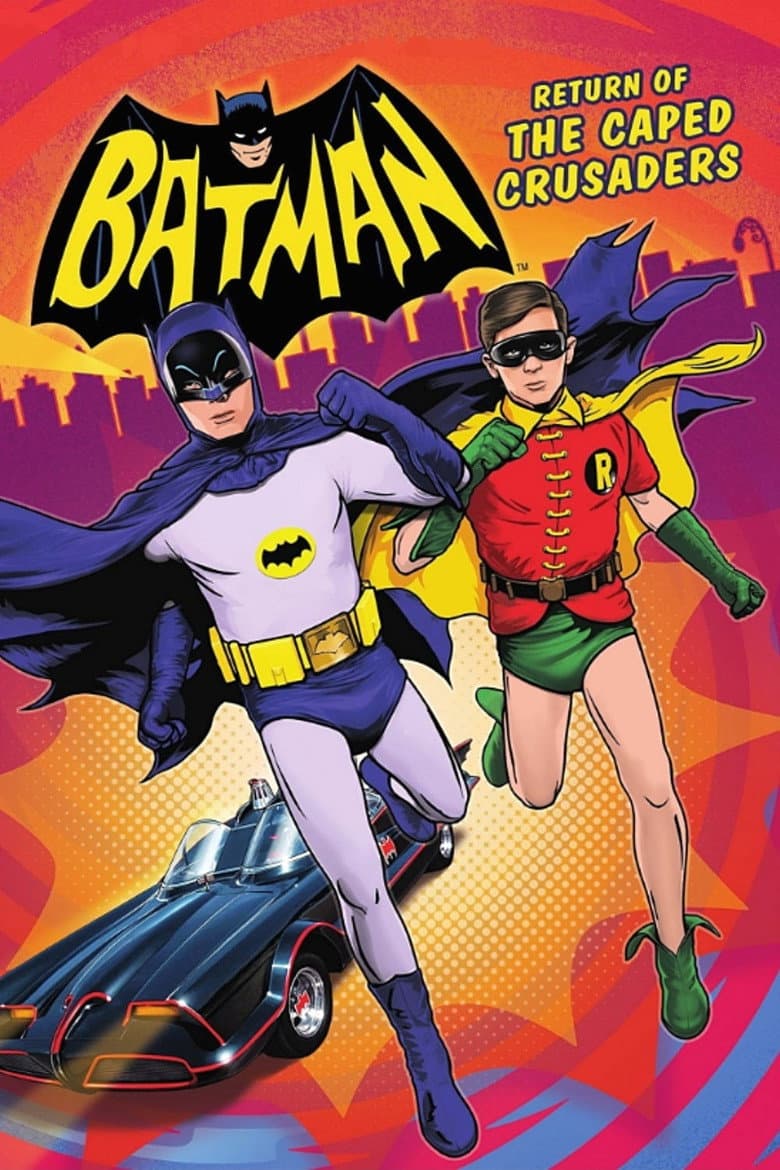
Movie · 2016
Adam West and Burt Ward returns to their iconic roles of Batman and Robin. The film sees the superheroes going up against classic villains like The Joker, The Riddler, The Penguin…
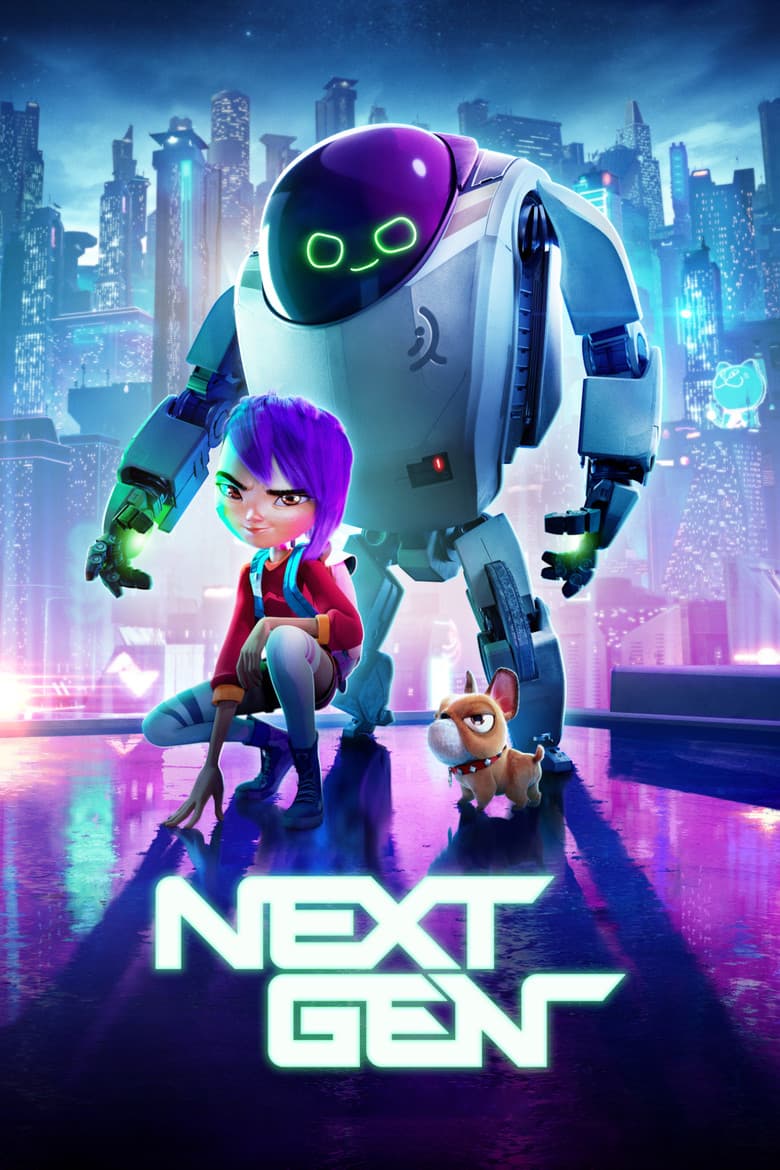
Movie · 2018
A friendship with a top-secret robot turns a lonely girl's life into a thrilling adventure as they take on bullies, evil bots and a scheming madman.
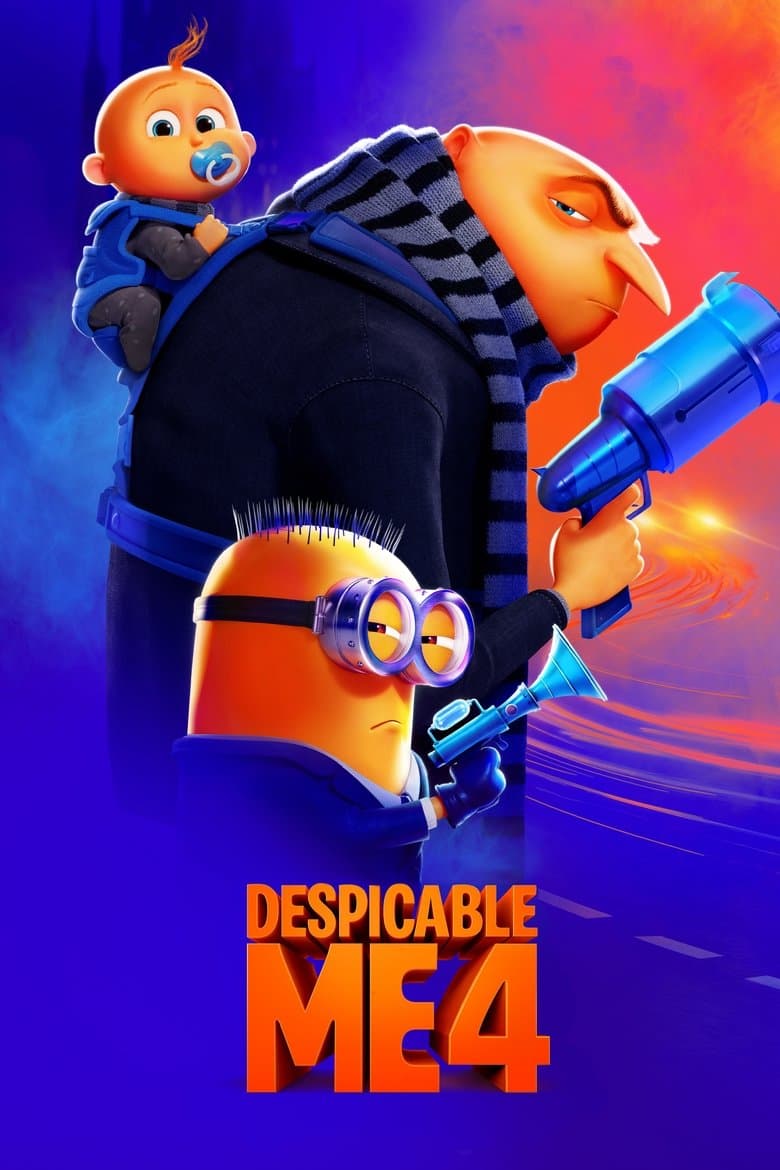
Movie · 2024
Gru and Lucy and their girls—Margo, Edith and Agnes—welcome a new member to the Gru family, Gru Jr., who is intent on tormenting his dad.
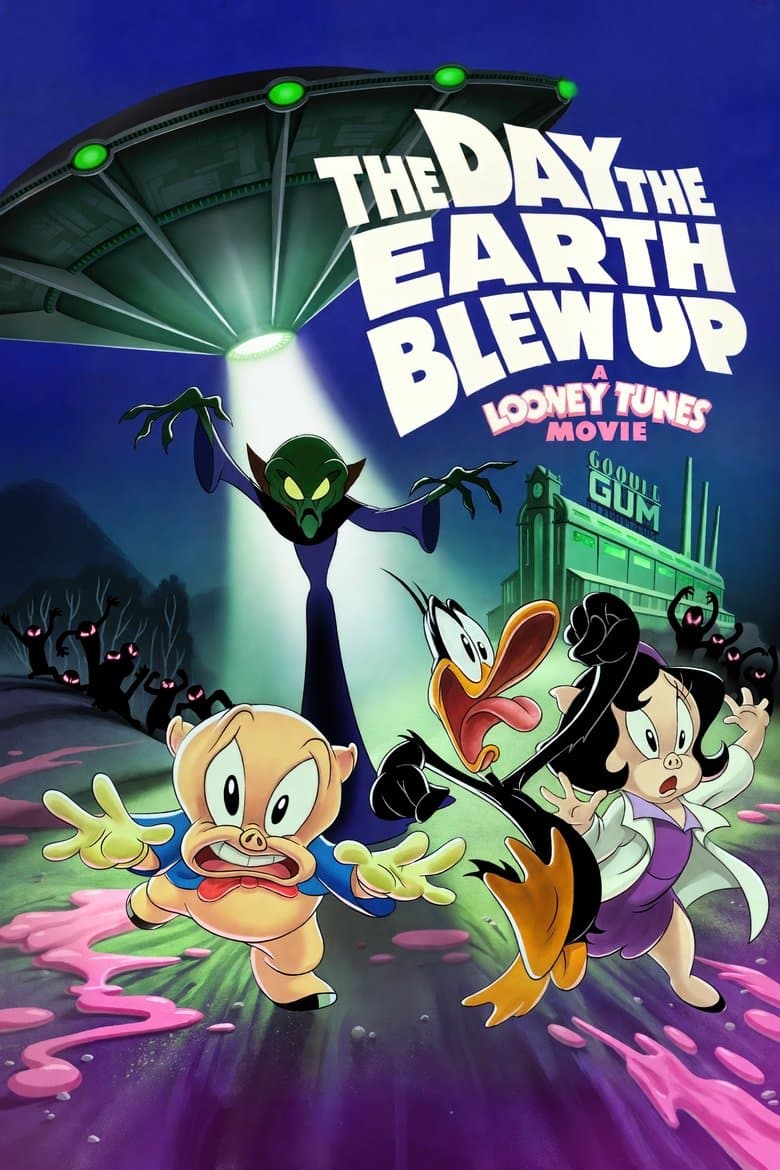
Movie · 2024
Porky and Daffy, the classic animated odd couple, turn into unlikely heroes when their antics at the local bubble gum factory uncover a secret alien mind control plot.
