Movie review
November 22, 2024 · 111 min · PG · Kids · Fantasy · Animation · Comedy · Adventure · Family
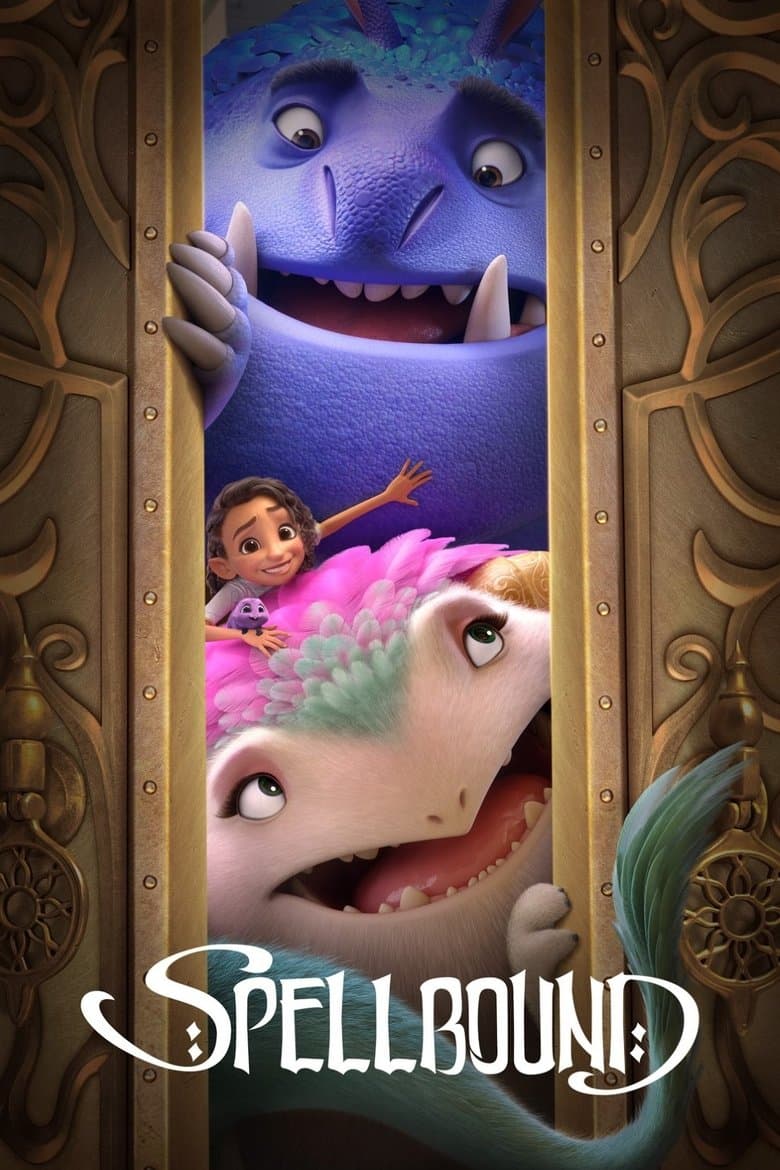
Spellbound follows Ellian, a fifteen-year-old princess in the magical kingdom of Lumbria. Her parents have become wild monsters after their constant fighting, so she must hide them, protect the kingdom, and search for a cure. The journey takes her through a dark forest, a strange desert, and the Lake of Light. The film uses bright animation, songs, jokes, and scary magic, but its main mood is serious and emotional.
The film’s clearest modern message is that Ellian’s parents can end their marriage and still love her and rule together. The story asks viewers to accept divorce as a new family life instead of restoring the old marriage. The two male Oracles, Sunny and Luno, are shown as a couple who live and work together, but their relationship is a small side part of the adventure. Ellian is a highly capable young female ruler, and her main lesson is that she is not responsible for fixing her parents’ choices.
Community feedback
Was our 37% Woke rating accurate?
Breakdown
These are the editorial factors and ratings behind our score for Spellbound.
Woke representation / casting
The film gives two male supporting characters, Sunny and Luno, a visible romantic partnership. Sunny and Luno receive songs, jokes, and a short quest role, so the choice is easy to notice. The main voice cast also includes Black, Latino, Spanish, and White performers in important roles. The film does not present the cast as part of a larger identity campaign, so the signal remains mild.
24%
Woke political dialogue
Not present. The characters do not give speeches about elections, parties, laws, or current political causes. The film stays focused on magic and family conflict.
0%
Identity-driven story themes
The film makes parental separation the main lesson. Ellian learns that her parents can divorce, live apart, and still raise her with love. The ending treats this new family shape as a happy way forward instead of restoring the marriage. Sunny and Luno add a small same-sex couple, but their relationship does not drive the plot.
34%
Western institutional / cultural critique
The film treats a broken marriage as something that may end without making either parent a villain. The story shows separate homes and shared parenting as a healthy family outcome. Ellian’s parents decide that staying together would keep hurting the family. The movie does not attack churches, men, capitalism, or other Western institutions, so this remains a narrow family message.
30%
Woke character or canon changes
Not relevant. The film tells an original fairy-tale story. It does not change a known character, earlier canon, or real historical event.
0%
Anti-woke backlash and complaints
A small group of parents and right-leaning reviewers said the film normalizes or glorifies divorce for children. Some critics also objected to the two male Oracles being shown as a couple. A few small social posts called the movie woke and urged families to skip it because of its message or Rachel Zegler’s politics. The reaction had little reach, and no large boycott or organized campaign appeared.
15%
Creator track record context
Vicky Jenson’s stored profile shows support for authentic racial representation, inclusive creative leadership, and discussion of bias and misogyny in Hollywood. Linda Woolverton’s stored profile points to feminist themes in strong female characters, while John Lasseter has supported more female and ethnic characters. Most other listed creators have no clear activist record in the stored research. This gives the title some supporting context, but it does not show a team-wide activist pattern.
29%
Production
Movie · 2017
A small but brave donkey and his animal friends become the unsung heroes of the greatest story ever told: the first Christmas.
Movie · 2022
Puss in Boots discovers that his passion for adventure has taken its toll: He has burned through eight of his nine lives, leaving him with only one life left.
Movie · 2019
It's been ten years since the dragons moved to the Hidden World, and even though Toothless doesn't live in New Berk anymore, Hiccup continues the holiday traditions he once shared…
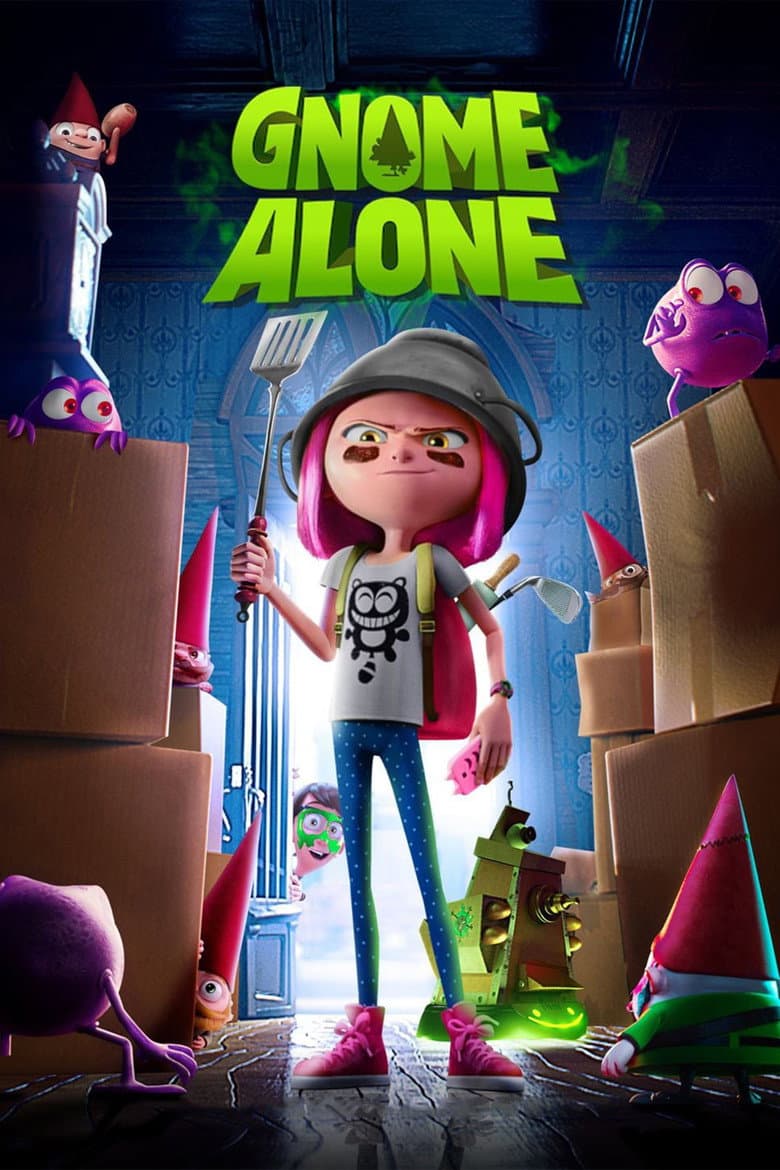
Movie · 2017
When Chloe discovers that her new home's garden gnomes are not what they seem, she must decide between the pursuit of a desired high school life and taking up the fight against…
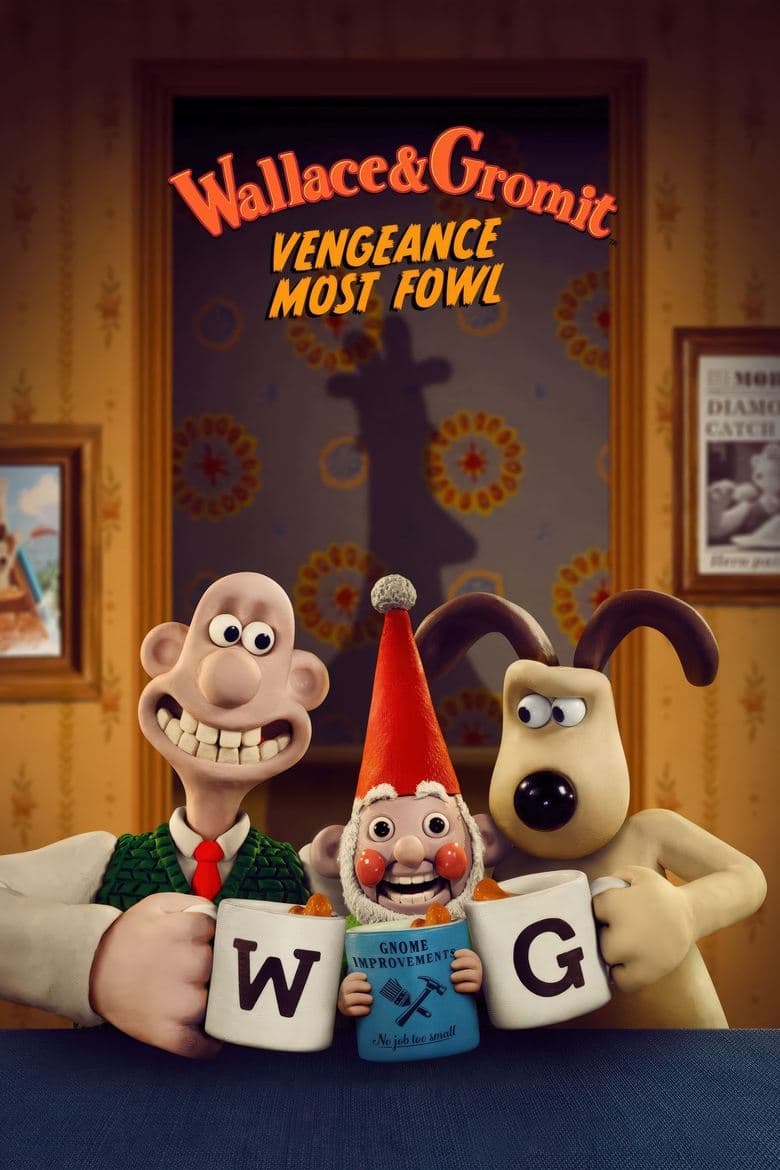
Movie · 2024
Gromit’s concern that Wallace is becoming too dependent on his inventions proves justified, when Wallace invents a “smart” gnome that seems to develop a mind of its own.

Movie · 2024
Garfield, the world-famous, Monday-hating, lasagna-loving indoor cat, is about to have a wild outdoor adventure!
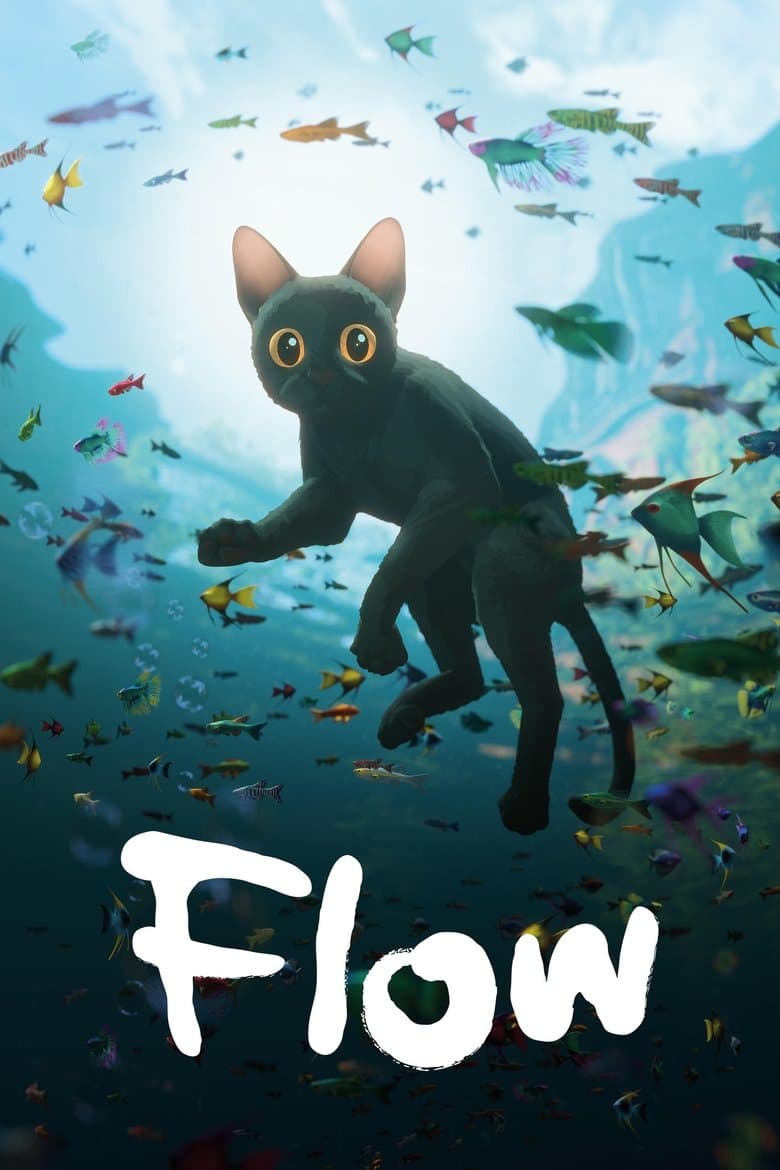
Movie · 2024
A solitary cat, displaced by a great flood, finds refuge on a boat with various species and must navigate the challenges of adapting to a transformed world together.
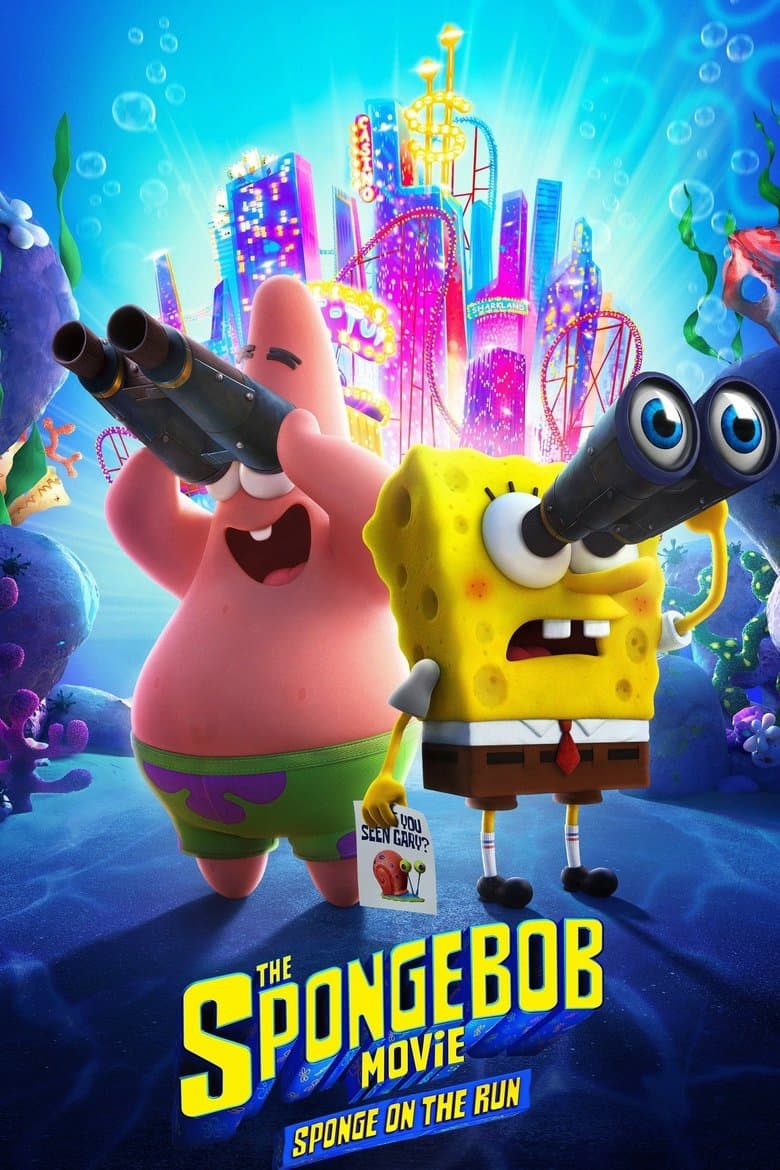
Movie · 2020
When his best friend Gary is suddenly snatched away, SpongeBob takes Patrick on a madcap mission far beyond Bikini Bottom to save their pink-shelled pal.
