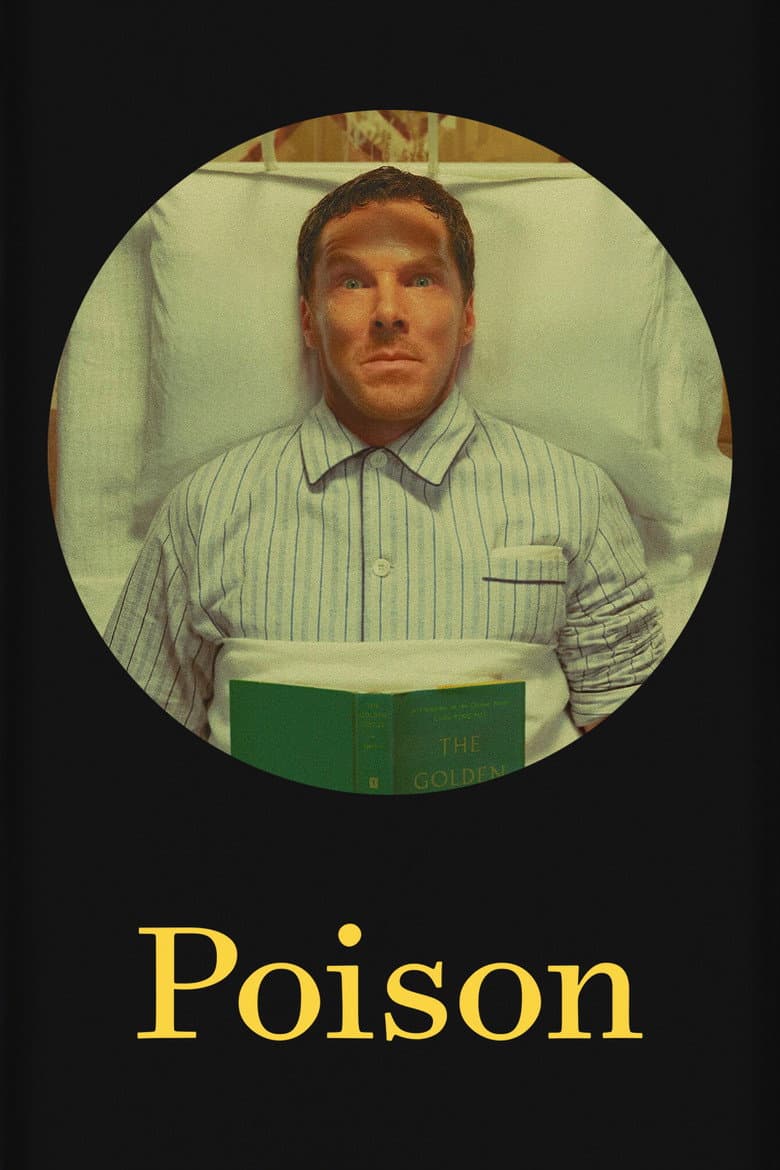
Poison follows Harry Pope, an English officer in colonial India who lies still in bed because he thinks a deadly krait is resting on his stomach. His friend Timber Woods races to bring Dr. Ganderbai, an Indian doctor who tries to save Harry with medicine and chloroform. The men work in a tight room while Harry grows more frightened and angry. The short begins as a tense, strange comedy and ends as a dark shock.
Poison gives Woods, the main narrator, to Dev Patel, even though the older story presents Woods as a white British man. The film shows Harry depending on two Indian men while he keeps the power of an English officer. When the snake is gone, Harry answers the doctor’s calm question with racist abuse. The ending treats that hatred as the real poison, so the identity-driven message is clear but mostly saved for the final turn.
Community feedback
Was our 33% Woke rating accurate?
Breakdown
These are the editorial factors and ratings behind our score for Poison.
Woke representation / casting
The film gives Dev Patel the major narrator role of Timber Woods in a colonial India story. The older story presents Woods as a white British man, but the film gives him no South Asian backstory. Ben Kingsley’s Indian doctor role fits the setting and period. The visible race change is important because Woods carries most of the spoken story, but it is one main casting choice.
30%
Woke political dialogue
Not present. The film uses racist insults, but it has no modern political talk about activism, DEI, or policy. The dialogue stays inside the colonial-era emergency.
0%
Identity-driven story themes
The film treats racism as more than background. Harry is the powerful English officer, while Woods and Ganderbai do the work of saving him. Harry then attacks the Indian doctor with racist insults after the snake is gone. The ending makes prejudice the story’s real poison, so the identity-driven message is substantial but concentrated in the final turn.
35%
Western institutional / cultural critique
Not present. The film shows British rule and a racist officer, but it does not attack modern Western institutions, religion, family life, or current social systems. Its criticism stays with Harry’s conduct in a historical setting.
0%
Woke character or canon changes
The film changes the source story’s identity framing in visible ways. It casts Dev Patel as Woods, a major narrator whom the older story presents as a white British man. It also changes the last exchange so Ganderbai rejects Woods’s claim that Harry owes him his life. These changes sharpen the anti-racist ending, but they remain limited to the casting and final scene.
30%
Anti-woke backlash and complaints
Not present. The supplied X research found no anti-woke reaction or named complaint. Web and fan discussions mostly praised the short or discussed its racism, colonial setting, style, and ending. The wider Dahl book-editing dispute was not a Poison-specific anti-woke campaign.
0%
Creator track record context
Wes Anderson has a stored score of 6/100 and no recorded identity advocacy. Roald Dahl has a stored score of 9/100, with the known record focused on anti-Semitic remarks rather than left-wing activism. Jennifer Furches and Jeremy Dawson have scores of 5 and 9, while Steven M. Rales has 22, with no stored activist link to this film. Anderson also said he kept the story’s dated language and opposed changing Dahl’s books. The track record is low, even though this short has an anti-racist ending.
10%
Production
