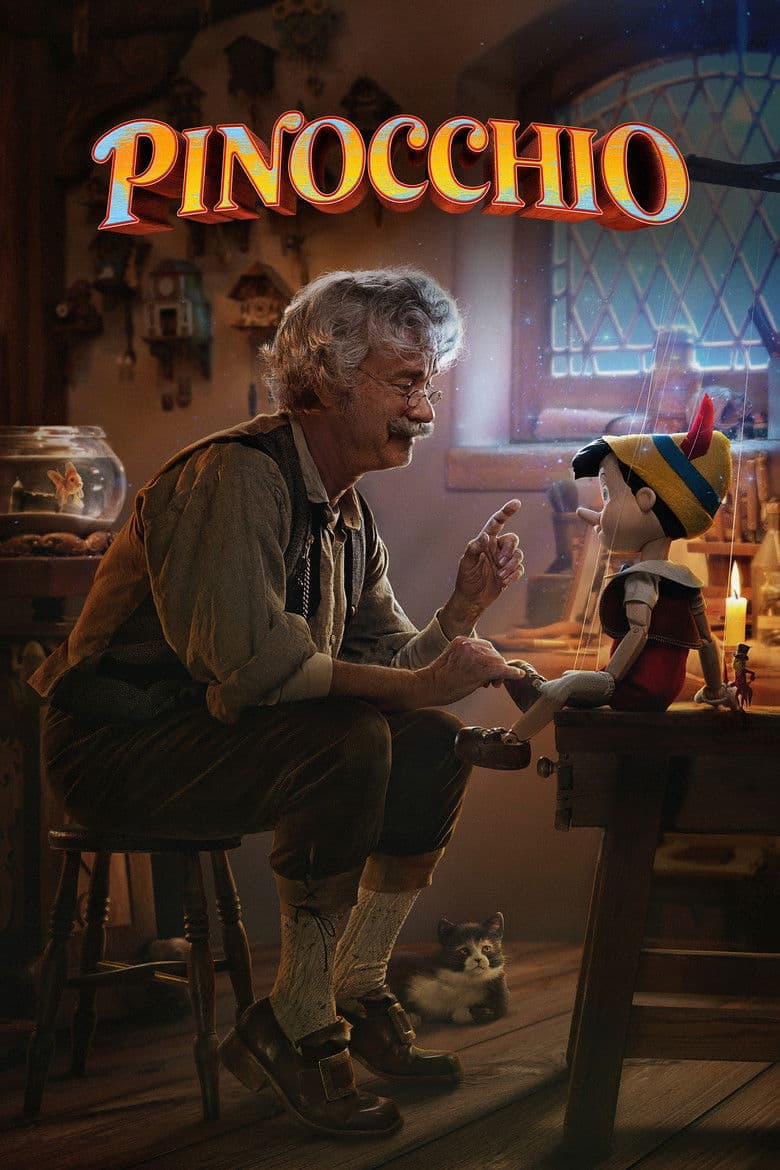
This is a live-action version of the classic 1940 fantasy movie. A wooden puppet goes on an adventure to try and become a real boy. The film includes very visible identity elements. The Blue Fairy is changed to a bald black woman. A new disabled female character is added to show girl power. The ending changes the story so the puppet does not turn into a human, focusing on modern self-acceptance themes instead.
Community feedback
Was our 74% Woke rating accurate?
Breakdown
These are the editorial factors and ratings behind our score for Pinocchio.
Woke representation / casting
The movie has very obvious casting choices meant to show diversity. The Blue Fairy is played by Cynthia Erivo, a bald black actress. In the original 1940 cartoon, she was a white woman with blonde hair. Many viewers saw this as a forced change. The movie also adds a new female character named Fabiana. She is a disabled, mixed-race puppet worker. She was made just for this film to add more female presence, which felt unnatural to many people.
55%
Woke political dialogue
There is almost no political talk in the movie. The characters do not speak about modern political issues. They do not lecture the audience. Some lines talk about being true to yourself. However, these lines do not cross into modern left-wing political speech.
10%
Identity-driven story themes
The film changes the main lesson of the original story. In the classic version, Pinocchio must earn the right to be a real boy by being good and brave. In this version, he never actually turns into a human. Instead, Geppetto tells him that he is perfect just the way he is. Many viewers and critics felt this promoted modern self-identity ideas. They saw it as a message that you can just declare who you are without having to earn it or change.
45%
Western institutional / cultural critique
The movie does not criticize Western institutions, capitalism, or traditional values. It makes a few small changes, like making Pleasure Island gender-neutral so girls can go there too. In the old film, it was only for bad boys. This change is minor and does not hurt core Western traditions or values in a major way.
5%
Woke character or canon changes
There are big changes to the classic characters and story. The Blue Fairy was changed from a blonde white fairy to a bald black woman. A new disabled female character named Fabiana was added. Pleasure Island was changed to include girls. Most importantly, Pinocchio does not turn into a real boy at the end. Geppetto just tells him he is a real boy anyway. This removed the original moral ending of the story.
65%
Anti-woke backlash and complaints
Many online viewers and conservative critics were very unhappy with this remake. They complained about the race-swapped Blue Fairy. They also strongly disliked the new ending. Critics argued that Disney removed the Christian themes of moral growth, death, and rebirth. They said Disney replaced those values with modern ideas about self-identity.
70%
Creator track record context
The creators have a mixed history. Cinematographer Don Burgess, who is credited as the director here, has a score of 0. Writers Robert Zemeckis and Chris Weitz have low scores of 24 and 29. However, producer Paul Weitz has a high score of 75 for his progressive work. Casting director Scot Boland has a score of 50 for working on LGBTQ+ films.
32%
Production
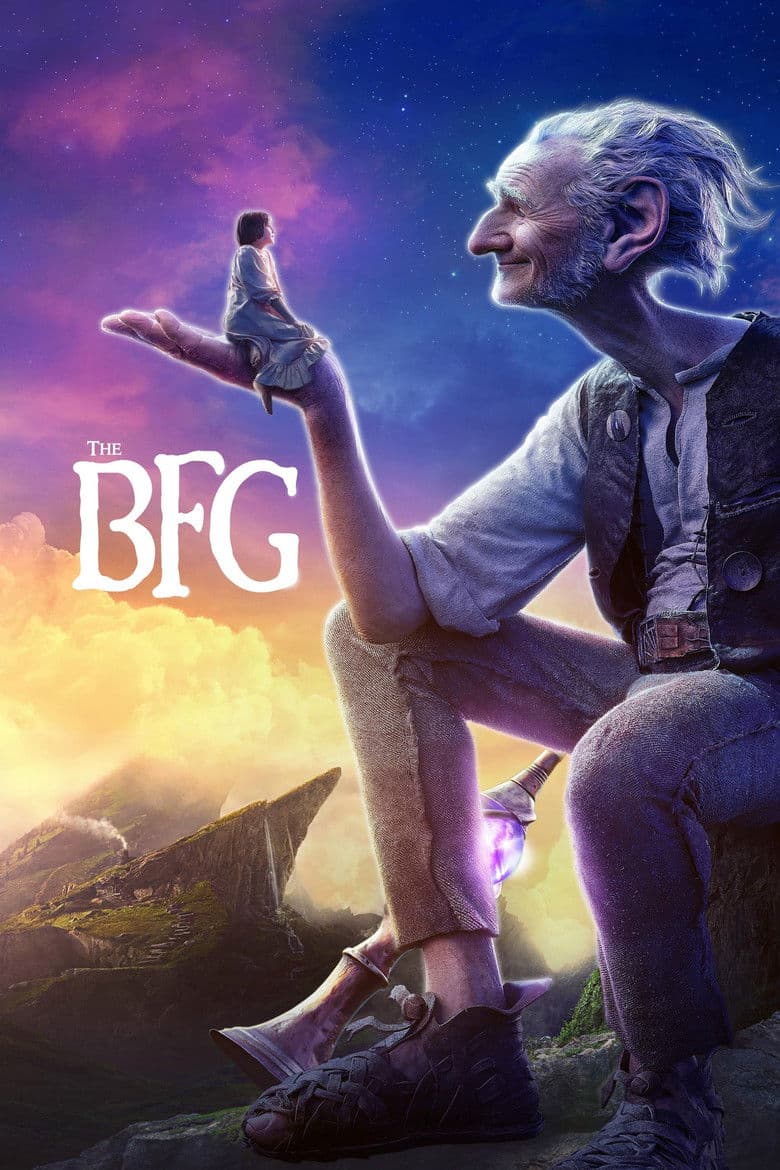
Movie · 2016
An orphan little girl befriends a benevolent giant who takes her to Giant Country, where they attempt to stop the man-eating giants that are invading the human world.
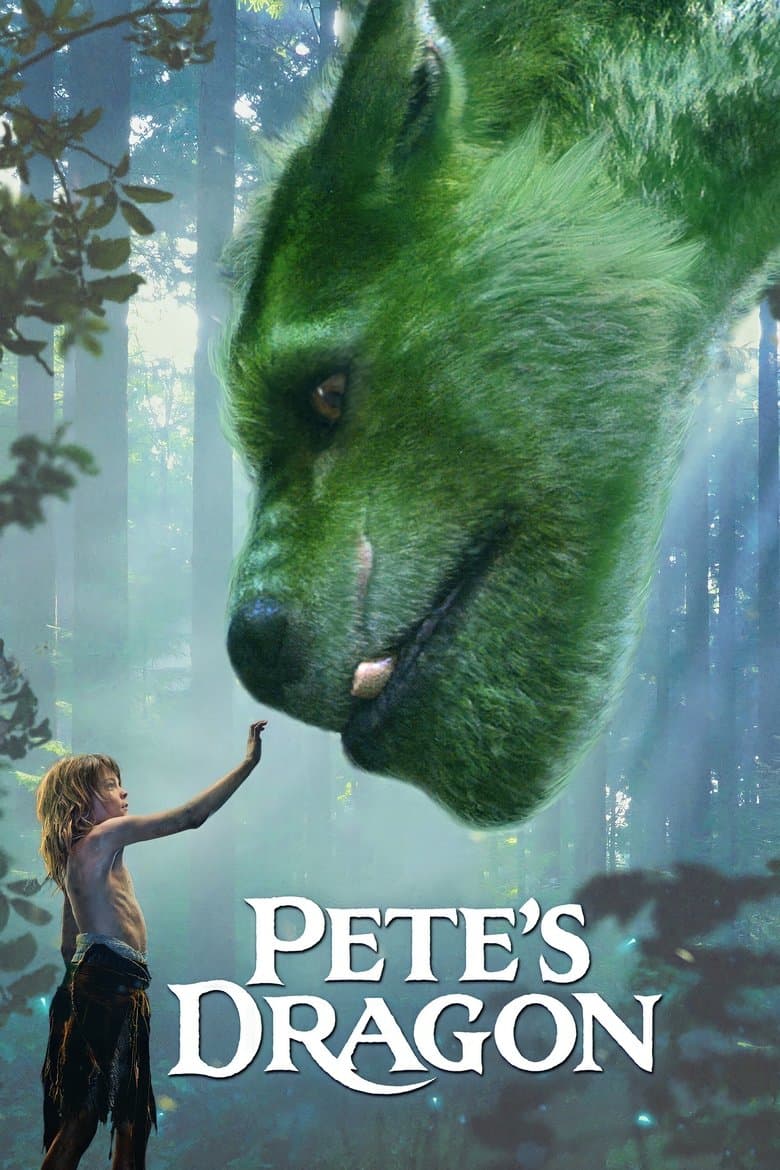
Movie · 2016
For years, old wood carver Mr. Meacham has delighted local children with his tales of the fierce dragon that resides deep in the woods of the Pacific Northwest.
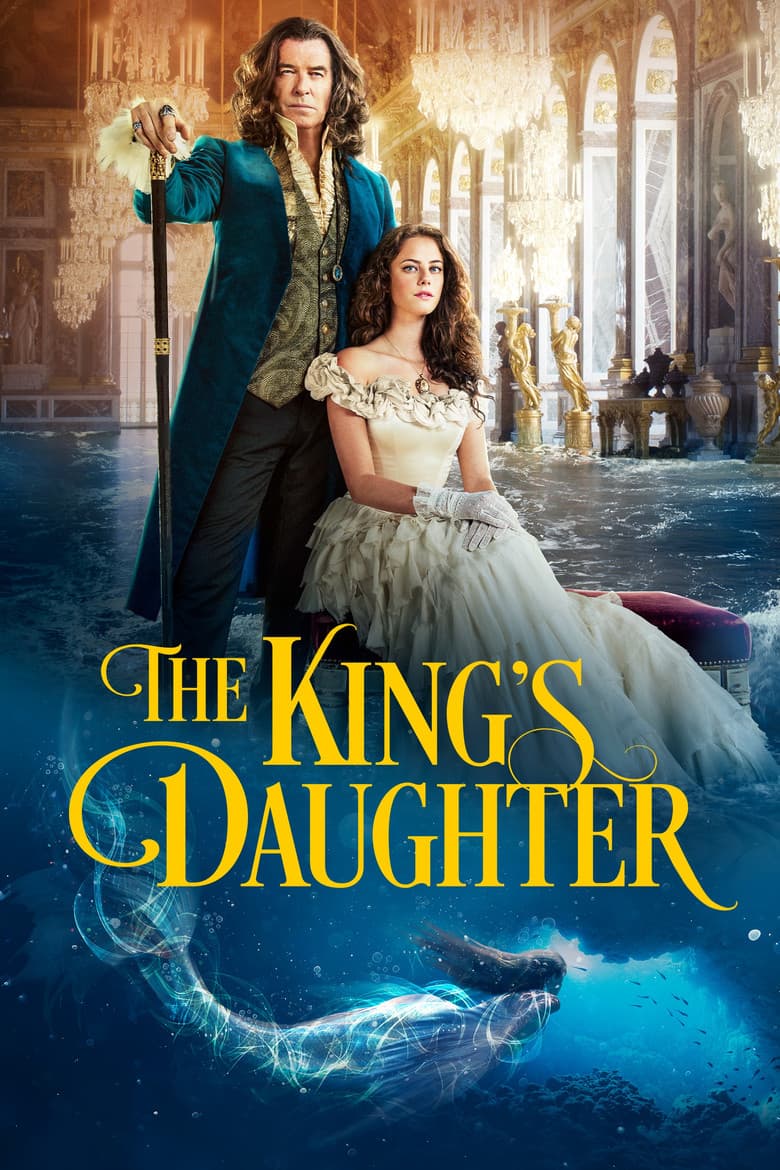
Movie · 2022
King Louis XIV's quest for immortality leads him to capture and steal a mermaid's life force, a move that is further complicated by his illegitimate daughter's discovery of the…
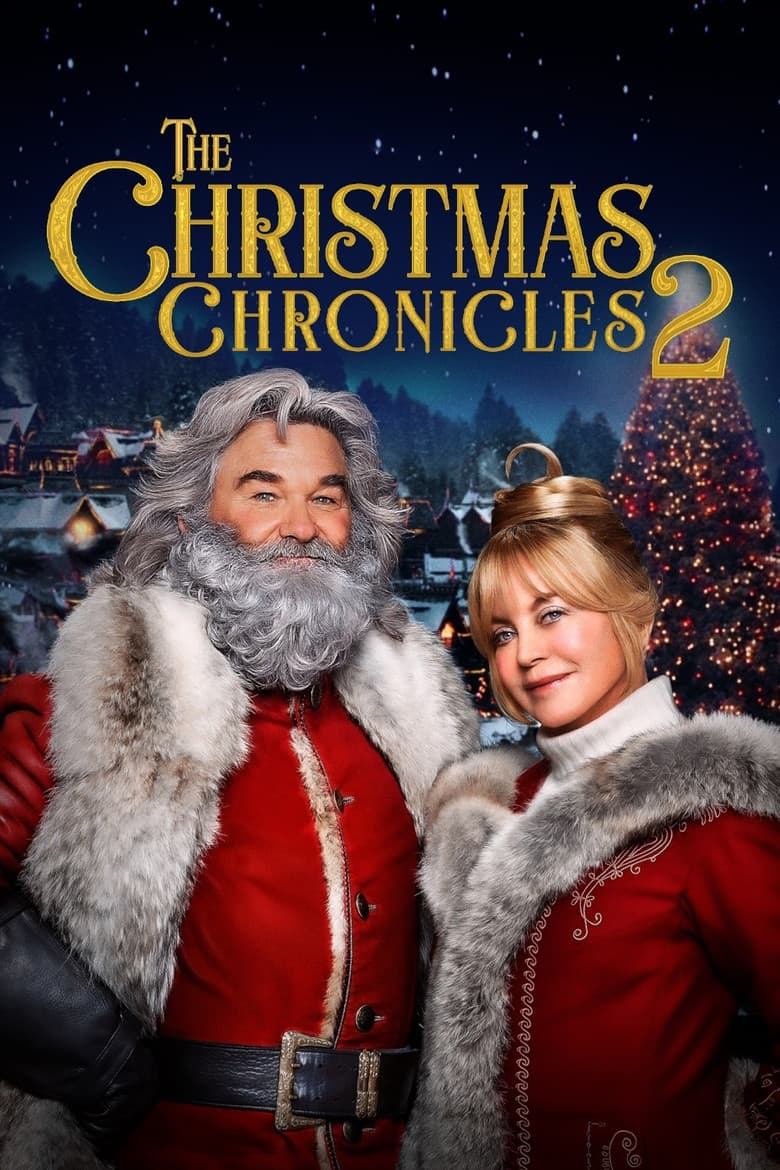
Movie · 2020
Kate Pierce is reluctantly spending Christmas with her mom’s new boyfriend and his son Jack. But when the North Pole and Christmas are threatened to be destroyed, Kate and Jack…
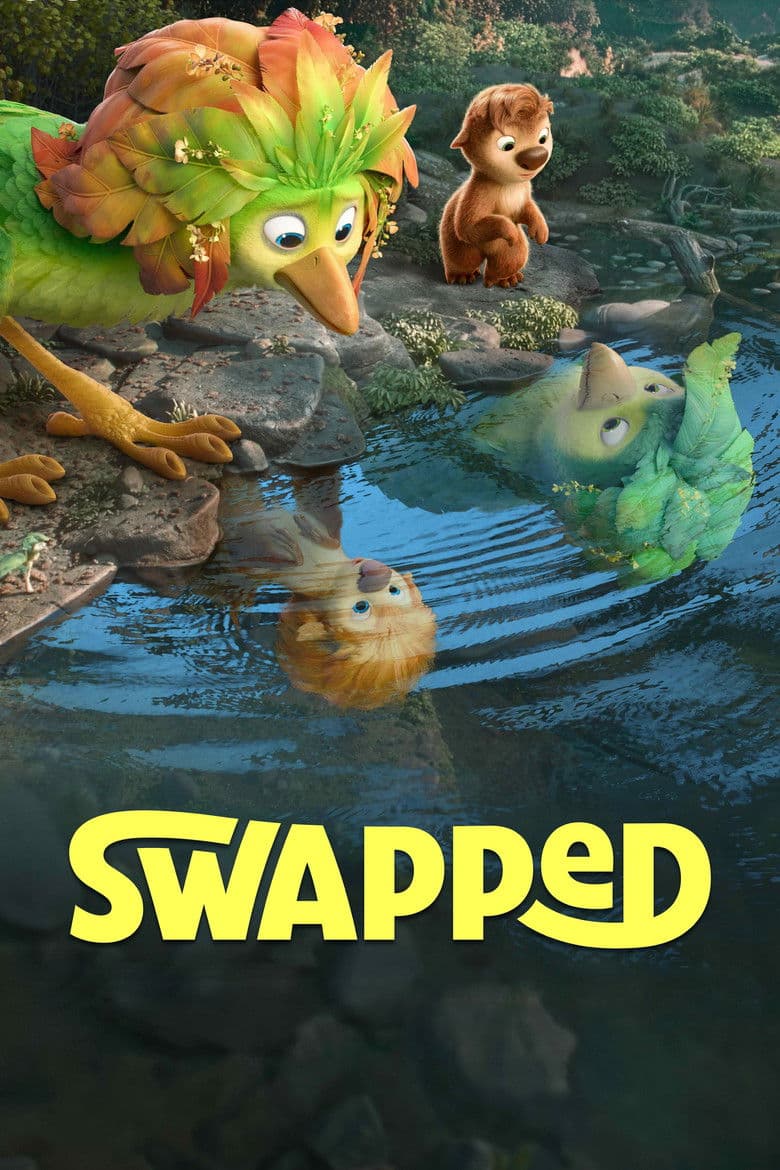
Movie · 2026
A small woodland creature and a majestic bird, two natural sworn enemies of the Valley, magically trade places and set off on an adventure of a lifetime to switch back.
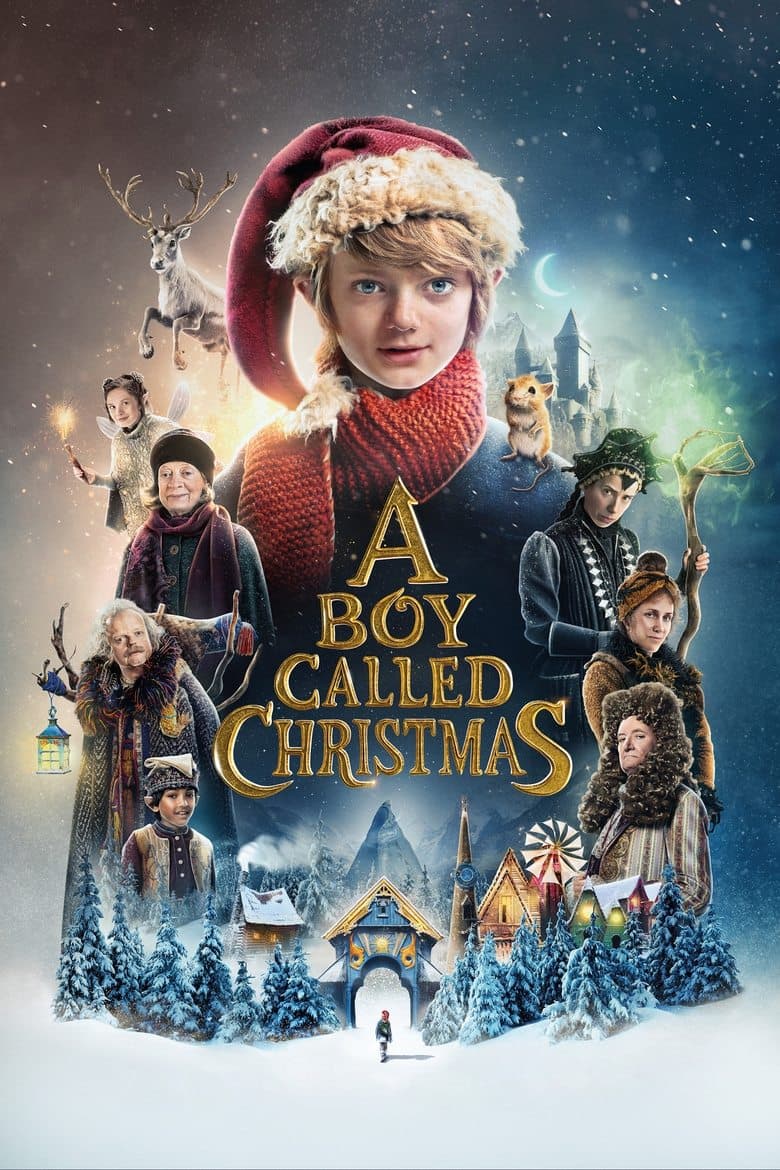
Movie · 2021
An ordinary young boy called Nikolas sets out on an extraordinary adventure into the snowy north in search of his father who is on a quest to discover the fabled village of the…
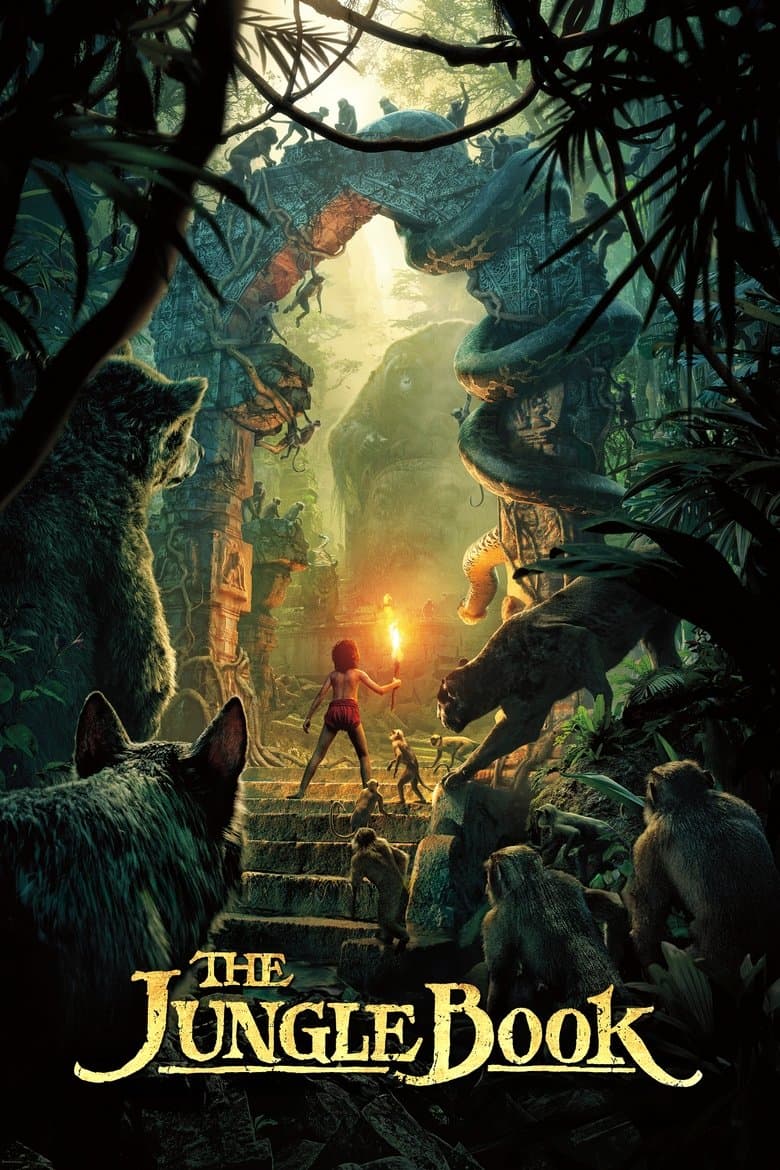
Movie · 2016
After a threat from the tiger Shere Khan, Mowgli, a man-cub fostered by wolves, is forced to flee the jungle, and he embarks on a journey of self-discovery with the help of the…
Movie · 2020
Fueled by memories of her mother, resourceful Fei Fei builds a rocket to the moon on a mission to prove the existence of a legendary moon goddess.
