Movie review
September 30, 2022 · 102 min · R · Fantasy · Mystery · Thriller
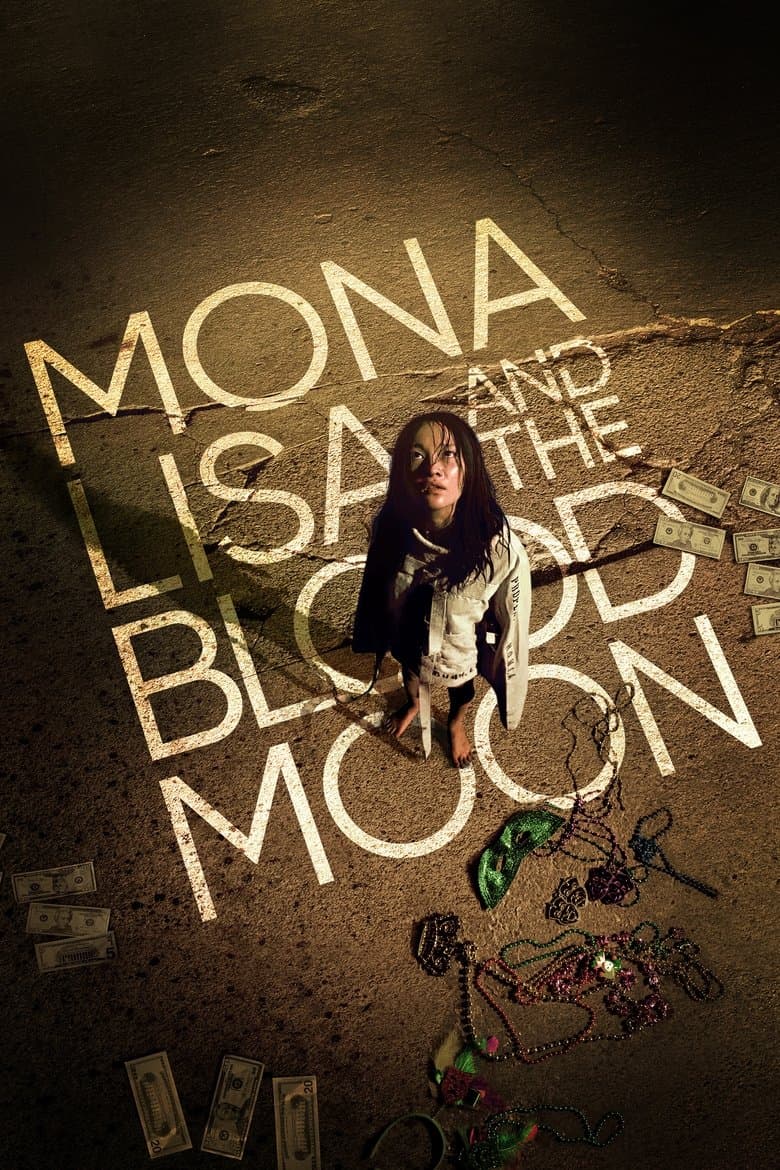
Mona Lisa Lee is a young North Korean woman who has spent years locked inside a Louisiana mental hospital. She uses a strange power to control other people's bodies and escapes into the neon streets of New Orleans. A struggling stripper named Bonnie takes her in and sees a chance to make money. The film feels like a dark, wild fairy tale with crime, violence, strange humor, and a tender friendship at its center.
The film gives much of its attention to a woman's fight for freedom and control over her own life. Mona uses a power usually linked to physical strength, guns, and money, while Bonnie uses her to rob rude male customers and ATM users. The story also shows an abused mental hospital, police pressure, poverty, and a moment in which officers mistake another Asian woman for Mona. These ideas matter throughout the escape, but the movie remains more focused on outsider friendship, survival, and neon fantasy than on a direct political message.
Community feedback
Was our 41% Woke rating accurate?
Breakdown
These are the editorial factors and ratings behind our score for Mona Lisa and the Blood Moon.
Woke representation / casting
Not present. The film uses a Korean lead, a black police officer, and white local characters in modern New Orleans. The story does not present this cast mix as a diversity message.
0%
Woke political dialogue
Not present. The dialogue centers on escape, money, crime, police pressure, and friendship. No recurring speech or line pushes modern identity politics, DEI, or activist ideas.
0%
Identity-driven story themes
The story centers on Mona’s fight to escape years of abuse and control. Bonnie uses Mona’s power to take money from rude male customers and ATM users. Mona later rejects Bonnie’s control and chooses her own path. These scenes make female freedom, survival, and outsider status important themes, but the film also spends much of its time on friendship, crime, and fantasy.
50%
Western institutional / cultural critique
The mental hospital is shown as a cruel place that abuses Mona and fails to protect her. The police chase Mona and mistake another Asian woman for her at the airport. The strip-club scenes show male customers acting as entitled and violent toward Bonnie. These criticisms recur around the escape, but the film does not attack Christianity or make a broad argument about Western society.
42%
Woke character or canon changes
Not relevant. The film is an original story with no established character, franchise canon, or real historical figure being changed.
0%
Anti-woke backlash and complaints
Not present. The supplied X pass found no anti-woke reaction. Other coverage found no clear complaints that the film pushes DEI, identity politics, or left-wing activism.
0%
Creator track record context
Amirpour often follows outsiders who resist systems and search for freedom. Amirpour has also rejected the label “female-led” and says she sees herself as an artist first. Producer Erika Olde has a stronger public record of supporting women and underrepresented filmmakers. The other listed producers and casting directors have limited public identity activism, so the overall creator context is mild.
25%
Production
Movie · 2018
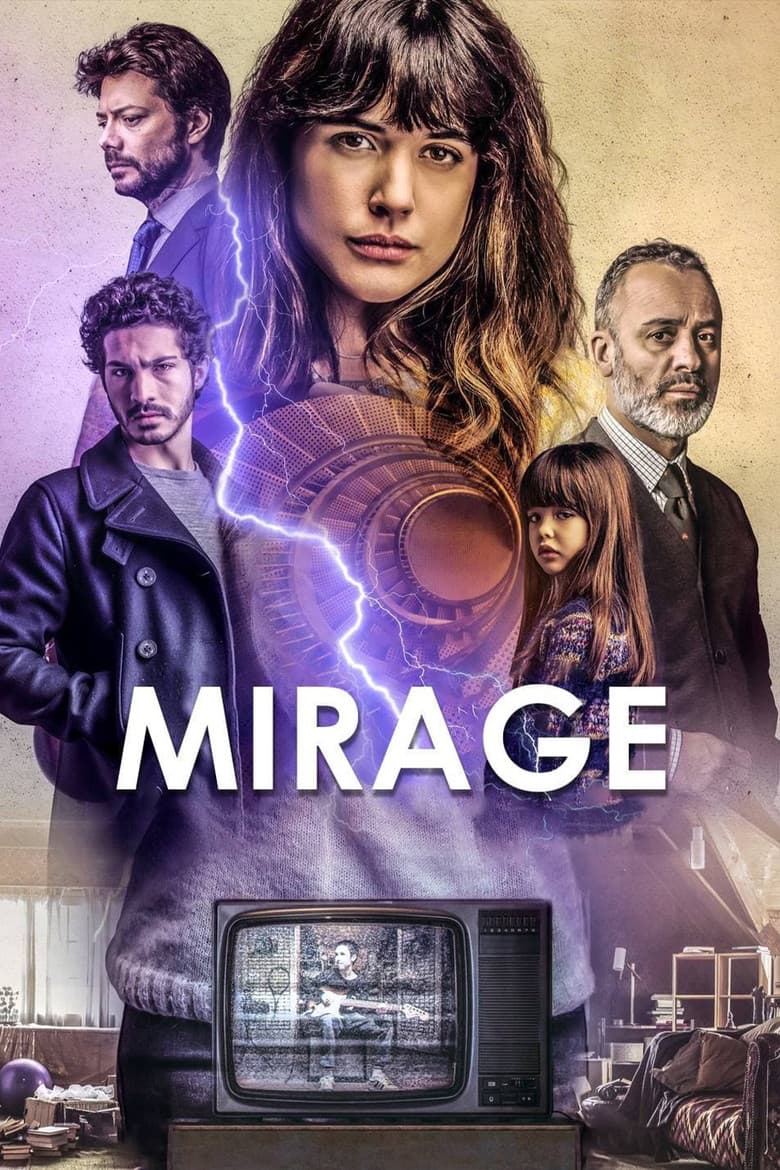
During a mysterious thunderstorm, Vera, a young mother, manages to save a life in danger, but her good deed causes a disturbing chain of unexpected consequences.
Movie · 2018
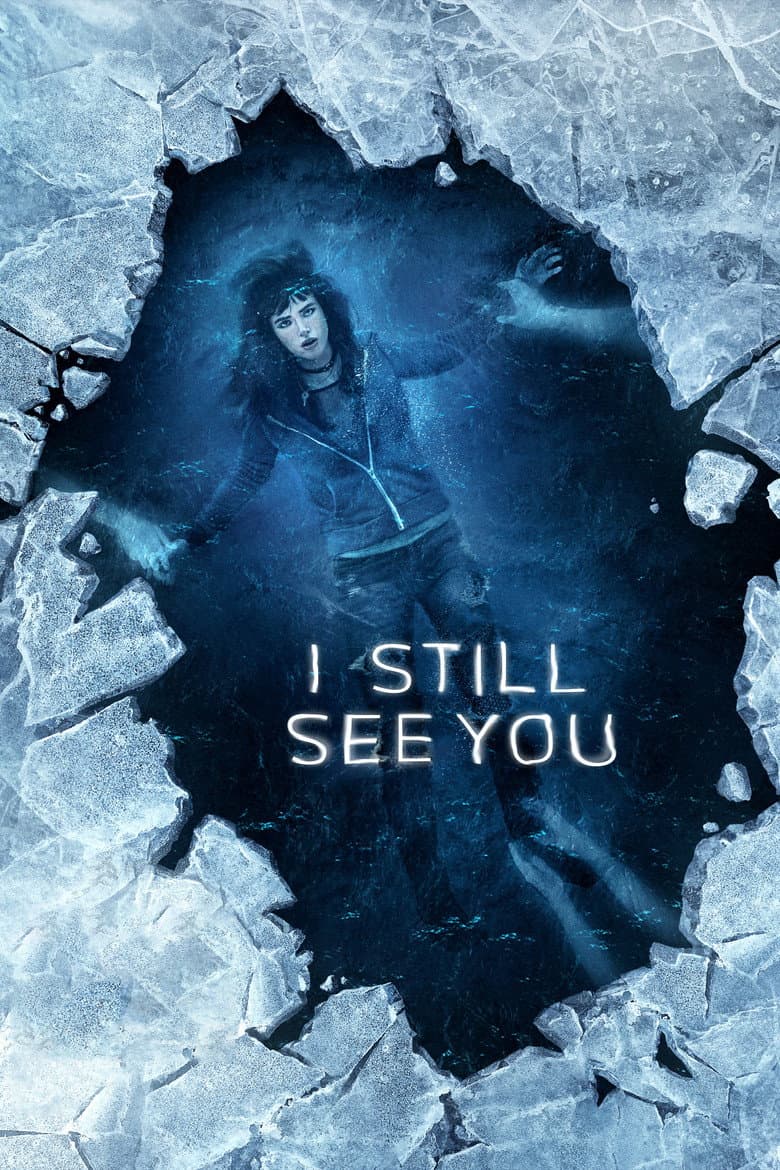
Ten years after an apocalyptic event left the world haunted by ghosts, Veronica 'Ronnie' Calder receives a threatening message from beyond the grave.
Movie · 2020
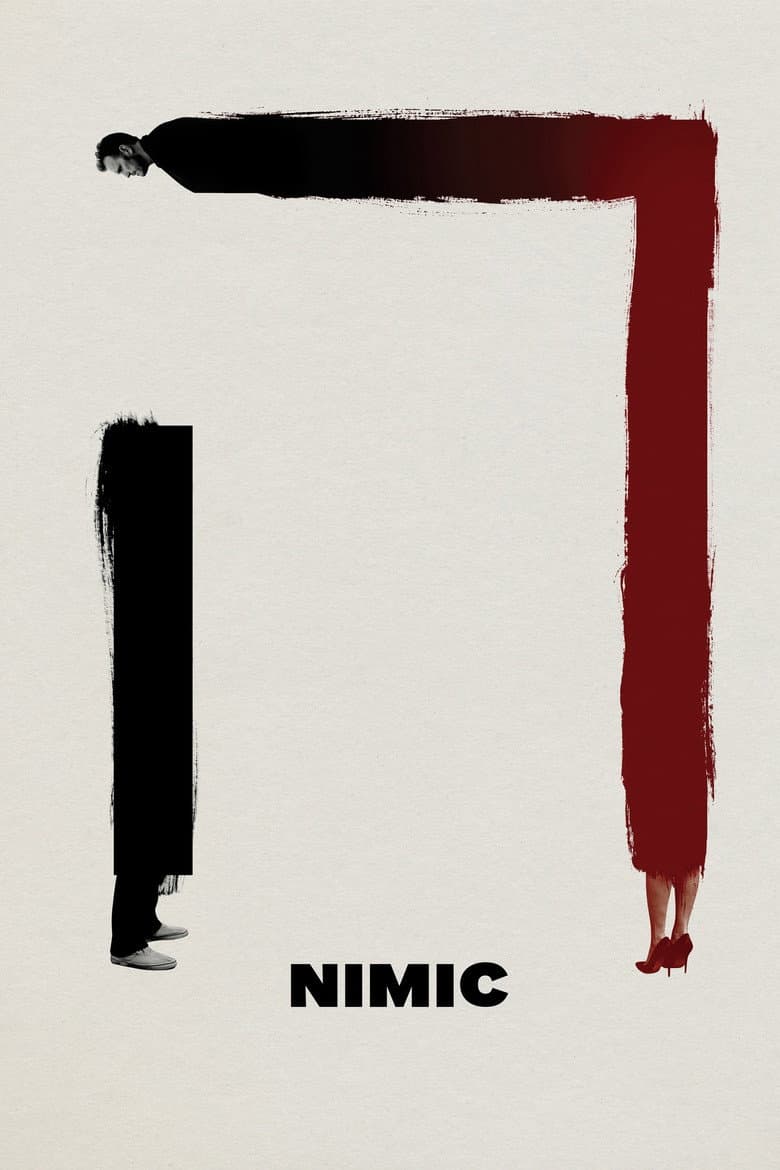
A professional cellist has an encounter with a stranger on the subway which has unexpected and far-reaching ramifications on his life.
Movie · 2022
When the CIA discovers one of its agents leaked information that cost more than 100 people their lives, veteran operative Henry Pelham is assigned to root out the mole with his…
Movie · 2021
A psychiatrist, whose client commits suicide, finds his family life disrupted after introducing her surviving brother to his wife and daughter.
Movie · 2019
Three lighthouse keepers on an uninhabited island off the coast of Scotland discover something that isn't theirs to keep.
Movie · 2020
A young boy must discover the origins of his extraordinary powers before he is captured by authorities hell-bent on condemning him for an accidental murder.
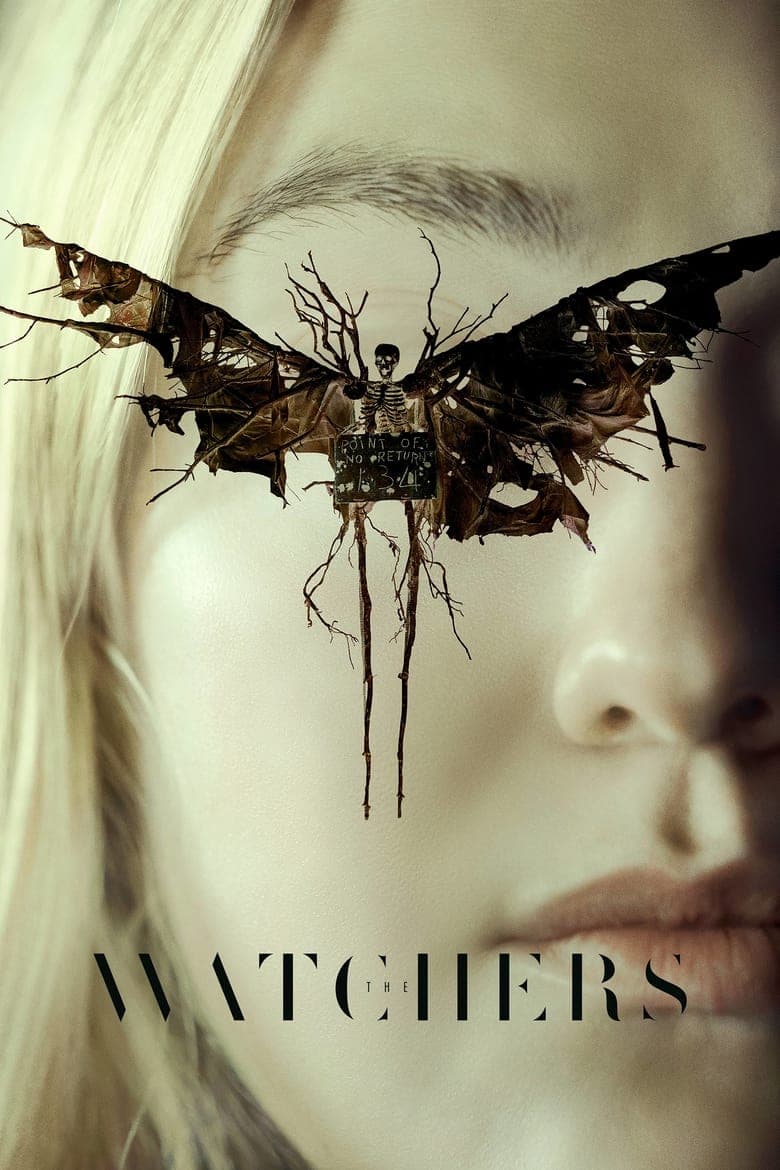
Movie · 2024
A young artist gets stranded in an extensive, immaculate forest in western Ireland, where, after finding shelter, she becomes trapped alongside three strangers, stalked by…
