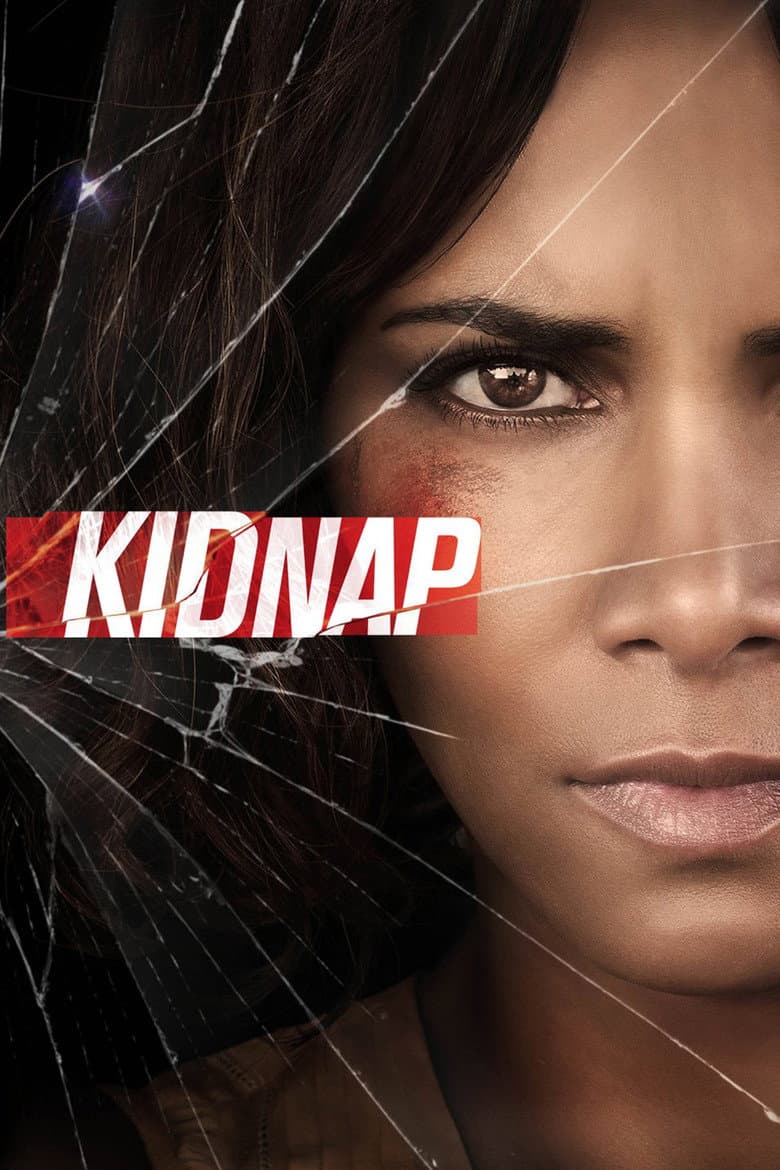
Karla Dyson is a working mother and waitress in Louisiana. She takes her six-year-old son, Frankie, to a busy fair, but a short phone call about her divorce and custody fight leaves him exposed. A woman drags Frankie into a green Mustang, and Karla follows in her red minivan. The chase becomes a rough, violent fight across roads, bridges, and a remote house as Karla tries to get her son back.
Kidnap puts a black mother at the center of a movie role usually given to a male action hero. Karla moves from fear and panic to bold attacks, fast driving, and a direct fight with the kidnappers. The film also makes the main kidnapper a woman, so two women drive the main conflict. The story treats female strength and fierce motherhood as its main message.
Community feedback
Was our 27% Woke rating accurate?
Breakdown
These are the editorial factors and ratings behind our score for Kidnap.
Woke representation / casting
Karla is a black woman who leads the action. Her race fits the modern American setting and is not treated as a plot issue. The film also gives a woman the main kidnapper role. Production material calls the female hero and villain unusual and ties the casting to women empowerment.
25%
Woke political dialogue
Not present. The characters do not discuss elections, parties, race politics, or social policy. The dialogue centers on the chase, the kidnappers, and the missing child.
0%
Identity-driven story themes
The story gives its main heroic wins to a working mother instead of a trained male rescuer. The film repeatedly turns motherhood into physical power. Prieto and Berry openly frame this as women empowerment and a woman saving the day. The theme stays tied to one parent’s love rather than a wider political message.
30%
Western institutional / cultural critique
Not present. The police arrive late, but that failure serves the chase plot. The film does not attack men, marriage, Christianity, or Western institutions.
0%
Woke character or canon changes
Not relevant. The film uses original characters in a new kidnapping story. It does not change an established character, real person, or known story.
0%
Anti-woke backlash and complaints
Not present. Mainstream reviews and audience posts focused on weak writing, implausible action, and Berry’s performance. They did not frame the film as a woke or identity-politics project.
0%
Creator track record context
Halle Berry’s production work has backed stories about women and women of color. Mike Drake and D.J. Gugenheim have some inclusion-focused credits and public work. Elaine Goldsmith-Thomas has a women-centered writing and production record. Prieto and Gwaltney have little documented activist context, so the wider signal is mixed.
30%
Production
Movie · 2021
Hutch Mansell, a suburban dad, overlooked husband, nothing neighbor — a "nobody." When two thieves break into his home one night, Hutch's unknown long-simmering rage is ignited…
Movie · 2020
A hardened gun-for-hire's latest mission becomes a soul-searching race to survive when he's sent into Bangladesh to rescue a drug lord's kidnapped son.

Movie · 2026
A grieving woman pushing her limits on a solo adventure in the Australian wild is ensnared in a twisted game with a cunning killer who thinks she's prey.
Movie · 2021
Rescued as a child by the legendary assassin Moody and trained in the family business, Anna is the world’s most skilled contract killer.

Movie · 2023
After a heroic job of successfully landing his storm-damaged aircraft in a war zone, a fearless pilot finds himself between the agendas of multiple militias planning to take the…

Movie · 2026
A dysfunctional couple head to a remote cabin to "reconnect", but each has secret intentions to kill the other.
Movie · 2021
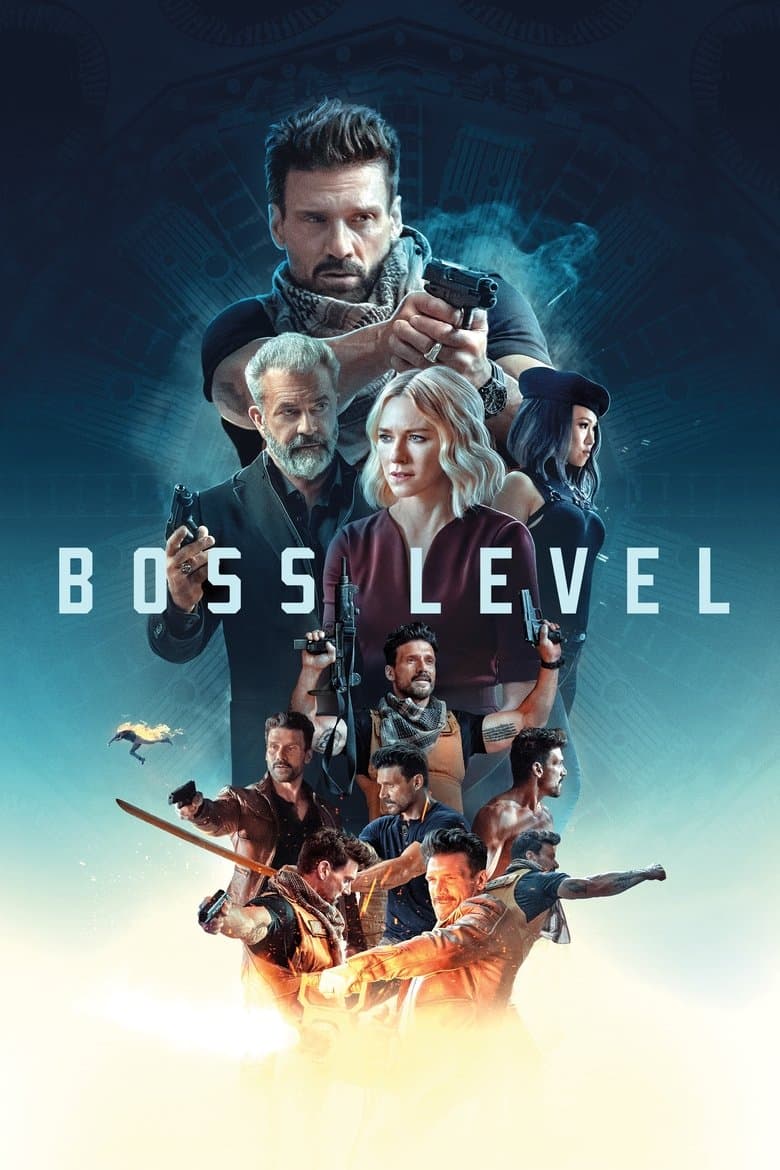
A former special forces agent is trapped in a time loop and relives his death over and over again. To escape the terrible situation, he must track down those responsible and stop…

Movie · 2025
After his life is turned upside down when his wife is killed in a London terrorist attack, a brilliant but introverted CIA decoder takes matters into his own hands when his…
