Movie review
March 29, 2019 · 77 min · PG-13 · Sci-Fi · Fantasy · Animation · Action
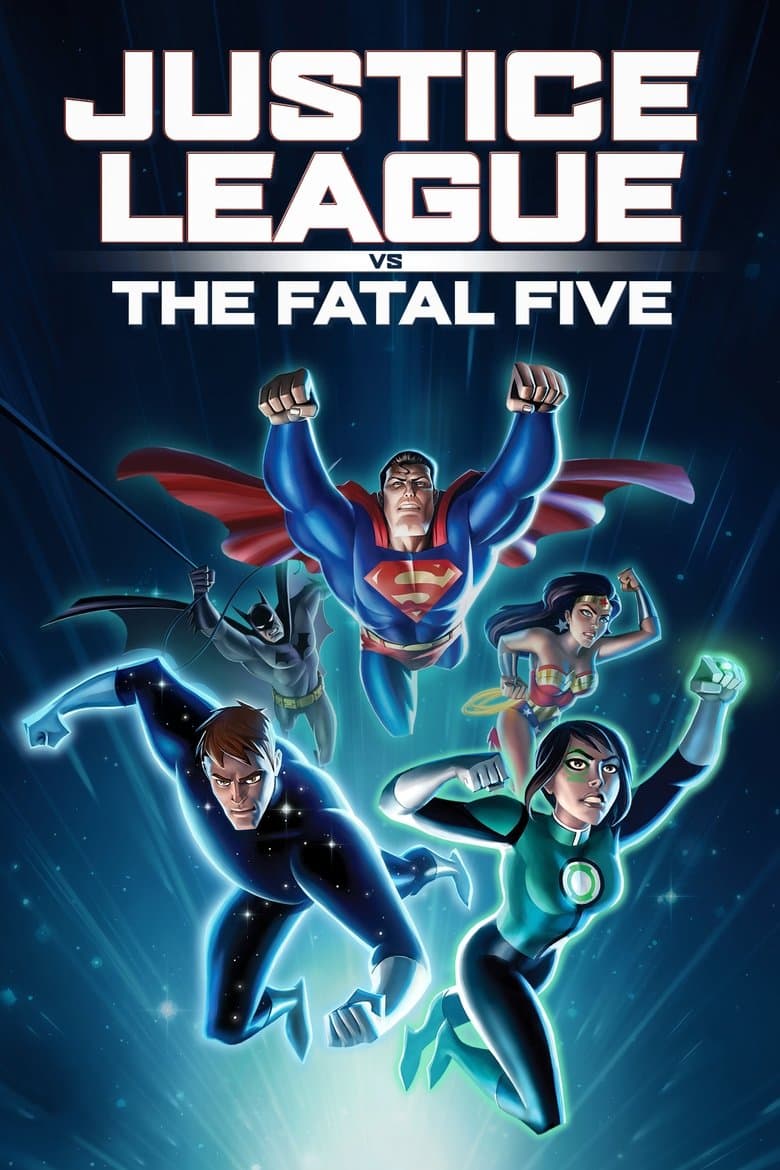
Justice League vs. the Fatal Five follows Jessica Cruz, a new Green Lantern who is afraid to leave her home after surviving a deadly attack. The time-traveling villains Mano, Persuader, and Tharok come to the present to use Jessica to free Emerald Empress and Validus. Star Boy, a hero from the 31st century, arrives with broken memories and unstable powers, and he becomes Jessica’s closest ally. Superman, Batman, Wonder Woman, Miss Martian, and Mister Terrific join the fight as the villains plan to destroy Earth’s sun.
The film makes Jessica’s anxiety and Star Boy’s mental illness major parts of the story. Jessica slowly accepts that fear does not stop her from protecting people, while Star Boy uses his own pain to help her trust herself. The story also places a Hispanic woman, a young female Martian, and several other women in important hero and villain roles. Its main message is that courage can grow through friendship, support, and sacrifice, with action, jokes, and a sad ending shaping the tone.
Community feedback
Was our 47% Woke rating accurate?
Breakdown
These are the editorial factors and ratings behind our score for Justice League vs. the Fatal Five.
Woke representation / casting
Jessica Cruz is the film’s main hero, and she is a Hispanic woman. Miss Martian, Wonder Woman, Saturn Girl, and Emerald Empress also hold major roles. Interviews frame Jessica as the first female Green Lantern from Earth and discuss the film’s diverse leads. The characters are established DC figures, so the casting score stays moderate.
47%
Woke political dialogue
Not present. The film has no recurring modern identity or activist speech. Its Martin Luther King quote and the villain’s “Green Fascist Corps” insult are brief story lines, not a woke political message.
0%
Identity-driven story themes
Jessica Cruz’s main arc follows her anxiety after a deadly attack and her struggle to use the Green Lantern ring. Star Boy’s memory loss and need for medicine give the film a second mental health story. The film presents courage, friendship, and personal empowerment as answers to fear. These themes drive the emotional story, but the message is personal rather than a broad identity or political program.
38%
Western institutional / cultural critique
Not present. The film does not attack capitalism, Christianity, family life, men, or Western institutions. The Justice League fights time-traveling villains and protects cities.
0%
Woke character or canon changes
Not relevant. The movie tells a new time-travel story instead of changing a named character’s race, gender, or sexuality. Jessica Cruz and Miss Martian appear in their established roles.
0%
Anti-woke backlash and complaints
A small ComicsGate-linked X account called Jessica’s anxiety-to-hero arc “very woke” and said she later “girl bosses.” Another small account called Superman’s “Great Rao” line a theft from a “stupid, woke” Supergirl show. A small user review used the title “Get Woke, Go Broke,” and Rotten Tomatoes audience posts called the film a DEI project or a mental-health “Tumblr OC” story. No organized campaign or major news story was found, so the backlash remains limited.
38%
Creator track record context
Most of the listed creators have low scores and entertainment-focused careers. Writer Eric Carrasco is the main exception, with a high score tied to advocacy for Black and minority artists and progressive Supergirl work. His film interview coverage links this movie to Dwayne McDuffie and highlights diverse lead characters. The wider team does not show the same activist pattern.
30%
Production
Movie · 2024
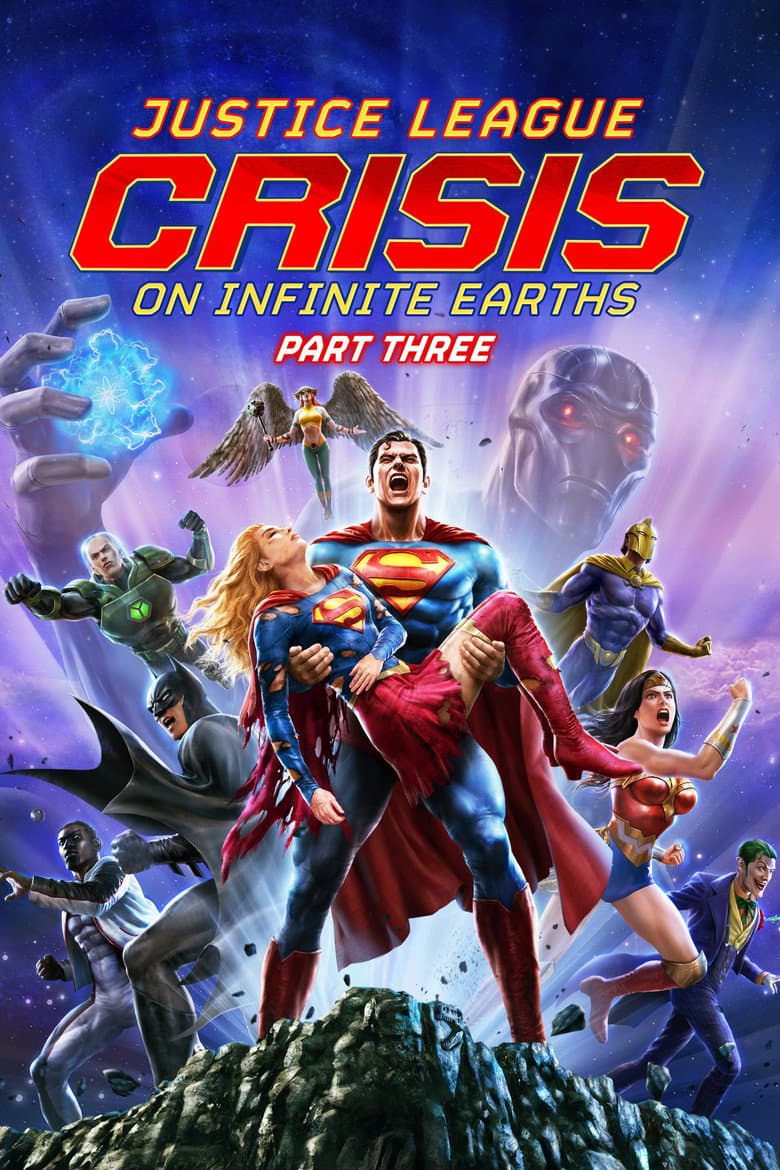
Now fully revealed as the ultimate threat to existence, the Anti-Monitor wages an unrelenting attack on the surviving Earths that struggle for survival in a pocket universe.
Movie · 2017
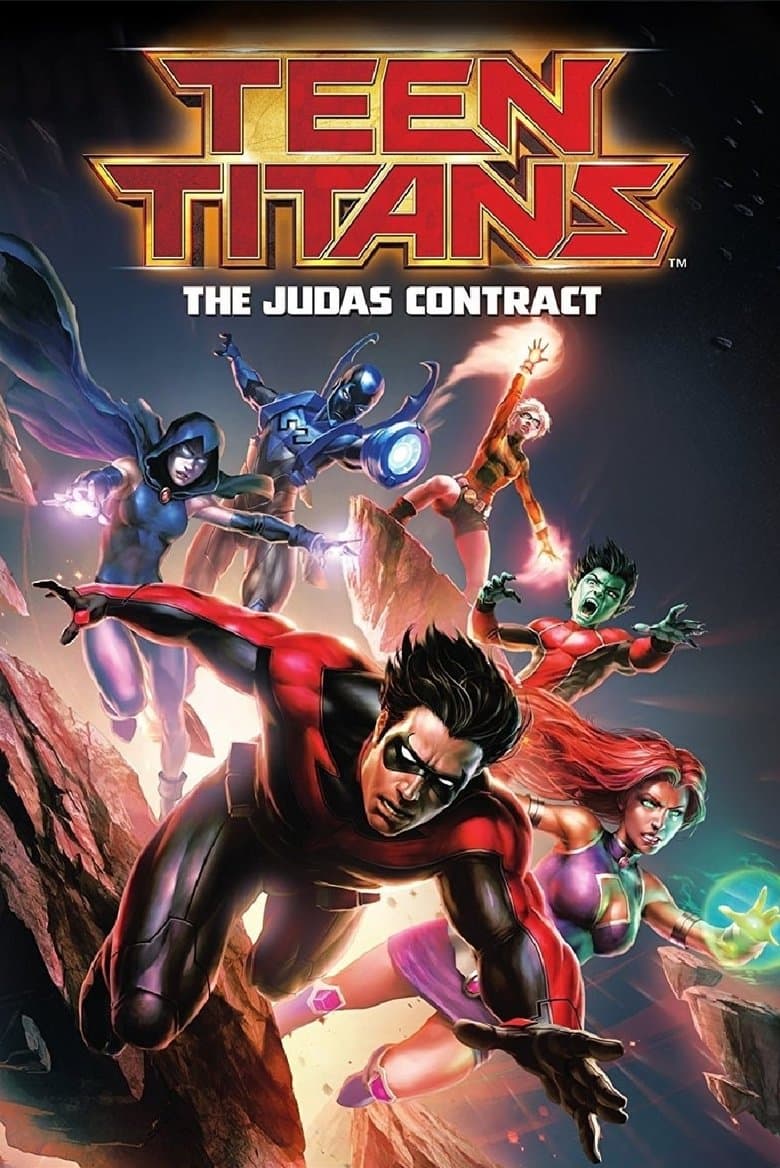
Tara Markov is a girl who has power over earth and stone; she is also more than she seems. Is the newest Teen Titan an ally or a threat?
Movie · 2018
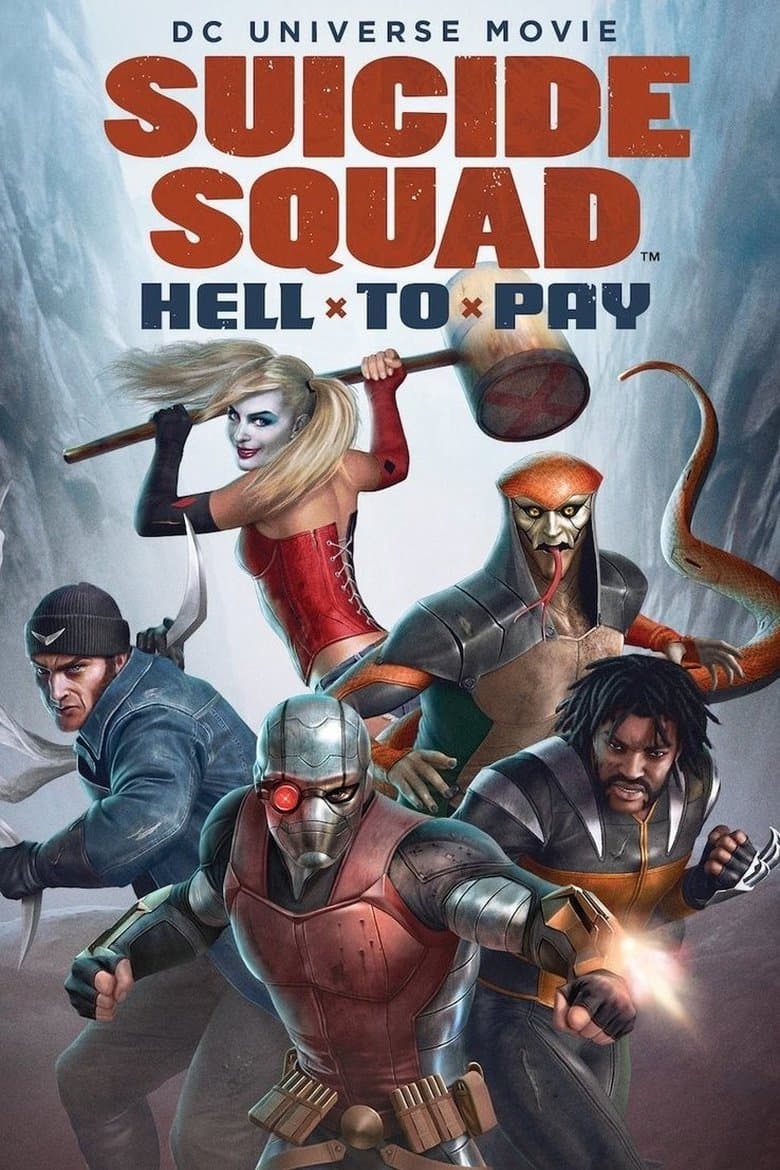
Amanda Waller's top-secret "Task Force X" — consisting of Deadshot, Bronze Tiger, Killer Frost, Captain Boomerang, Harley Quinn, and Copperhead — is on a mission to retrieve a…
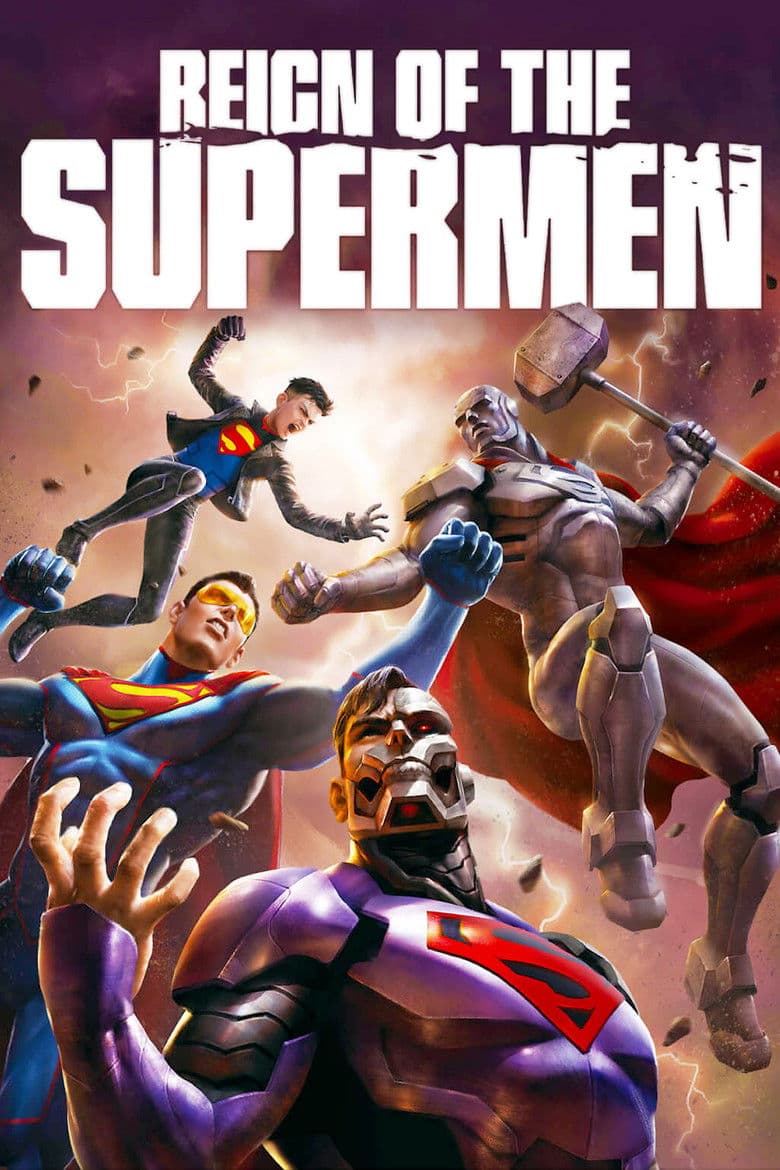
Movie · 2019
In the wake of The Death of Superman, the world is still mourning the loss of the Man of Steel following his fatal battle with the monster Doomsday.
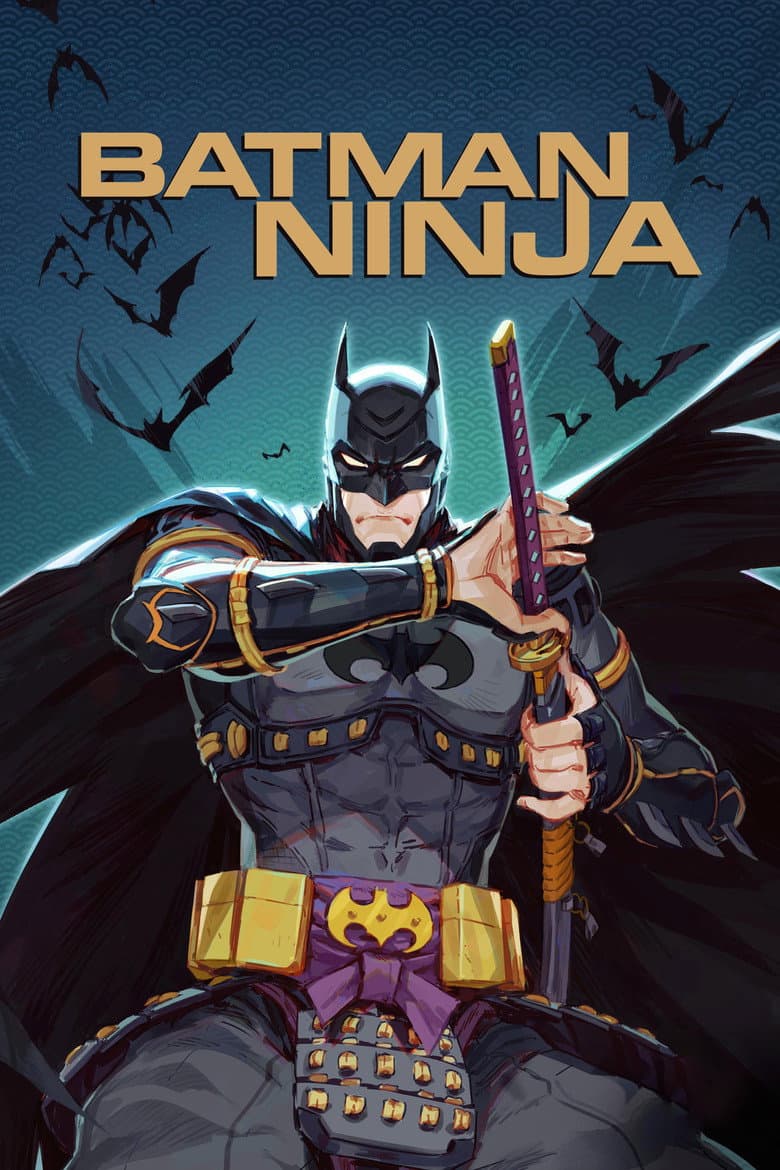
Movie · 2018
Batman, along with many of his allies and adversaries, finds himself transported to feudal Japan by Gorilla Grodd's time displacement machine.
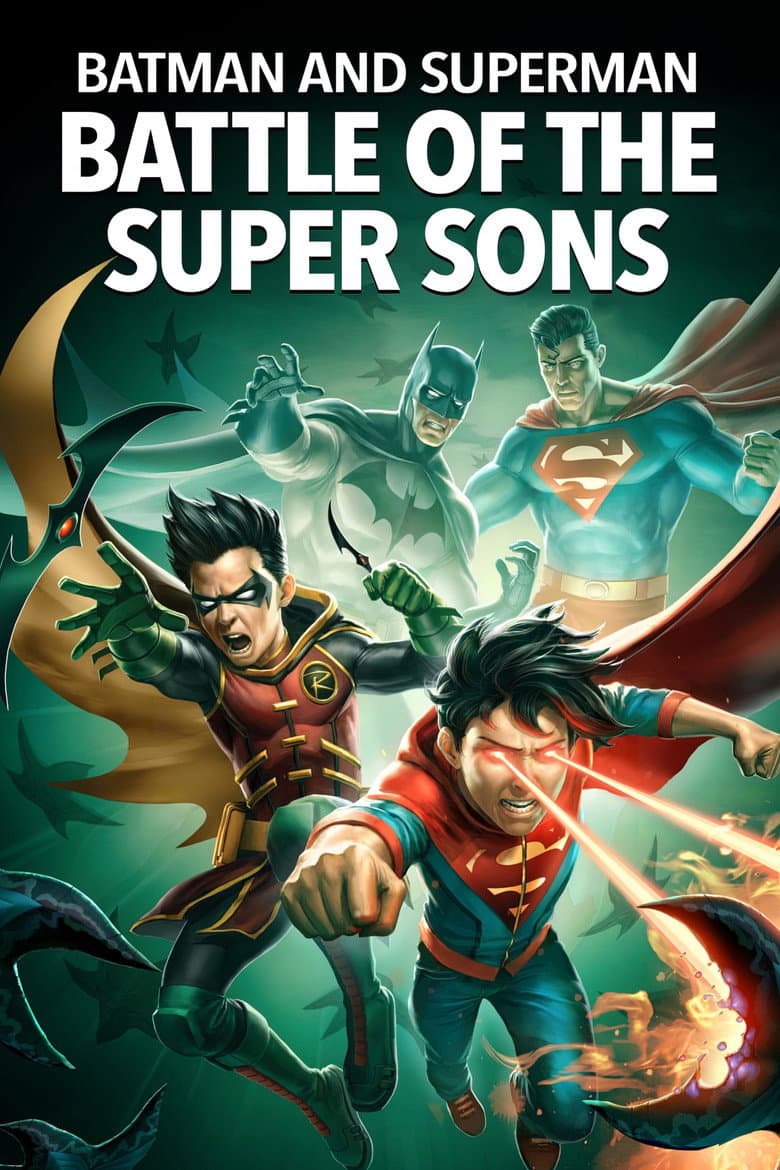
Movie · 2022
After discovering he has powers, 11-year-old Jonathan Kent and assassin-turned-Boy-Wonder Damian Wayne must join forces to rescue their fathers (Superman & Batman) and save the…
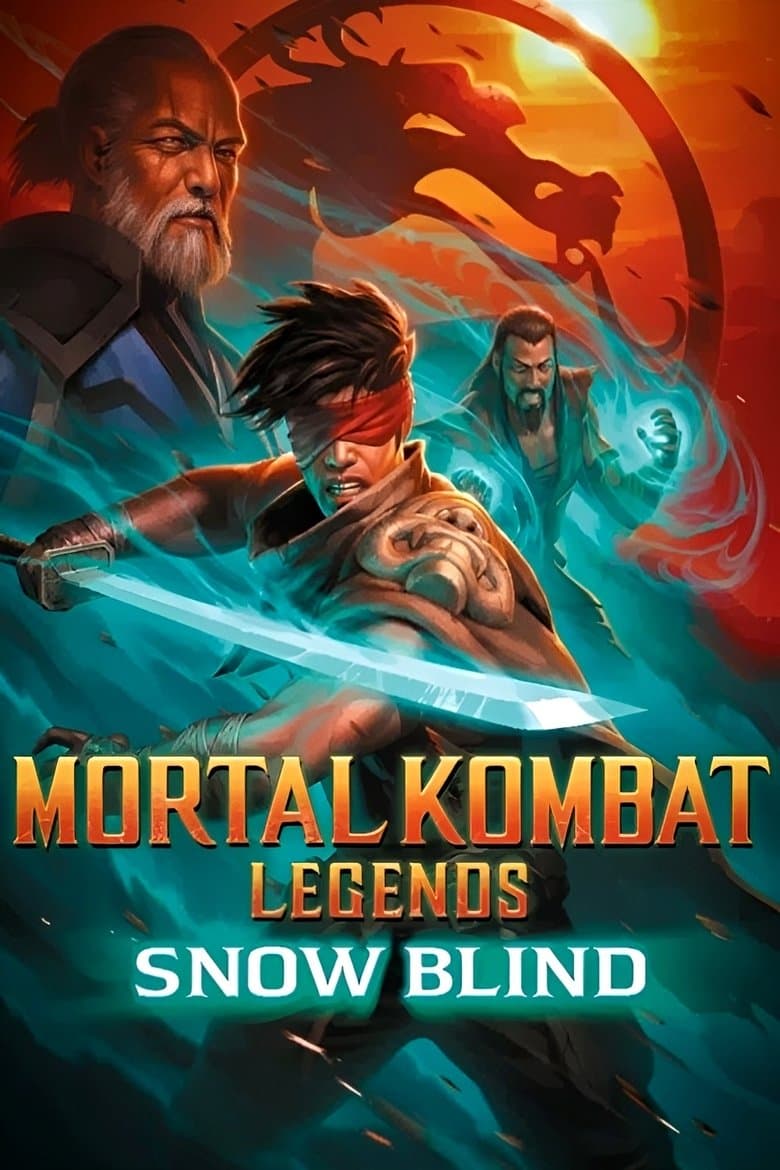
Movie · 2022
The vicious, power-mad Kano is determined to take over Earthrealm, one soul at a time. Assisted by a trio of cold Black Dragon mercenaries, he embarks on a brutal assault from…
Movie · 2020
After the vicious slaughter of his family by stone-cold mercenary Sub-Zero, Hanzo Hasashi is exiled to the torturous Netherrealm.
