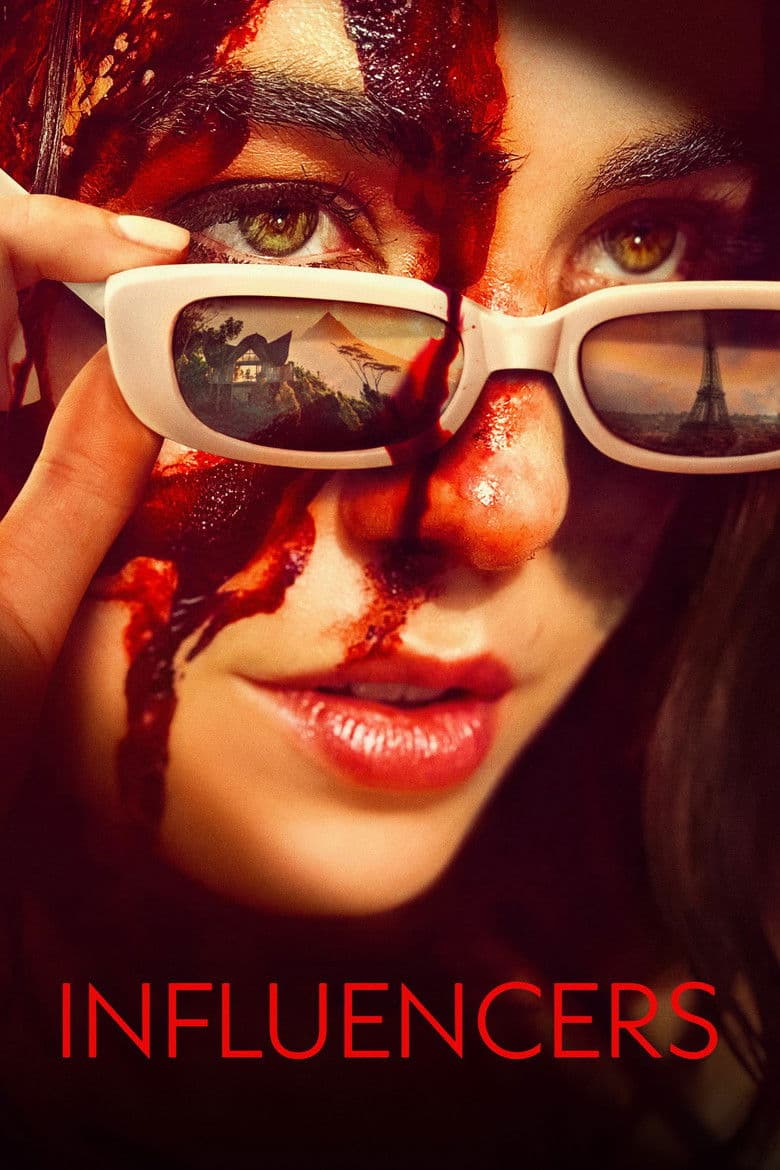
CW is a clever woman who steals identities and kills people who live through social media. She appears to have escaped her past and now lives with her girlfriend Diane in the sunny countryside of southern France. A rude travel influencer ruins their anniversary trip, and CW gives in to her old violent habits. Madison, a survivor from the first film, follows CW to Bali, where both women get caught up with a dangerous online couple. The tone is glossy, bloody, tense, and often darkly funny.
The film puts a same-sex romance at the center of its opening section, and Diane's role helps drive CW's next murders. It also gives a major later section to Jacob, a male streamer who sells anti-woman ideas, and Ariana, his right-wing influencer girlfriend. The story treats their public message as cruel and dishonest, while it mocks the wider world of online fame, fake identities, deepfakes, and audience pressure. These themes are repeated through the main chase, but the film remains a horror thriller about murder rather than a direct political drama.
Community feedback
Was our 50% Woke rating accurate?
Breakdown
These are the editorial factors and ratings behind our score for Influencers.
Woke representation / casting
The main couple is a same-sex couple, so the film makes queer representation visible in a leading relationship. Several major roles are also women, but the story does not present them through a clear diversity-first casting message. The cast does not show a clear one-of-each pattern for the places shown. This is a mild representation signal, not the main reason to watch the film.
18%
Woke political dialogue
The film gives Jacob a large role as an alt-right streamer in the manosphere who sells anti-woman ideas online. Ariana also works as a right-wing influencer, so political labels appear in their story line. The film uses their public talks to expose hypocrisy and show how an audience can shape the message. This material is concentrated in the Bali section instead of spreading through every scene.
34%
Identity-driven story themes
The film opens with CW living in a same-sex relationship with Diane in France. Their anniversary and Diane's growing suspicion help push CW back into murder. A digital version of Diane's voice later stays tied to CW's grief and crimes. This makes queer identity and relationships important in the opening and aftermath, but the main story is still a murder and identity-theft thriller.
42%
Western institutional / cultural critique
The film repeatedly attacks the online fame business, fake personal brands, and the pressure to perform for an audience. It gives a major role to Jacob, a misogynistic manosphere streamer, and treats his anti-woman message as harmful and dishonest. It also shows social media turning a cleared survivor into a target of public blame. The critique aims at internet culture and male online movements, not at every Western institution.
44%
Woke character or canon changes
Not relevant. The film is a sequel to its own original story and adds new characters. No established character or real historical figure is changed around an identity message.
0%
Anti-woke backlash and complaints
Not present. No anti-woke reaction or specific complaints were found in the supplied X pass. Wider coverage discussed the film's horror, queer relationship, and political targets rather than calling the film woke or DEI propaganda.
0%
Creator track record context
The writer Kurtis David Harder has a stored 70/100 creator score because his queer horror film Spiral was described as making a case for more gay stories in horror. Producer Chris Ball has a stored 45/100 score and co-wrote and starred in the gay coming-of-age drama Summerland, drawing on his own life. Producers Taylor Nodrick, Micah Henry, and Jack Campbell have stored scores of 0, while Rebecca Campbell has 12. This gives the key team a moderate creator track record signal.
55%
Production
Movie · 2016
A deaf woman is stalked by a psychotic killer in her secluded home.
Movie · 2025
When Polly receives a mysterious box, it comes with one rule: place inside something she needs, something she hates, and something she loves.
Movie · 2025
One year since the supernatural nightmare at Freddy Fazbear's Pizza, the stories about what transpired there have been twisted into a campy local legend, inspiring the town's…
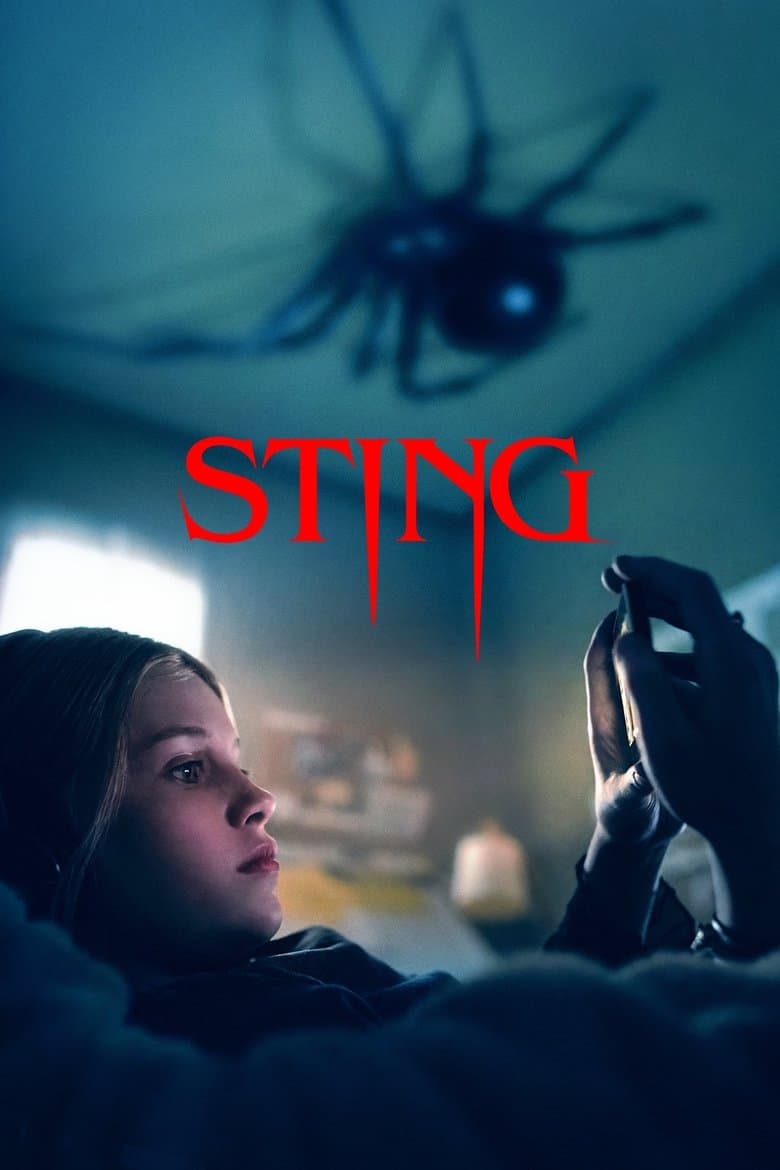
Movie · 2024
After raising an unnervingly talented spider in secret, 12-year-old Charlotte must face the truth about her pet and fight for her family's survival.
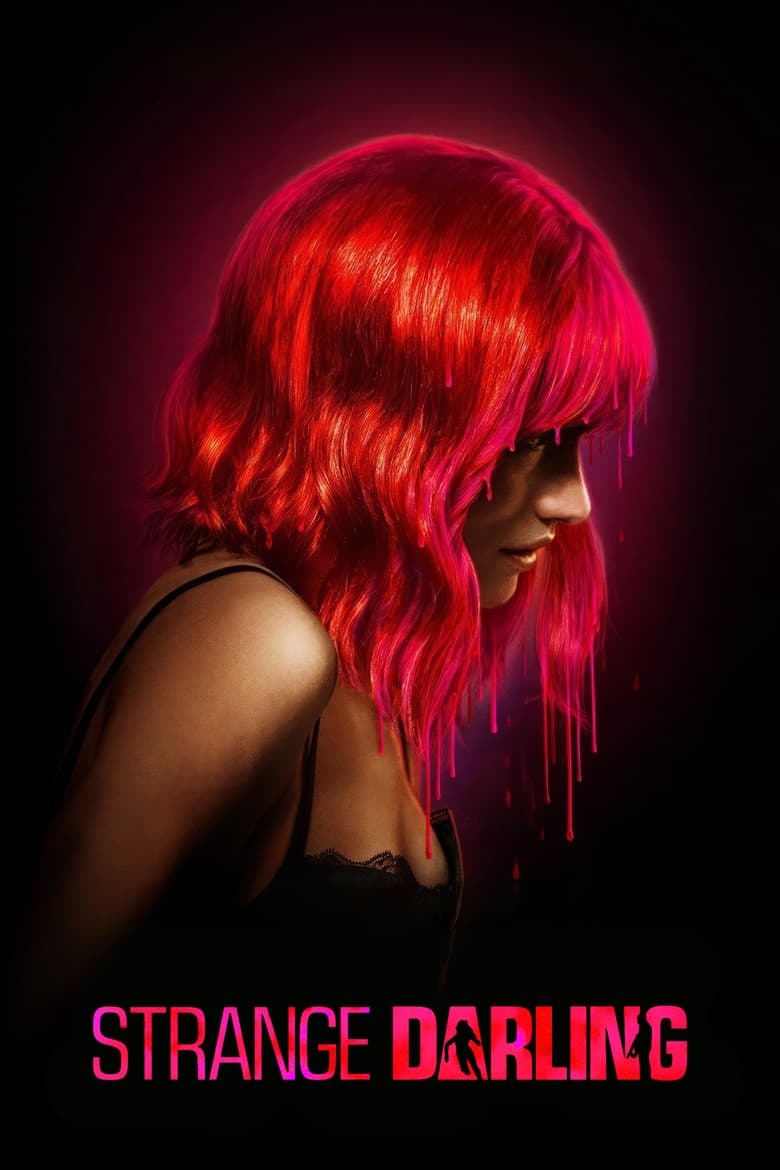
Movie · 2024
Nothing is what it seems when a twisted one-night stand spirals into a serial killer’s vicious murder spree.
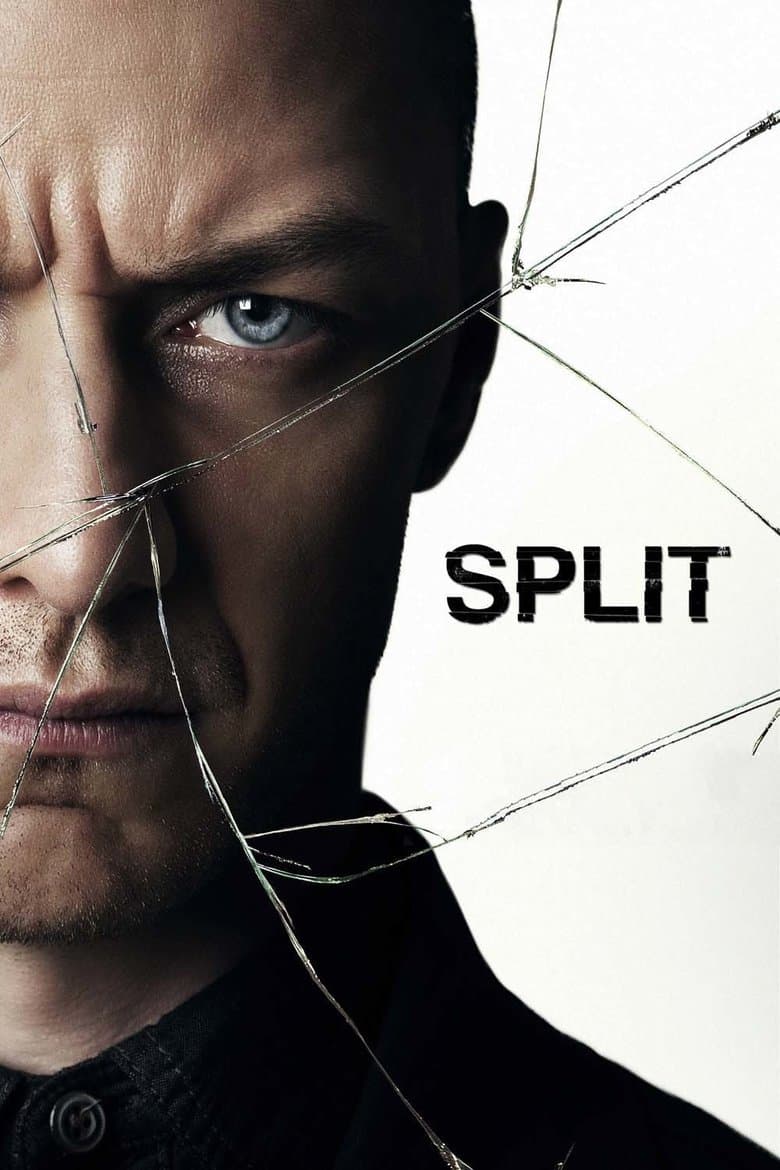
Movie · 2017
Though Kevin has evidenced 23 personalities to his trusted psychiatrist, Dr. Fletcher, there remains one still submerged who is set to materialize and dominate all the others.
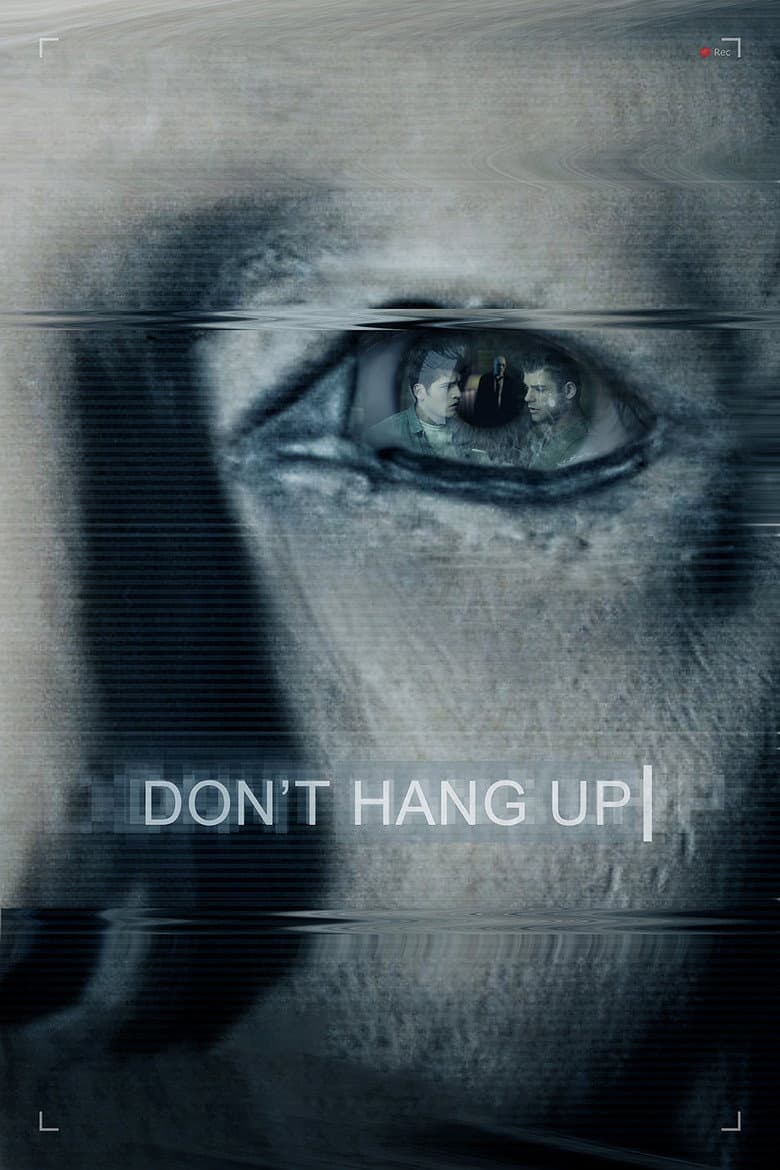
Movie · 2016
An evening of drunken prank calls becomes a nightmare for a pair of teenagers when a mysterious stranger turns their own game against them.
Movie · 2025
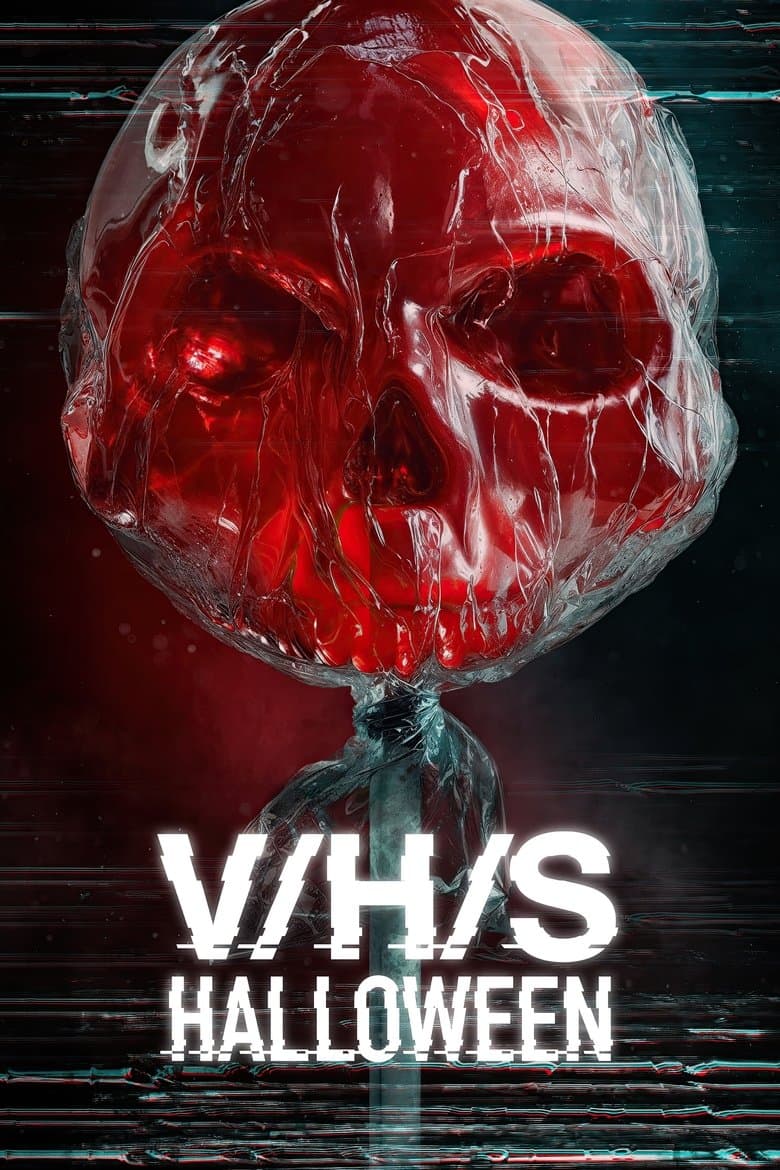
A collection of Halloween-themed videotapes unleashes a series of twisted, blood-soaked tales, turning trick-or-treat into a struggle for survival.
