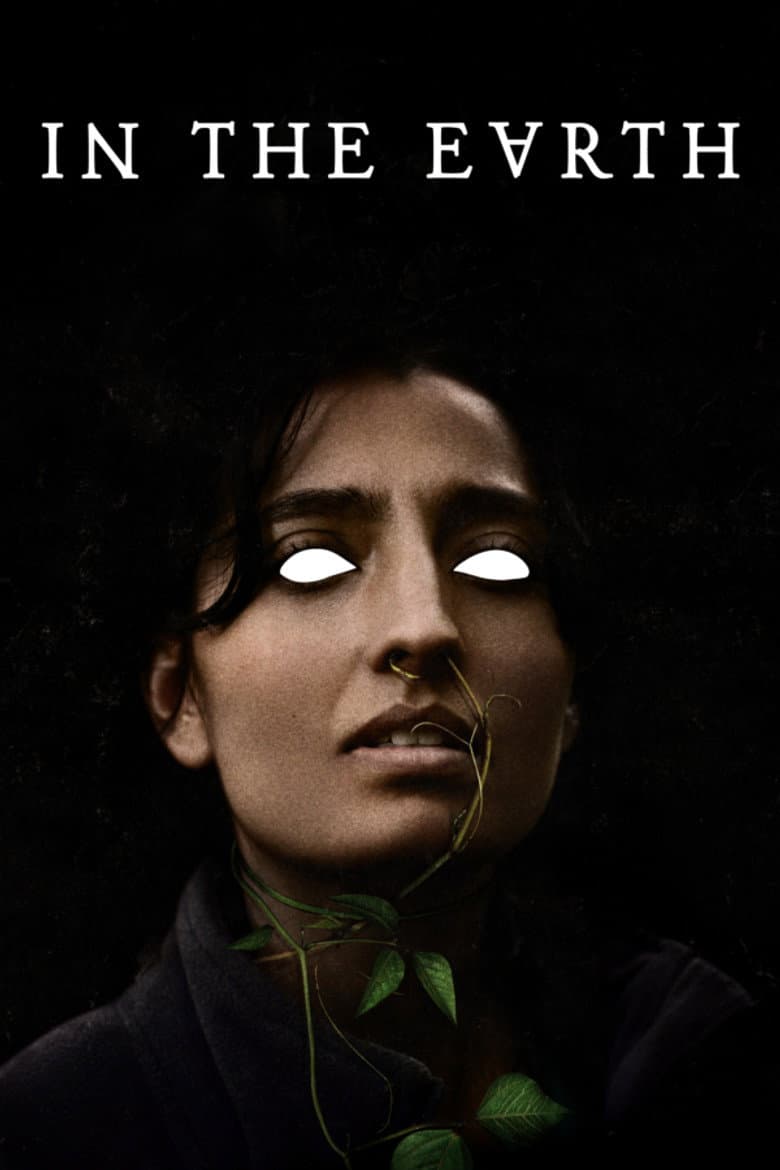
During a deadly virus outbreak, soil scientist Martin Lowery travels to a government research site in a fertile forest near Bristol. Park scout Alma guides him through the woods to find Martin’s former colleague, Olivia, who has stopped answering her radio. A violent attack leaves Martin and Alma hurt and without shoes, and a helpful woodsman named Zach draws them into a trap. The film becomes a bloody, strange trip through fear, old myths, science, and the power of nature.
Alma gets the strongest practical role because she knows the forest and keeps Martin alive outside the lab. Martin is smart at science but clumsy and fearful in the woods, so he often needs Alma to lead him. Olivia is also a skilled scientist, and the two women shape the search more than Martin does. The story flips the old adventure pattern of a man leading and a woman following, while its main themes remain nature, fear, science, belief, and human pride.
Community feedback
Was our 35% Woke rating accurate?
Breakdown
These are the editorial factors and ratings behind our score for In the Earth.
Woke representation / casting
The film puts an actress with South Asian and Italian family background in the prominent role of Alma, a capable park scout. The film also places a woman in the field-lead role while the male scientist is weak outside his lab. Alma’s skills fit her job, and the story does not use diversity speeches, a one-of-each group, or clear diversity-first marketing. This is a small, audience-visible representation signal rather than a dominant casting message.
22%
Woke political dialogue
Not present. The dialogue refers to the pandemic, science, religion, and forest myths. It does not push modern identity, DEI, or activist politics.
0%
Identity-driven story themes
The film repeatedly makes Alma the person who knows the woods, frees Martin, escapes Zach, kills him, and becomes the final guide. Martin is a trained scientist but is weak outside the lab and often needs Alma’s help. Olivia is also a skilled researcher whose work drives the central mystery. This gives women more practical power than the main male hero, although the roles are tied to their jobs.
50%
Western institutional / cultural critique
Not present. The film questions science, religion, and human attempts to control nature. It does not turn that conflict into a modern activist attack on Western institutions, Christianity, capitalism, or traditional social norms.
0%
Woke character or canon changes
Not relevant. The film is an original story, so it does not alter a known character, source, or historical figure.
0%
Anti-woke backlash and complaints
Not present. The available posts and reviews focus on the unclear ending, violence, pandemic mood, and nature themes. No reviewed source makes an anti-woke or DEI complaint about the film.
0%
Creator track record context
Ben Wheatley has a cached score of 9/100, and the other cached crew scores are mostly low. Amy Jump is 13/100, Andrew Starke 14/100, Jeff Deutchman 34/100, Tom Quinn 25/100, Shaheen Baig 50/100, and Anita Christy 8/100. The stored context gives a low overall crew signal, with a small rise from the producer and casting records. Wheatley frames this film around pandemic fear, politics, and the way people make stories, not around identity or DEI.
22%
Production
Movie · 2018
Held captive in a futuristic smart house, a woman hopes to escape by befriending the A.I. program that controls the house.
Movie · 2024
After an experimental drug trial goes awry, the test subjects face a terrifying side effect: if you fall asleep you die.
Movie · 2018
After waking up to find himself all alone in an apartment where a massive party was being held the night before, Sam is immediately forced to face a terrifying reality: the living…
Movie · 2025
On the mysterious planet of Ash, Riya awakens to find her crew slaughtered. When a man named Brion arrives to rescue her, an ordeal of psychological and physical terror ensues…
Movie · 2024
With his wife out sick, a struggling father brings home a lifelike AI, only to have his self-aware new help want everything her new family has to offer...

Movie · 2024
Nothing is what it seems when a twisted one-night stand spirals into a serial killer’s vicious murder spree.
Movie · 2019
A year after the mysterious disappearance of an 8 year-old girl, we meet her grieving family as they return home from her memorial service in their small town.
Movie · 2021
Following the events at home, the Abbott family now face the terrors of the outside world. Forced to venture into the unknown, they realize that the creatures that hunt by sound…
