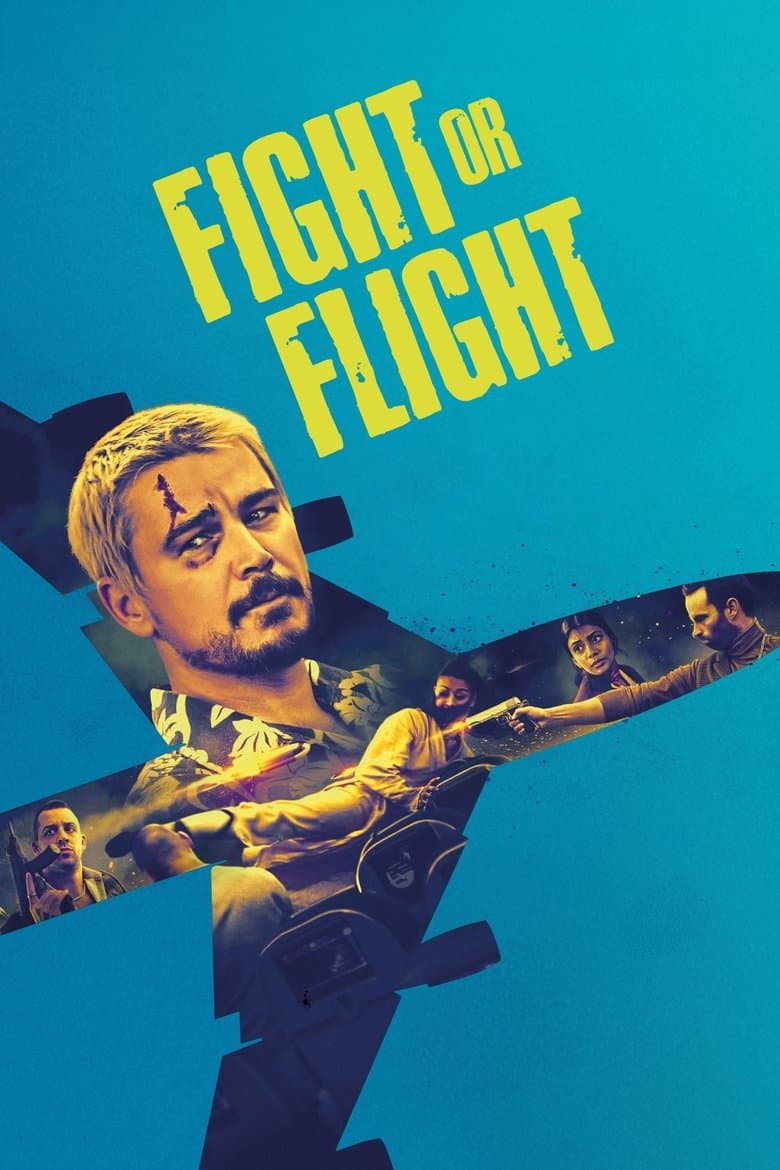
Fight or Flight follows Lucas Reyes, a disgraced former Secret Service agent living in Bangkok. His old boss offers him a chance to clear his name if he finds the Ghost, a hacker hiding on a flight to San Francisco. The plane is packed with killers who want the Ghost dead, so Lucas must protect the person he was sent to arrest. The movie mixes bloody fights, crude jokes, drug use, and a fast pace.
The main social message comes from the Ghost’s past. Isha is a brilliant hacker who was sold to traffickers as a child and later fights companies and warlords that use child labor to make phones and other goods. She attacks those groups, exposes their supply chains, and helps children, while the story treats her cause as heroic. The movie also gives several important action roles to women, but Lucas stays the main fighter and the story does not focus on race, gender, or sexuality.
Community feedback
Was our 36% Woke rating accurate?
Breakdown
These are the editorial factors and ratings behind our score for Fight or Flight.
Woke representation / casting
The movie gives several important jobs to women. Katherine Brunt runs the mission, Isha is the brilliant hacker and key target, and Cat Eyes and Master Lian are top fighters. Lucas remains the central hero, and the international cast fits a flight from Bangkok to San Francisco. The movie does not frame this casting as a diversity campaign.
30%
Woke political dialogue
Isha says she attacked an electronics factory because it used child labor. She also says that companies and warlords use poor children to make phones and other goods. Near the end, Lucas threatens to expose company supply chains and slave labor, so the film includes clear activist-style political talk. These scenes matter to the plot, but they are limited to the Ghost’s backstory and the final showdown.
28%
Identity-driven story themes
The film makes Isha’s past as a trafficked child the reason she fights the companies and warlords chasing her. Isha uses her hacking skills to free children, and the story treats her actions as morally right. The ending links the stolen technology to a well-funded orphanage, which gives the story a clear social justice message. The theme is important, but the movie remains a violent action comedy rather than an identity-centered drama.
31%
Western institutional / cultural critique
The story presents a secret agency, a social media app, and large companies as groups that track people, hire killers, and protect their profits. The Ghost’s enemies use child labor and mineral mining, while the heroes plan to expose their supply chains. The film also mocks office yoga and treats the agency as morally weak. This modern anti-corporate message runs through the main conflict, but the movie does not attack family life, Christianity, or ordinary social customs.
34%
Woke character or canon changes
Not relevant. The film is an original action story with no established character or real event being reworked.
0%
Anti-woke backlash and complaints
One tiny anonymous X account called the film full of “usual DEI heroes” and complained that the white male lead is broken but still the hero. Another small account called it “one of those woke action movies” while still praising Hartnett and the fun tone. No large right-leaning account, boycott, review-bomb, or coordinated campaign was found, so the backlash is fringe.
12%
Creator track record context
The available creator records show a team known mainly for commercial action and thriller work. James Madigan and D.J. Cotrona have no high-confidence activist pattern, while Brooks McLaren’s small score is tied to epilepsy awareness rather than political activism. The casting and producing team also has mostly low scores and no clear identity-focused public record. The overall creator context is low.
8%
Production
Movie · 2019
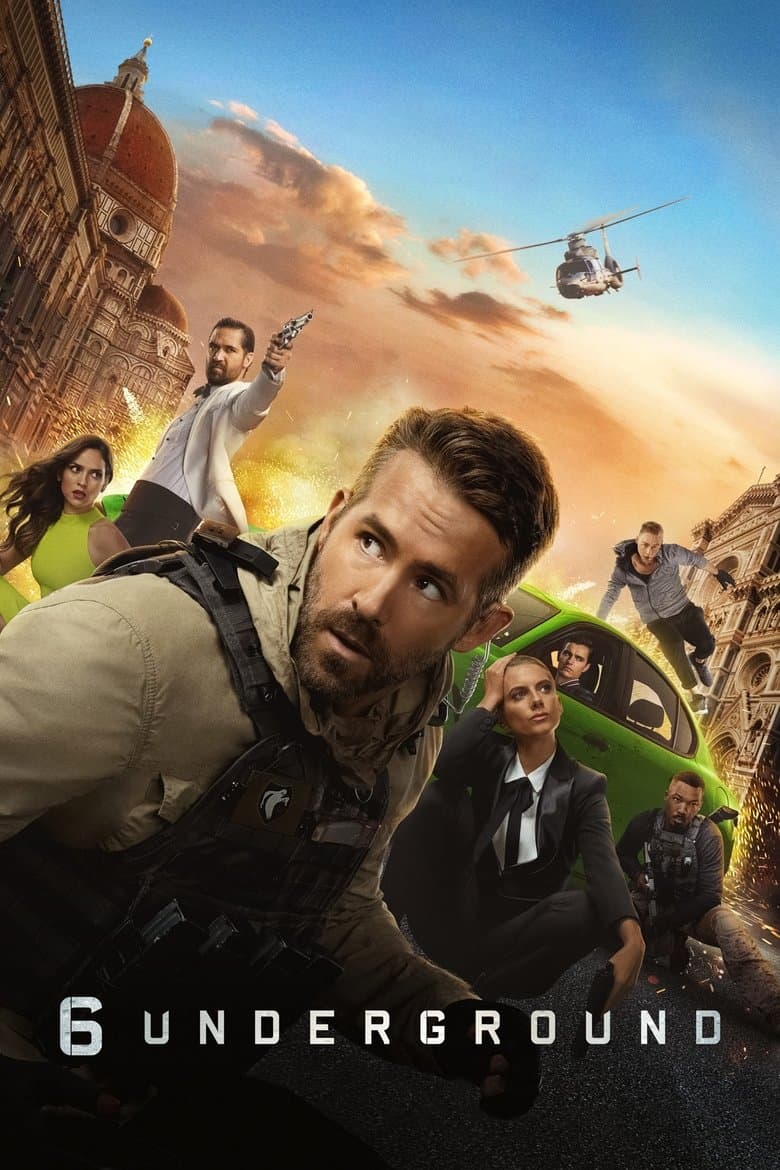
After faking his death, a tech billionaire recruits a team of international operatives for a bold and bloody mission to take down a brutal dictator.
Movie · 2024
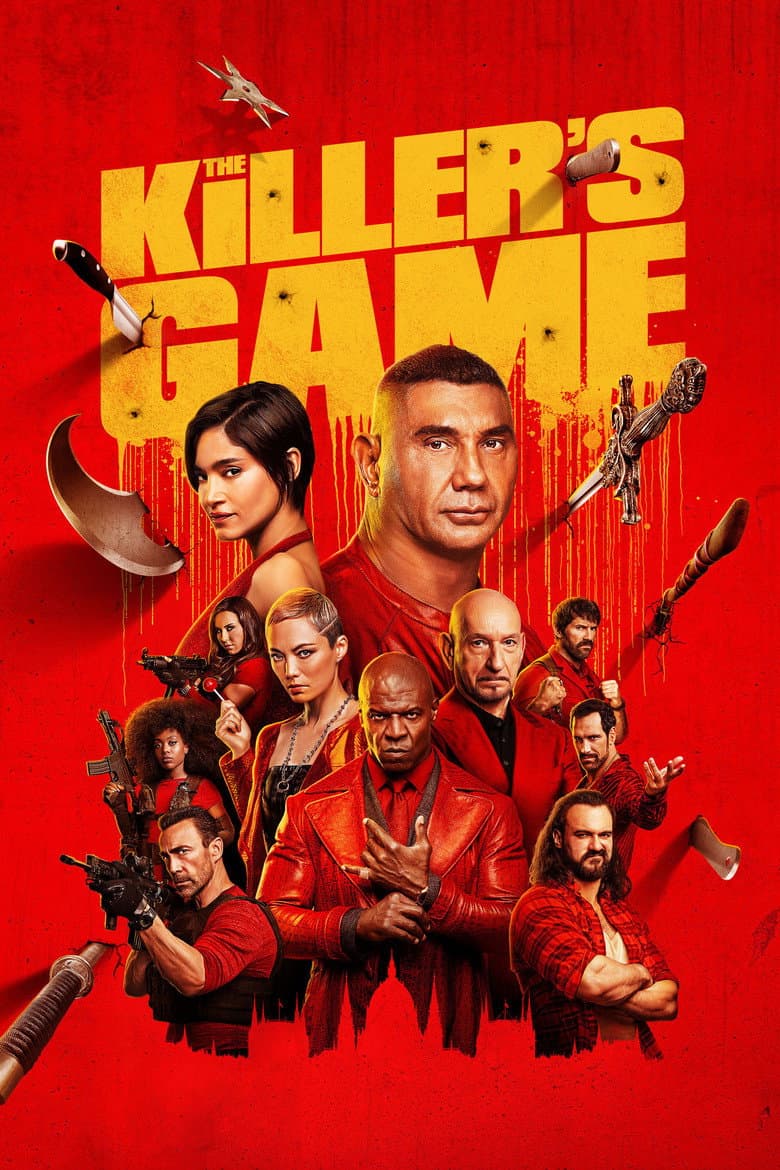
When top hitman Joe Flood is diagnosed with a terminal illness, he decides to take matters into his own hands – by taking a hit out on himself.
Movie · 2020
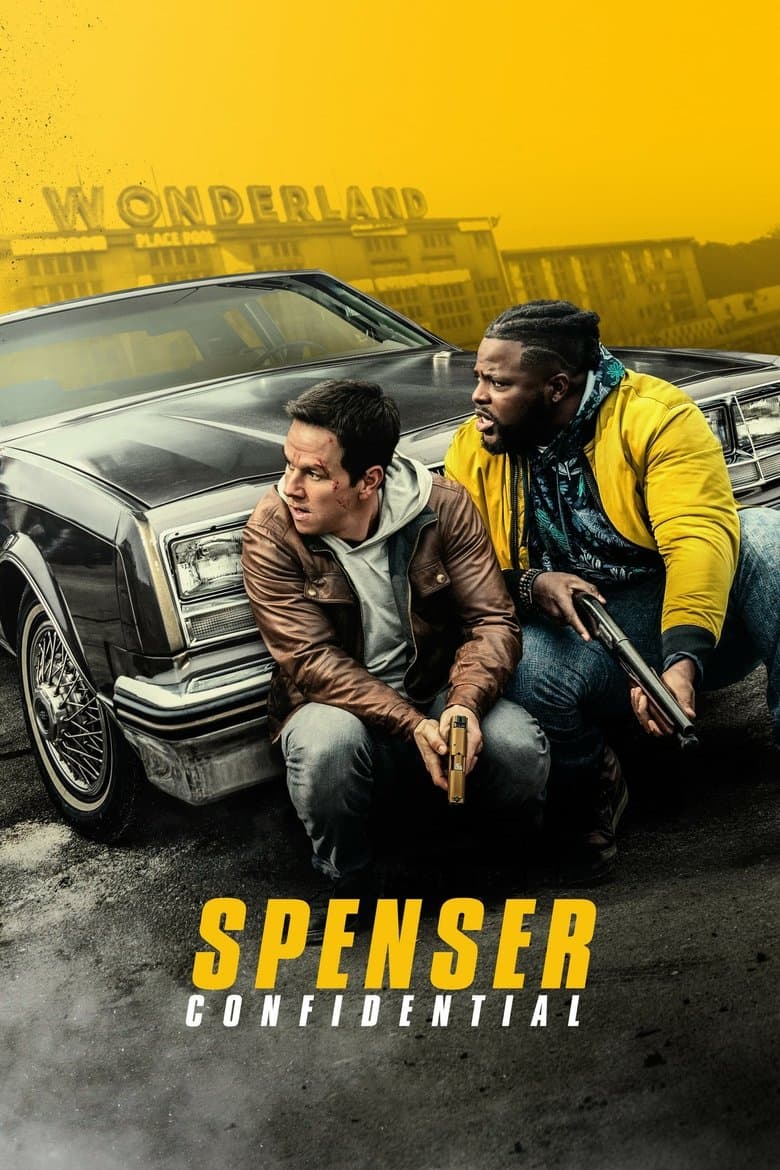
Spenser, a former Boston patrolman who just got out from prison, teams up with Hawk, an aspiring fighter, to unravel the truth behind the death of two police officers.
Movie · 2026
A dysfunctional couple head to a remote cabin to "reconnect", but each has secret intentions to kill the other.
Movie · 2025
When the girl of his dreams is kidnapped, everyman Nate turns his inability to feel pain into an unexpected strength in his fight to get her back.
Movie · 2023
Special agent Orson Fortune and his team of operatives recruit one of Hollywood's biggest movie stars to help them on an undercover mission when the sale of a deadly new weapons…
Movie · 2023
Kevin Hart - playing a version of himself - is on a death-defying quest to become an action star. And with a little help from John Travolta, Nathalie Emmanuel, and Josh Hartnett -…
Movie · 2021
An army doctor helps his love interest's family to find their kidnapped daughter.
