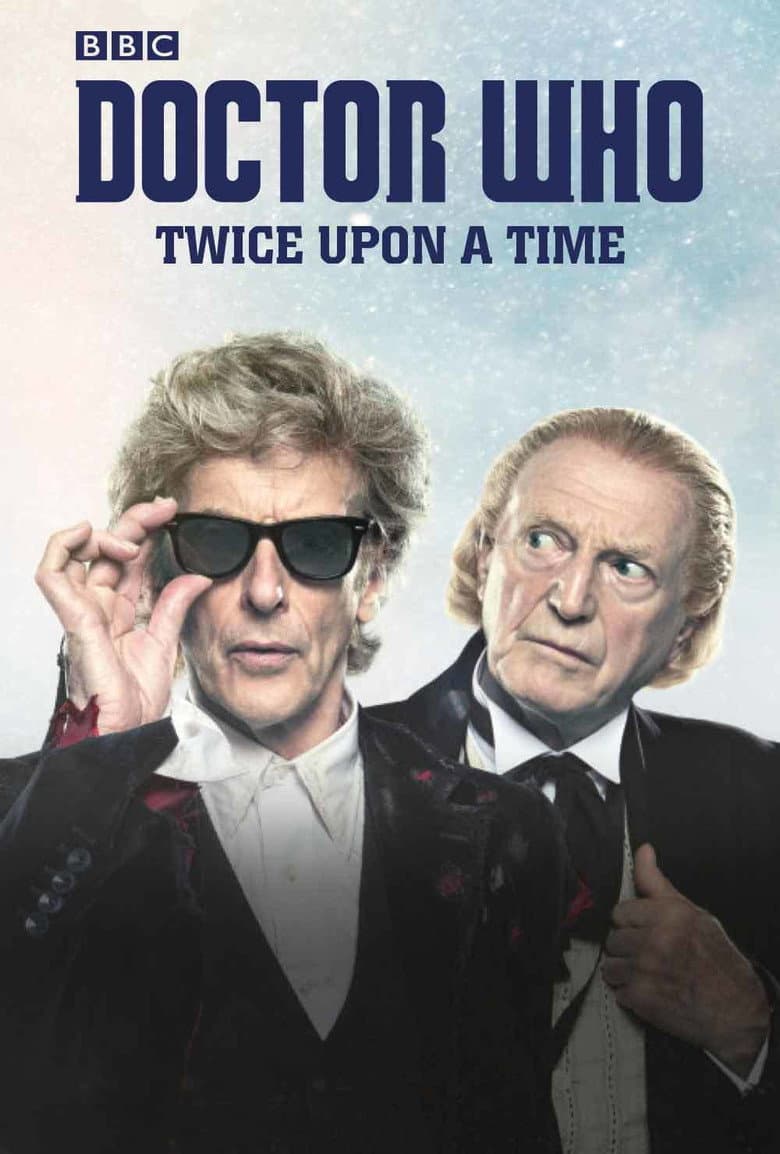
Doctor Who: Twice Upon a Time follows the tired Twelfth Doctor as he refuses to regenerate at the South Pole. He meets his first self, who is also afraid of becoming someone new. A British captain from World War One is pulled into their path when a time error stops his death. The story mixes jokes, snowy science fiction, war drama, and a sad farewell.
Bill Potts returns as a memory copy after the Doctor believed she had died, and the story confirms her romance with Heather. The First Doctor makes repeated old-fashioned jokes about women cleaning, nursing, and being punished, while Bill and the Twelfth Doctor push back. The story treats those views as outdated and ends with the Doctor changing from a man into Jodie Whittaker’s woman Doctor. These identity points are easy to notice, but the main story still centers on death, memory, kindness, and the Christmas truce.
Community feedback
Was our 58% Woke rating accurate?
Breakdown
These are the editorial factors and ratings behind our score for Doctor Who: Twice Upon a Time.
Woke representation / casting
Bill Potts is a black woman and a lesbian, and she is a key companion in the story. Jodie Whittaker appears at the end as the first female Doctor. The regeneration rule makes this change fit the story world, and most main roles are not chosen around identity. The pattern is clear but limited.
34%
Woke political dialogue
Not present. The story has no speech about DEI, current identity politics, or activist goals. The Doctor’s kindness speech and the First Doctor’s old-fashioned jokes do not state a modern political program.
0%
Identity-driven story themes
The story centers on death, memory, kindness, and the fear of change. The First Doctor’s repeated views about women create a running contrast with Bill and the Twelfth Doctor. Bill’s romance with Heather is briefly confirmed. The ending treats the Doctor’s change from a man into a woman as an exciting step forward.
41%
Western institutional / cultural critique
The First Doctor treats women as helpers and jokes about cleaning, nursing, and punishment. The Twelfth Doctor reacts with shame, so the story presents those views as outdated. The episode does not attack Christianity, capitalism, or Western institutions. The World War One plot is mainly about mercy and peace.
29%
Woke character or canon changes
The established Doctor changes from a man into a woman at the end. The ending makes this gender change the bridge into the next era. The First Doctor is recast with David Bradley, but that does not change the character’s identity. Bill returns as a memory copy, but her identity is not rewritten.
56%
Anti-woke backlash and complaints
Some Reddit and forum posts call the First Doctor’s sexist jokes a political-correctness rewrite and object to Bill being lesbian. A few small X accounts call the special a “Woke Message vehicle” and treat the female Doctor as the start of “woke Who.” Mainstream reports also covered the wider backlash to Whittaker’s casting. The reaction remained scattered, with no large campaign against this special.
28%
Creator track record context
Rachel Talalay has a feminist and justice-focused work history. Steven Moffat often writes strong women and has supported diverse casting, but his public work is not mainly activist. Andy Pryor has discussed more inclusive casting. Brian Minchin’s related shows include queer characters, while Peter Bennett has no clear activist record.
43%
Production
Movie · 2026
Science teacher Ryland Grace wakes up on a spaceship light years from home with no recollection of who he is or how he got there.
Movie · 2024
Several generations following Caesar's reign, apes – now the dominant species – live harmoniously while humans have been reduced to living in the shadows.
Movie · 2016
Following the events of Age of Ultron, the collective governments of the world pass an act designed to regulate all superhuman activity.
Movie · 2017
A group of students become trapped inside a mysterious cave where they discover time passes differently underground than on the surface.
Movie · 2021
In a time when monsters walk the Earth, humanity’s fight for its future sets Godzilla and Kong on a collision course that will see the two most powerful forces of nature on the…
Movie · 2015
During a manned mission to Mars, Astronaut Mark Watney is presumed dead after a fierce storm and left behind by his crew.
Movie · 2026
Having found the safety of the Greenland bunker after the comet Clarke decimated the Earth, the Garrity family must now risk everything to embark on a perilous journey across the…
Movie · 2017
The Guardians must fight to keep their newfound family together as they unravel the mysteries of Peter Quill's true parentage.
