Movie review
July 16, 2026 · 98 min · G · Kids · Fantasy · Adventure · Family
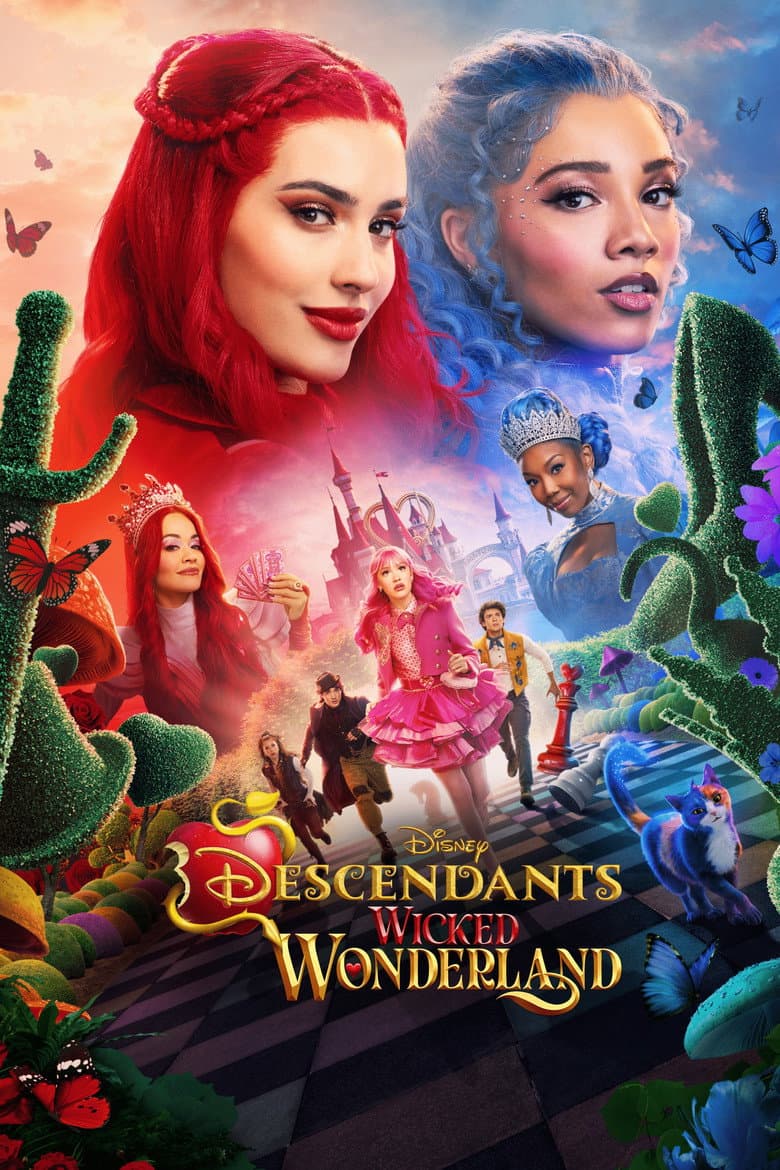
After Red and Chloe rewrite the past, the Queen of Hearts is kind and Cinderella is safe. Their meddling creates a new villain named Maddox Hatter. When he captures the Queen, Red and Chloe team with Pink, Luis Madrigal, Max Hatter, and other descendants to save Wonderland. The story turns on time-travel consequences, friendship breaks and repair, sisterhood between Red and Pink, and refusing to rewrite the past again. Romance stays soft as a Red and Luis subplot with flirting, hand-holding, and a duet.
Audience-visible woke content stays light. The cast is multiracial in lead and supporting hero and villain roles, with dual female leads, a Latino Encanto-legacy character with Spanish and family beats, and an Asian-coded major villain. A same-sex dance pairing appears in the Perfect Princess number as brief background. Messages stress actions over labels, teamwork, friendship work, and forging your own path. There is no central queer character, coming-out arc, or same-sex main romance. Soft pushback targets rigid perfect princess expectations and hero-kid or villain-kid labels rather than a hard political attack.
Community feedback
Was our 41% Woke rating accurate?
Breakdown
These are the editorial factors and ratings behind our score for Descendants: Wicked Wonderland.
Woke representation / casting
The film shows a multiracial ensemble in hero and villain roles as part of franchise norms. Dual female leads drive the save-the-day plot. A Latino Encanto-legacy character brings Spanish and family beats, and a major villain is Asian-coded. A brief same-sex backup dance pair appears in Perfect Princess, so the representation signal is light but clear without becoming a lecture movie.
42%
Woke political dialogue
Talk stays in a soft Disney lane about friendship, teamwork, being yourself, and not judging kids by hero or villain labels. There are no sustained race, gender, or systemic oppression talking points. The small score only reflects mild acceptance language from that label talk.
8%
Identity-driven story themes
The main story is friendship, sisterhood, time-travel consequences, and not being defined by your parents. Mild girl-empowerment and redefine-princess framing appear, including Perfect Princess and Red as a role model on her own terms. A brief same-sex dance moment raises the theme score a little without making queer identity the center of the plot.
39%
Western institutional / cultural critique
The film softly pushes back on rigid perfect princess rules and hero-kid versus villain-kid social labels. It does not attack Christianity, capitalism, whiteness, patriarchy as a system, or colonial guilt. Ordinary good-versus-evil and do not let labels trap you do not score high on this factor.
14%
Woke character or canon changes
Not relevant. as a new identity-driven rewrite of established literary or historical figures in this entry.
0%
Anti-woke backlash and complaints
Not present. No substantial anti-woke campaign treated the film as DEI or woke propaganda.
0%
Creator track record context
Cached scores place Gary Marsh around a moderate Disney kids DEI role, with Kimmy Gatewood, Suzanne Todd, and Tamara Chestna in a light feminist or women-focused range. Other named creators sit mostly very low. Overall this is moderate supporting context, not activist-led creative control of the movie itself.
36%
Production
Movie · 2016
For years, old wood carver Mr. Meacham has delighted local children with his tales of the fierce dragon that resides deep in the woods of the Pacific Northwest.
Movie · 2024
Inside of his book, adventurous Harold can make anything come to life simply by drawing it. After he grows up and draws himself off the book's pages and into the physical world…
Movie · 2025
When a young girl’s sketchbook falls into a strange pond, her drawings come to life—chaotic, real, and on the loose.
Movie · 2018
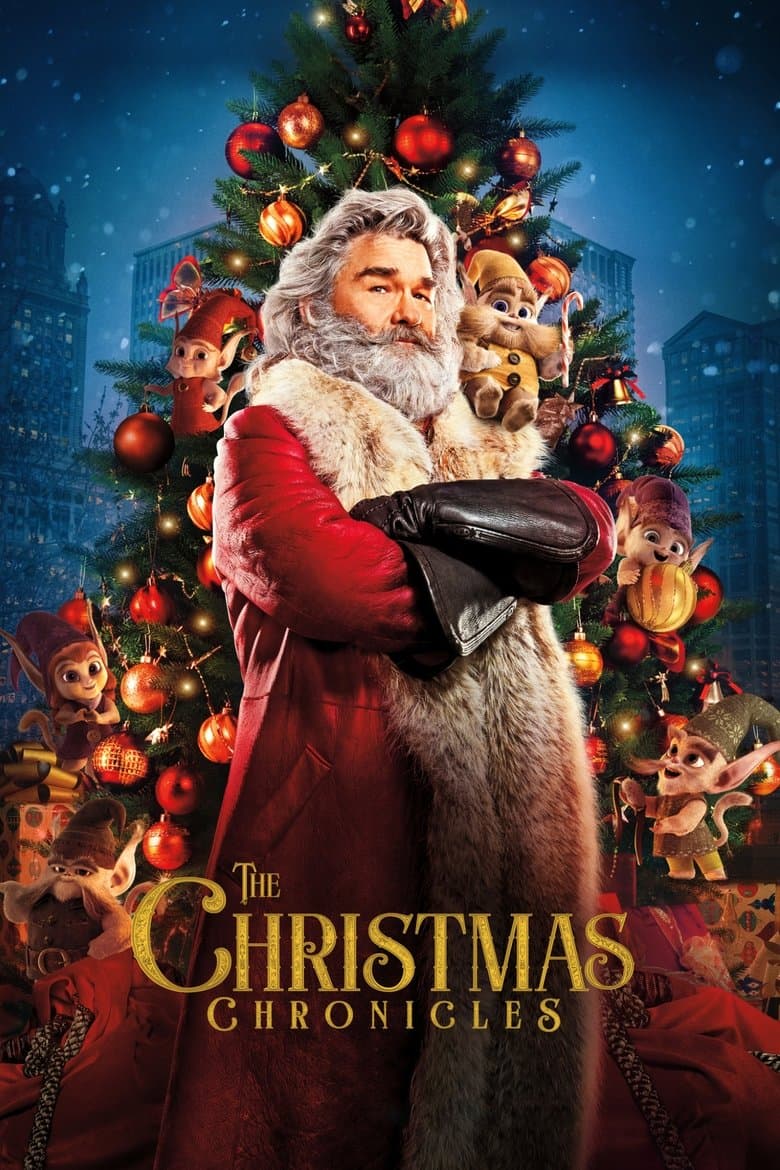
Siblings Kate and Teddy try to prove Santa Claus is real, but when they accidentally cause his sleigh to crash, they have to save Christmas.
Movie · 2016
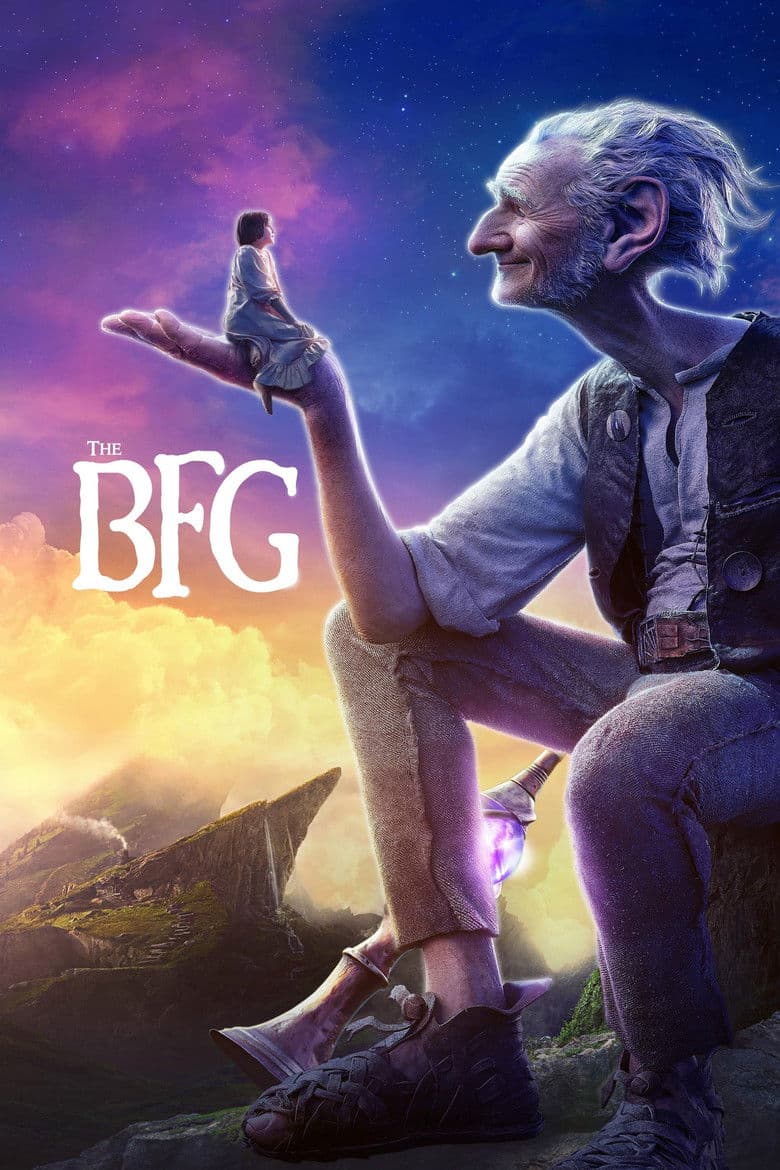
An orphan little girl befriends a benevolent giant who takes her to Giant Country, where they attempt to stop the man-eating giants that are invading the human world.
Movie · 2016
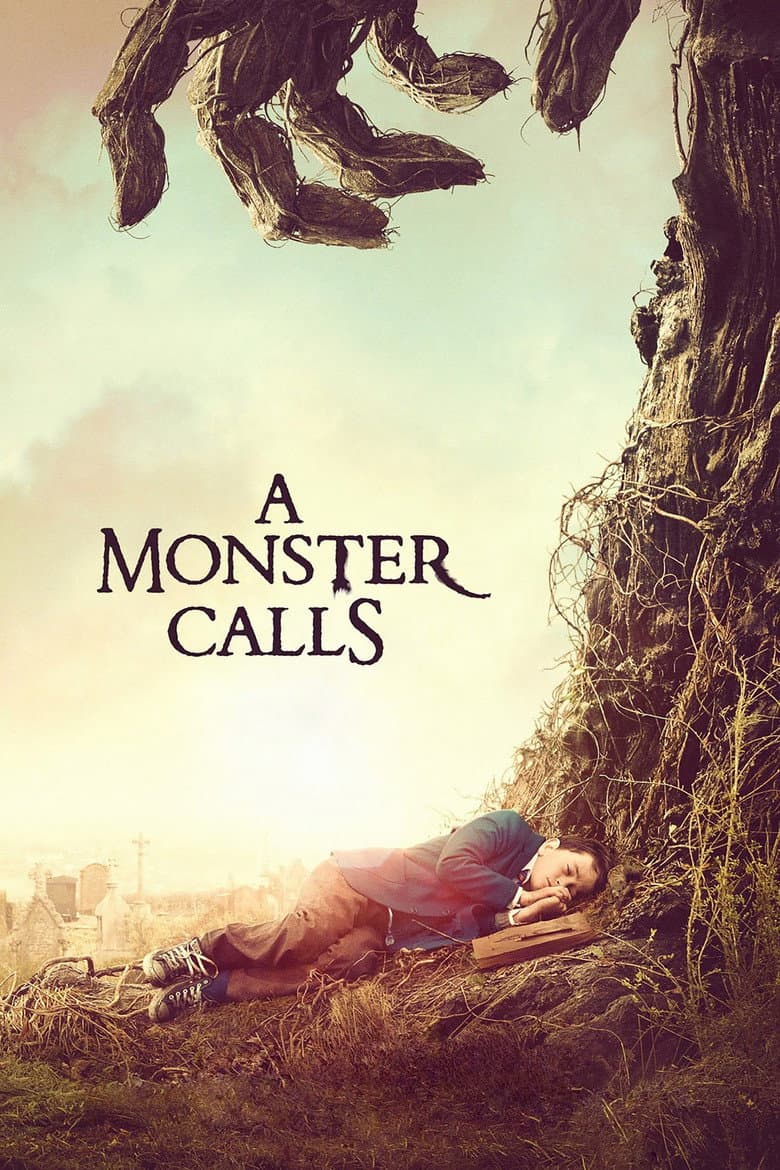
12-year-old Conor encounters an ancient tree monster who proceeds to help him cope with his mother's terminal illness and being bullied in school.
Movie · 2020
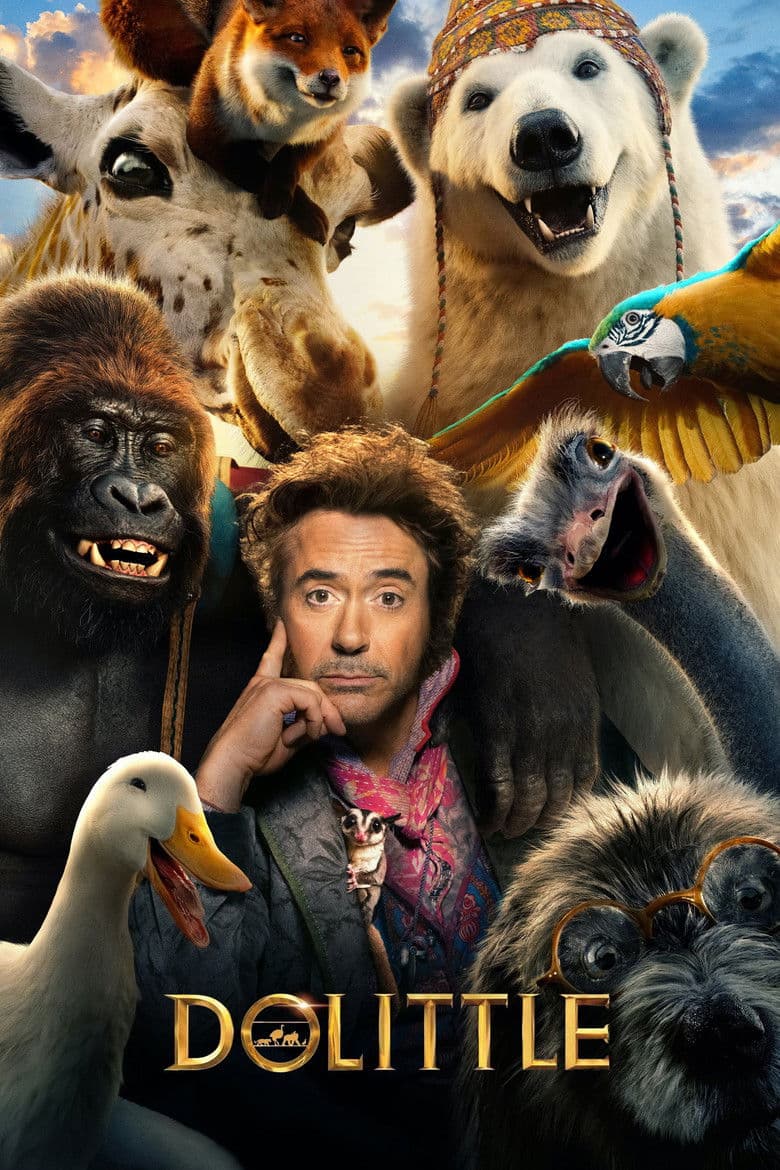
After losing his wife seven years earlier, the eccentric Dr. John Dolittle, famed doctor and veterinarian of Queen Victoria’s England, hermits himself away behind the high walls…
Movie · 2025
Desperate to be a big guy, SpongeBob sets out to prove his bravery to Mr. Krabs by following The Flying Dutchman – a mysterious swashbuckling ghost pirate – on a seafaring…
