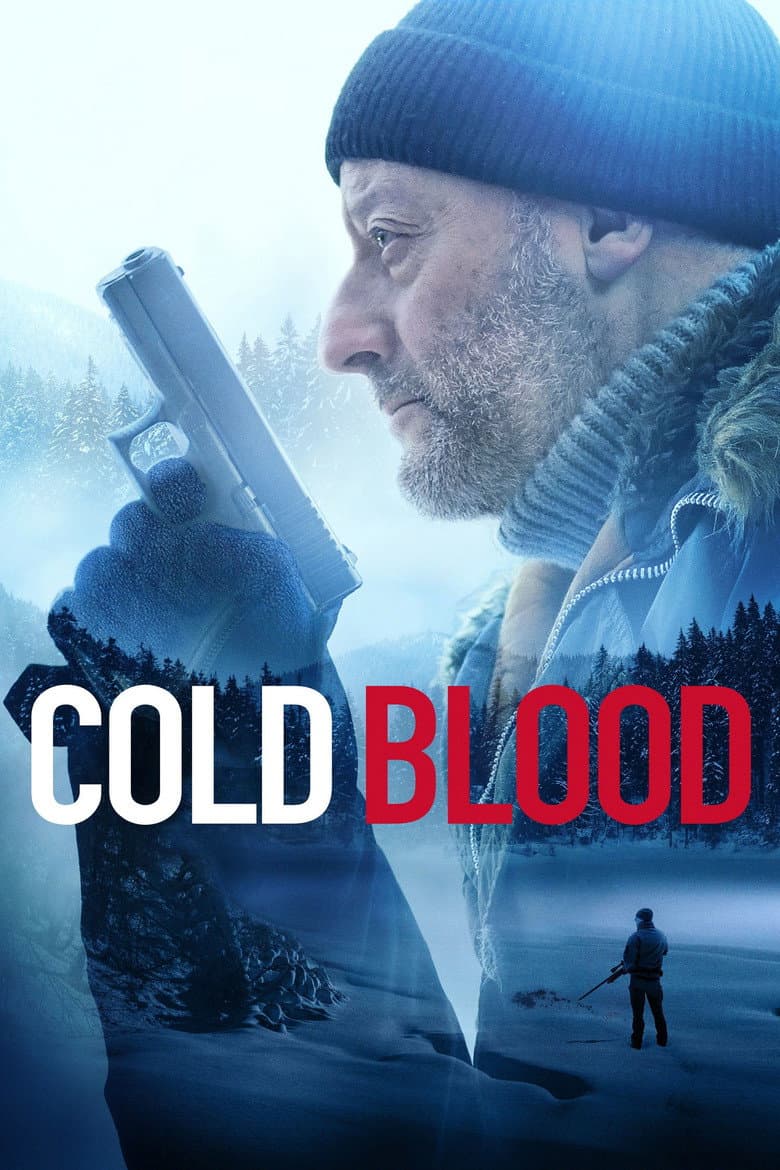
Cold Blood follows Henry, a retired hit man who lives alone beside a frozen lake in the North American wilderness. He spends his days fishing, hunting, and hiding from the world after a life of killing. A badly hurt young woman named Melody reaches his cabin after a snowmobile crash. Henry saves her, but her secret brings danger back to his door. The quiet setting gives the film a cold and tense mood before the story turns into a dark action thriller.
The story follows Henry and Melody as they test each other and slowly build trust. Henry learns that Melody came to the wilderness because of an old family wound and a plan for revenge. A police investigation follows Henry’s last killing and adds another path through the mystery. The film explores regret, betrayal, survival, and the cost of a violent life. Henry must decide whether he will keep acting like a killer or risk his own life to protect someone else.
Community feedback
Was our 2% Woke rating accurate?
Breakdown
These are the editorial factors and ratings behind our score for Cold Blood.
Woke representation / casting
Not present. The main cast centers on an older male hit man and a young woman tied to his past. The supporting police and family roles do not form a diversity-focused group, and the film does not present casting as an identity message.
0%
Woke political dialogue
Not present. The dialogue deals with killings, survival, police work, and trust. It does not push modern identity, gender-role, DEI, or activist ideas.
0%
Identity-driven story themes
Not present. Henry and Melody face revenge, regret, betrayal, and survival. The story does not make race, sex, gender, or queer identity the source of its conflict or message.
0%
Western institutional / cultural critique
Not present. The police investigate a murder, and a wealthy father is part of Melody’s past. The film does not turn those parts into a modern attack on Western institutions, family roles, Christianity, or capitalism.
0%
Woke character or canon changes
Not relevant. Cold Blood is an original thriller and does not adapt an established character, canon, or historical event in an identity-driven way.
0%
Anti-woke backlash and complaints
Not present. Public complaints focus on slow pacing, confusing plot, weak dialogue, and the ending. No reported complaint says the film pushes woke, DEI, identity politics, or activist content.
0%
Creator track record context
Frédéric Petitjean has no clear recurring record of DEI or identity-focused work. Kelly Valentine Hendry has publicly supported diversity and inclusion in casting. The other listed crew members have little documented activist or representation-first activity. The film does not turn this background into a major visible message.
12%
Production
Movie · 2026
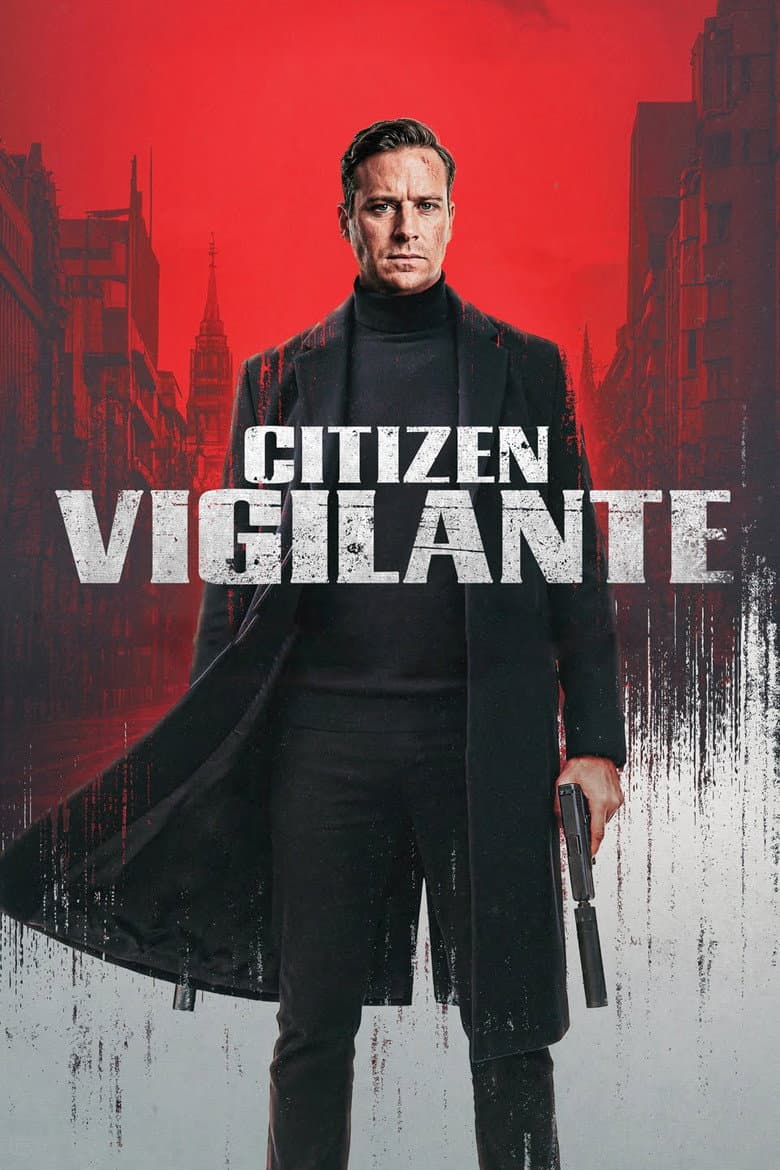
A man takes justice into his own hands, hunting down criminals. His vigilante crusade makes him a social media star but puts him at odds with the local police chief.
Movie · 2019
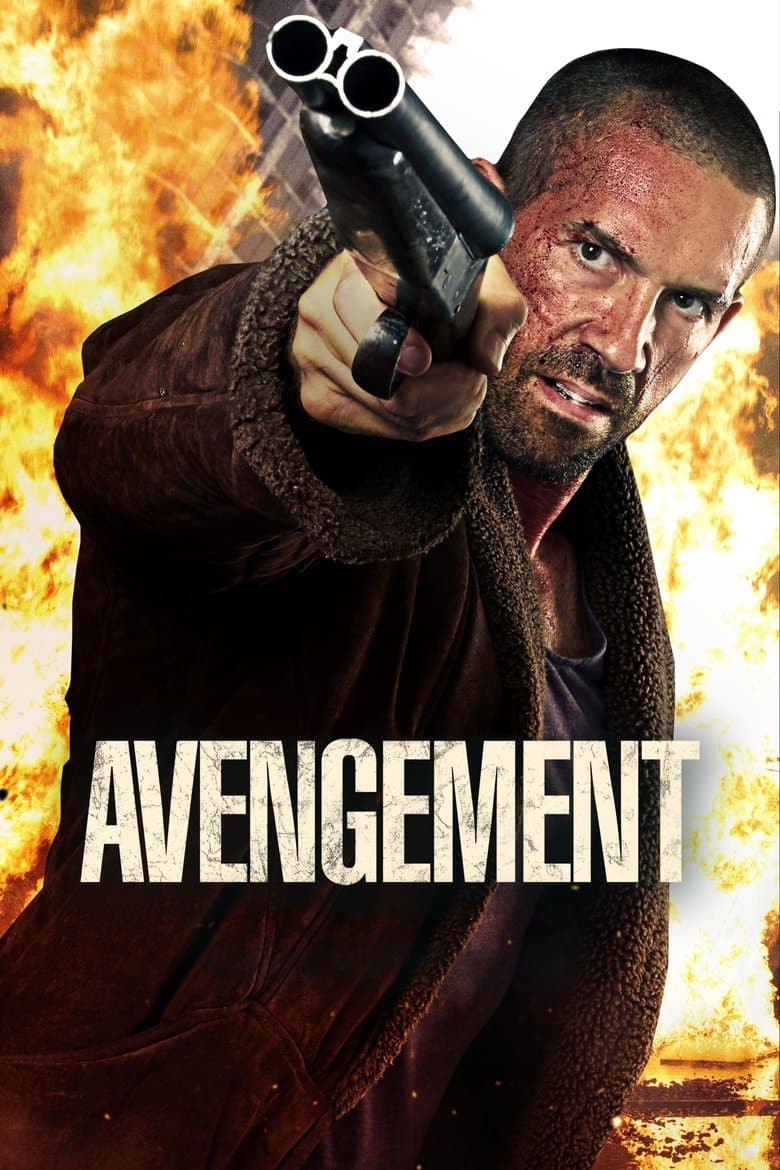
While on a prison furlough, a lowly criminal evades his guards and returns to his old stomping ground to take revenge on the people who turned him into a cold blooded killer.
Movie · 2016
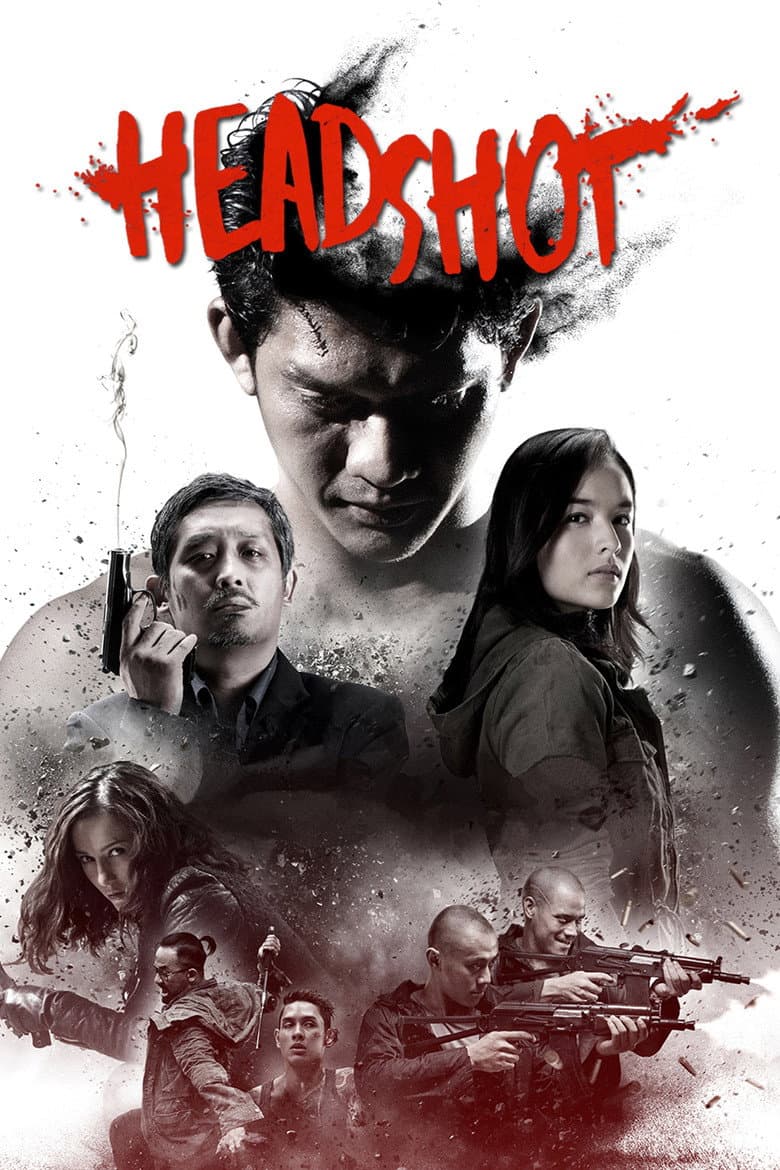
A young man washes ashore, his memory gone - but his past comes back to haunt him after he is nursed back to health and his killing ability is needed when he takes on a powerful…
Movie · 2021
Rescued as a child by the legendary assassin Moody and trained in the family business, Anna is the world’s most skilled contract killer.
Movie · 2017
After working as a drug courier and getting into a brutal shootout with police, a former boxer finds himself at the mercy of his enemies as they force him to instigate violent…
Movie · 2021
A former special forces agent is trapped in a time loop and relives his death over and over again. To escape the terrible situation, he must track down those responsible and stop…
Movie · 2023
Ethan Hunt and his IMF team embark on their most dangerous mission yet: To track down a terrifying new weapon that threatens all of humanity before it falls into the wrong hands.
Movie · 2024
When a Delta Force special ops mission goes terribly wrong, Air Force drone pilot Reaper has 48 hours to remedy what has devolved into a wild rescue operation.
