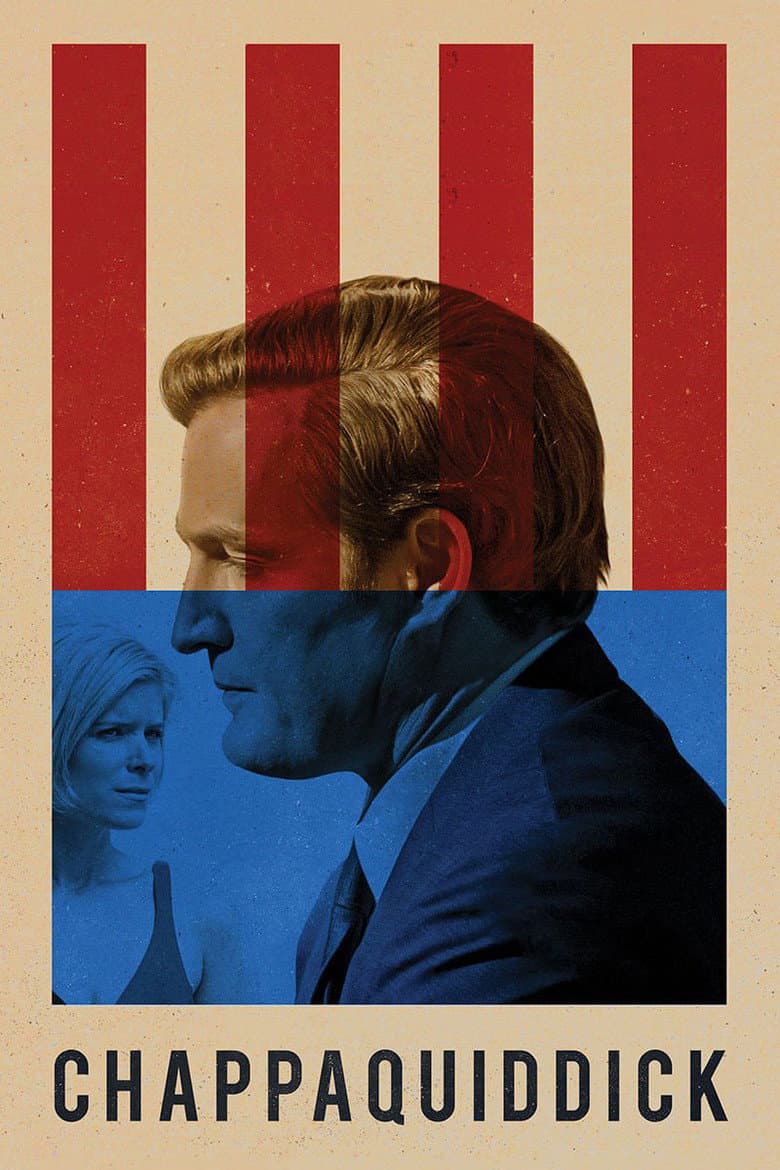
Chappaquiddick follows Senator Ted Kennedy during one week in July 1969. After he drives off a bridge on a dark island road, his passenger, Mary Jo Kopechne, remains trapped in the car and dies. Ted reaches safety but waits many hours before reporting the crash, while his family and political friends work to protect him. The movie has a tense, grim tone and focuses on guilt, fear, family pressure, and political power.
The film gives Mary Jo more detail than old news reports that called her only a blonde or a secretary. It shows her as a smart campaign worker and treats the loss of her life as the human center of the scandal. The story also shows older men using family ties, lawyers, and media plans to shield Ted, which creates a clear message about male privilege and women being pushed aside. These ideas are important to the plot, but the movie stays focused on one real event and does not turn into a broad modern identity or activist story.
Community feedback
Was our 36% Woke rating accurate?
Breakdown
These are the editorial factors and ratings behind our score for Chappaquiddick.
Woke representation / casting
Not present. The lead cast follows the real identities of Ted Kennedy, Mary Jo Kopechne, and their political circle. The film does not build a diversity-first group or market its casting as an identity statement.
0%
Woke political dialogue
Not present. The dialogue centers on the crash, family duty, public trust, and saving Ted’s career. The film has political talk, but it does not push modern DEI, gender-role, or activist ideas.
0%
Identity-driven story themes
Mary Jo is shown as a smart campaign worker whose life was reduced by old press labels. The film repeatedly shows older men protecting Ted’s career after her death. The story compares a powerful man’s future with a young woman’s lost future. This gender and power theme is important to the plot, but the movie remains about one 1969 case.
42%
Western institutional / cultural critique
The film shows a political family using lawyers, media workers, and old allies to control the story. It presents Ted’s male entitlement and political favoritism as serious failures. The story also questions why voters forgive a powerful leader. It stays tied to the Kennedy scandal and does not attack Christianity, capitalism, or Western culture.
34%
Woke character or canon changes
Not relevant. The film changes some dialogue and private moments for a historical drama. It does not swap the race, gender, sexuality, or hero role of a real person.
0%
Anti-woke backlash and complaints
Not present. No clear anti-woke backlash is documented. Reported criticism focused on accuracy, speculation, and fairness to Ted Kennedy, not on DEI, identity politics, or activist messaging.
0%
Creator track record context
Director John Curran and writers Taylor Allen and Andrew Logan have low or modest stored woke scores. Byron Allen is a stronger context signal because he supports Black economic inclusion, and some Allen Media figures support minority and girls’ causes. Casting director Mary Vernieu has spoken about representation, while most other producers and Marisol Roncali have low or modest scores. This gives a mild creator context signal, not a title-wide activist pattern.
28%
Production
Movie · 2024
While serving as a juror in a high profile murder trial, family man Justin Kemp finds himself struggling with a serious moral dilemma…one he could use to sway the jury verdict and…
Movie · 2025
Seasoned deep-sea divers battle the raging elements to rescue their crewmate trapped hundreds of feet below the ocean's surface.
Movie · 2020
South Africa, 1978. Tim Jenkin and Stephen Lee, two white political activists from the African National Congress imprisoned by the apartheid regime, put a plan in motion to escape…
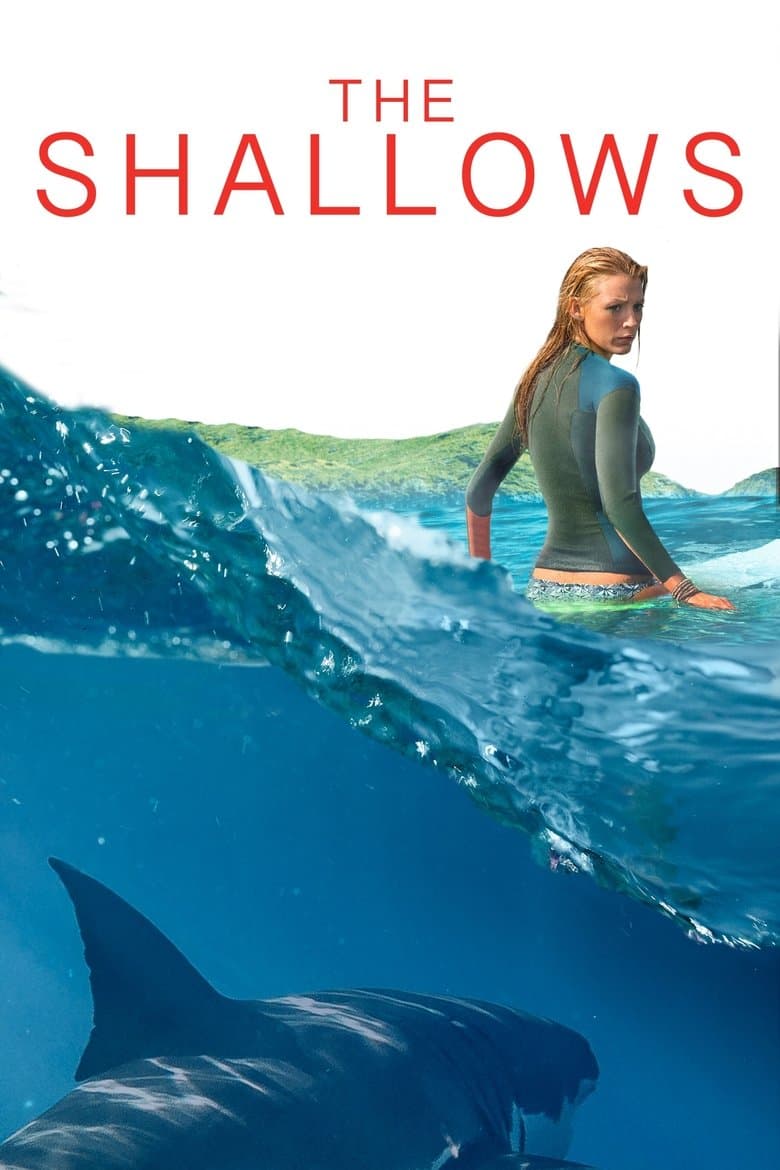
Movie · 2016
While surfing on a secluded beach, Nancy finds herself in the feeding grounds of a great white shark. Though stranded only 200 yards from shore, survival proves to be the ultimate…
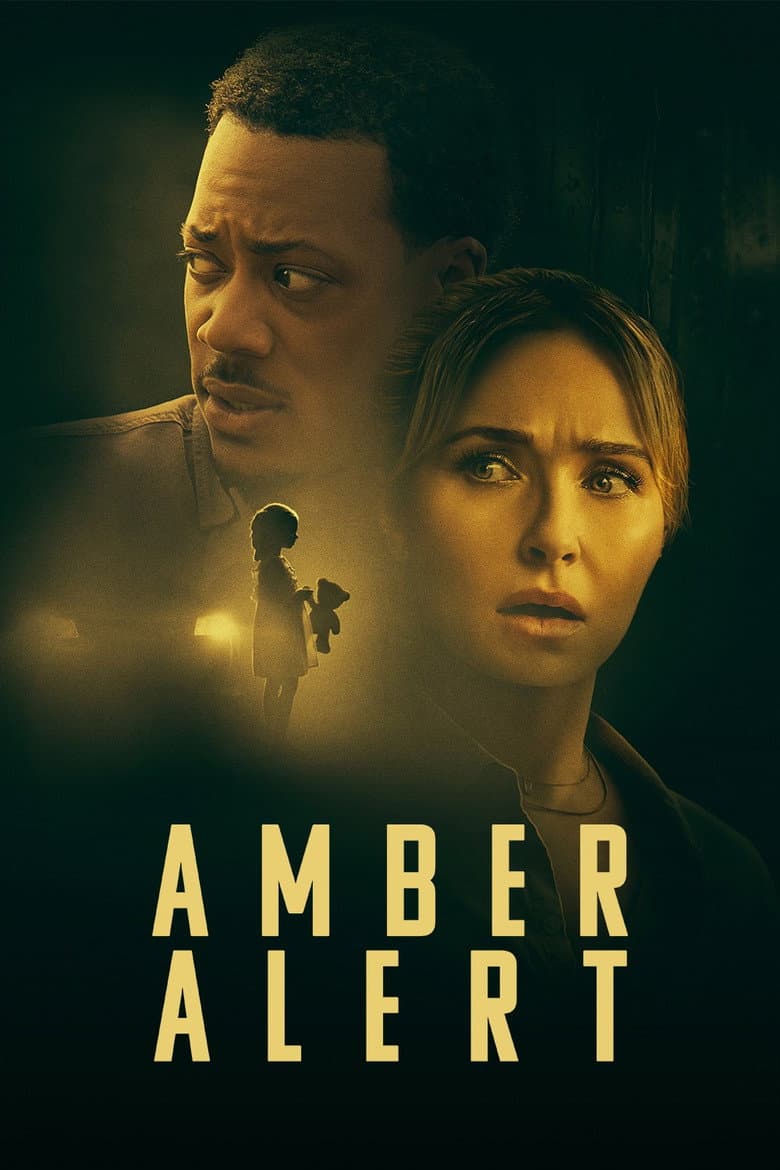
Movie · 2024
A ride-share turns into a high-stakes game of cat and mouse after it follows a car fitting the description of an AMBER Alert.
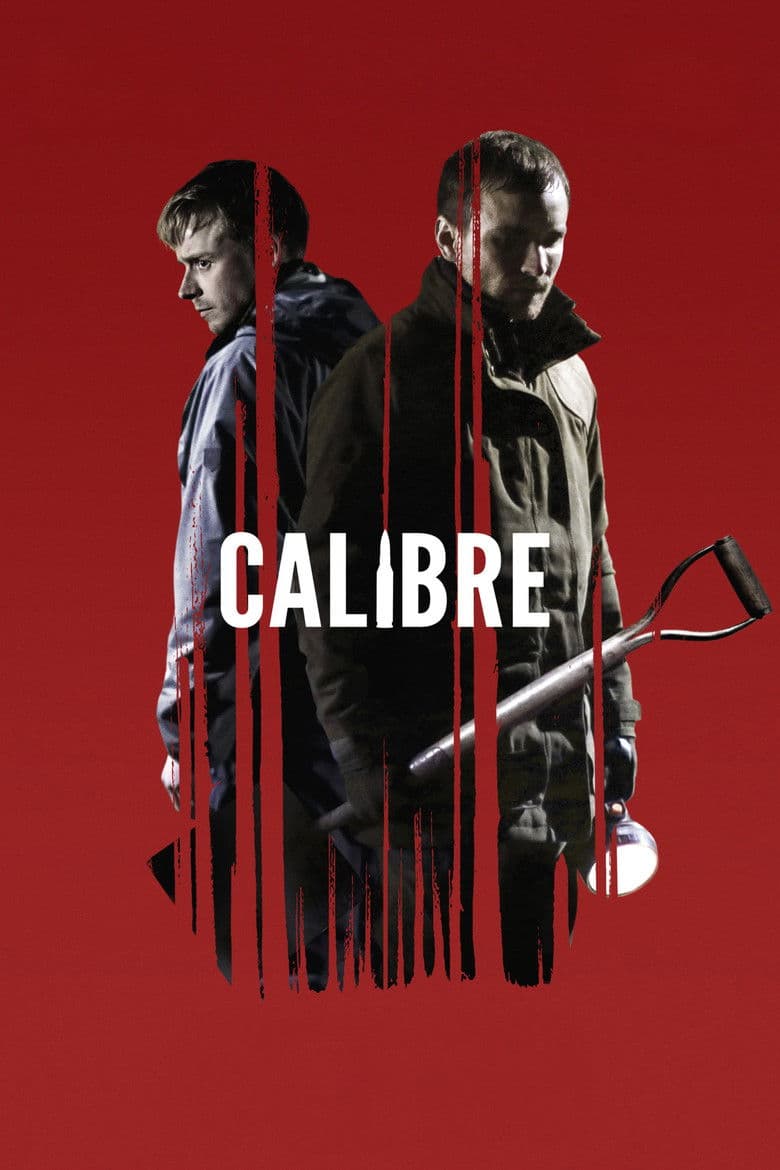
Movie · 2018
Two lifelong friends head up to an isolated Scottish Highlands village for a weekend hunting trip that descends into a never-ending nightmare as they attempt to cover up a…
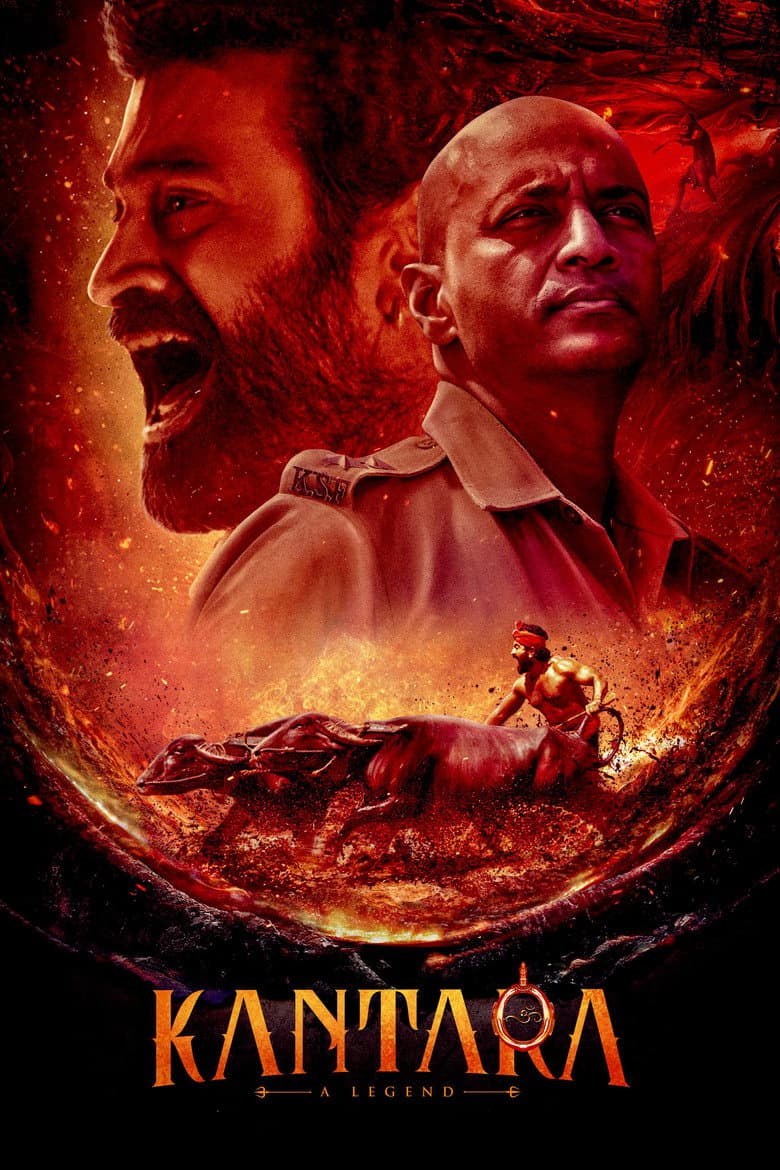
Movie · 2022
Shiva, a tribal vagabond lives with his mother in hamlet, stays away from the traditional Daivaradhane and Bhoota Kola legacy due to an unforgettable childhood incident.
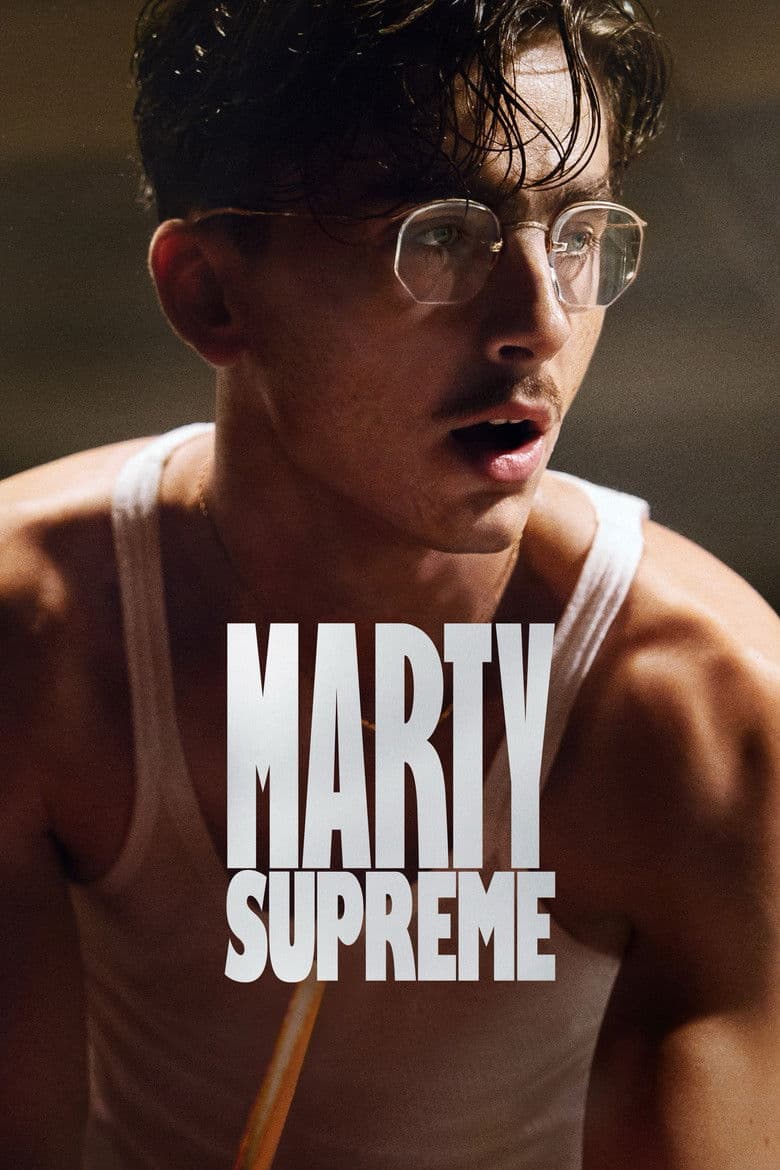
Movie · 2025
Marty Mauser, a young man with a dream no one respects, goes to hell and back in pursuit of greatness.
