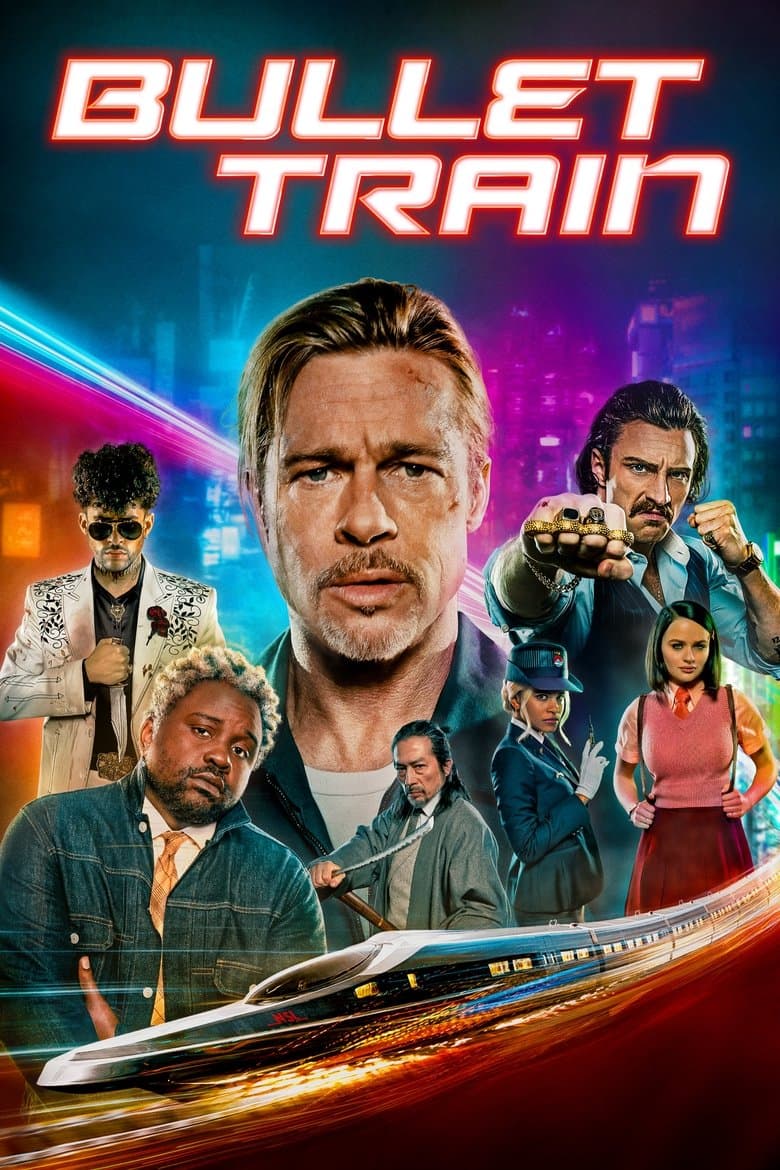
Bullet Train is a fast-paced action comedy about an unlucky assassin named Ladybug who tries to retrieve a briefcase from a high-speed train in Japan. He runs into several other deadly assassins who all have competing goals, leading to constant fights and chaos. The film features a few modern buzzwords, including joke references to mansplaining and white girl tears. Several characters from the original book are also changed to have different genders and races.
Community feedback
Was our 42% Woke rating accurate?
Breakdown
These are the editorial factors and ratings behind our score for Bullet Train.
Woke representation / casting
The film features several prominent gender and race swaps of characters from the original book, including turning the male Satoshi Oji into the female 'Prince' and the male assassin 'Hornet' into a black woman played by Zazie Beetz. Additionally, Lemon is played by black actor Brian Tyree Henry, and he and Tangerine are depicted as a biracial pair of adoptive brothers. There is also a brief cameo by Channing Tatum playing a passenger who is depicted as sexually fluid and eager to engage in a sexual encounter with another man.
48%
Woke political dialogue
The screenplay contains comedic references to modern identity politics, such as Ladybug repeatedly apologizing for 'mansplaining' and Lemon making a dismissive joke about being distracted by 'white girl tears.' The film also includes a running joke with Channing Tatum's character making sexually suggestive gay remarks to Ladybug. While these elements are present, they are framed entirely as comedic punchlines rather than serious political lectures.
25%
Identity-driven story themes
The main story focuses on luck, fate, karma, and father-son relationships rather than identity politics or social justice. There is a minor subplot where the female villain, Prince, resents her father for favoring her brother over her because she is a girl, which introduces a mild gender-grievance motif, but she is a clearly defined, psychopathic antagonist.
5%
Western institutional / cultural critique
The film does not target or critique Western culture, traditional institutions, capitalism, or Christianity. It is a highly stylized yakuza action-comedy set entirely in Japan focused on eccentric criminals and stylized violence.
0%
Woke character or canon changes
Several key characters from Kotaro Isaka's novel 'Maria Beetle' were modified for the film adaptation. The psychopathic male student Satoshi Oji is gender-swapped to the female 'Prince,' the male assassin 'Hornet' becomes a female played by Zazie Beetz, and the Japanese assassin partners Lemon and Tangerine are adapted into a biracial pair of adoptive brothers.
32%
Anti-woke backlash and complaints
There was minor online discussion among anti-woke circles pointing out the gender and race-swaps of multiple characters from the original book, as well as minor cringe at the 'mansplaining' joke and the gay-themed cameo. However, there was no major organized boycott or widespread backlash, as most viewers saw the film as a fun, apolitical action comedy.
12%
Creator track record context
Director David Leitch and writer Zak Olkewicz have low-scoring profiles with virtually no public footprint of progressive activism. Original writer Kotaro Isaka defended the casting choices against progressive online outrage, while other production and casting staff have minimal activist ties.
11%
Production

Movie · 2026
A dysfunctional couple head to a remote cabin to "reconnect", but each has secret intentions to kill the other.
Movie · 2025
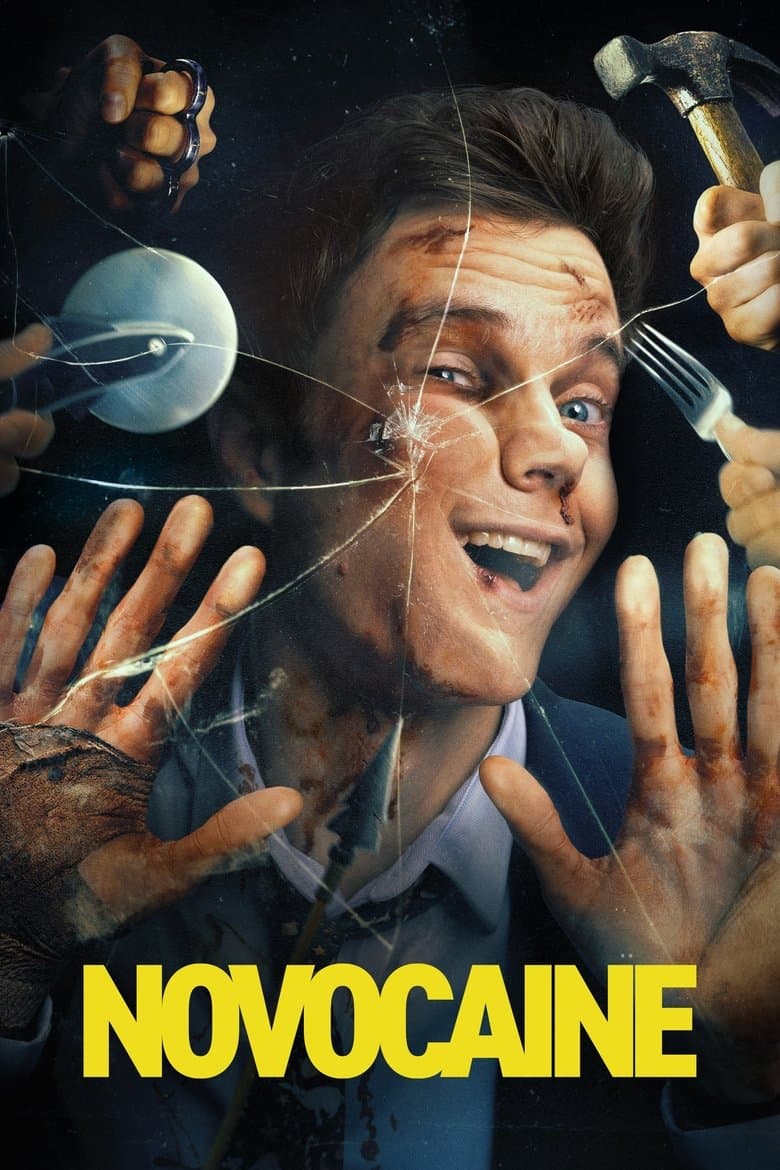
When the girl of his dreams is kidnapped, everyman Nate turns his inability to feel pain into an unexpected strength in his fight to get her back.
Movie · 2024
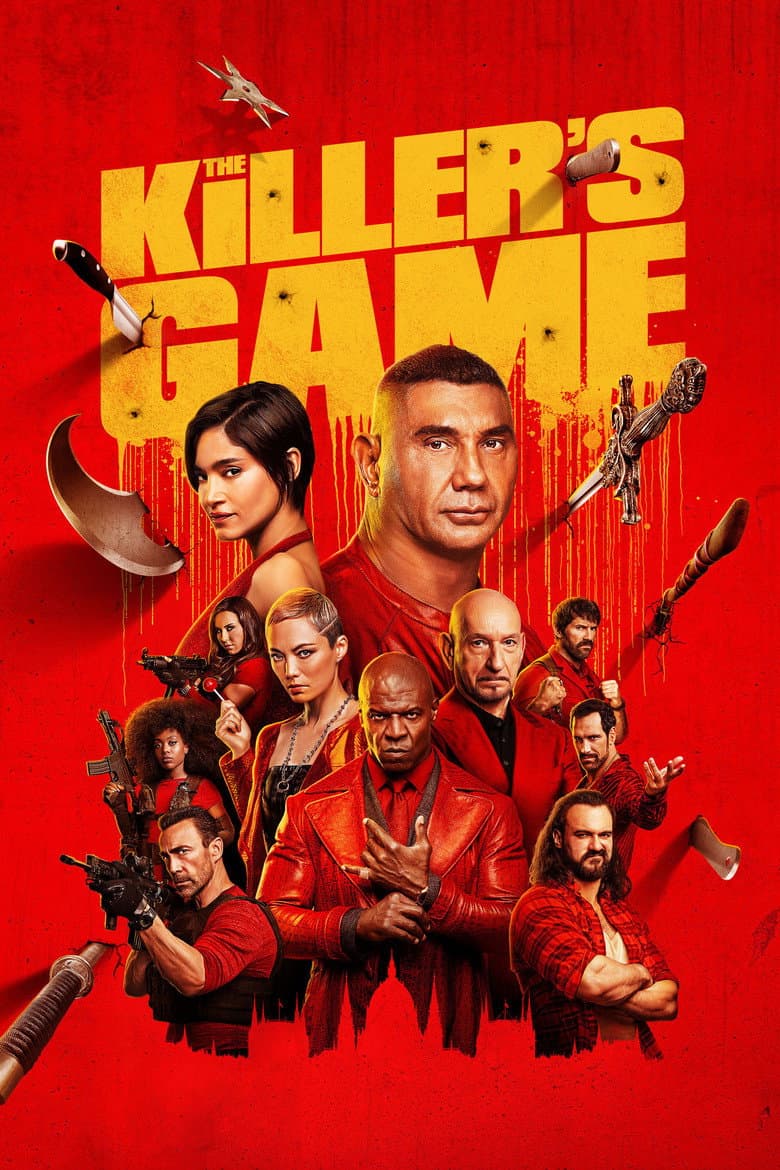
When top hitman Joe Flood is diagnosed with a terminal illness, he decides to take matters into his own hands – by taking a hit out on himself.
Movie · 2017
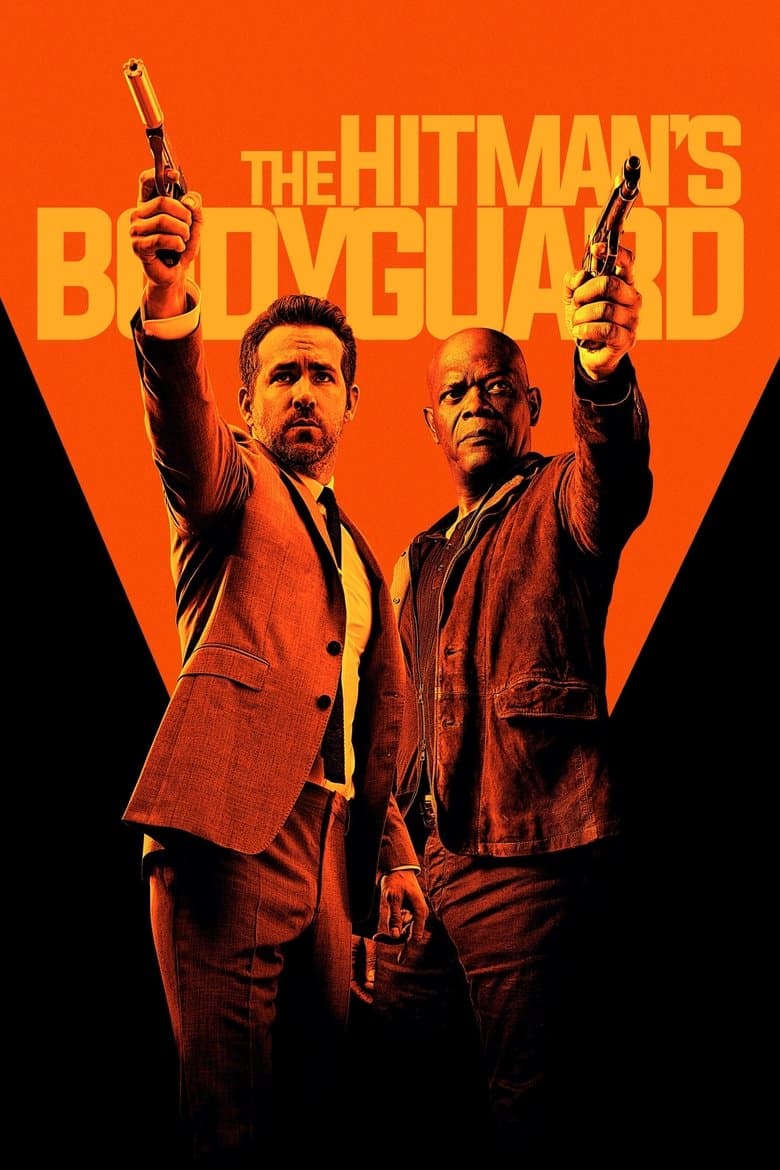
The world’s top bodyguard gets a new client, a hitman who must testify at the International Court of Justice.
Movie · 2023
Kevin Hart - playing a version of himself - is on a death-defying quest to become an action star. And with a little help from John Travolta, Nathalie Emmanuel, and Josh Hartnett -…
Movie · 2020
Spenser, a former Boston patrolman who just got out from prison, teams up with Hawk, an aspiring fighter, to unravel the truth behind the death of two police officers.
Movie · 2023
Special agent Orson Fortune and his team of operatives recruit one of Hollywood's biggest movie stars to help them on an undercover mission when the sale of a deadly new weapons…

Movie · 2021
An army doctor helps his love interest's family to find their kidnapped daughter.
