Movie review
July 30, 2020 · 85 min · PG-13
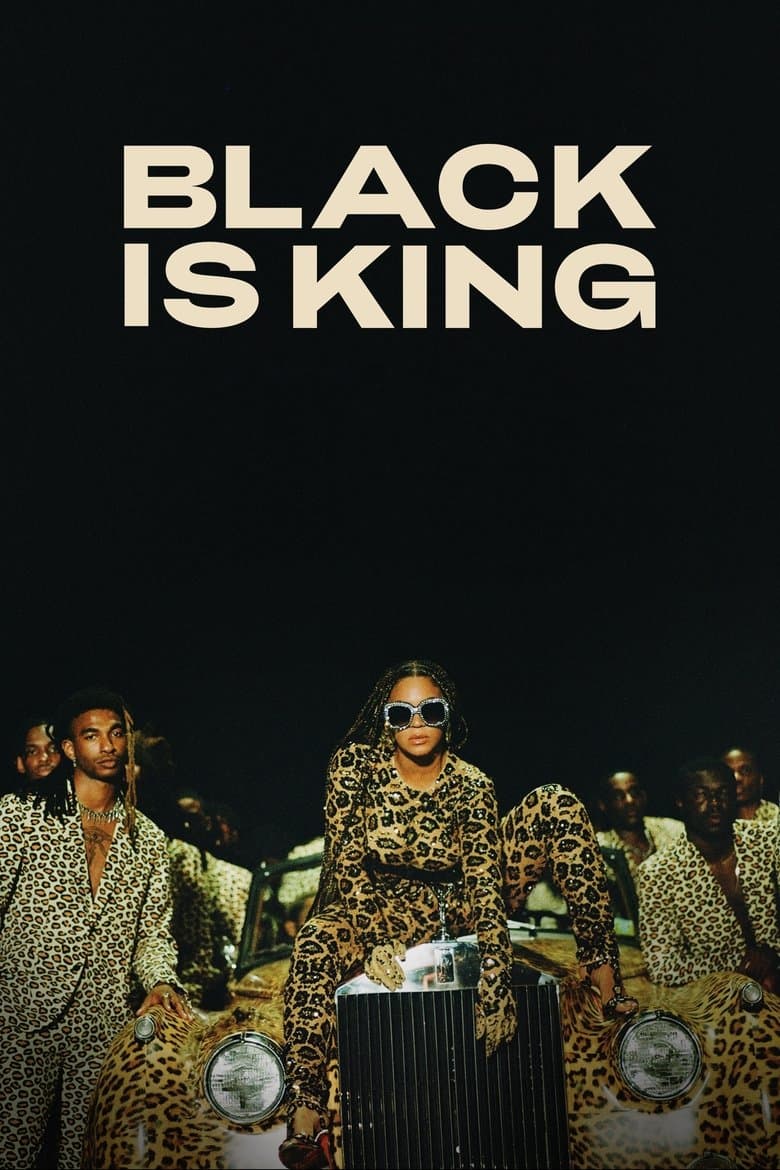
Black Is King follows a young African prince who is pushed away from his family and royal home. He travels through African, American, and European settings while he faces loss, doubt, and pressure. His father’s memory and the voices of ancestors guide him back toward his family and his crown. The film tells this loose Lion King story through songs, dance, poetry, bright costumes, and a celebratory, dreamlike tone.
The film makes black identity, African heritage, and pride the center of the prince’s journey. It presents black men, women, and children as kings, queens, heroes, artists, and people with power over their own lives. The songs praise dark skin, Black hair, family roots, women’s strength, and a shared bond between Africa and the wider Black world. The story connects self-worth with resistance to shame, outside control, and the loss of history, so its message stays visible from beginning to end.
Community feedback
Was our 97% Woke rating accurate?
Breakdown
These are the editorial factors and ratings behind our score for Black Is King.
Woke representation / casting
The film puts Black performers in nearly every major visible role. The film presents Black Simba, Nala, Scar, dancers, children, and women as royal or powerful figures. The film gives repeated focus to dark skin, Black hair, black girls, and black female strength. The all-Black framing is part of the title’s message about Black beauty and power. This is an overwhelming representation-first design, not a small background choice.
94%
Woke political dialogue
The film repeatedly uses spoken words and lyrics about black identity, beauty, and power. The speakers say that black men are told not to love themselves and call for black men and women to be shown as strong, smart, and emotional. The songs mention repression, rubber bullets, marches, and peace and reparations. Another passage challenges “Uncle Sam” over the loss of language and self-knowledge. These lines make woke political dialogue a frequent part of the film, even though it does not name a political party.
68%
Identity-driven story themes
The film turns Simba’s return into a story about black identity, ancestry, and pride. The prince learns that his past and his people give him strength. The songs praise dark skin, Black hair, black family roots, and the link between Africa and the wider Black world. The film gives repeated space to black women, including a large female power sequence and a celebration of black girls. The film’s main goal is to replace shame and cultural loss with self-love and royal worth.
96%
Western institutional / cultural critique
The film links the prince’s loss of self to an outside world that tells black people to hate themselves. A spoken passage asks “Uncle Sam” how anyone can know a person who cannot speak for themselves. Another passage mentions repression, colonization, rubber bullets, marches, and reparations. These moments criticize racial power and Western control, but the film does not build a detailed attack on a named government, church, or economic system.
48%
Woke character or canon changes
Black Is King keeps Simba, Nala, Scar, the family conflict, and the return-to-the-throne arc from The Lion King. The film changes the animal kingdom into a human story led by black African and diaspora performers. The film also turns the lionesses into a large, visible display of black female power. This is a strong identity-based reworking of the source, although it is a loose visual album rather than a direct scene-by-scene remake.
43%
Anti-woke backlash and complaints
The separate X pass found a handful of small accounts calling the title racist, anti-white, or too woke. Similar claims appeared in isolated user reviews and discussion posts, including the idea that a “White Is King” project would not be allowed. One conservative-leaning professional review also accused the film of promoting racial division. No large conservative campaign, boycott, or review-bombing pattern appeared. The complaints are real but scattered.
35%
Creator track record context
Beyoncé has a long record of work about black culture, black women, feminism, and racial empowerment. Several co-directors and writers also center African identity, black history, women, and representation in their work. Some producers and visual directors have mainly commercial records, so the whole team is not equally activist. The strongest creative voices still form a clear representation-first pattern that matches this film.
82%
Production
