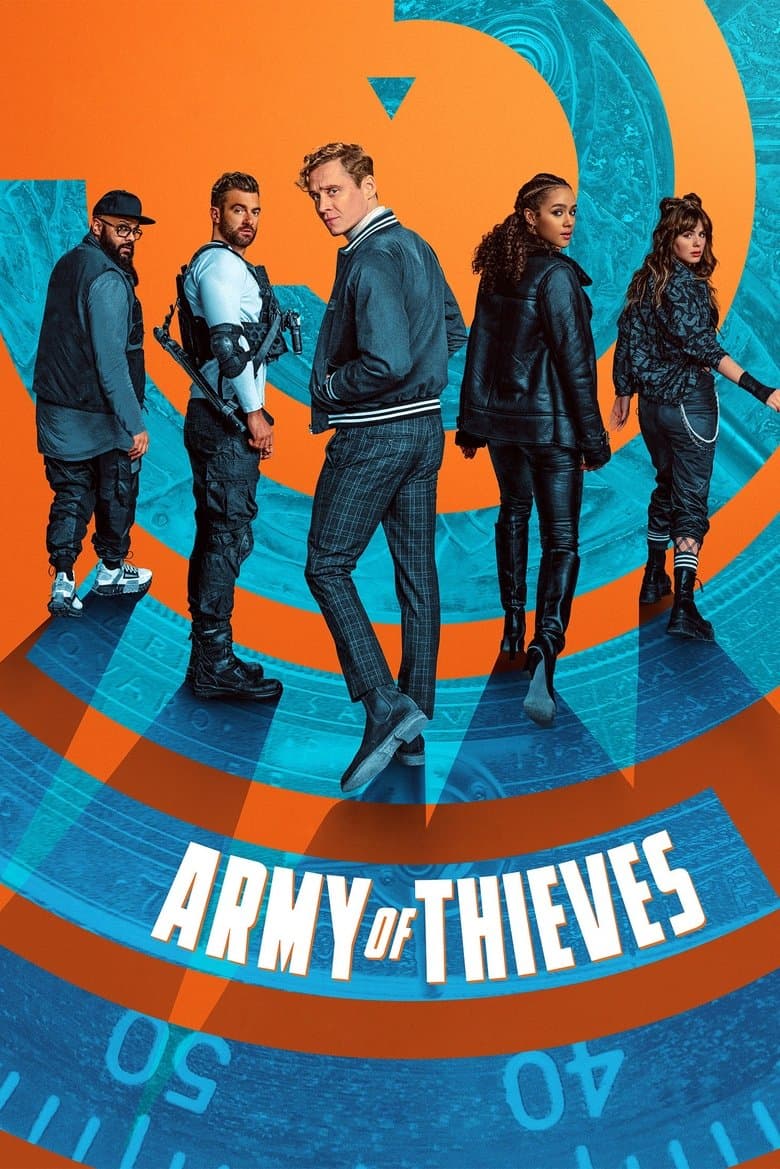
Army of Thieves is a light romantic heist comedy and a prequel to Army of the Dead. Awkward German bank teller and safecracking YouTuber Sebastian is recruited by jewel thief Gwendoline Starr to crack three legendary Hans Wagner safes across Europe before they are shut down. The crew includes a hacker, muscle, and a driver, and they pull jobs in Paris, Prague, and St. Moritz while dodging Interpol. Romance grows between Sebastian and Gwendoline, Brad turns jealous and treacherous, and Gwendoline later surrenders so Sebastian can escape. The film leans on heist fun and Wagner safe lore rather than zombie action.
Audience-visible diversity shows up mainly through casting and specialist roles. Nathalie Emmanuel plays the skilled crew leader, combat-ready jewel thief, and romantic lead, while Ruby O. Fee plays the team’s master hacker and Guz Khan plays the getaway driver. White male Brad is the preening muscle who becomes the antagonist, and the hero stays a white German male nerd who is the only true safecracking genius. Dialogue is mostly heist banter, romance, and light anti-elite talk tied to Gwendoline’s quest-over-money motive and a housing-crisis privilege backstory. Race, gender identity, and systemic oppression are not the plot’s engine, and there was no meaningful mainstream campaign calling the film too woke.
Community feedback
Was our 25% Woke rating accurate?
Breakdown
These are the editorial factors and ratings behind our score for Army of Thieves.
Woke representation / casting
The modern European heist setting supports an international crew, and major roles still show a clear diversity pattern. Nathalie Emmanuel leads as the skilled thief and romantic lead, Ruby O. Fee is the master hacker, and Guz Khan drives the getaway car. White male Brad is the preening muscle who turns into the villain, while the hero stays a white German male nerd and the only true safe genius. The director said the pan-European cast made the film more colorful and more diverse, but it is not a full quota showcase.
24%
Woke political dialogue
Most talk is heist banter, safe geekery, and romance rather than activist speeches. Gwendoline rejects money for the myth of the quest and shows anger at privilege after her father is tied to the housing crisis. Critics noted undercooked Wagner-linked ideas about money and power. The anti-elite talk stays light and does not turn into sustained identity politics.
18%
Identity-driven story themes
The core story is a nerd origin heist, found-crew romance, and Ring Cycle safe lore. It lightly favors capable women who leave a toxic boyfriend, and Gwen outfights and handcuffs Brad. There is a soft sense that money corrupts and that robbing the rich is a challenge. Race, gender identity, and systemic oppression are not what drives the plot.
14%
Western institutional / cultural critique
The targets are banks, a billionaire’s safes, and a housing-crisis finance backstory that fits ordinary heist texture. Interpol is played for comedy, not as a deep attack on the West. There is no sustained case against patriarchy, whiteness, Christianity, or traditional family as ideology. Class and corruption notes stay at caper level.
12%
Woke character or canon changes
Not relevant. Original prequel characters and Dieter’s origin with no identity-driven swaps of established figures.
0%
Anti-woke backlash and complaints
There was no real mainstream campaign calling the film too woke. Only scattered fringe noise appeared, such as a dismissive social post and Reddit sarcasm about a competent female lead. Reviews focused on fun, formula, and length instead of politics. Organized backlash over DEI or race swaps did not take hold.
5%
Creator track record context
Schweighöfer is framed as light commercial entertainment with no activist profile, and Hatten scores low in the same cached context. Snyder’s co-story credit raises the average a little because he is a self-described liberal Democrat who cares about inclusion. Producers and casting directors sit mostly in the low range. The overall creative record is low to mild rather than activist-led.
18%
Production
Movie · 2022
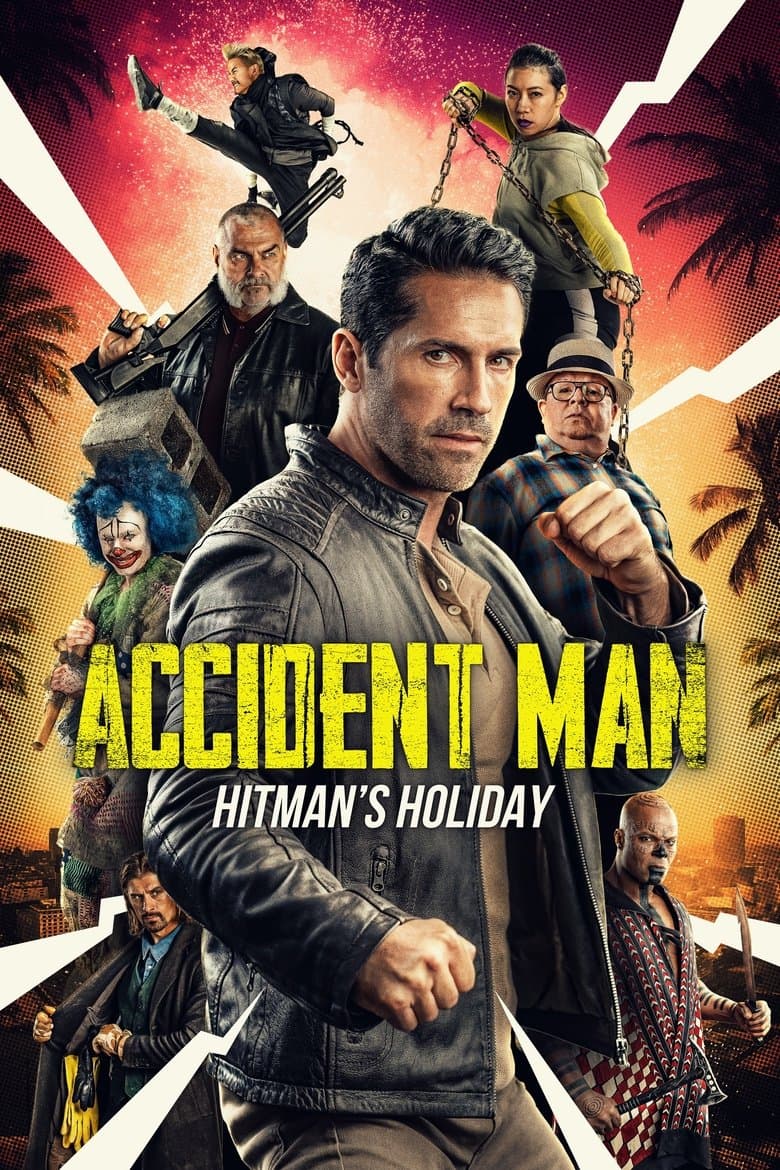
The Accident Man is back, and this time he must best the top assassins in the world to protect the ungrateful son of a mafia boss, save the life of his only friend and rekindle…
Movie · 2022
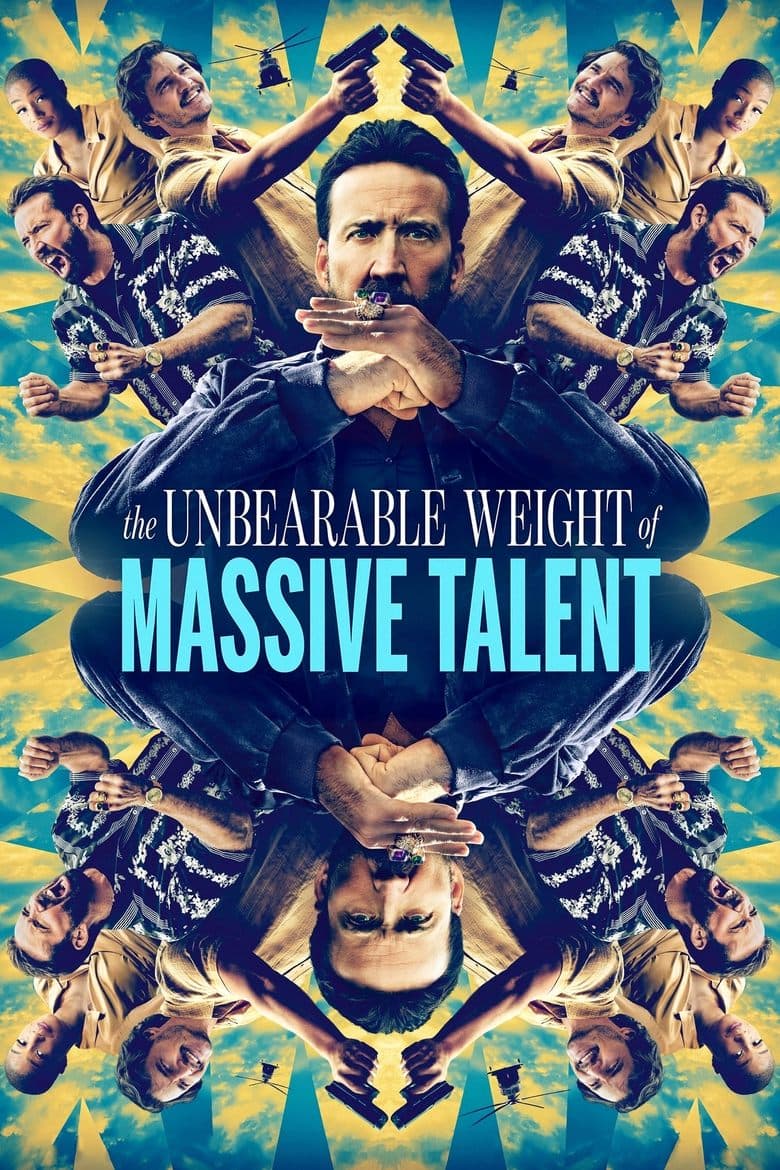
Creatively unfulfilled and facing financial ruin, Nick Cage must accept a $1 million offer to attend the birthday of a dangerous superfan.
Movie · 2019
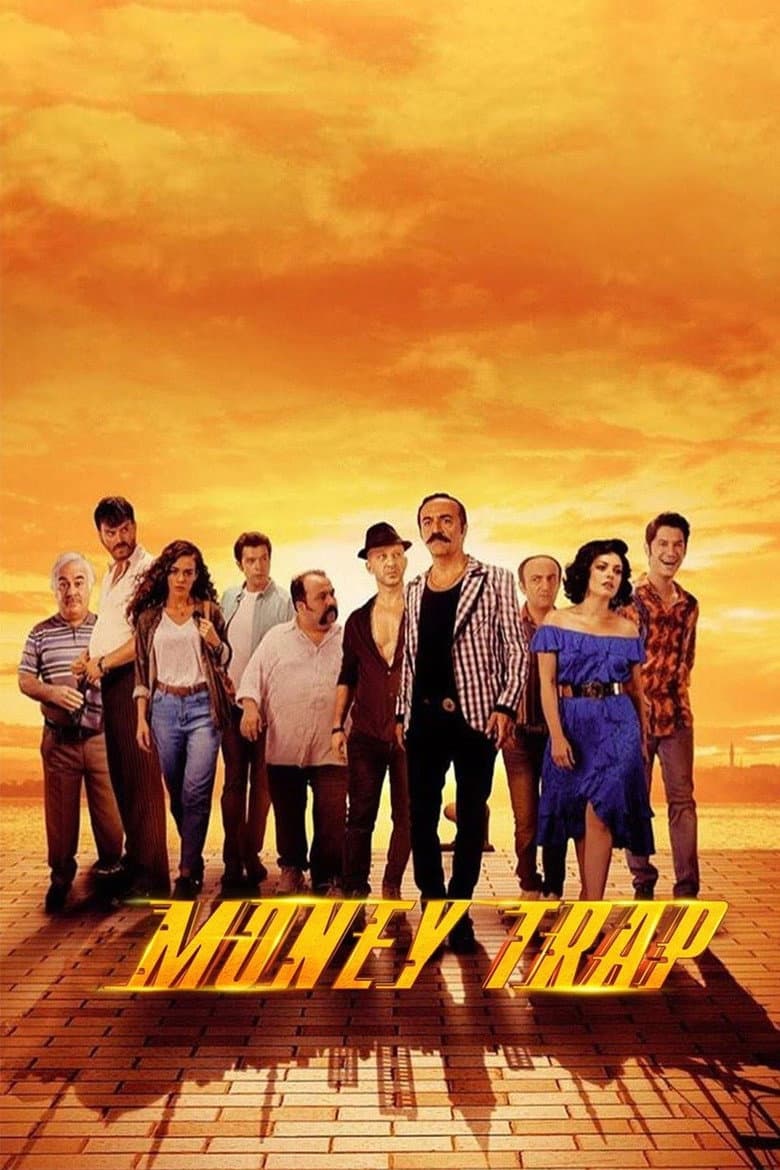
Asim Noyan swindles people with his lies and games. Asim Noyan and his gang, who no one else has been able to catch, get into a ruse again.
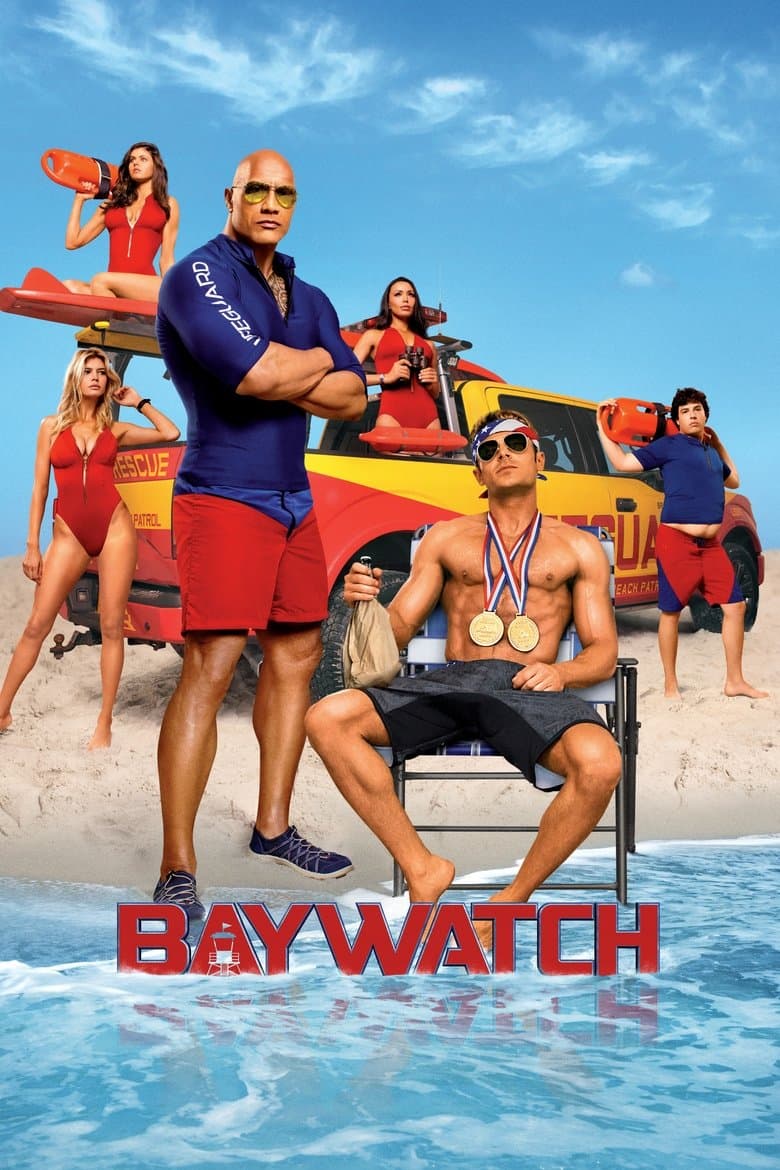
Movie · 2017
Devoted lifeguard Mitch Buchannon butts heads with a brash new recruit. Together, they uncover a local criminal plot that threatens the future of the Bay.
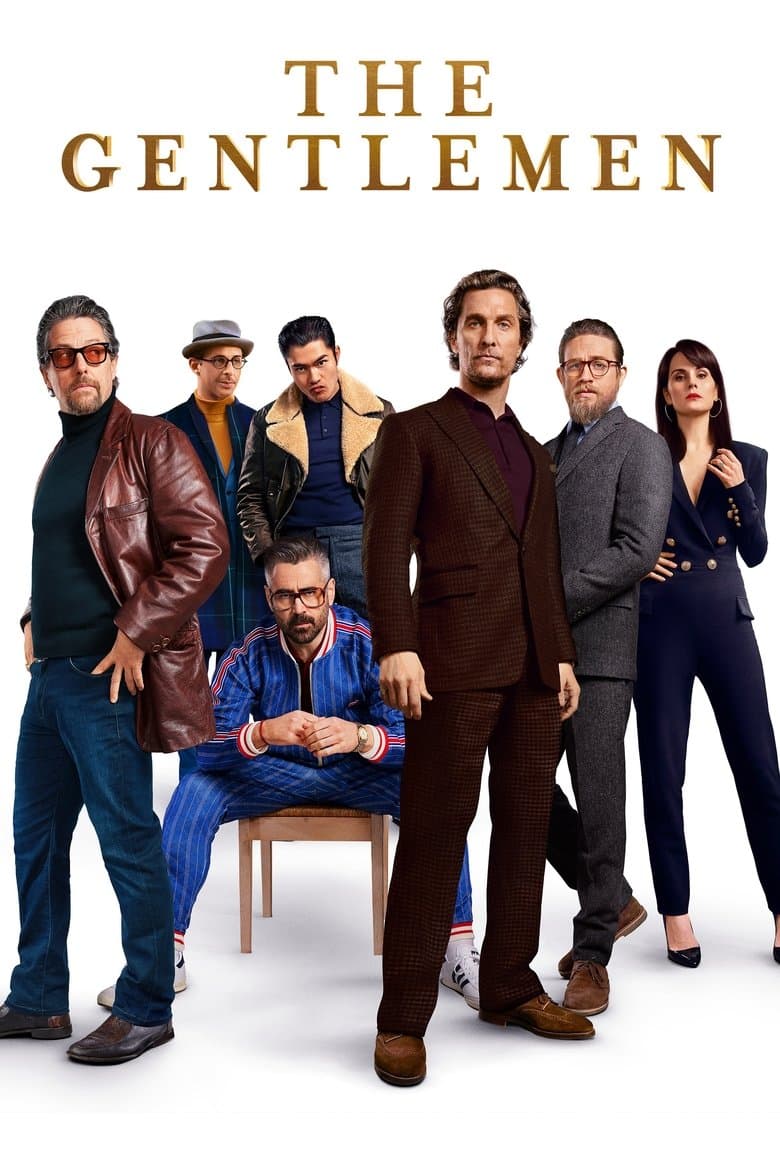
Movie · 2020
American expat Mickey Pearson has built a highly profitable marijuana empire in London. When word gets out that he’s looking to cash out of the business forever it triggers plots…

Movie · 2025
Kat is an improv comedy teacher beginning to question if she’s missed her shot at success. When an undercover cop offers her the role of a lifetime, she recruits two of her…
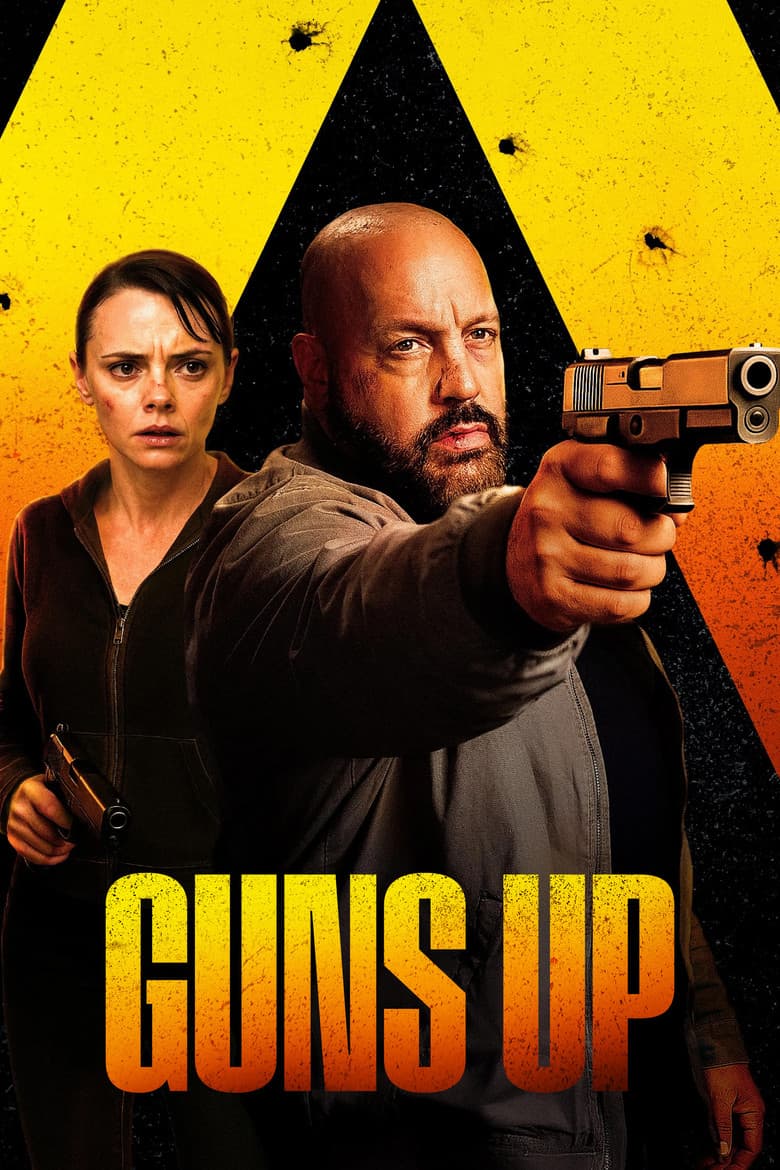
Movie · 2025
When a job goes horribly wrong, an ex-cop and family man who moonlights as a mob henchman has one night to get his family out of the city.
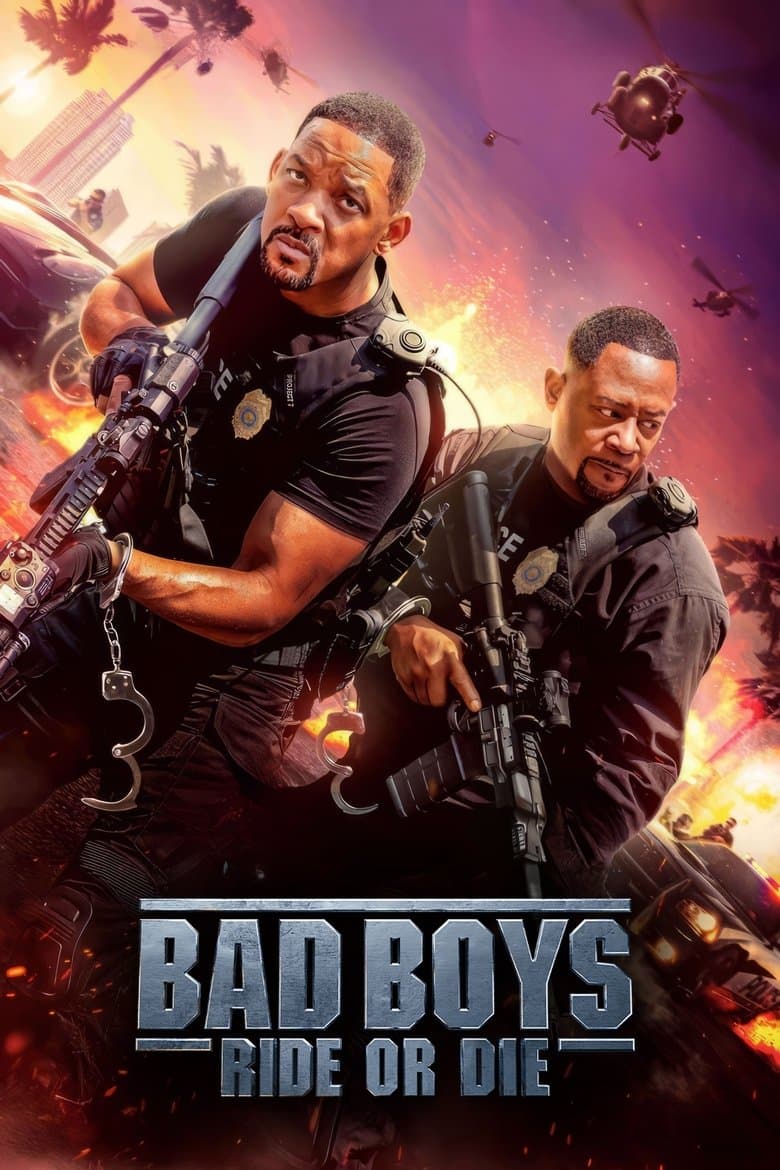
Movie · 2024
After their late former Captain is framed, Lowrey and Burnett try to clear his name, only to end up on the run themselves.
