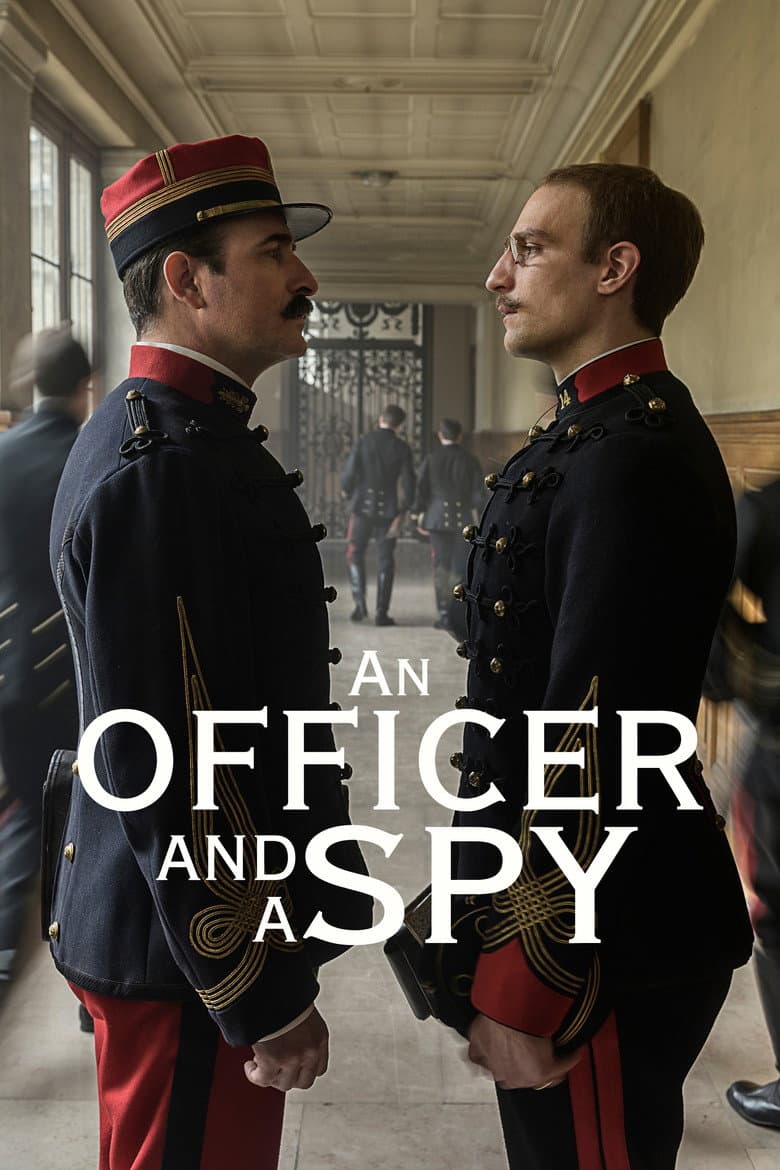
An Officer and a Spy is a French historical thriller set in the 1890s. Captain Alfred Dreyfus is blamed for selling military secrets to Germany and is sent to Devil’s Island. Colonel Georges Picquart takes charge of military intelligence after the trial. He finds signs that another officer committed the crime and risks his job to uncover the truth.
The story shows Dreyfus being targeted because he is Jewish, while army leaders protect a false verdict and hide forged evidence. Those events come from the real Dreyfus Affair and are treated as a period injustice, not as a modern campaign about identity. A brief subplot confirms that two male foreign officers are lovers, and their letters help Picquart follow the spy trail. The film’s main ideas are duty, truth, prejudice, and the damage caused when powerful groups protect themselves.
Community feedback
Was our 10% Woke rating accurate?
Breakdown
These are the editorial factors and ratings behind our score for An Officer and a Spy.
Woke representation / casting
Not present. The main cast matches the French army and other real people shown in the 1890s. The film does not use diversity-first casting or identity-framed casting.
0%
Woke political dialogue
Not present. The film includes historical anti-Semitic insults and arguments about military justice, but it does not push modern identity, gender-role, DEI, or activist ideas. The film does not use a modern political speech about those issues.
0%
Identity-driven story themes
The film repeatedly shows Alfred Dreyfus being blamed because he is Jewish. The Jewish identity conflict is central to the historical case, but the film keeps it in the 1890s and does not turn it into a present-day activist campaign. The film also briefly confirms a same-sex affair between two foreign officers, whose letters help the spy investigation. These identity elements are real parts of the plot, but they are not the movie’s main message.
18%
Western institutional / cultural critique
Not present. The film shows a historical military and court cover-up, but it does not turn that case into modern activist criticism of Western institutions. The film does not ridicule Christianity or traditional family life.
0%
Woke character or canon changes
Not relevant. The adaptation shifts the point of view to Picquart for story structure, but it does not make a race, gender, sexuality, or hero-role change to a real person.
0%
Anti-woke backlash and complaints
Not present. Public protests focused on Polanski’s alleged sexual misconduct and the awards decision, not on DEI or identity-politics messaging in the film. The supplied X research found no anti-woke complaints, and no sustained public campaign called the film woke.
0%
Creator track record context
The supplied context gives Roman Polanski a 1/100 woke score and Robert Harris a 22/100 score. Robert Harris is described as classical centre-left, not as an identity-politics activist. The listed producers and other crew also have low scores and no clear DEI pattern. The pressbook links the old anti-Semitism case to the present, which adds only a weak modern framing signal.
7%
Production
