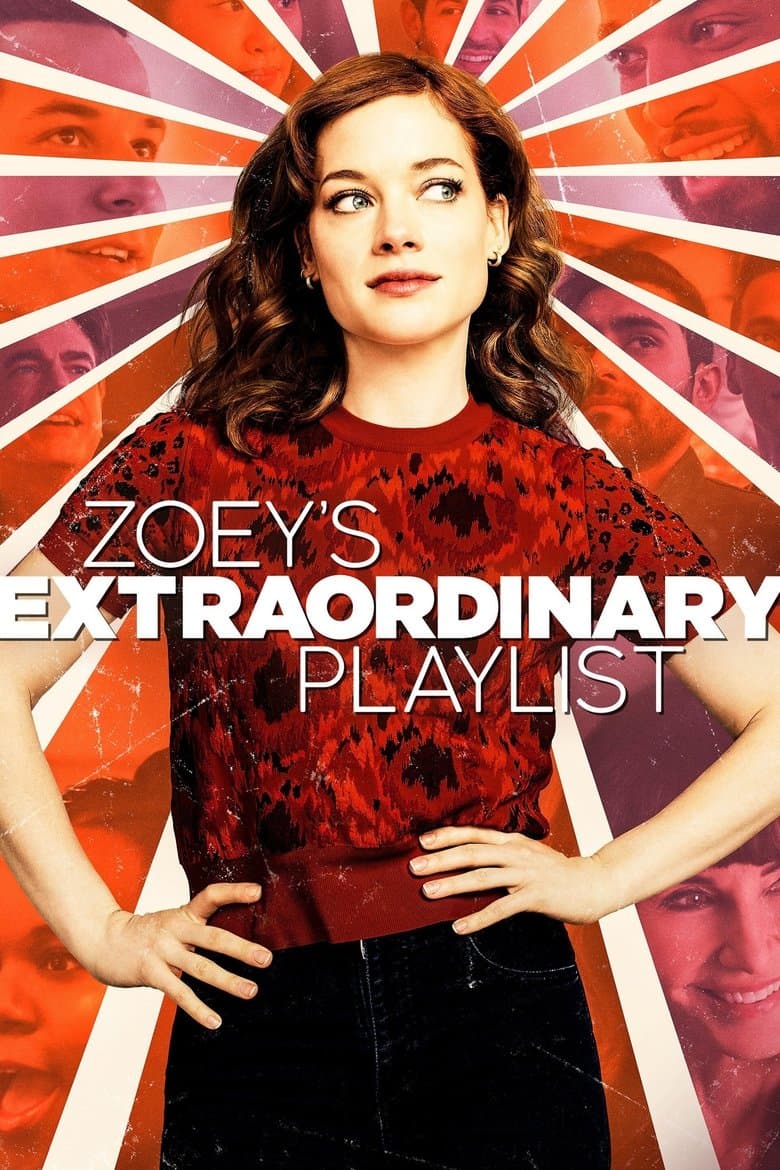
Started January 7, 2020 · Canceled · Based on 2 seasons, 25 episodes through May 16, 2021 · TV-14
Zoey is a computer coder in San Francisco who gains the power to hear what people are thinking through popular songs. The show is a musical comedy and drama that follows her work and dating life over two seasons. It features prominent social-justice and identity elements that viewers will easily notice. These include a major character who is genderfluid and a multi-episode storyline in Season 2 that focuses on systemic racism and lack of diversity in the tech industry.
Community feedback
Was our 87% Woke rating accurate?
Breakdown
These are the editorial factors and ratings behind our score for Zoey's Extraordinary Playlist.
Woke representation / casting
The casting heavily features identity and diversity. Mo is a main character who is genderfluid. Another character, Leif, is bisexual and wears a bisexual flag sticker. Season 2 introduces a queer character named George. The corporate office is cast with a strong focus on racial representation. LGBTQ+ elements are highly visible throughout the show.
72%
Woke political dialogue
The dialogue directly addresses social-justice topics. In Season 2, characters have tense conversations about workplace racism and white privilege. One character talks about how hard it is to walk through the world as a black man. Mo also lectures Zoey about putting the burden of racial conversations on black friends.
60%
Identity-driven story themes
Major plots are built around identity. Mo has a storyline about trying to sing in a traditional church choir while remaining true to a genderfluid identity. In Season 2, Simon has a major story arc where he risks his job to speak out against racial bias and the lack of black leaders at his tech company.
75%
Western institutional / cultural critique
The show critiques traditional religious spaces for being unaccepting of queer lifestyles. It also targets corporate America. It portrays the tech company as a place with systemic racism. It ridicules white employees who try to act like allies but end up making the diversity conversation all about themselves.
65%
Woke character or canon changes
Not present in this title.
0%
Anti-woke backlash and complaints
The show faced criticism from viewers who felt Season 2 became too political. Some fans complained online that the series was jumping on the woke train with its corporate racism plot. They called the storytelling preachy and forced compared to the lighter tone of the first season.
48%
Creator track record context
This score reflects the mixed profiles of the creative team. Several key producers, directors, and writers have high woke scores and a documented history of championing LGBTQ+ visibility, racial equity, and progressive representation, while others are standard apolitical industry professionals.
52%
Production
TV Show · 2019
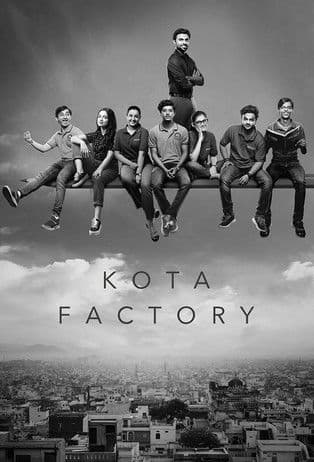
In a city of coaching centers known to train India’s finest collegiate minds, an earnest but unexceptional student and his friends navigate campus life.
TV Show · 2020
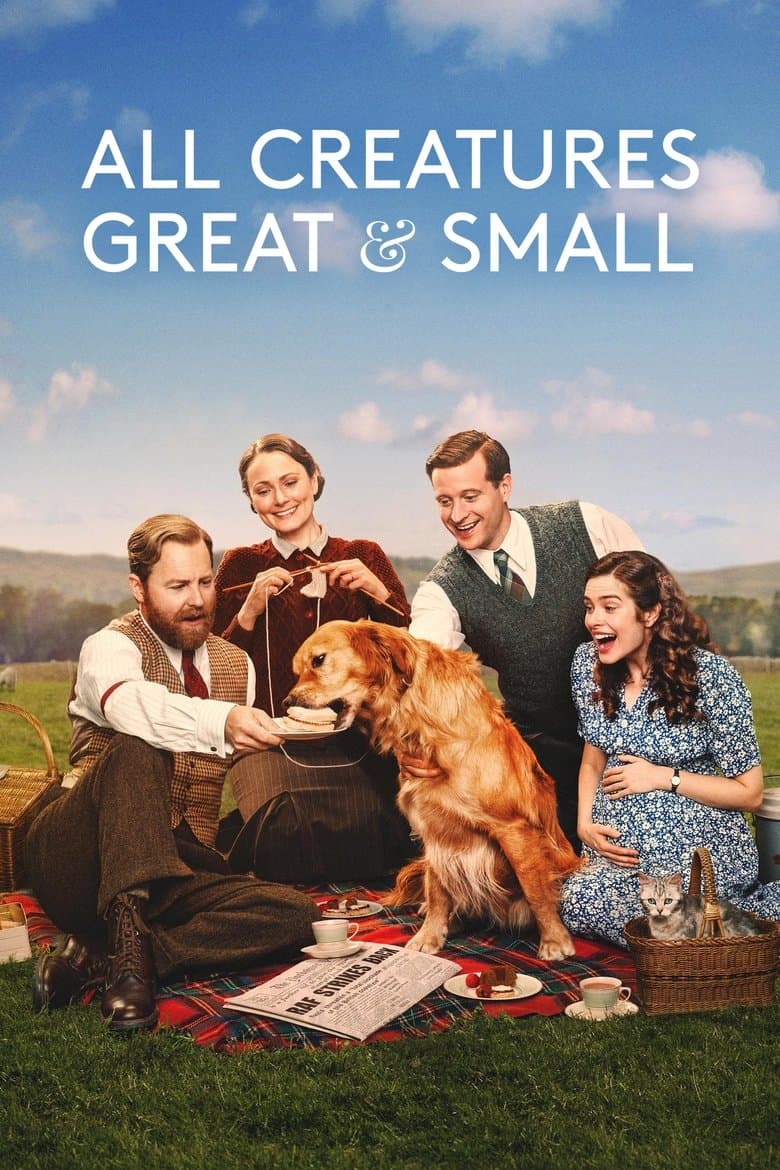
The heartwarming and humorous adventures of a young country vet in the Yorkshire Dales in the 1930s. A remake of the 1978 series.
TV Show · 2020
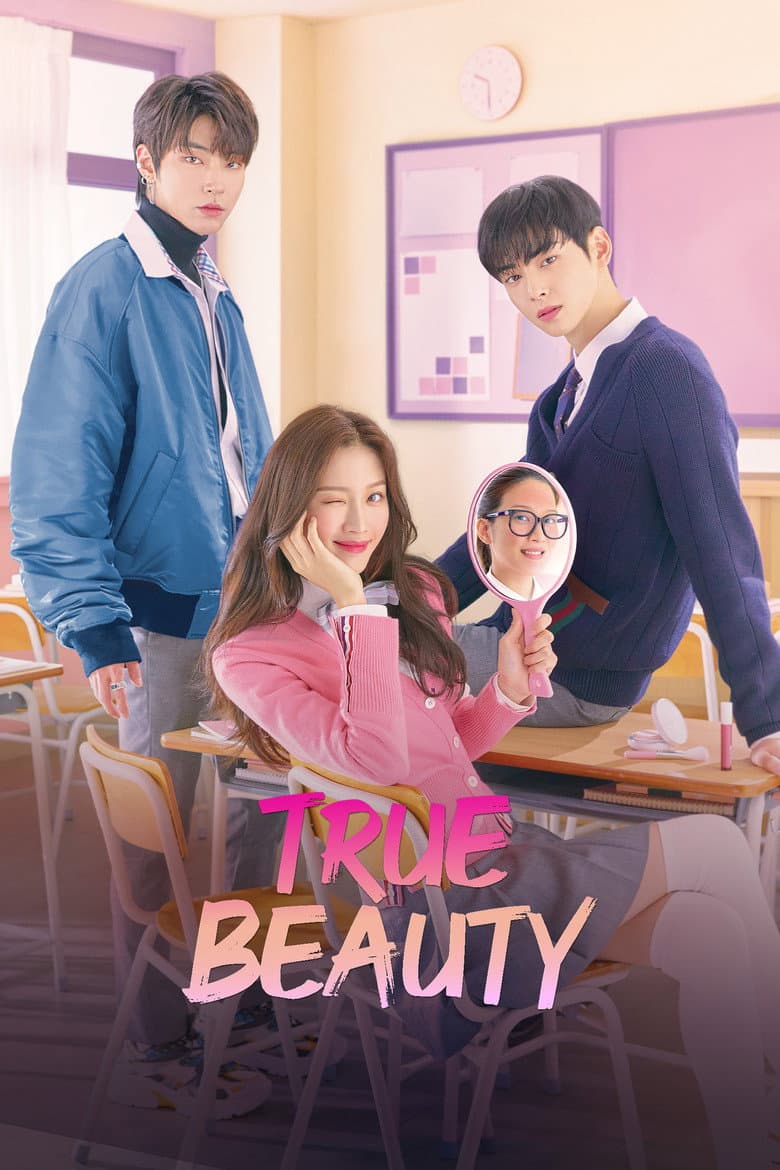
After being bullied and discriminated because of her ugly looks, a high school girl transforms herself into a gorgeous "goddess" and quickly rises to fame after mastering the art…
TV Show · 2019
Following an emotional breakup, tough but tender FBI super-agent Will Chase (codename: “Whiskey Cavalier”) is assigned to work with badass CIA operative Frankie Trowbridge…
TV Show · 2018
When his secretary unexpectedly quits, an arrogant executive will do anything to bring her back.
TV Show · 2021
A secret life is the one thing they have in common. At school, Hori is a prim and perfect social butterfly, but the truth is she's a brash homebody.

TV Show · 2016
After being pulled into the webtoon world created by her father, a surgical resident gets entangled in a murder mystery involving the story's hero.

TV Show · 2022
In disguise as her friend, Ha-ri shows up to a blind date to scare him away. But plans go awry when he turns out to be her CEO — and makes a proposal.
