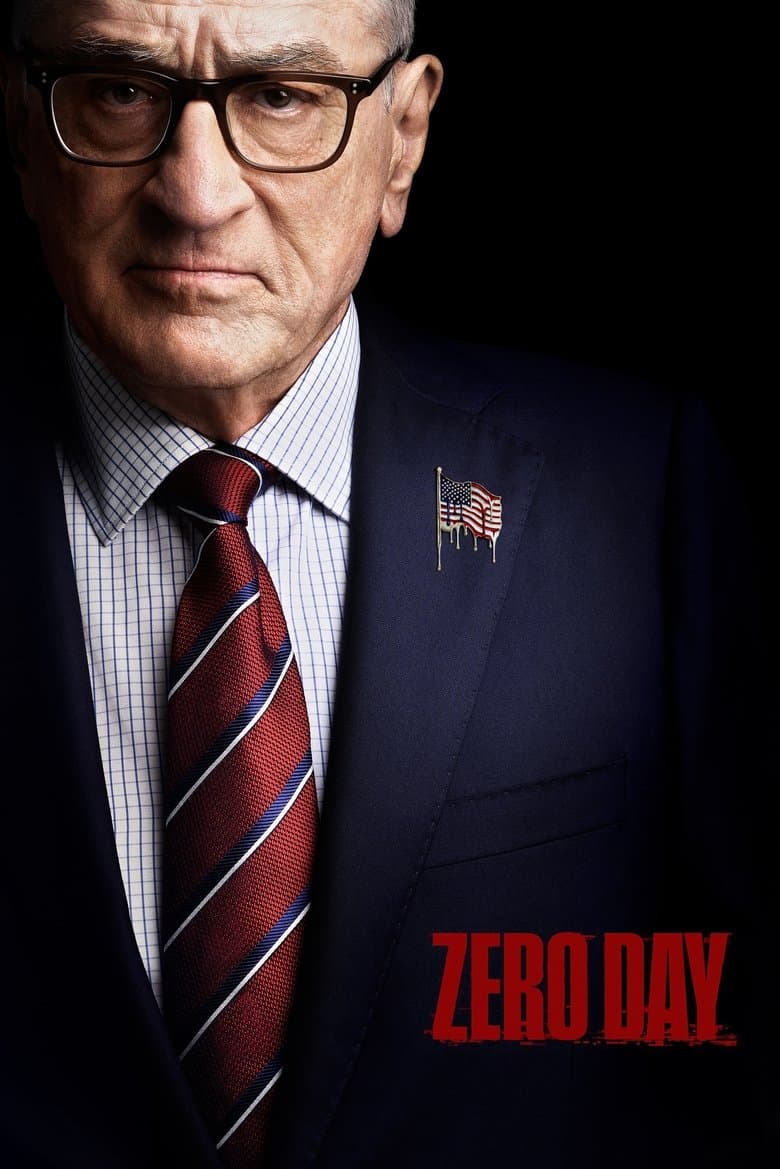
Started February 20, 2025 · Ended · Based on 1 season, 6 episodes through February 20, 2025 · TV-MA
Zero Day follows George Mullen, a former United States president who enjoys a quiet retirement in upstate New York. A cyberattack shuts down the country for one minute, kills thousands of people, and warns that another attack will come. The current president asks George to lead a special commission with power to find the people behind it. George faces public anger, hidden plots, memory problems, and painful family secrets while he searches for the truth.
The show gives major power roles to a black woman president, a female technology billionaire, a young female congresswoman, and a black male investigator. These choices make representation easy to notice, but the characters' race and sex do not drive the main plot. The story spends more time on political division, conspiracy claims, government overreach, and the danger of wealthy people controlling information. George finally chooses to expose a plot involving lawmakers from both parties, which gives the thriller a serious and mostly centrist tone.
Community feedback
Was our 45% Woke rating accurate?
Breakdown
These are the editorial factors and ratings behind our score for Zero Day.
Woke representation / casting
Netflix puts Angela Bassett in the highly visible role of a capable sitting president. The show makes Gaby Hoffmann a powerful Silicon Valley billionaire. The show gives McKinley Belcher III a lead investigator role. The ensemble places several women in top political and legal jobs, while a black woman and a black man hold major authority roles. The creators themselves call attention to the fact that the show has a black woman as president.
40%
Woke political dialogue
George Mullen gives repeated speeches about truth, patriotism, and conspiracy thinking. Characters debate basic rights, disinformation, and political extremes through the six episodes. One speech compares one side's conspiracy fever with the other side shouting about pronouns and ranking grievances. The show presents the line as a both-sides warning, not as a sustained activist lesson.
34%
Identity-driven story themes
Not present in this title.
0%
Western institutional / cultural critique
The commission suspends normal legal limits and can arrest people without warrants. The show then depicts threats, surveillance, harsh questioning, and a secret government weapon. The plot also blames lawmakers, media figures, tech billionaires, and finance leaders for using fear to control the public. The criticism runs across political sides and attacks power, money, and lost trust more than it attacks race, gender, or family life.
35%
Woke character or canon changes
Not relevant. This is an original story with no established characters, canon source material, or historical figures reinterpreted through identity or DEI-driven changes.
0%
Anti-woke backlash and complaints
Some right-leaning viewers called the show leftist or woke because Robert De Niro plays a trusted former president and the story attacks conspiracy-minded opponents. Some right-leaning posts also treated the progressive daughter, black woman president, and tech plot as signs of a Netflix agenda. Glenn Beck’s review says many on the right expected woke garbage, but he judged the finished show as surprisingly conservative. The reaction was mixed and no major title-specific boycott or DEI fight was found.
26%
Creator track record context
The available creator records give most of the team low scores. The main exceptions are Lesli Linka Glatter’s inclusion work and Dee Johnson’s recent queer drama Fellow Travelers. Title interviews frame Zero Day around truth, disinformation, rights, big money, and democracy. The creators and De Niro also stress that the show avoids naming political parties, so the team adds mild context rather than a strong activist pattern.
28%
Production
TV Show · 2021
Follow the Dutton family as they embark on a journey west through the Great Plains toward the last bastion of untamed America.
TV Show · 2026
The Clyburns uproot their comfortable New York City lives to the wild, untamed beauty of Montana's Madison River Valley on a search for connection.
TV Show · 2019
The true story of one of the worst man-made catastrophes in history: the catastrophic nuclear accident at Chernobyl.
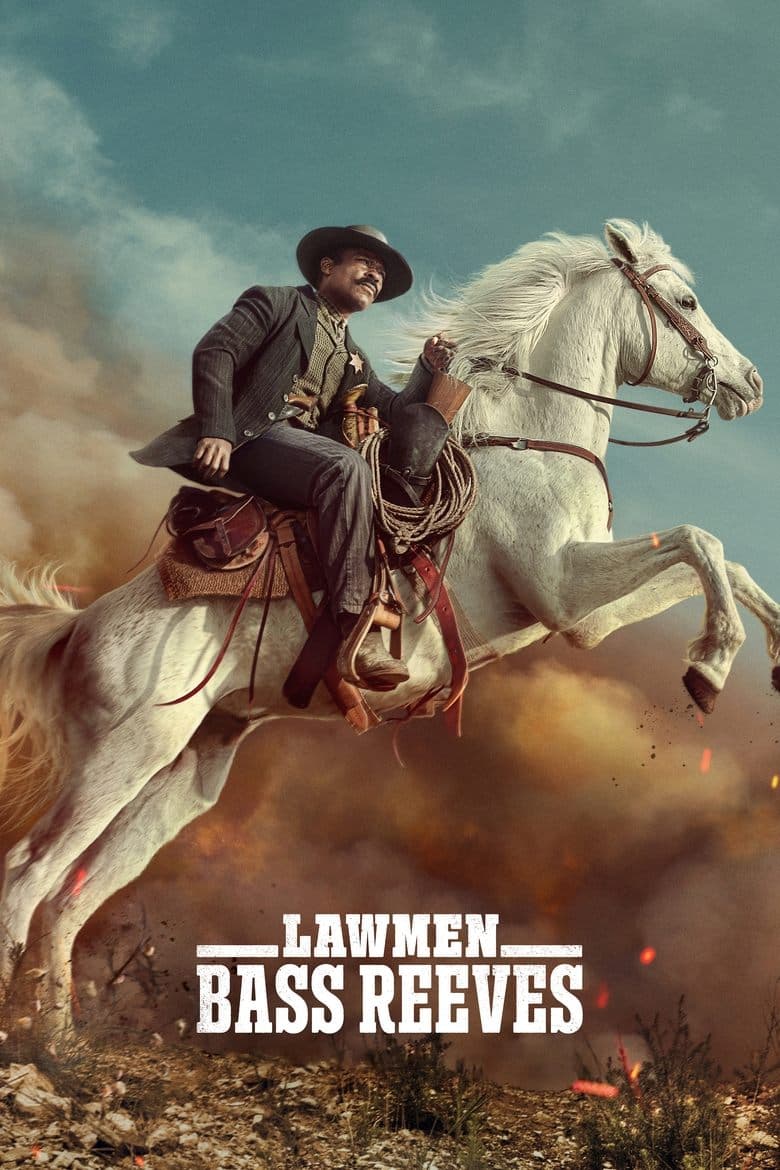
TV Show · 2023
The story of Bass Reeves, the legendary lawman of the wild West, is brought to life. Reeves worked in the post-Reconstruction era as a federal peace officer in the Indian…
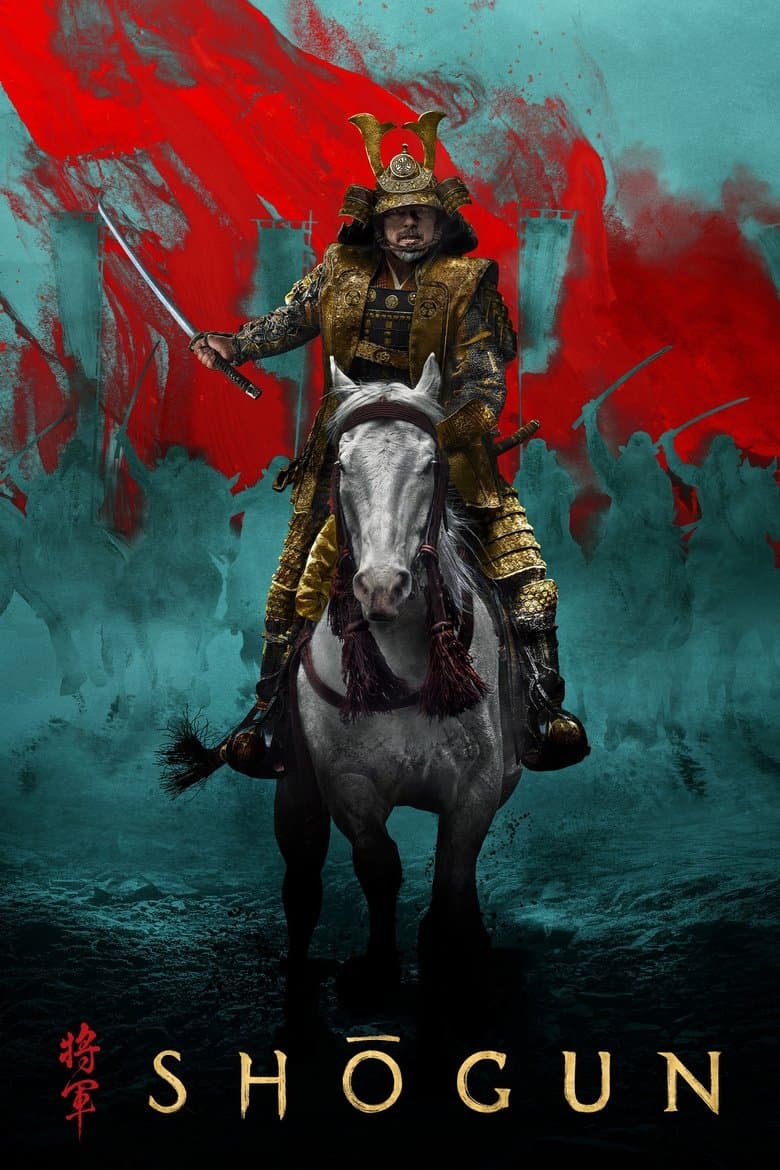
TV Show · 2024
In Japan in the year 1600, at the dawn of a century-defining civil war, Lord Yoshii Toranaga is fighting for his life as his enemies on the Council of Regents unite against him…
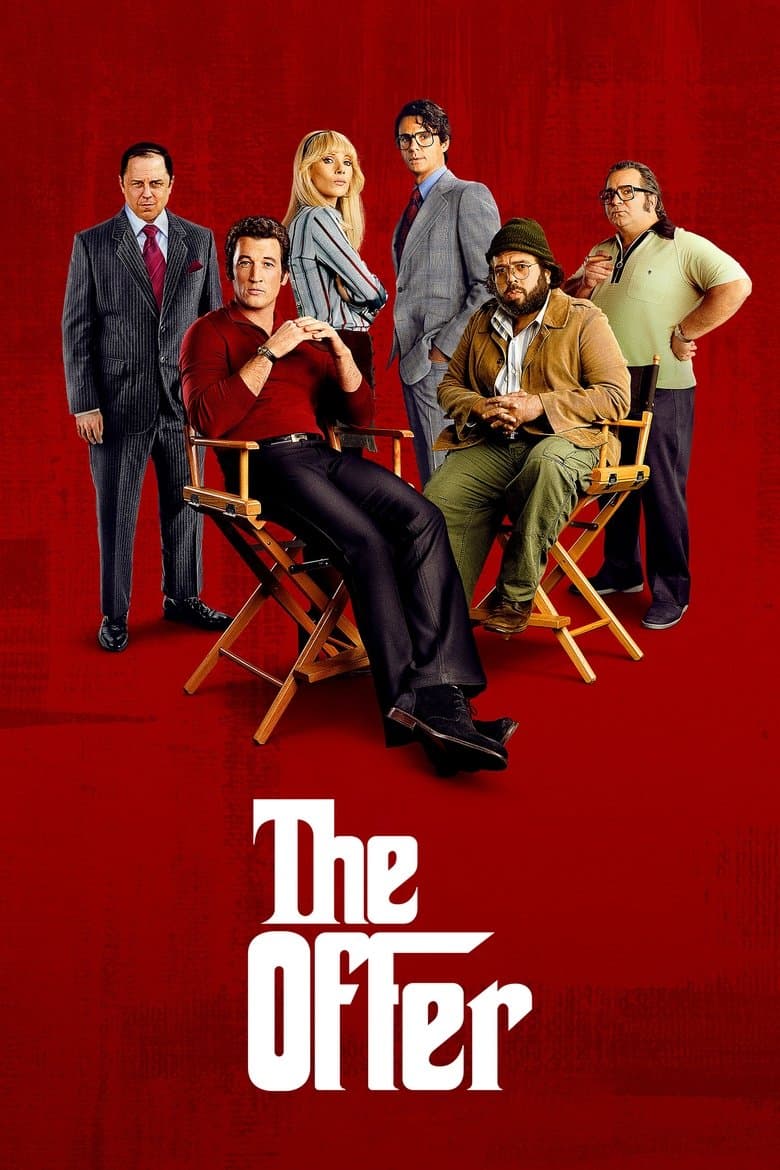
TV Show · 2022
Oscar-winning producer Al Ruddy’s never before revealed experiences of making the iconic 1972 film The Godfather that Francis Ford Coppola directed and adapted with Mario Puzo.

TV Show · 2024
Fascinated by cars since childhood, Brazilian racer Ayrton Senna became a sports legend — until tragedy struck, changing Formula 1 forever.
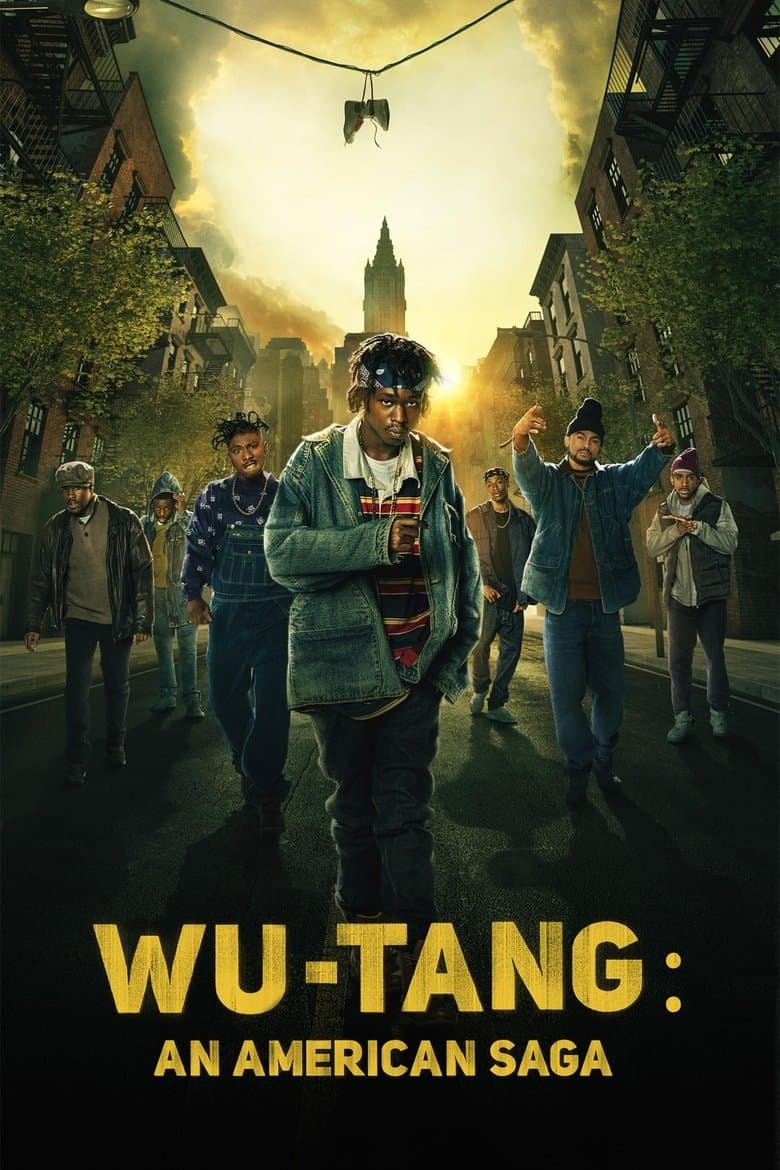
TV Show · 2019
In the early 1990s in New York, during the height of the crack cocaine epidemic, a visionary musician named Bobby Diggs aka The RZA begins to form a super group of a dozen young…
