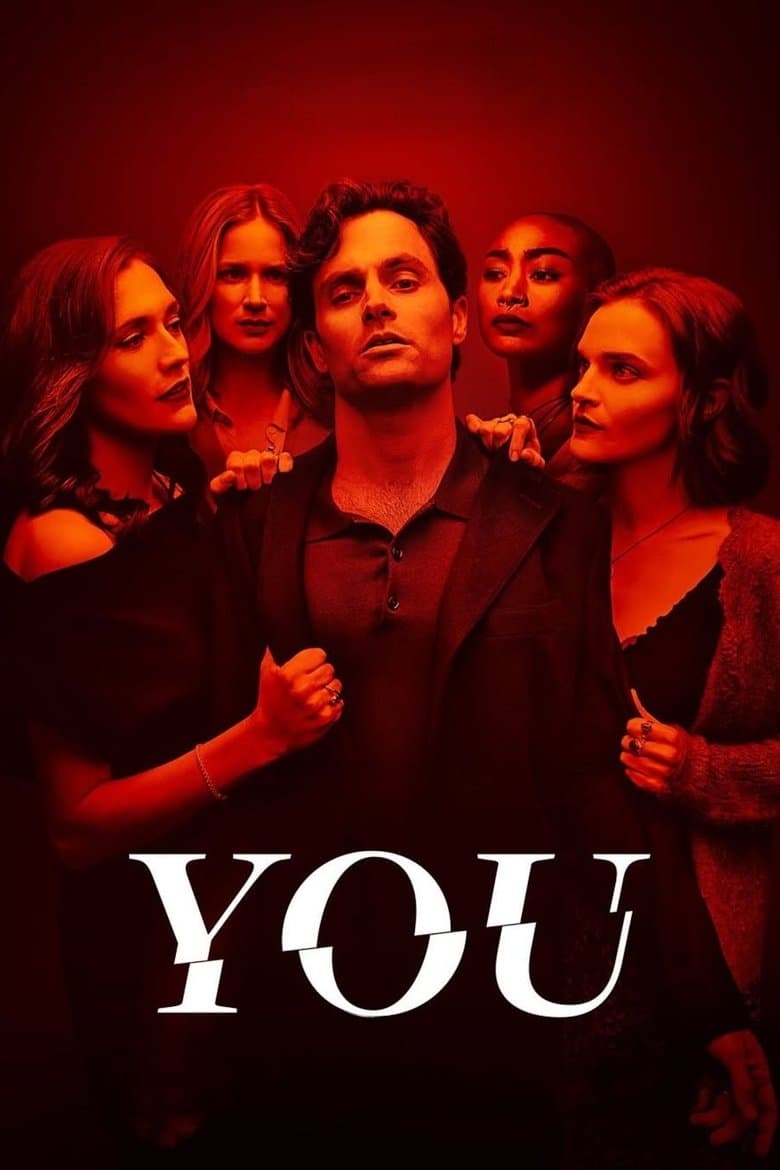
Started September 9, 2018 · Ended · Based on 5 seasons, 50 episodes through April 24, 2025 · TV-MA
You follows Joe Goldberg, a charming bookstore worker who becomes a stalker and killer whenever he wants a woman. He watches people online, breaks into their homes, lies to them, and calls his control love. The story moves from New York to Los Angeles, a rich California suburb, London, and back to New York. Its tone mixes dark crime suspense, black humor, romance tricks, and Joe's calm inner voice.
The show has visible diversity across its five seasons, including Black and South Asian women in major roles. The show also includes LGBTQ+ content through Peach's attraction to Beck, Dante's marriage to a man, and Adam's sexual relationships with men. The stronger signal comes from the story's repeated focus on male entitlement, consent, misogyny, abuse, and the way women are judged. Season 5 makes that message much more direct when Marienne, Nadia, Kate, and Bronte work together to expose Joe and reject his romantic excuses.
Community feedback
Was our 69% Woke rating accurate?
Breakdown
These are the editorial factors and ratings behind our score for You.
Woke representation / casting
The show repeatedly gives visible roles to Black, South Asian, and LGBTQ+ characters. Marienne becomes a major love interest and later helps bring Joe down, while Nadia becomes central to the final mystery. Peach, Dante, and Adam add LGBTQ+ content across different seasons. The modern American and London settings make much of the racial mix plausible, so the diversity is noticeable but does not control the whole crime story.
42%
Woke political dialogue
The show has Joe call himself a feminist while he judges women and stalks them. The dialogue also names consent, anti-feminist dating apps, mansplaining, misogyny, incels, and online mobs. Season 5 makes these terms part of the final conflict, while earlier seasons mostly use them as jokes or sharp side comments. The show uses this political language often enough to be noticed, but it does not build the whole plot around speeches.
46%
Identity-driven story themes
The show turns Joe's romantic fantasy into a long story about male entitlement, stalking, abuse, and harm done to women. The final season makes Marienne, Nadia, Kate, and Bronte work together to name Joe an abuser and expose him. Bronte says that the fantasy of a man like Joe helps people cope with the danger of a real man like him. The show gives Joe a childhood excuse for his violence, but it ends by saying that he remains responsible.
61%
Western institutional / cultural critique
The show mocks rich social groups, social media, dating apps, wellness influencers, suburban parent culture, and a powerful billionaire family. Season 4 uses an Eat the Rich killer plot, and Season 5 talks about misogyny, incels, online mobs, and society's role in admiring Joe. The show usually treats these targets as settings for Joe's crimes instead of making a full attack on capitalism or Western institutions. The repeated focus on male entitlement and how women are judged creates a moderate Western institutional / cultural critique signal.
44%
Woke character or canon changes
Not relevant. fully original story based on modern novels without reinterpretations of established canon or historical events.
0%
Anti-woke backlash and complaints
Some Reddit and fan-review posts called Season 5 a feminist, woke, or girl-power rewrite. Those posts objected to speeches about misogyny, the women-led plan against Joe, and the final punishment. Other viewers said these complaints came from fans who wanted Joe to win or who missed the show's older criticism of male entitlement. Mainstream reviews focused more on weak writing, fan worship of Joe, and the blunt ending than on a broad anti-woke campaign. The backlash is real but mostly online, small, and mixed.
30%
Creator track record context
Greg Berlanti gives the strongest creator-context signal because his career has centered on prominent LGBTQ+ representation. Penn Badgley has linked Joe to gender violence, unequal gender roles, and the need for healthier behavior. Sasha Alexander has spoken about white supremacy and systemic racism. The other cached creators have low scores and no strong public activist record, so the overall context is mixed rather than dominant.
49%
Production
TV Show · 2018
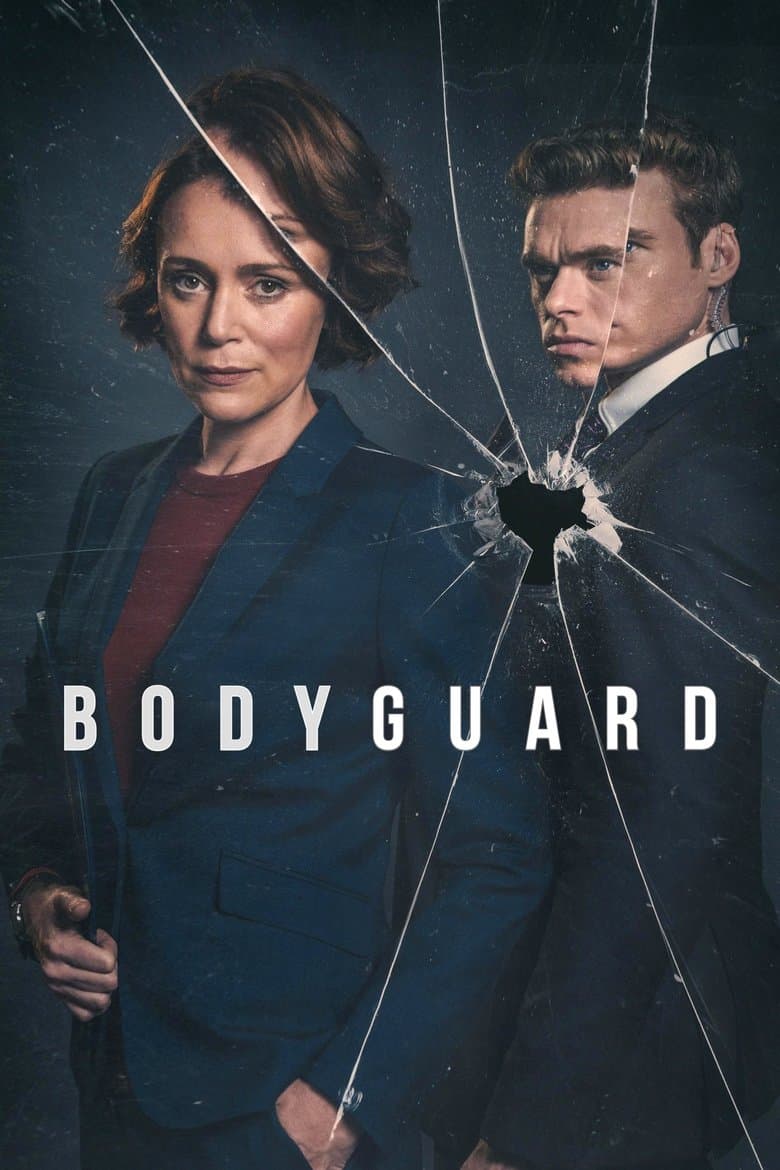
A troubled war veteran is assigned to protect a controversial politician who may be the target of a terror plot.
TV Show · 2023
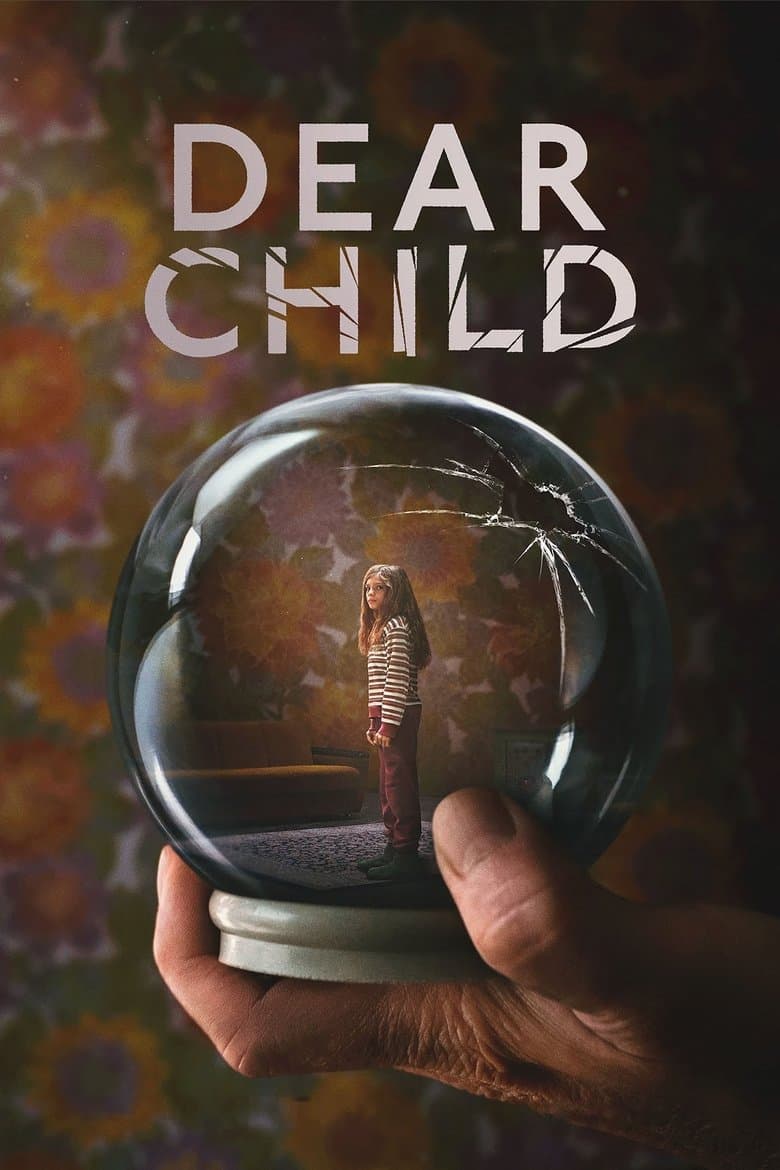
A mysterious woman's escape from her harrowing captivity points investigators toward the dark truth behind an unsolved disappearance 13 years earlier.
TV Show · 2022
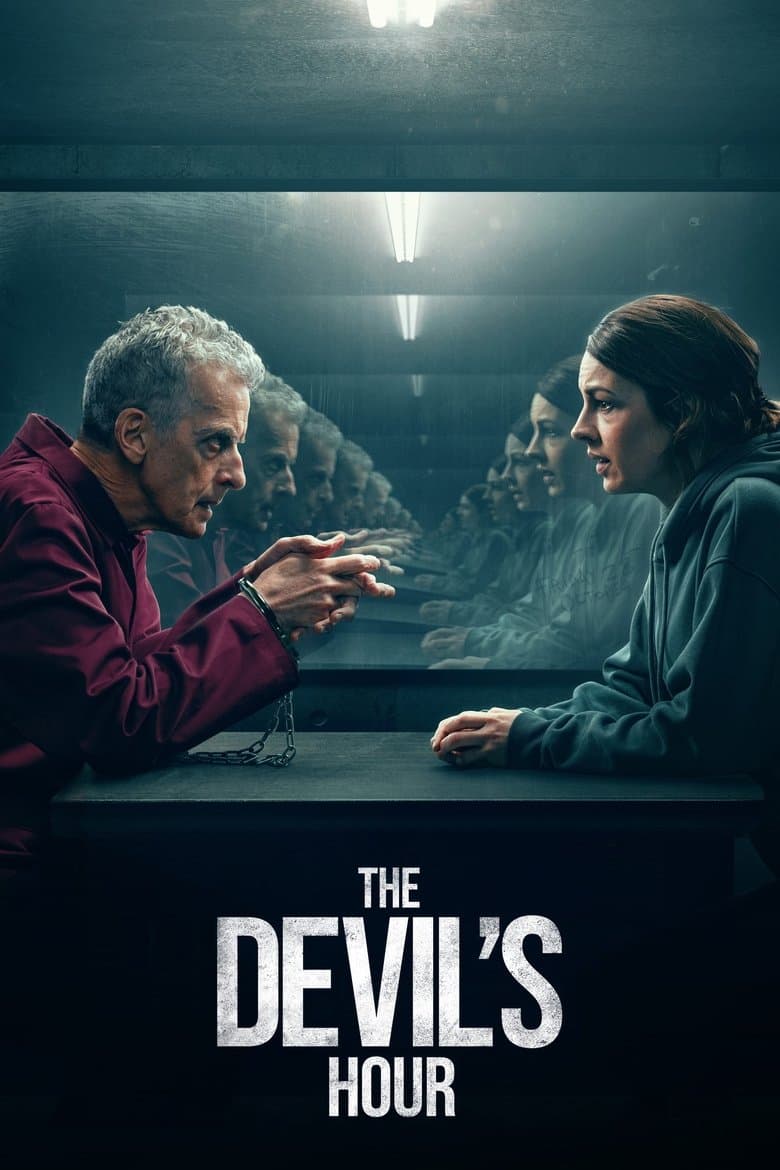
Lucy wakes every night at exactly 3:33am. Nothing in her life has made sense for a long time. But the answers are out there, somewhere, at the end of a trail of brutal murders.
TV Show · 2018
After his daughter goes missing, a widower begins uncovering the dark secrets of the people closest to him.
TV Show · 2017
A war veteran turned private detective operates out of a tiny office in London’s Denmark Street. Although wounded both physically and psychologically, his unique insight and…
TV Show · 2021
A detective in a small Pennsylvania town investigates a local murder while trying to keep her life from falling apart.
TV Show · 2026
Wrongfully imprisoned for murdering his own son, a father sets out on a desperate rescue mission after learning the boy may still be alive.

TV Show · 2026
Ben Reilly, an aging and down on his luck private investigator in 1930s New York, is forced to grapple with his past life as the city's one and only superhero.
