
Started May 18, 2023 · Ended · Based on 3 seasons, 26 episodes through April 2, 2026 · TV-14
Kitty Song Covey is a confident teen who thinks she understands love because she has spent years helping other people find it. She leaves Portland for the Korean Independent School of Seoul to join her long-distance boyfriend, learn about her late Korean mother, and find her own place. School secrets, family history, friendships, and several romances soon pull her in different directions. The show uses bright comedy, fast drama, K-drama jokes, and emotional teen romance.
Across three seasons, the show gives major space to queer relationships and self-discovery. Kitty realizes she is bisexual while falling for Yuri, a lesbian student, and she later dates Praveena while still sorting out her feelings. Yuri's secret relationship with Juliana, Q's romances with boys, and Q's later relationship with Jin return across the school drama. The show treats these relationships as real and worthy of love, while season three gives Kitty and Yuri a close friendship and brings Yuri and Juliana back toward each other.
Community feedback
Was our 81% Woke rating accurate?
Breakdown
These are the editorial factors and ratings behind our score for XO, Kitty.
Woke representation / casting
The school brings together Korean students and teens from many countries, so some ethnic variety fits the setting. The cast also places several queer characters in important student roles, including Yuri, Q, Juliana, Praveena, and Jin. The show makes those identity choices visible through repeated romances and school storylines, not just background casting. Cast interviews and coverage also describe the series as a diverse Gen Z show and stress queer representation.
53%
Woke political dialogue
The show uses repeated talks about coming out, bisexuality, and whether families and schools will accept queer relationships. Q compares Seoul with the United States and says he hides parts of himself around some relatives. Yuri faces pressure from her mother, while Kitty talks with her father about liking boys and girls. The scenes support acceptance, but they stay inside family and romance drama instead of becoming long political speeches.
31%
Identity-driven story themes
Kitty's bisexual self-discovery becomes a major part of the story from the end of season one through season two. Yuri's secret relationship with Juliana drives school conflict, family pressure, and later breakups and repair. Q's romances with Florian, Marius, and Jin keep queer love in the main group across the seasons. The show presents these identities as real parts of growing up, even though season three shifts Kitty's main romance back to Min Ho.
84%
Western institutional / cultural critique
The show contrasts Kitty's open American home with the pressure Yuri feels from her Korean mother and school family. Q also says Seoul is less accepting than the United States and describes hiding parts of himself with relatives. The story presents acceptance of queer relationships as the better answer to those limits. The show does not build a wider attack on Western institutions, religion, capitalism, or traditional society.
19%
Woke character or canon changes
Kitty already appeared in the To All the Boys books and films before this series. The show gives that established character an explicit bisexual identity and a major romantic arc with Yuri that the earlier stories did not show. The earlier stories did not say that Kitty was straight, so the series expands her character instead of changing a stated fact. The change still makes identity a central new part of a known franchise lead.
31%
Anti-woke backlash and complaints
A small group of viewers said Kitty's attraction to Yuri was added for representation or called the show's queer focus forced. Some Reddit and review comments described Netflix as pushing a woke or diversity message. Mainstream coverage treated those complaints as a small minority rather than a major boycott or lasting news fight. Much of the wider reaction focused on shipping, writing, and support for queer characters instead.
24%
Creator track record context
Jenny Han's cached score is 29, and her work often centers Asian-American teen stories and authentic casting. Sascha Rothchild's cached score is 55, and George Northy's is 52 because their past work includes feminist and queer-focused shows and films. Casting directors David Rapaport and Lyndsey Baldasare have cached scores of 48 and 50 for inclusive and queer-friendly casting work. Other listed writers, directors, and producers have low or limited public activist records, which keeps this context mixed.
46%
Production

TV Show · 2023
The lives of a realtor, a plumber and a former tennis star unexpectedly collide, exposing America’s obsession with true crime, murder and the slow-close toilet seat.

TV Show · 2019
In a city of coaching centers known to train India’s finest collegiate minds, an earnest but unexceptional student and his friends navigate campus life.
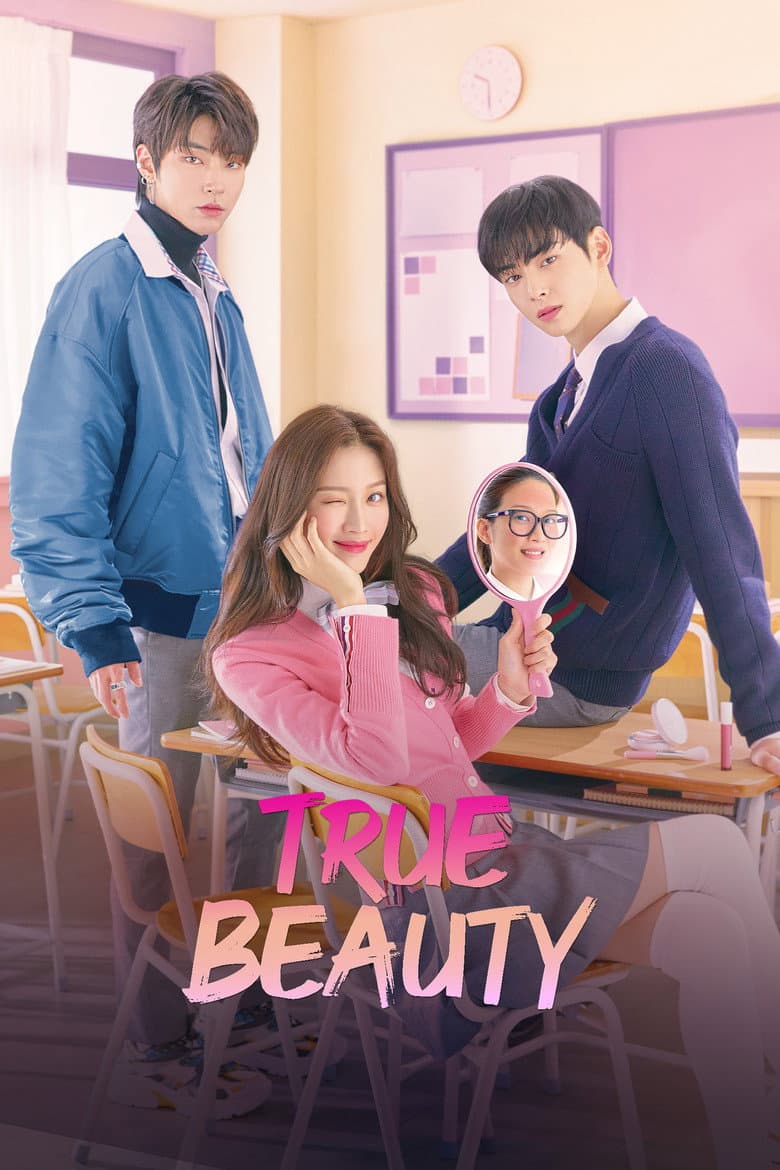
TV Show · 2020
After being bullied and discriminated because of her ugly looks, a high school girl transforms herself into a gorgeous "goddess" and quickly rises to fame after mastering the art…

TV Show · 2018
When his secretary unexpectedly quits, an arrogant executive will do anything to bring her back.

TV Show · 2020
New passions. New fashions. New Emily? A plucky American marketing whiz spreads her wings in life and love after landing her dream job in Paris.

TV Show · 2020
The heartwarming and humorous adventures of a young country vet in the Yorkshire Dales in the 1930s. A remake of the 1978 series.
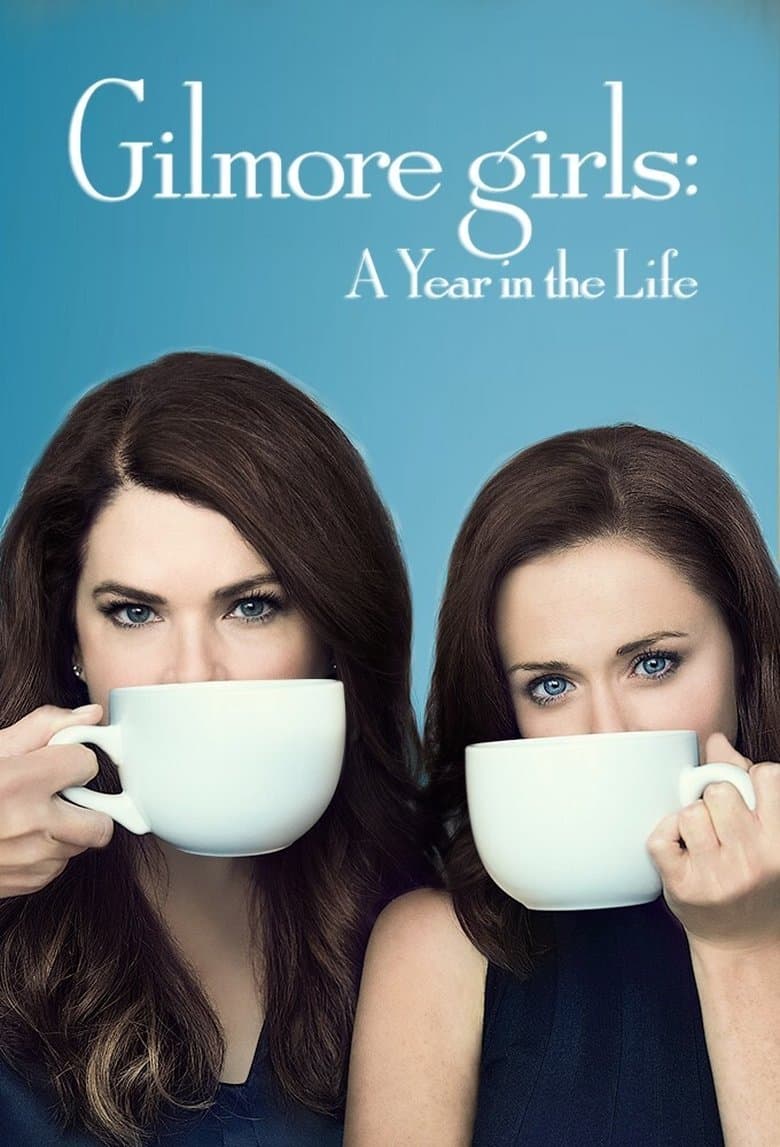
TV Show · 2016
Set nearly a decade after the finale of the original series, this revival follows Lorelai, Rory and Emily Gilmore through four seasons of change.

TV Show · 2016
Rebellious Mickey and good-natured Gus navigate the thrills and agonies of modern relationships.
