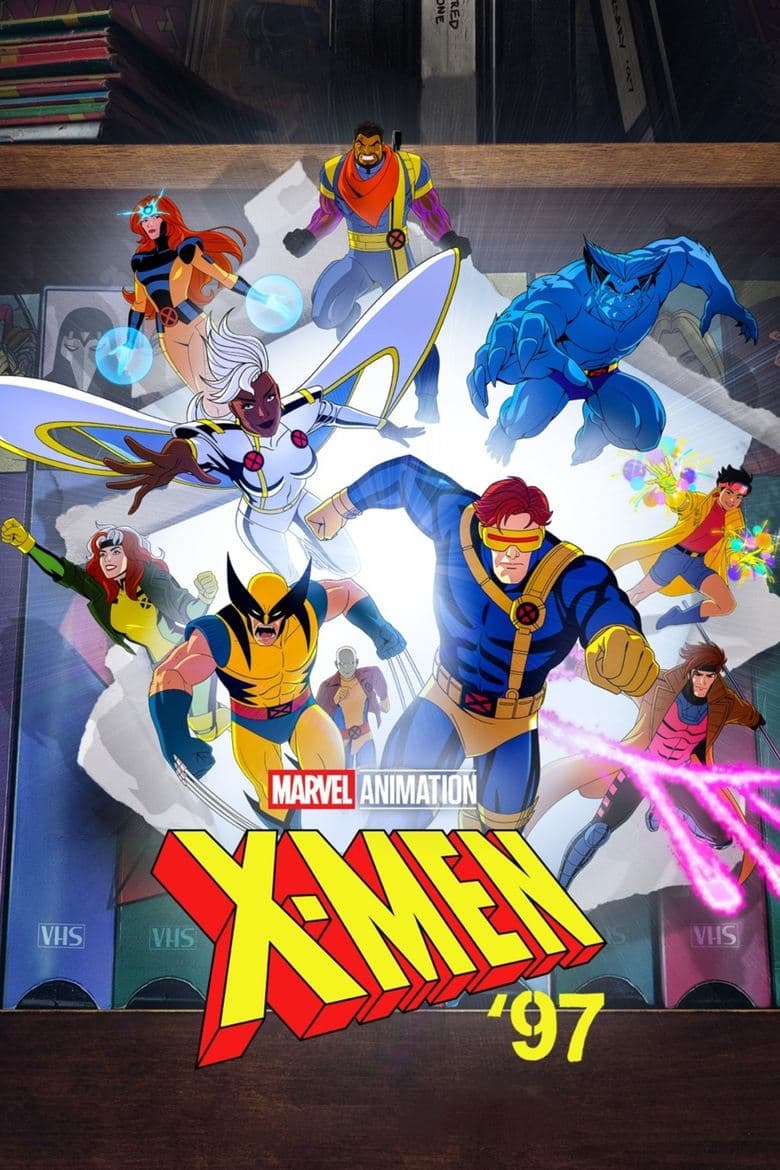
Started March 20, 2024 · Returning Series · Based on 1 season, 10 episodes through May 15, 2024 · TV-14
X-Men '97 continues the 1990s animated series with the X-Men mutants using their powers to protect a world that hates and fears them. The story follows leadership shifts after Professor Xavier's absence, battles against new Sentinels and anti-mutant forces, team drama, and events like the Genosha mutant nation facing a major attack. Creators updated the shapeshifter Morph to non-binary with they/them pronouns in dialogue, and showrunner Beau DeMayo tied themes of acceptance to his personal identity as a gay black man.
Community feedback
Was our 78% Woke rating accurate?
Breakdown
These are the editorial factors and ratings behind our score for X-Men '97.
Woke representation / casting
Morph is updated to non-binary and referred to with they/them pronouns in dialogue, a prominent supporting role change. Some voice casting updates fit character backgrounds, and creators highlighted the update.
58%
Woke political dialogue
Dialogue stays mostly classic on mutant prejudice and coexistence. The "Tolerance Is Extinction" arc frames human fear as dooming mutants, but lacks heavy modern activist language or lectures.
22%
Identity-driven story themes
The core narrative revolves around mutants as a persecuted group seeking acceptance, with the Genosha attack and leadership conflicts centering group identity. Morph adds a visible modern identity element.
52%
Western institutional / cultural critique
Human governments, media, and groups like Friends of Humanity target mutants through Sentinels and laws. This follows the classic X-Men conflict without strong modern framing around patriarchy, capitalism, or current identity politics.
28%
Woke character or canon changes
Morph's non-binary identity and pronouns represent a deliberate update to an established character. Other changes adapt prior series and comics with standard modernization rather than ideological swaps.
48%
Anti-woke backlash and complaints
Pre- and post-release complaints centered on Morph as non-binary "woke" pandering and agenda insertion. Coverage appeared on social media, YouTube, and news sites treating it as identity politics.
52%
Creator track record context
Beau DeMayo has discussed his gay black identity shaping storytelling. Kevin Feige and Victoria Alonso have public records advancing diversity and representation. Other key figures show milder or no such patterns.
48%
Production
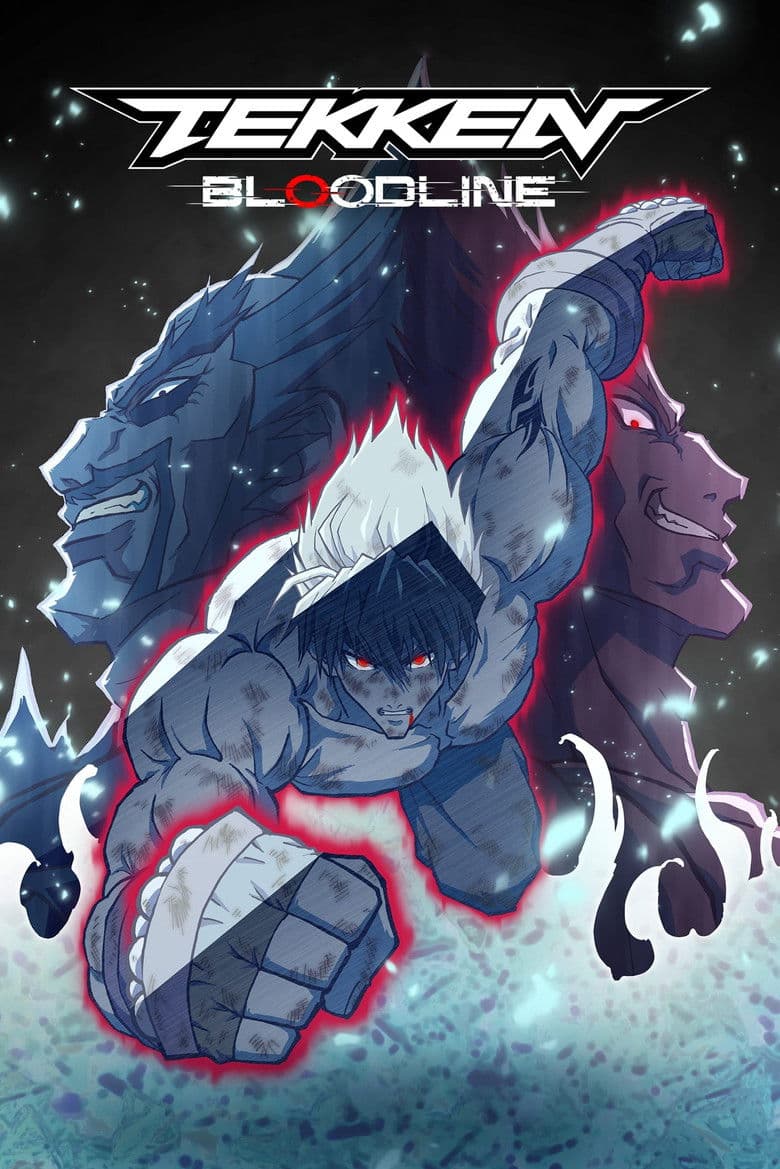
TV Show · 2022
After losing his home to a powerful enemy, a hot-tempered fighter trains under his zealous grandfather while awaiting his chance for revenge.

TV Show · 2019
Year 198 of the Solar Era in Tokyo, special fire brigades are fighting against a phenomenon called spontaneous human combustion where humans beings are turned into living infernos…
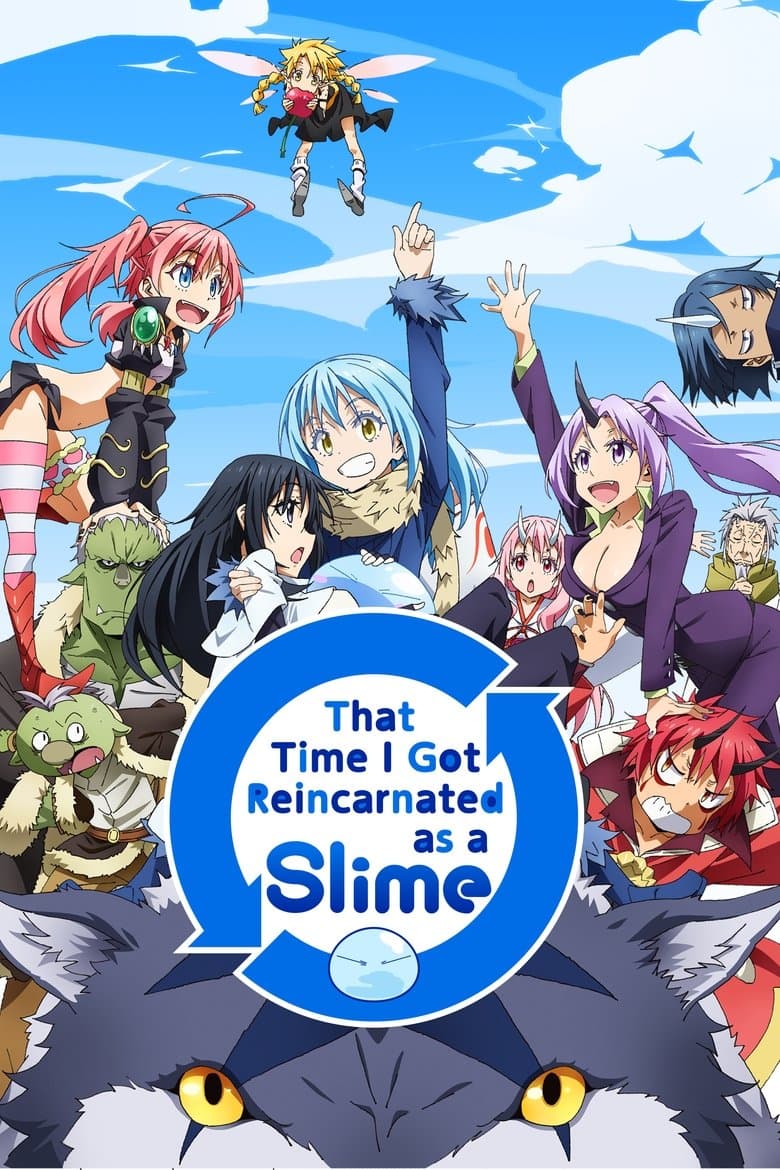
TV Show · 2018
Corporate worker Mikami Satoru is stabbed by a random killer, and is reborn to an alternate world. But he turns out to be reborn a slime!

TV Show · 2016
After a traffic accident, Kazuma Sato’s disappointingly brief life was supposed to be over, but he wakes up to see a beautiful girl before him.
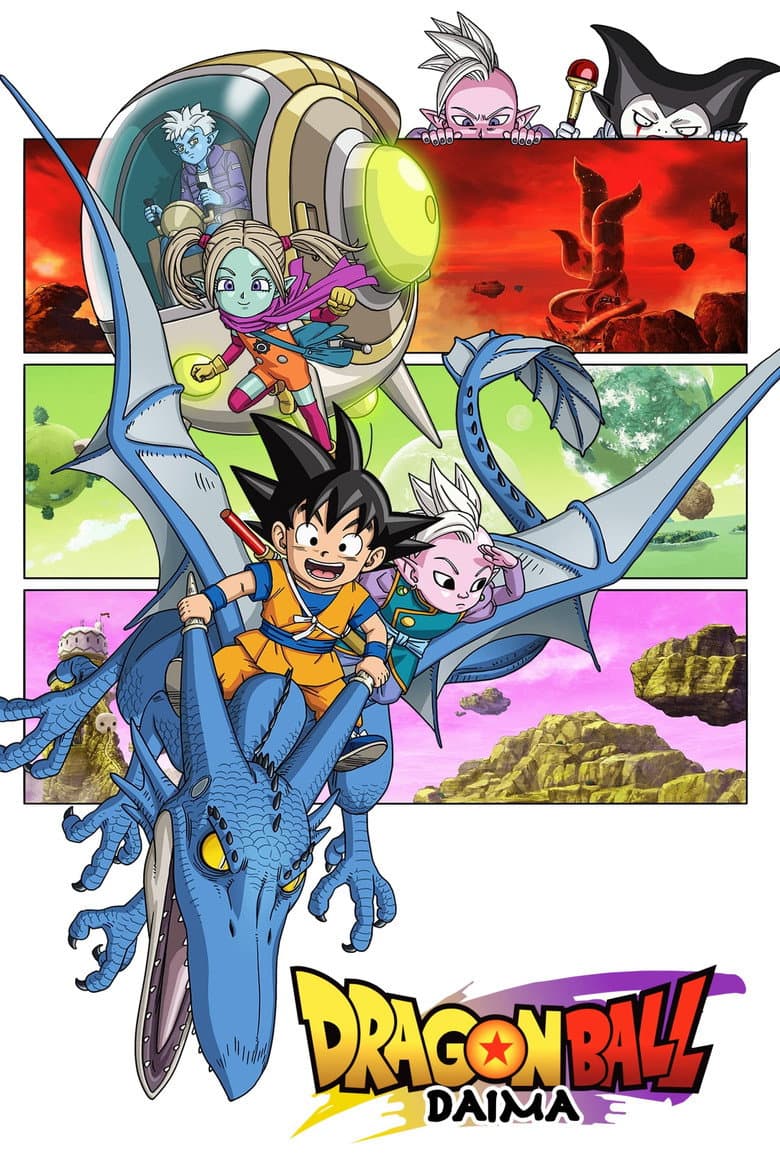
TV Show · 2024
Mysteriously transformed into mini versions of themselves, Goku and his friends travel to the Demon Realm to uncover the truth and find a cure.
TV Show · 2023
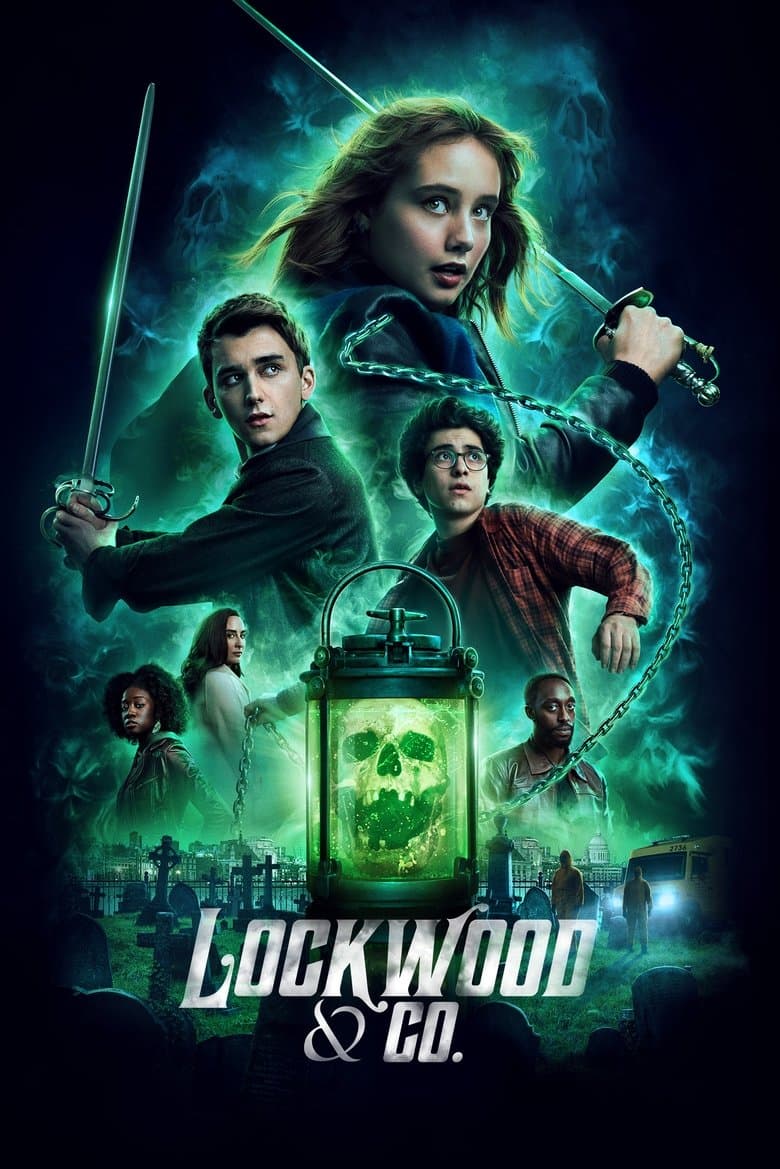
A girl with extraordinary psychic abilities joins two gifted teen boys at a small ghost-hunting agency to fight the many deadly spirits haunting London.

TV Show · 2020
As humans turn into savage monsters and the world plunges into terror, a handful of survivors fight for their lives — and to hold on to their humanity.

TV Show · 2021
When a 34-year-old underachiever gets run over by a truck, his story doesn't end there. Reincarnated in a new world as an infant, Rudy will seize every opportunity to live the…
