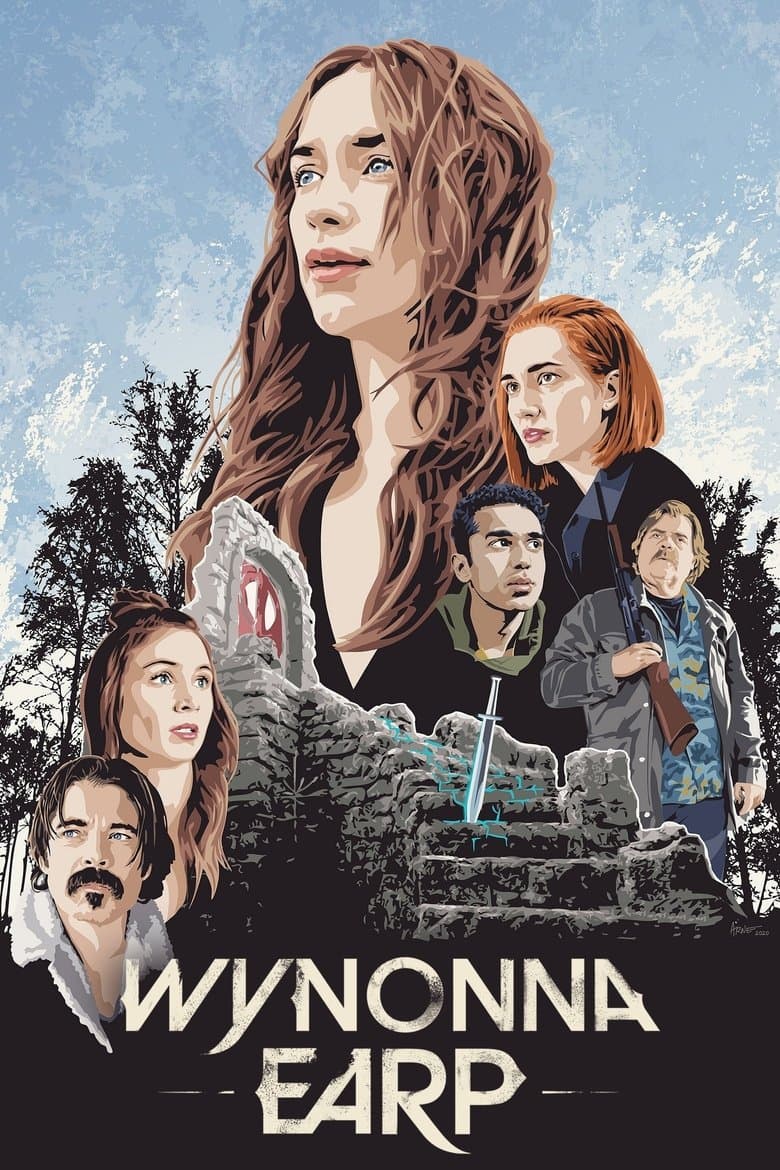
Started April 1, 2016 · Based on 4 seasons, 49 episodes · TV-14 · 44 min
Wynonna Earp is a TV show about Wyatt Earp’s heir Wynonna. She uses a gun called Peacemaker to send ghost outlaws back to Hell. The story is a supernatural Western set in a cursed area called the Ghost River Triangle and the town of Purgatory. Wynonna fights with a found family of allies. The series runs four seasons and later continues in a reunion special for fans.
The show puts queer romance and women in charge at the center of the story. Waverly and Nicole form a long-running couple that grows across the seasons and ends in a wedding. Other main characters include a gay scientist and a black federal agent. The series turns the old Western into a women-led world and treats queer survival as a clear goal. Dialogue stays mostly snarky and plot-driven rather than full of lectures, but sex-positive and feminist beats still show up. Monster plots and pulp action remain large, yet the queer romance rides beside them and is hard for viewers to miss.
Community feedback
Was our 91% Woke rating accurate?
Breakdown
These are the editorial factors and ratings behind our score for Wynonna Earp.
Woke representation / casting
The cast is clearly built around women and queer leads in hero roles. Wynonna is the gunslinger heir. Nicole is a lesbian sheriff. Waverly is a bi and pan sister who is a main emotional lead. Dolls is a black federal agent and Jeremy is a South Asian gay scientist. The modern small-town setting can support mixed casting, but the identity-forward hero roles and the strong queer couple go past simple story needs.
65%
Woke political dialogue
Most talk is snark, found-family banter, and monster-plot explanation. There is some sex-positive pregnancy talk, easy comfort with queer romance, and feminist pushback against small-town labeling. The show rarely gives long lectures on race or capitalism. Identity politics show up more as how characters live and speak than as manifesto speeches.
45%
Identity-driven story themes
Queer identity is built into the core story, not a side detail. WayHaught is the only long-running committed romance and ends Season 4 with a wedding. The showrunner promised queer survival, and Nicole living through a shooting is a clear answer to the “Bury Your Gays” trope. Late seasons put romance, trauma, and the wedding next to demon plots as the main emotional engine.
84%
Western institutional / cultural critique
The show strongly reframes the old male Western so women are the heir, the sheriff, and the decision-makers. Sex-positivity and pushback against female shame work as modern gender-norm critique. Male allies stay capable, so men are not only shown as fools. This is not mainly a capitalism, colonial-guilt, or anti-whiteness story.
50%
Woke character or canon changes
The show is loosely based on 1990s comics that already had a female Earp heir. It invents and expands sisters, Doc, Dolls, and especially Nicole plus the central lesbian romance. The creator said she wanted to remake male-gaze comic material as a feminist, queer-inclusive ensemble. Wynonna is not a race or gender swap of historical Wyatt.
58%
Anti-woke backlash and complaints
Some right-leaning pushback exists, including network-style “girlboss” critiques and scattered “feminist nonsense” or “went woke later” posts. There was no large, lasting mainstream culture-war campaign like major franchise fights. Most public talk celebrates the queer and feminist branding. The score reflects real but limited anti-woke complaint volume.
30%
Creator track record context
Showrunner Emily Andras is the main creative force through Lost Girl and Wynonna Earp. She publicly pushes queer-inclusive storytelling and has said she will not make a show without LGBT representation. She frames the Western as a patriarchy to flip and led a GLAAD-nominated run. Co-producers score lower with no strong activist pattern, so the score follows Andras as the defining voice.
68%
Production
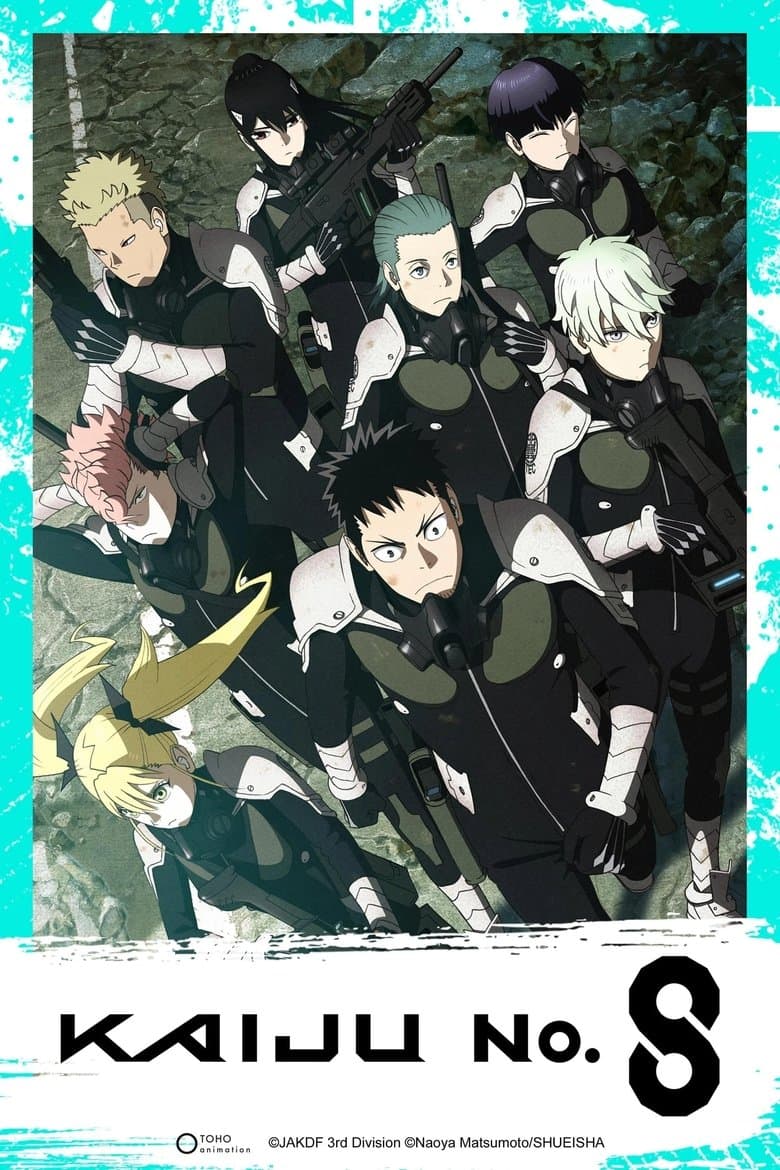
TV Show · 2024
In a world plagued by creatures known as Kaiju, Kafka Hibino aspired to enlist in The Defense Force. He makes a promise to enlist with his childhood friend, Mina Ashiro.
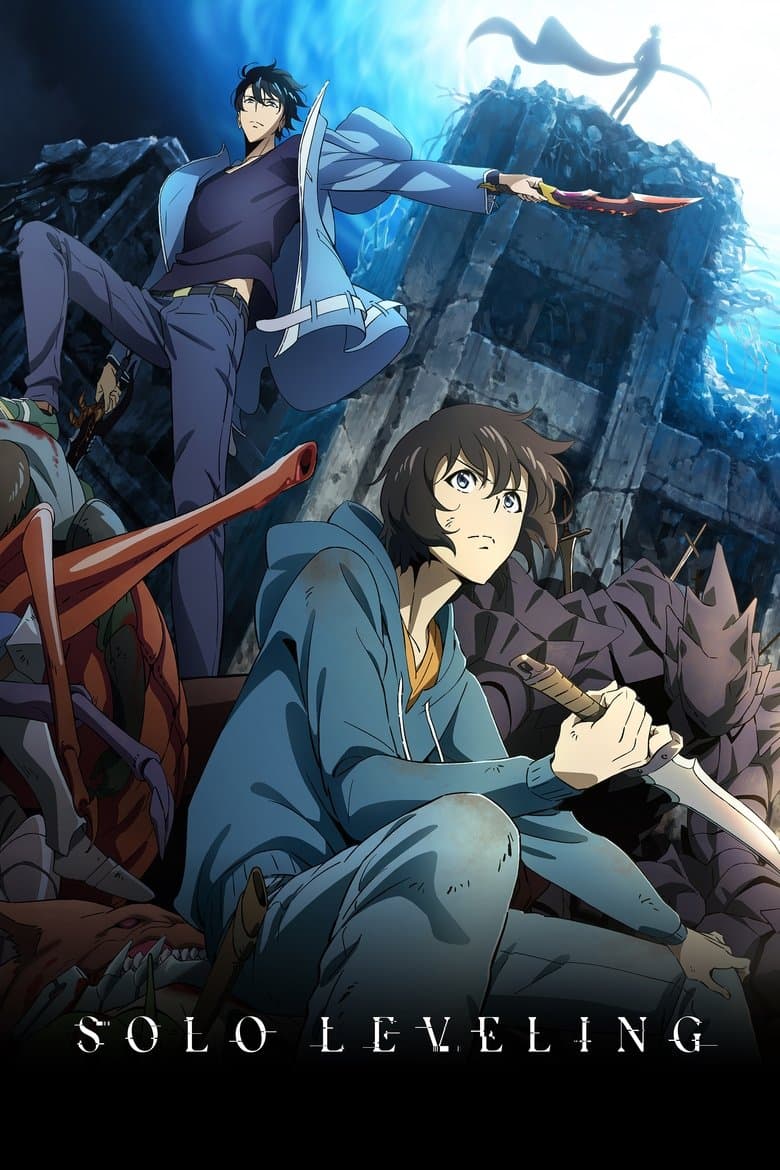
TV Show · 2024
They say whatever doesn’t kill you makes you stronger, but that’s not the case for the world’s weakest hunter Sung Jinwoo.
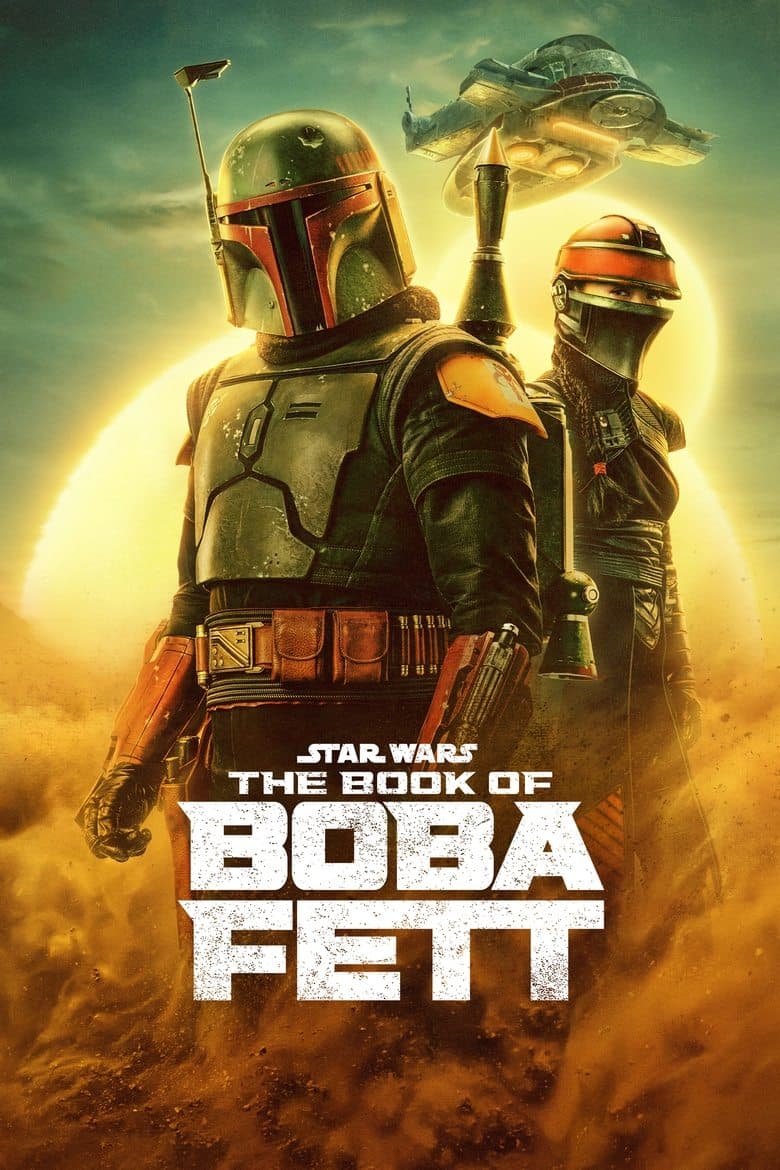
TV Show · 2021
Legendary bounty hunter Boba Fett and mercenary Fennec Shand must navigate the galaxy’s underworld when they return to the sands of Tatooine to stake their claim on the territory…
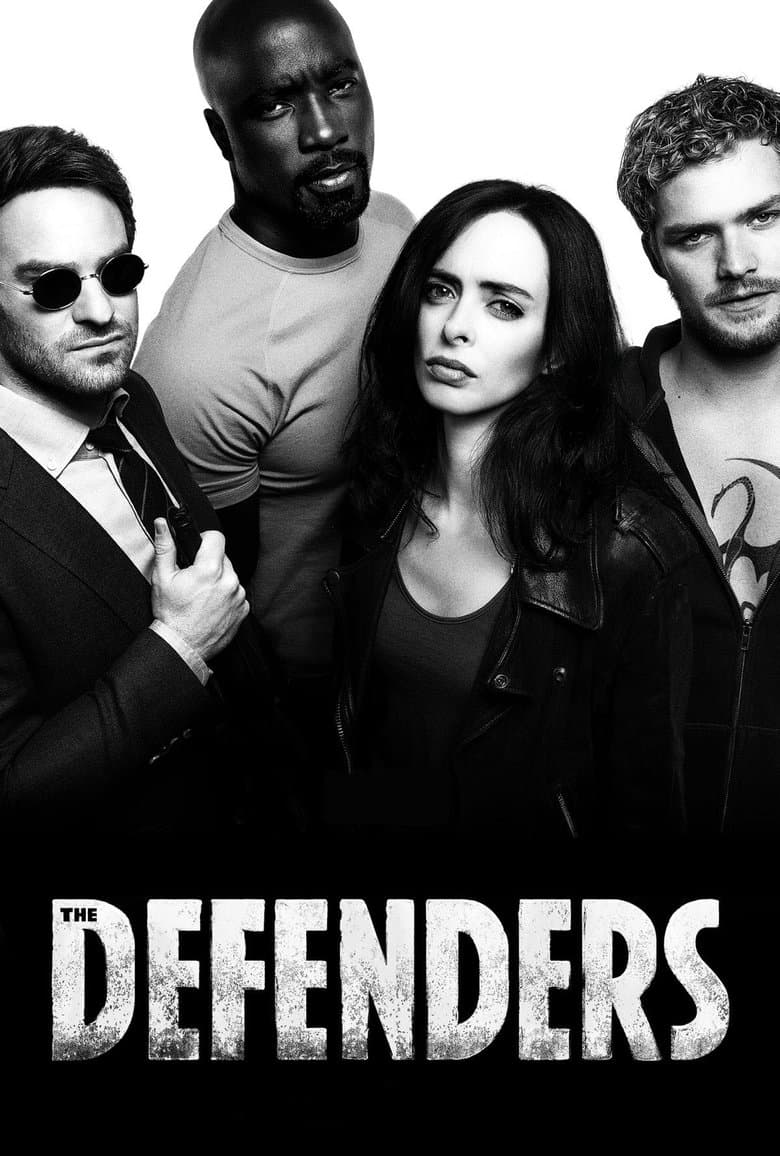
TV Show · 2017
Daredevil, Jessica Jones, Luke Cage and Iron Fist join forces to take on common enemies as a sinister conspiracy threatens New York City.
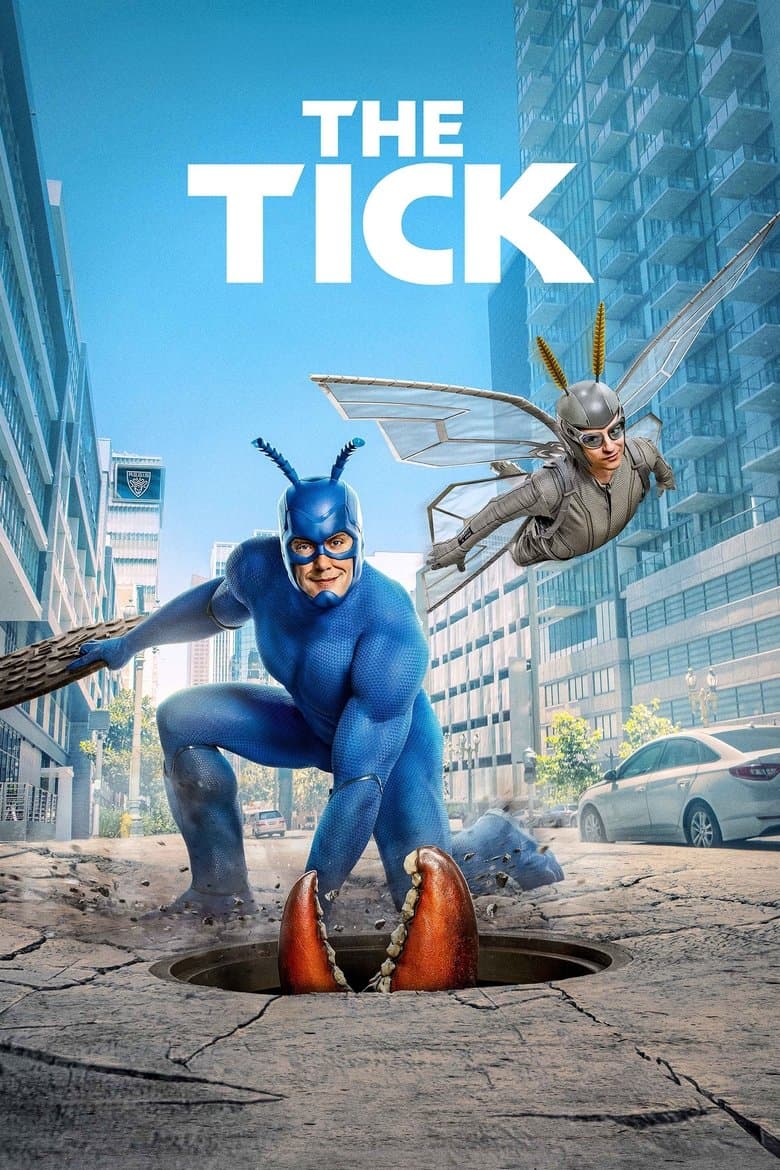
TV Show · 2016
In a world where superheroes have been real for decades, an accountant with zero powers comes to realize his city is owned by a super villain.
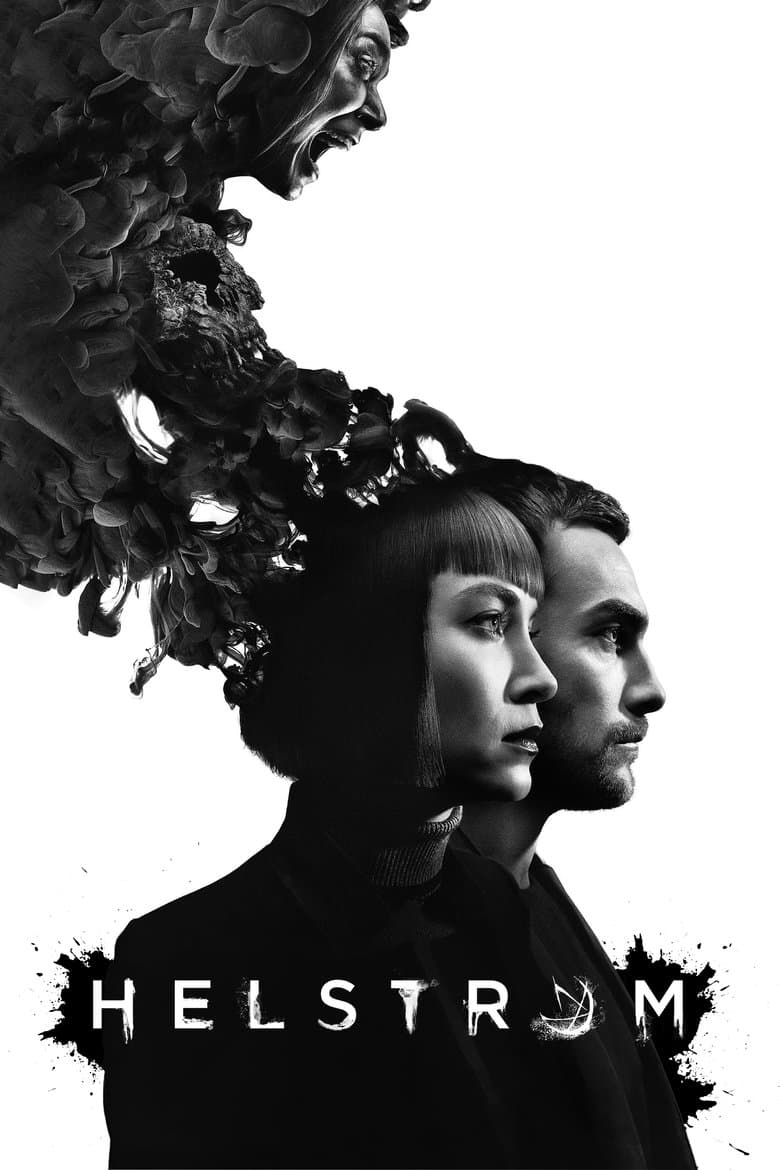
TV Show · 2020
Daimon and Ana Helstrom are the son and daughter of a mysterious and powerful serial killer. The siblings have a complicated dynamic as they track down the terrorizing worst of…
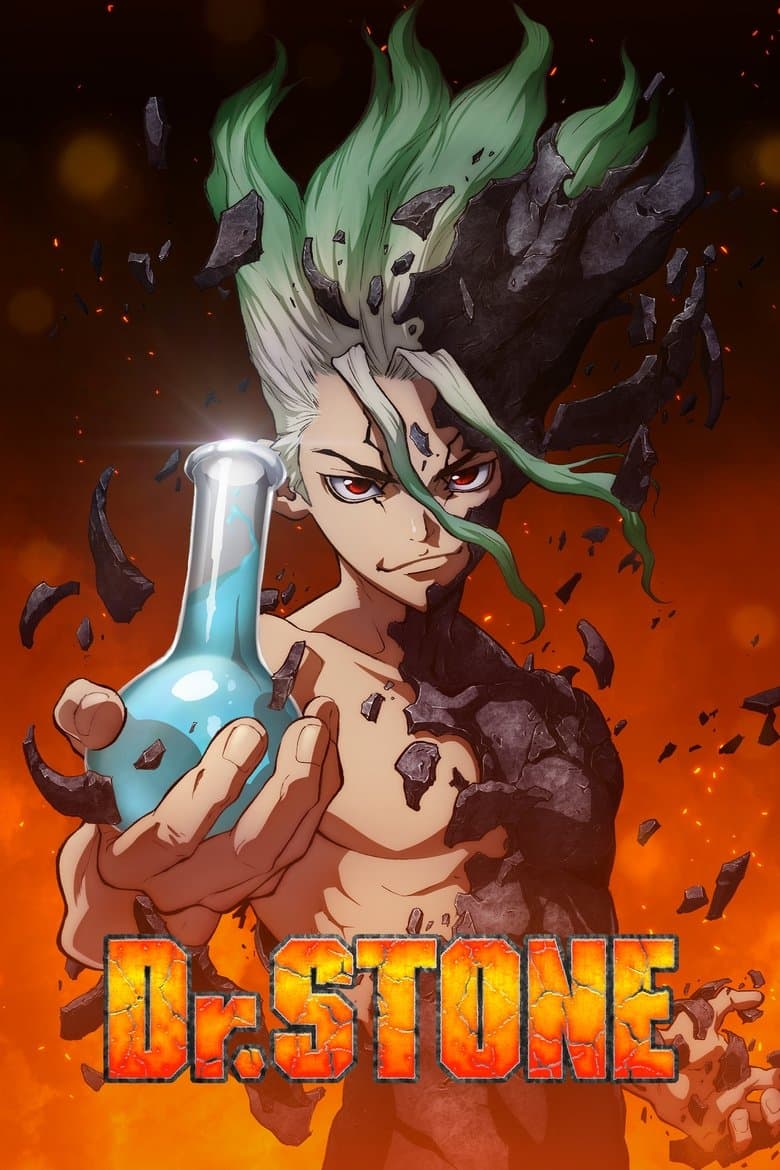
TV Show · 2019
One fateful day, all of humanity was petrified by a blinding flash of light. After several millennia, high schooler Taiju awakens and finds himself lost in a world of statues.
TV Show · 2019
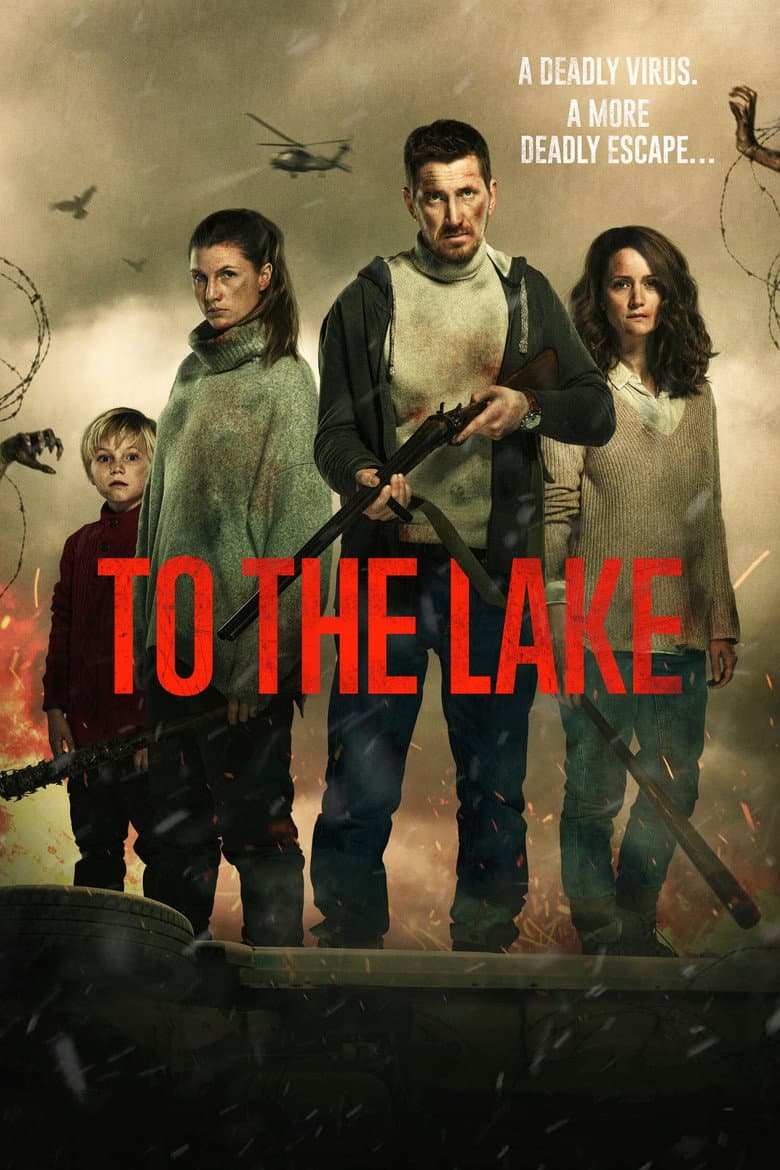
A grim drama that unfolds against the backdrop of a global catastrophe. An unknown new virus turns Moscow into a city of the dead.
