
Started January 27, 2026 · Returning Series · Based on 1 season, 8 episodes through January 27, 2026 · TV-14
Wonder Man is a comedy-drama show about Simon Williams, a struggling actor in Los Angeles who secretly has superpowers. Simon joins forces with washed-up actor Trevor Slattery to chase his dream role in a superhero movie while avoiding a government agency. The show features a highly diverse cast and race-swaps the main character from white to black. The story uses Simon's need to hide his powers as a clear metaphor for being in the closet, and it includes minor background references to same-sex relationships.
Community feedback
Was our 87% Woke rating accurate?
Breakdown
These are the editorial factors and ratings behind our score for Wonder Man.
Woke representation / casting
Simon Williams is race-swapped from a Caucasian character in the comics to a Haitian-American black man, played by Yahya Abdul-Mateen II. The surrounding cast is highly diverse, including X Mayo as Simon's agent, Janelle, and Byron Bowers as the superhero Doorman. In addition, there is a minor, incidental LGBTQ+ element when Janelle refers to her secretary as 'Baby,' signaling a lesbian relationship.
68%
Woke political dialogue
The show largely avoids direct activist soapboxing, keeping the focus on comedy and theatrical method acting. However, characters occasionally deliver dialogue about Hollywood exclusion, the struggles of marginalized people in the industry, and references to real-world social topics. While these lines are framed as Hollywood satire rather than direct political lectures, they still introduce a mild undercurrent of modern social critique.
Production
32%
Identity-driven story themes
The narrative is heavily built around Simon's need to hide his superpowers from Hollywood due to the 'Doorman Clause,' which functions as an allegory for closeted actors hiding their sexuality under the Hays Code. This queer subtext is emphasized by critics and viewers, pointing to the show's 'bisexual lighting' and the intense, intimate emotional bond between Simon and Trevor. Additionally, Simon's background is explicitly rewritten to focus on his Haitian-American first-generation immigrant identity. The heavy queer-coding and identity focus warrant a strong score.
52%
Western institutional / cultural critique
The series offers a satirical critique of the entertainment industry and government bureaucracy. The Department of Damage Control is portrayed as a corrupt, self-serving agency trying to manufacture superhero threats and fill private prisons solely to secure federal funding. Hollywood itself is ridiculed as a greedy, transactional system that bans superpowered individuals under the restrictive 'Doorman Act'. While structured as lighthearted satire, it mirrors modern activist critiques of systemic institutional corruption.
38%
Woke character or canon changes
The series makes major changes to established Marvel canon. Simon Williams is changed from a Caucasian industrialist given powers by Baron Zemo to a black, Haitian-American method actor whose powers developed naturally. His classic comic origins and villainous ties are erased in favor of a Hollywood outsider arc. The superhero Doorman is similarly rewritten to serve as the narrative catalyst for the industry's ban on superpowered individuals, replacing the classic superhero team dynamics of the comics with modern meta-commentary.
70%
Anti-woke backlash and complaints
Upon the show's announcement and trailer releases, there was noticeable online backlash regarding the casting. Anti-woke commentators and fans criticized the decision to race-swap Simon Williams, arguing that Marvel was prioritizing diversity quotas and ignoring comic lore instead of utilizing existing black characters like Blue Marvel. While some viewers appreciated the show's unique focus on drama over superhero action, complaints about the race-bent lead and identity-driven alterations persisted across social media.
52%
Creator track record context
The creative team presents a mixed ideological track record. Showrunners Andrew Guest (21) and Destin Daniel Cretton (28) have low scores with no history of partisan activism. However, key directors Stella Meghie (80) and Tiffany Johnson (75) possess high scores due to their active defense of industry diversity and centering of complex racial/queer identities. Writers like Kira Talise (65) and Clay Lapari (60) also focus heavily on BIPOC representation and equitable hiring programs. Together with producer Kevin Feige (45), this blends into a moderate score.
53%

TV Show · 2019
In a city of coaching centers known to train India’s finest collegiate minds, an earnest but unexceptional student and his friends navigate campus life.

TV Show · 2019
A paragliding mishap drops a South Korean heiress in North Korea -- and into the life of an army officer, who decides he will help her hide.

TV Show · 2022
In disguise as her friend, Ha-ri shows up to a blind date to scare him away. But plans go awry when he turns out to be her CEO — and makes a proposal.

TV Show · 2020
After being bullied and discriminated because of her ugly looks, a high school girl transforms herself into a gorgeous "goddess" and quickly rises to fame after mastering the art…

TV Show · 2019
Burned out on life, Miles undergoes a strange procedure at a strip mall spa -- and wakes to find he's been replaced by a better version of himself.
TV Show · 2019
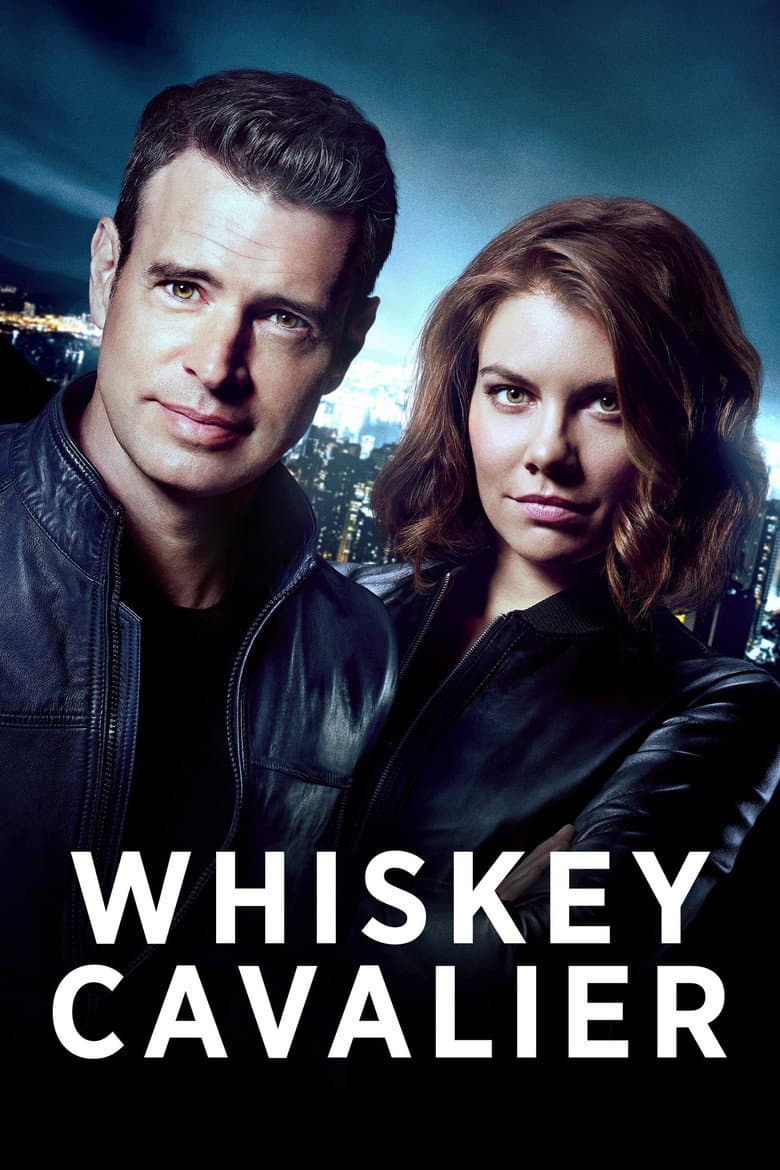
Following an emotional breakup, tough but tender FBI super-agent Will Chase (codename: “Whiskey Cavalier”) is assigned to work with badass CIA operative Frankie Trowbridge…

TV Show · 2020
The heartwarming and humorous adventures of a young country vet in the Yorkshire Dales in the 1930s. A remake of the 1978 series.

TV Show · 2018
When his secretary unexpectedly quits, an arrogant executive will do anything to bring her back.
