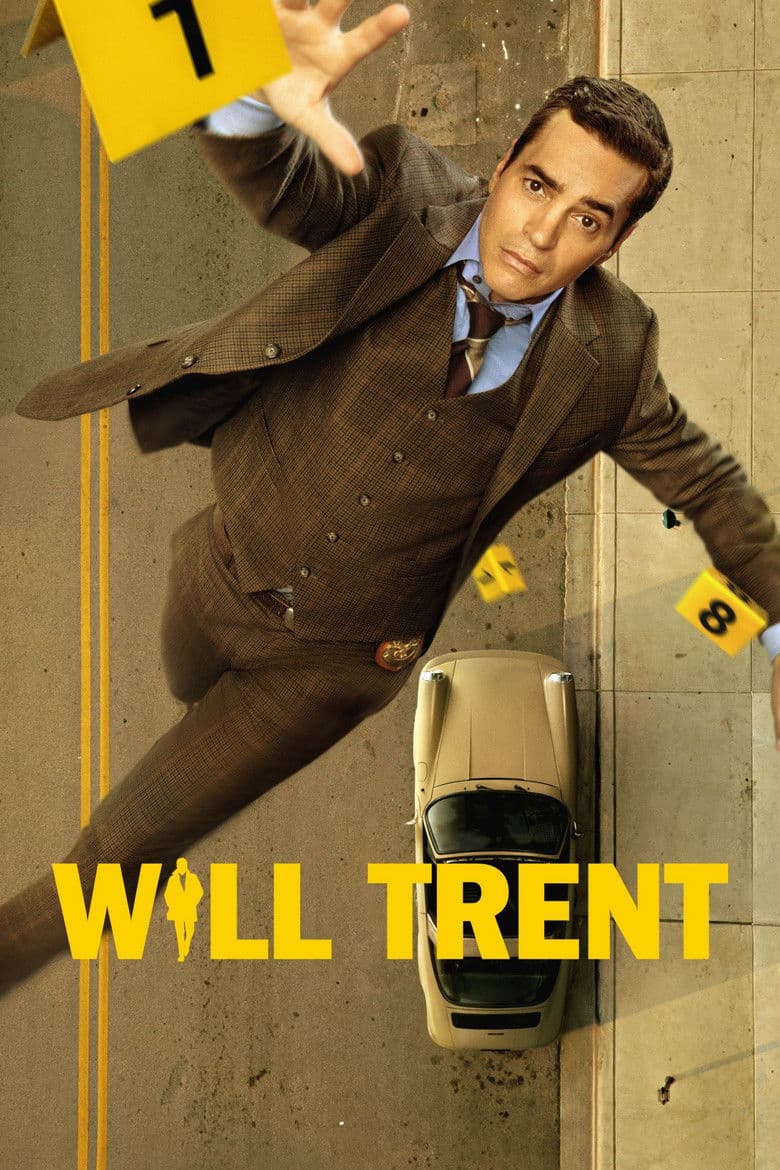
Started January 3, 2023 · Returning Series · Based on 4 seasons, 59 episodes through May 5, 2026 · TV-14
Will Trent is an ABC crime drama about Special Agent Will Trent of the Georgia Bureau of Investigation. Abandoned at birth, he grew up in Atlanta's rough foster care system, became dyslexic, and now solves cases at the highest rate while using his past to help others. The show casts a Latino actor as the lead role originally written as white in the books, puts black women in strong partner and boss positions, features a recurring non-binary character, and develops a lesbian romance with explicit scenes for one main character in season 4. Viewers notice the diverse authority figures and later identity storylines.
Community feedback
Was our 72% Woke rating accurate?
Breakdown
These are the editorial factors and ratings behind our score for Will Trent.
Woke representation / casting
The show casts a Latino actor as lead Will Trent (source novels describe him as white and blond). Black actresses play prominent, competent roles as partner Faith Mitchell and boss Amanda Wagner. Recurring non-binary character Nico (played by non-binary actor) gets supporting storylines and rep-focused coverage. These create a clear, audience-visible pattern of identity casting in key positions, especially against book descriptions, though set in modern diverse Atlanta.
55%
Woke political dialogue
One early episode deliberately shows a character refusing a suspect's preferred pronouns as part of establishing that person as initially flawed or inflammatory. Later seasons add personal and relationship drama without dominant activist lectures or case-of-the-week political speeches. Some viewers describe feeling preached to, but evidence of heavy dialogue is limited.
22%
Identity-driven story themes
Foster care trauma and Atlanta's overwhelmed system form the central emotional driver for Will and Angie. Season 1 ties a murder case to Lake Lanier's racist history (displacement of a black community). Queer elements appear early with Nico and grow in season 4 with Amanda's explicit lesbian arc. These integrate into character backstories and plots more than overt messaging.
48%
Western institutional / cultural critique
Series opens with Will's role exposing Atlanta PD corruption, creating ongoing friction. Later seasons show him losing faith in the justice system amid trauma and cases. The Lake Lanier episode highlights historical racial injustice in the South. These fit standard procedural flaws and personal arcs rather than modern activist framing of systemic racism, patriarchy, or Western culture today.
28%
Woke character or canon changes
Adaptation changes Will Trent's race from white (books) to Latino and Faith Mitchell from white to black. Amanda Wagner develops prominent queer storylines. Co-creators noted intentional early choices around pronouns and transgressive traits. Author Karin Slaughter has supported the show's interpretive approach as separate from the books. Ordinary updates exist, but race and identity shifts are publicly discussed in rep contexts.
58%
Anti-woke backlash and complaints
Metacritic users and Facebook groups complain about "woke" casting (too many black/Hispanic authority figures with LGBTQ additions), "LGBT agenda," and explicit season 4 lesbian scenes as unnecessary or agenda-driven. Niche "not woke shows" sites flag forced intersectionality and minority/female/gay inclusion. X and forum posts echo identity politics frustration, especially later seasons. Complaints are specific and recurring but not a massive mainstream event; the show holds strong ratings.
38%
Creator track record context
Cached scores are low for Liz Heldens (17/100, no activism) and others like Michael Lehmann (9/100). Some writers (e.g., Britta Lundin) have prior queer/feminist-themed work. Ramón Rodríguez (star/director) publicly pushes Latino representation and hiring. Lea Thompson has anti-conservative statements. Overall mild liberal and rep-focused signals among creatives without dominant identity activism or repeated DEI framing.
35%
Production

TV Show · 2021
A seemingly ordinary British couple become the focus of an extraordinary investigation when two dead bodies are discovered in the back garden of a house in Nottingham.
TV Show · 2018
A hit man from the Midwest moves to Los Angeles and gets caught up in the city's theatre arts scene.
TV Show · 2024
When aristocratic Eddie inherits the family estate, he discovers that it's home to an enormous weed empire — and its proprietors aren't going anywhere.
TV Show · 2019
Following an emotional breakup, tough but tender FBI super-agent Will Chase (codename: “Whiskey Cavalier”) is assigned to work with badass CIA operative Frankie Trowbridge…

TV Show · 2016
A slightly unhinged former Navy SEAL lands a job as a police officer in Los Angeles where he's partnered with a veteran detective trying to keep maintain a low stress level in his…

TV Show · 2019
A group of working-class friends finding unconventional ways to win at life in suburban northern England. These lads have dealt, scammed, bribed and conned their way through…

TV Show · 2019
To win back his ex-girlfriend, a nerdy teen starts selling ecstasy online out of his bedroom -- and becomes one of Europe's biggest dealers.
TV Show · 2017
The origin story of younger, hungrier, former Green Beret Bryan Mills as he deals with a personal tragedy that shakes his world.
