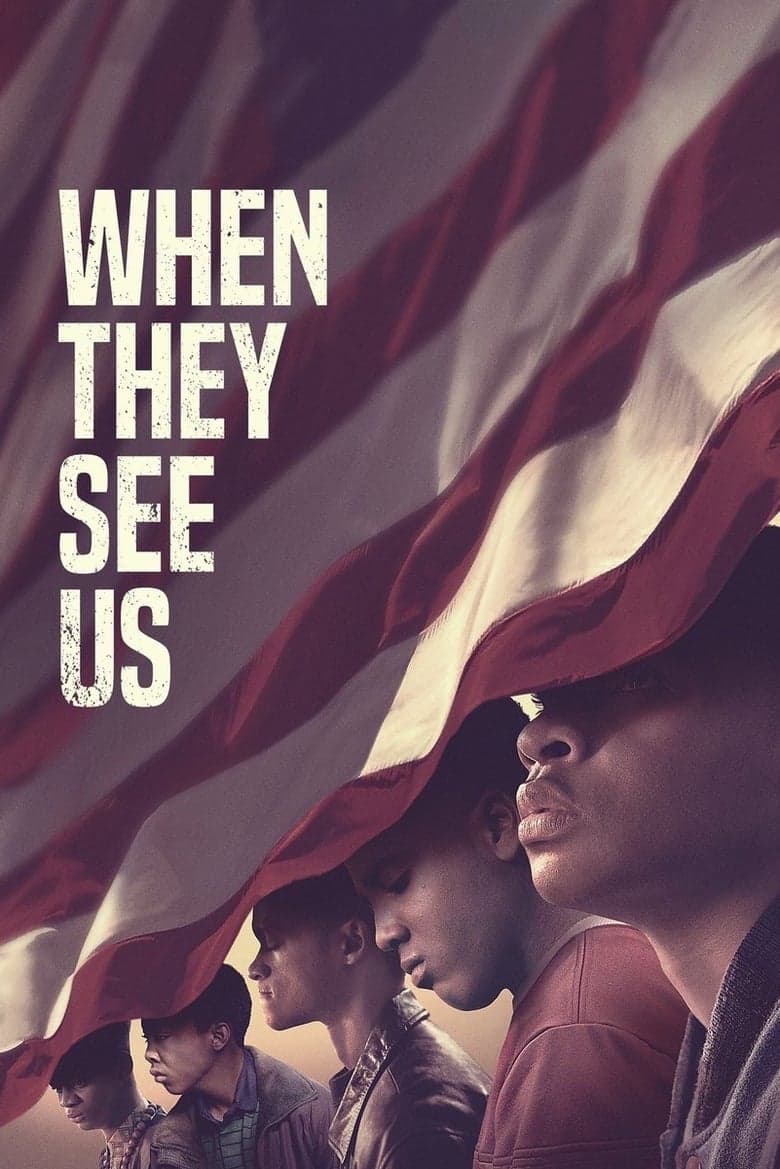
Started May 31, 2019 · Ended · Based on 1 season, 4 episodes through May 31, 2019 · TV-MA
When They See Us is a four-part Netflix miniseries that dramatizes the 1989 Central Park jogger case. Five black and Latino teenagers from Harlem were arrested, interrogated without parents or lawyers, tried, and convicted of a brutal rape despite weak evidence. They served years in prison before exoneration in 2002 when the real attacker confessed. The series centers racial identity as the key reason authorities targeted the boys, with heavy focus on police coercion, prosecutorial choices, and media frenzy that treated young men of color as threats by default.
Community feedback
Was our 87% Woke rating accurate?
Breakdown
These are the editorial factors and ratings behind our score for When They See Us.
Woke representation / casting
Casting matches the real racial and ethnic backgrounds of the 1989 Harlem teens and other figures exactly, with no mismatches to the historical setting or story logic.
20%
Woke political dialogue
Scenes include discussions of race and police treatment of minorities during interrogations and trials, but these stay tied to the dramatic events rather than modern activist speeches.
45%
Identity-driven story themes
The entire premise revolves around how the boys' black and Latino identities made them targets for arrest and conviction in a case lacking solid evidence.
75%
Western institutional / cultural critique
The series presents the NYPD, prosecutors, and media as shaped by racial bias and rush to judgment against young men of color, using the 1989 case to illustrate broader systemic problems.
70%
Woke character or canon changes
It dramatizes real people and events with some added dialogue and emphasis; former prosecutor Linda Fairstein publicly called her portrayal distorted and sued over it.
35%
Anti-woke backlash and complaints
A minority of viewers called it one-sided political propaganda or agenda-driven, especially around portrayals of authorities and Trump; most debate centered on factual accuracy instead.
25%
Creator track record context
Led by Ava DuVernay with multiple writers who repeatedly explore racial injustice and black experiences in their own work.
75%
Production
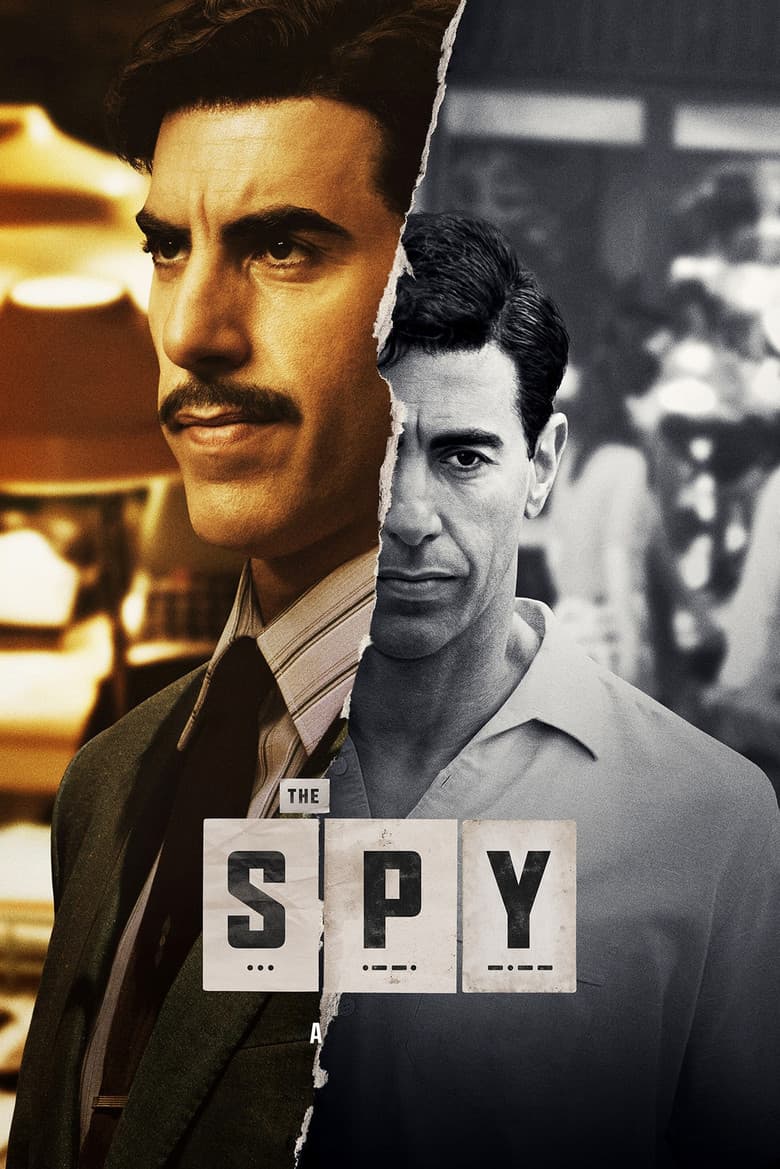
TV Show · 2019
In the 1960s, Israeli clerk-turned-secret agent Eli Cohen goes deep undercover inside Syria on a perilous, years-long mission to spy for Mossad.
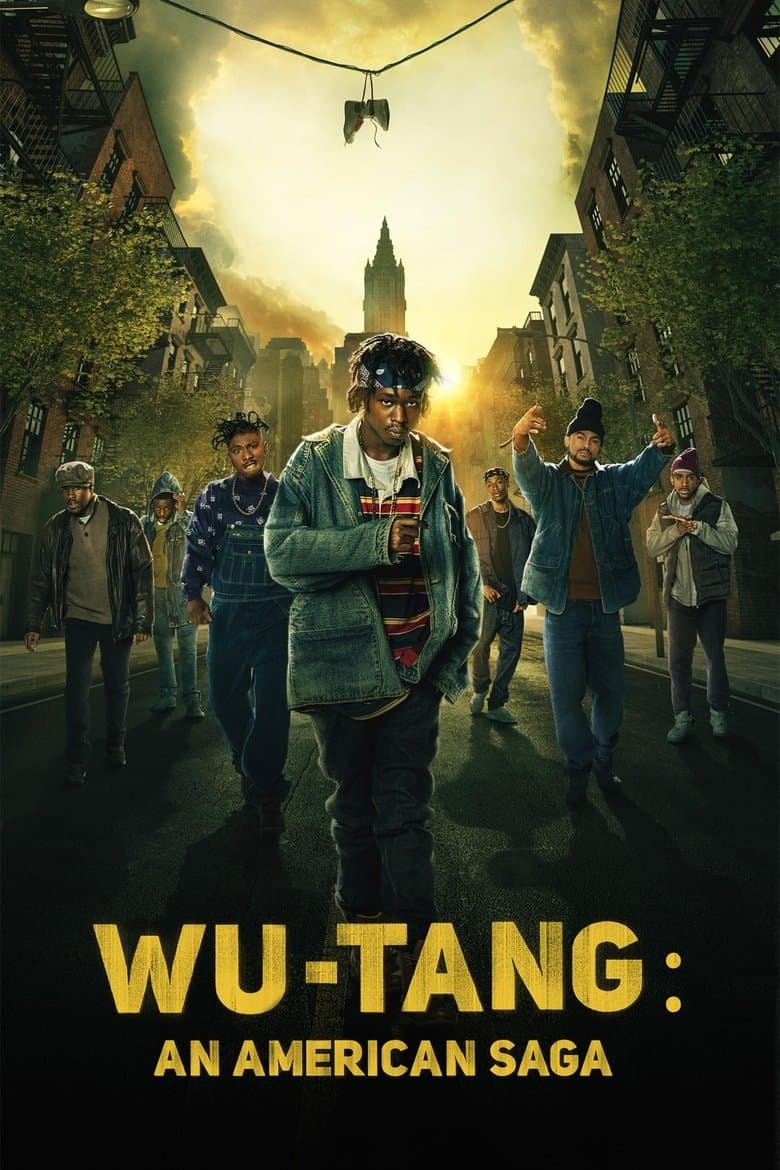
TV Show · 2019
In the early 1990s in New York, during the height of the crack cocaine epidemic, a visionary musician named Bobby Diggs aka The RZA begins to form a super group of a dozen young…
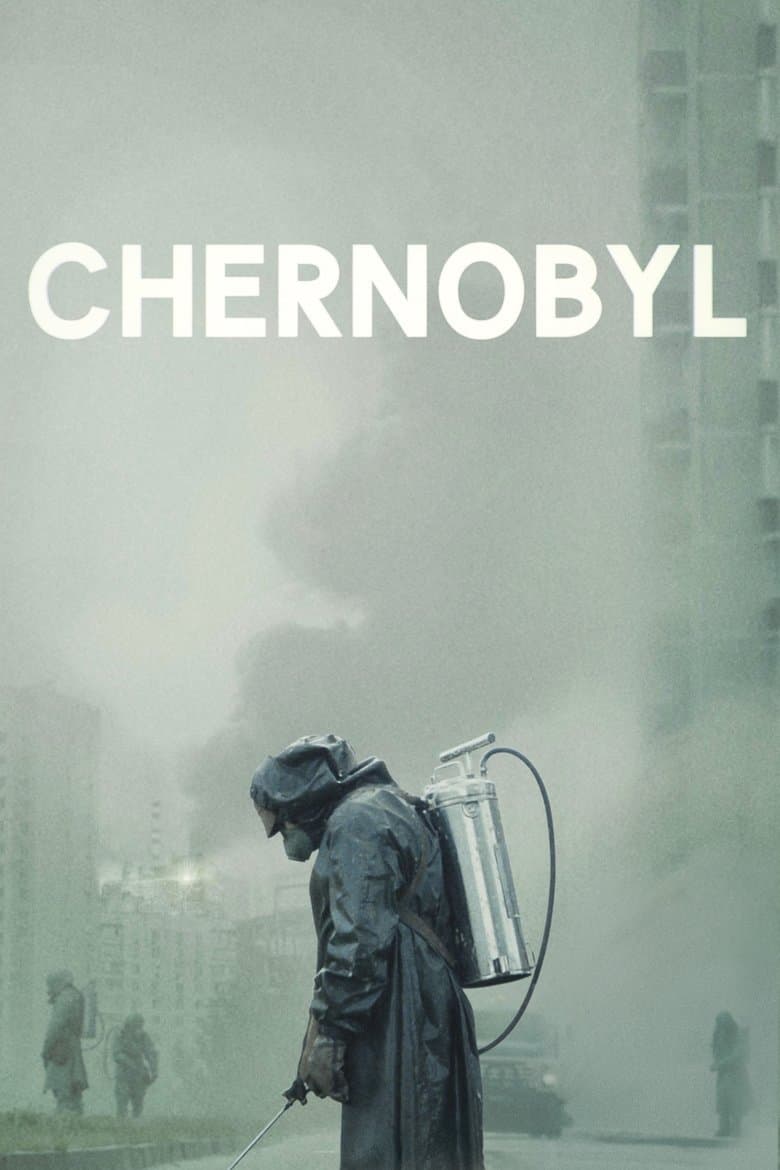
TV Show · 2019
The true story of one of the worst man-made catastrophes in history: the catastrophic nuclear accident at Chernobyl.
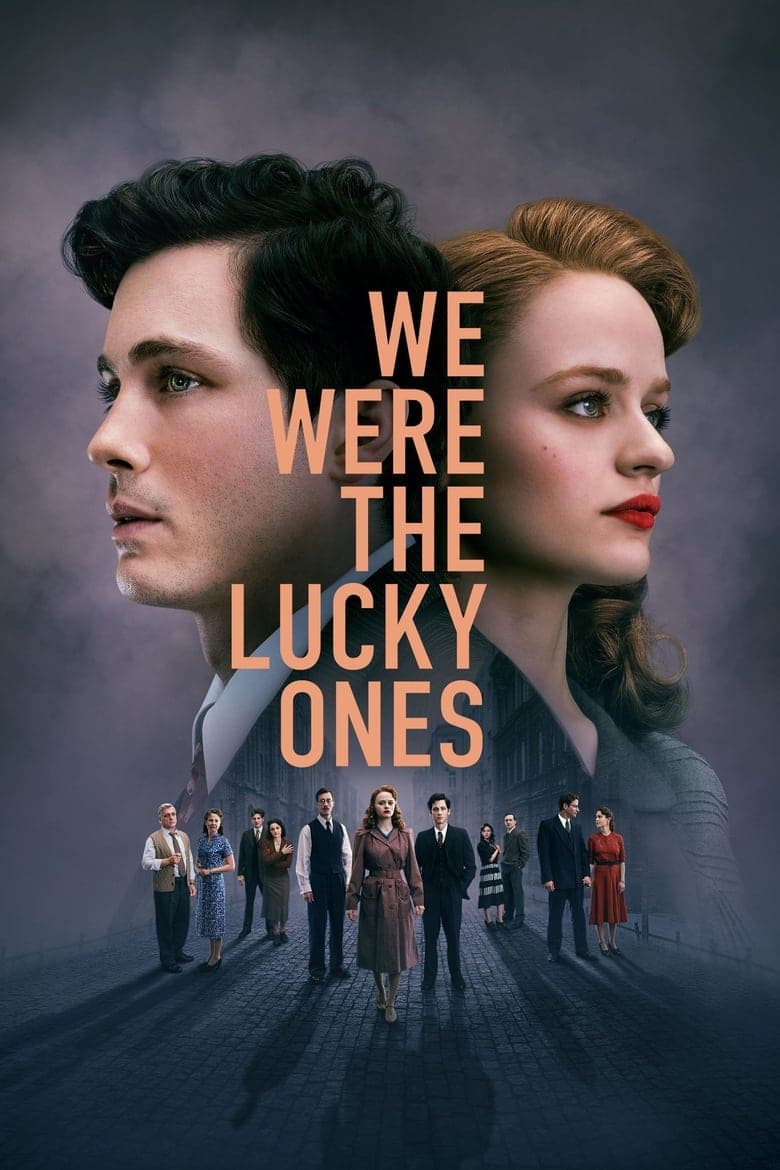
TV Show · 2024
The true story of one Jewish family separated at the start of World War II, determined to survive—and to reunite.
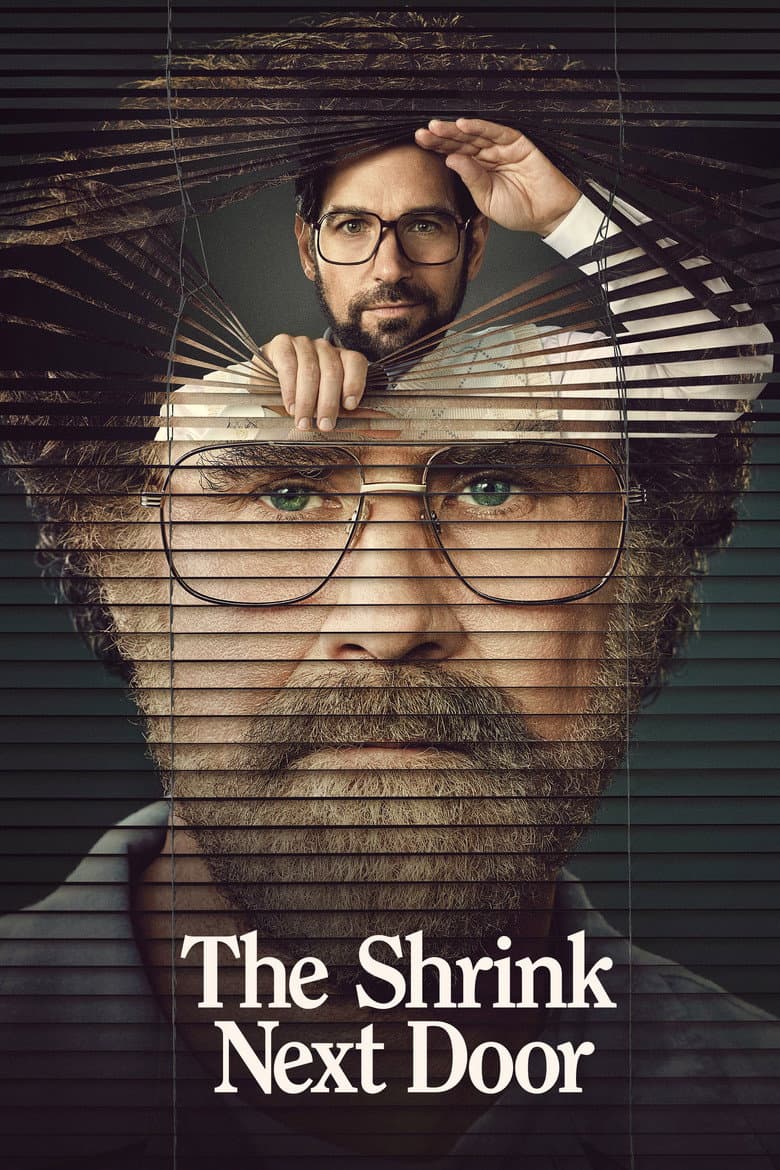
TV Show · 2021
Inspired by the true story of Marty and the therapist who turned his life around...then took it over. When he first meets Dr. Ike, Marty just wants to get better at boundaries.
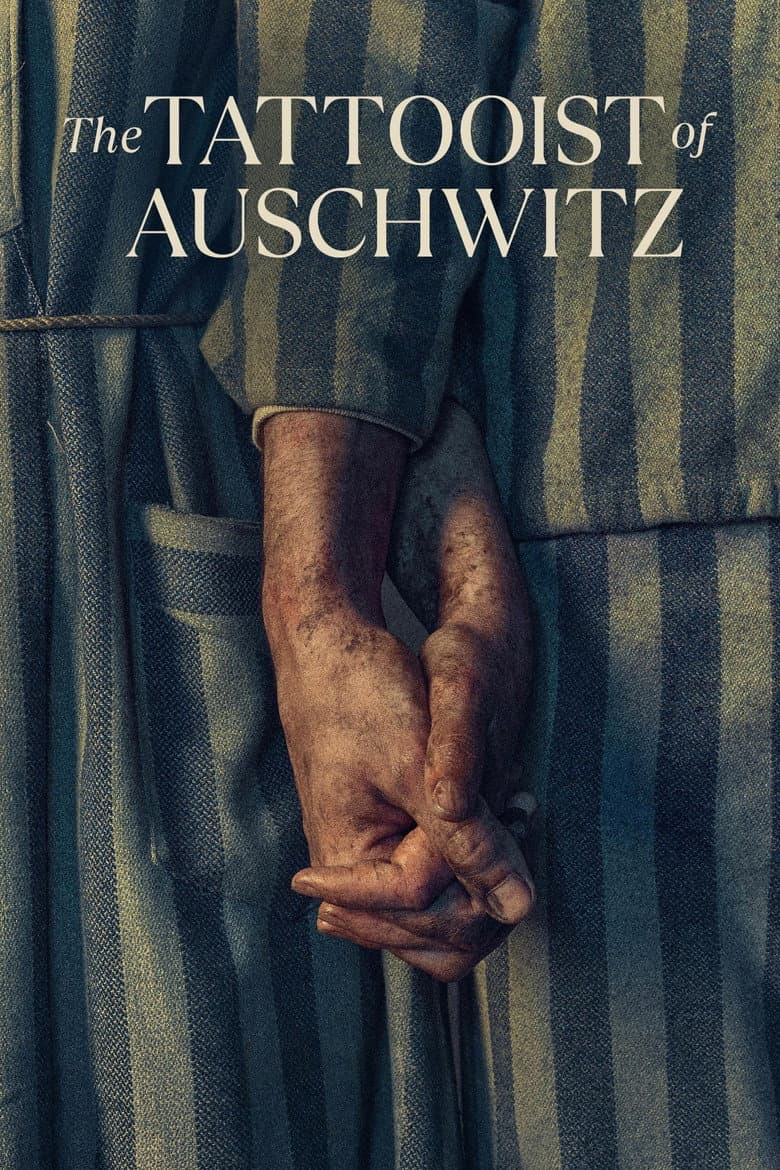
TV Show · 2024
The powerful real-life story of Lali Sokolov, a Jewish prisoner who was tasked with tattooing ID numbers on prisoners' arms in the Auschwitz-Birkenau concentration camp during…
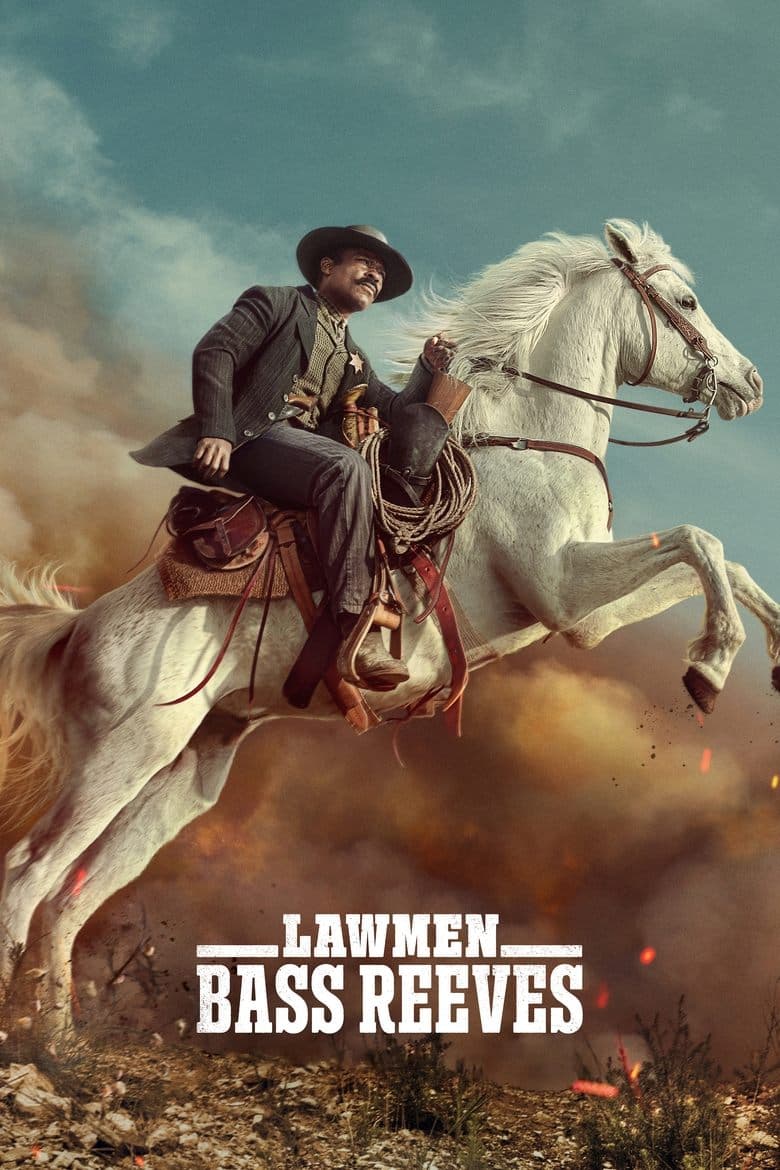
TV Show · 2023
The story of Bass Reeves, the legendary lawman of the wild West, is brought to life. Reeves worked in the post-Reconstruction era as a federal peace officer in the Indian…
TV Show · 2022
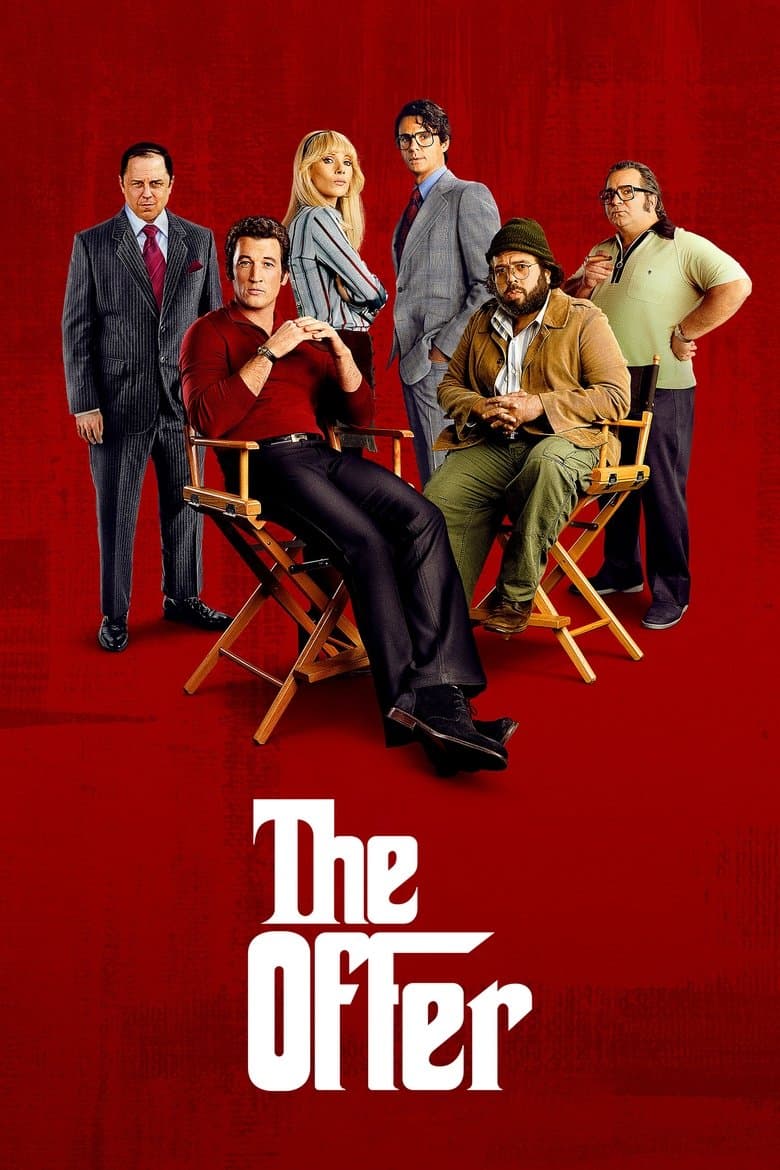
Oscar-winning producer Al Ruddy’s never before revealed experiences of making the iconic 1972 film The Godfather that Francis Ford Coppola directed and adapted with Mario Puzo.
