Started August 11, 2021 · Ended · Based on 3 seasons, 26 episodes through December 29, 2024 · TV-14
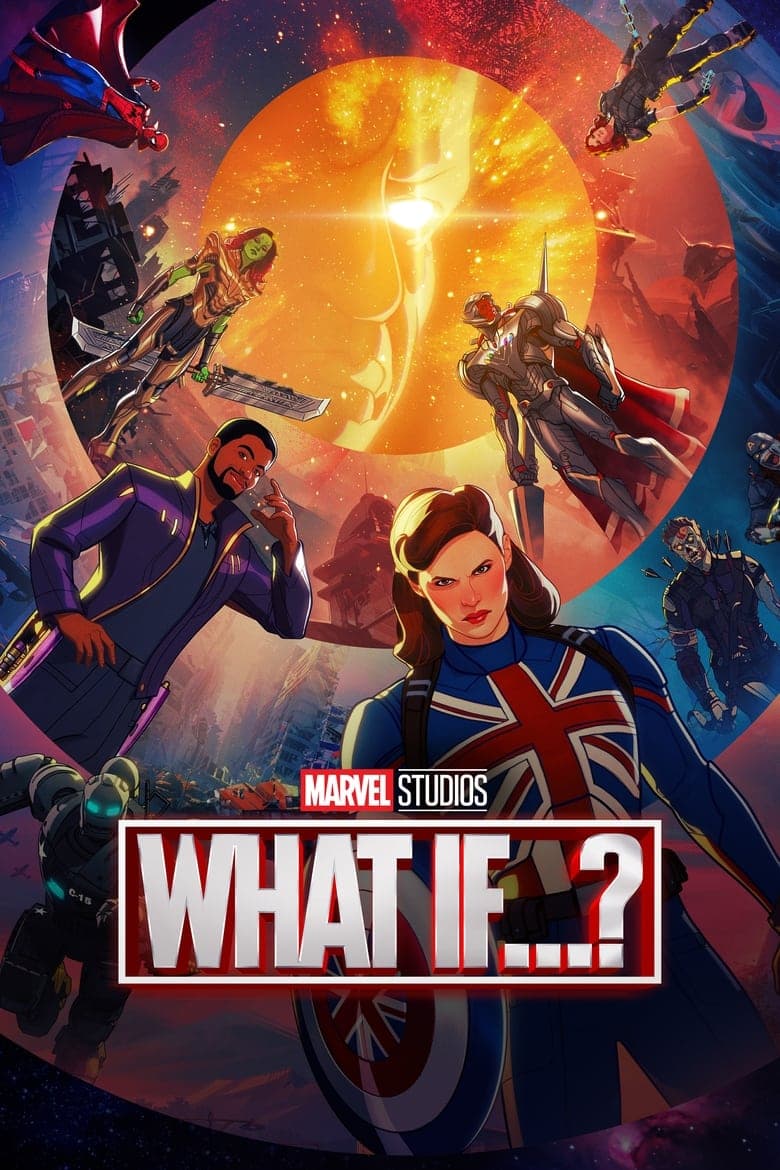
What If...? is an animated multiverse anthology narrated by the Watcher. Each episode flips a major MCU moment into a new timeline. Viewers meet Captain Carter as the First Avenger, T’Challa as Star-Lord, zombie outbreaks, an Ultron victory world, Party Thor chaos, and original Mohawk heroine Kahhori. Later seasons add therapy Hulk and Mech Avengers plots, buddy-cop Red Guardian and Winter Soldier stories, and multiversal finales. The series ran three seasons from 2021 through 2024 and then ended.
Woke elements show up most in the flagship and late-run stories rather than every episode. Captain Carter is framed as the woman pushed aside who becomes the super-soldier hero and keeps returning as the show’s main face. Kahhori’s season two story centers on Indigenous language, Native collaboration, and a “what if colonization did not happen” setup. Other identity-forward moves include T’Challa as Star-Lord, Jeffrey Wright as the Watcher, and a season three group of diverse original heroes with acceptance-style messaging. Plenty of episodes stay pure pulp action, so the load is uneven. Viewers who sample the whole run will still notice the empowerment and representation framing in the big tentpoles.
Community feedback
Was our 68% Woke rating accurate?
Breakdown
These are the editorial factors and ratings behind our score for What If...?.
Woke representation / casting
The show keeps putting identity-forward heroes front and center. Captain Carter is a main face across seasons. Kahhori is an original Mohawk heroine built with Native consultants. Other big examples include T’Challa as Star-Lord, Jeffrey Wright as the Watcher, and a late multiversal team around those leads. Many side casts just mirror normal MCU diversity without extra signaling.
54%
Woke political dialogue
This is not a lecture show most of the time. Some modern lines still land, like season three accept-us counseling for Banner and Captain Carter sexism beats. The Kahhori episode also puts colonial villains in plain speech. Large stretches of the run stay pure genre and action talk.
26%
Identity-driven story themes
The anthology is uneven, but tentpole stories carry a clear empowerment load. Captain Carter is framed as the sidelined woman who becomes First Avenger. Kahhori’s arc asks what if colonization did not happen and centers an Indigenous woman hero. Black hero variants and season three acceptance themes add more of the same, while many pulp episodes do not.
50%
Western institutional / cultural critique
Critique is mild and mostly episodic. Kahhori’s anti-colonial what-if is the strongest hit and leans modern decolonial framing. Season three therapy norms feel current and liberal, not a full attack on men. Soviet buddy-cop comedy is not Marxist advocacy, and there is no series-long claim that the West is pure evil.
24%
Woke character or canon changes
The score tracks identity-coded swaps, not every multiverse twist. Peggy taking the super-soldier mantle is the biggest recurring change. T’Challa as Star-Lord and Wright as the Watcher also count. Kahhori is original rather than a swap of an old figure. The multiverse setup softens pure forced-rewrite complaints.
42%
Anti-woke backlash and complaints
Pushback is real but smaller than for She-Hulk or The Acolyte. Outlets and posts hit season three therapy Hulk and accept-us messaging as woke. Captain Carter also draws girlboss and overexposure complaints. Broader MCU too-woke talk sometimes names the show without a huge dedicated war over it.
30%
Creator track record context
Bradley and casting lead Finn sit in a moderate elevated range on diversity-forward hero and recasting priorities. Animation directors and many producers score much lower in the teens to low twenties. Studio voices also linked the series launch and Kahhori path to inclusion and DEI framing. The net is moderate context, not director-driven activism.
36%
Production
TV Show · 2024
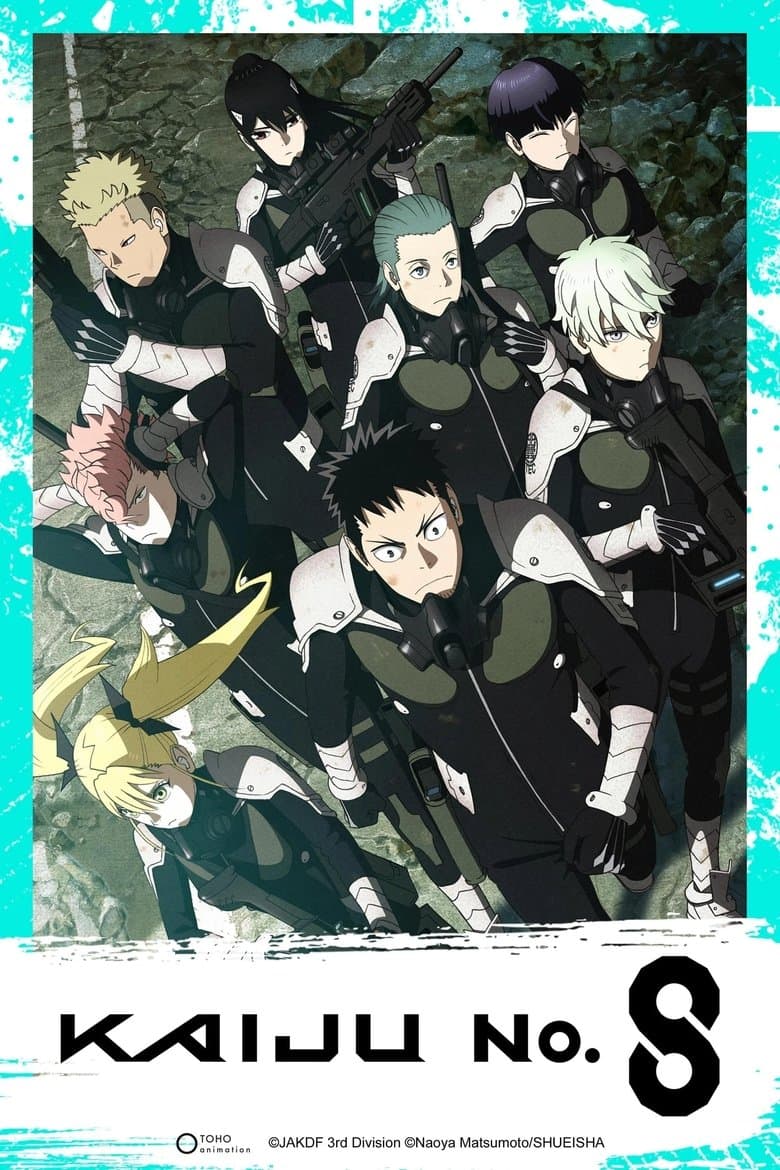
In a world plagued by creatures known as Kaiju, Kafka Hibino aspired to enlist in The Defense Force. He makes a promise to enlist with his childhood friend, Mina Ashiro.
TV Show · 2021
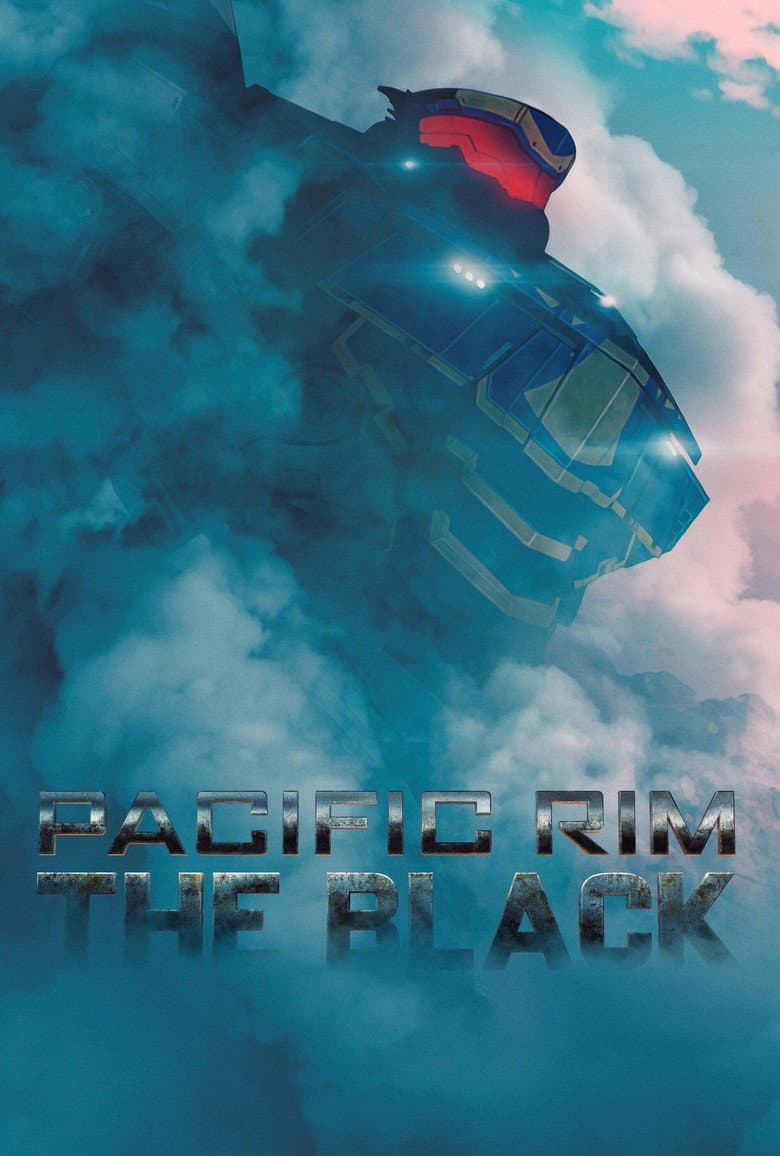
Two siblings - an idealistic teenage boy and his naive younger sister - are forced to pilot an abandoned Jaeger across a hostile landscape in a desperate attempt to find their…
TV Show · 2022
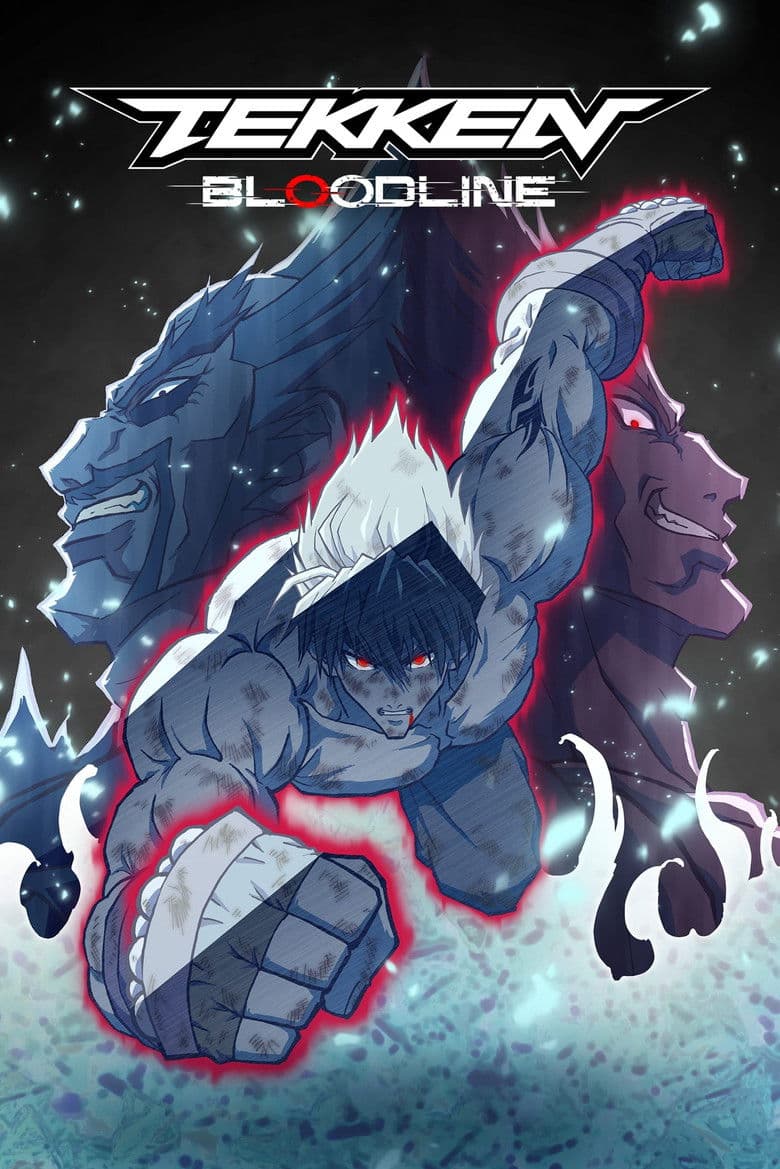
After losing his home to a powerful enemy, a hot-tempered fighter trains under his zealous grandfather while awaiting his chance for revenge.
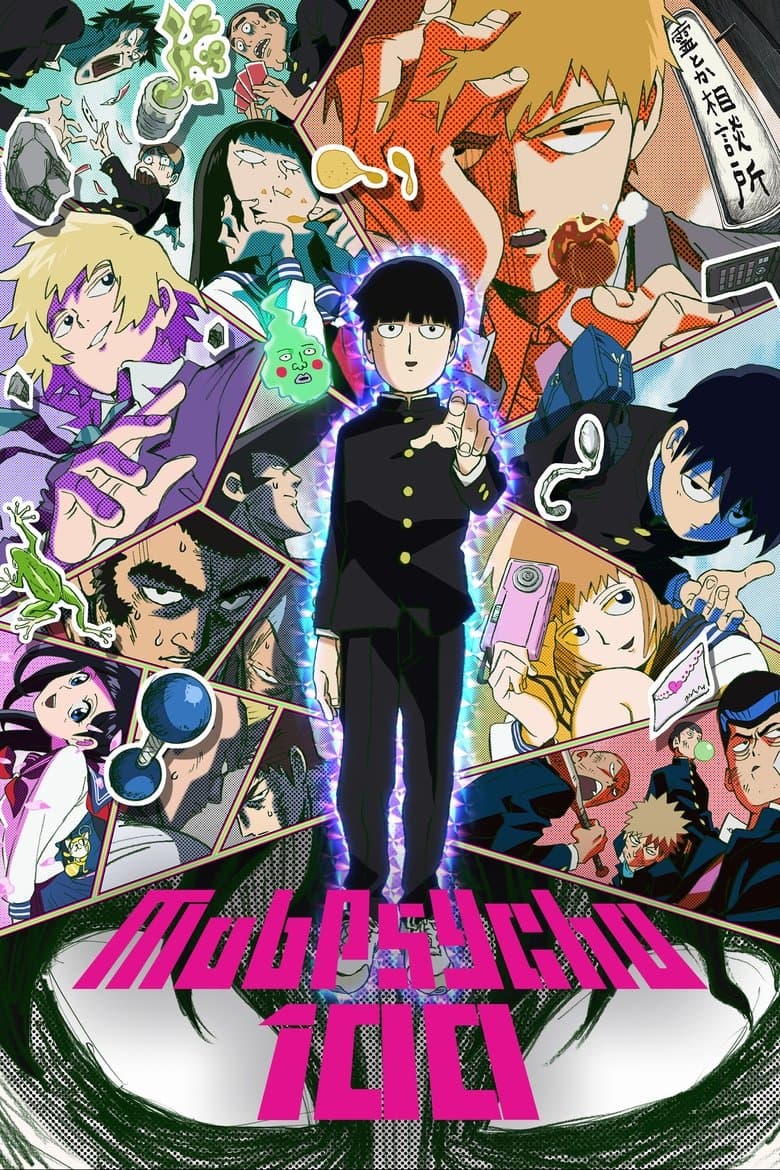
TV Show · 2016
Shigeo Kageyama, a.k.a. "Mob," is a boy who has trouble expressing himself, but who happens to be a powerful esper.
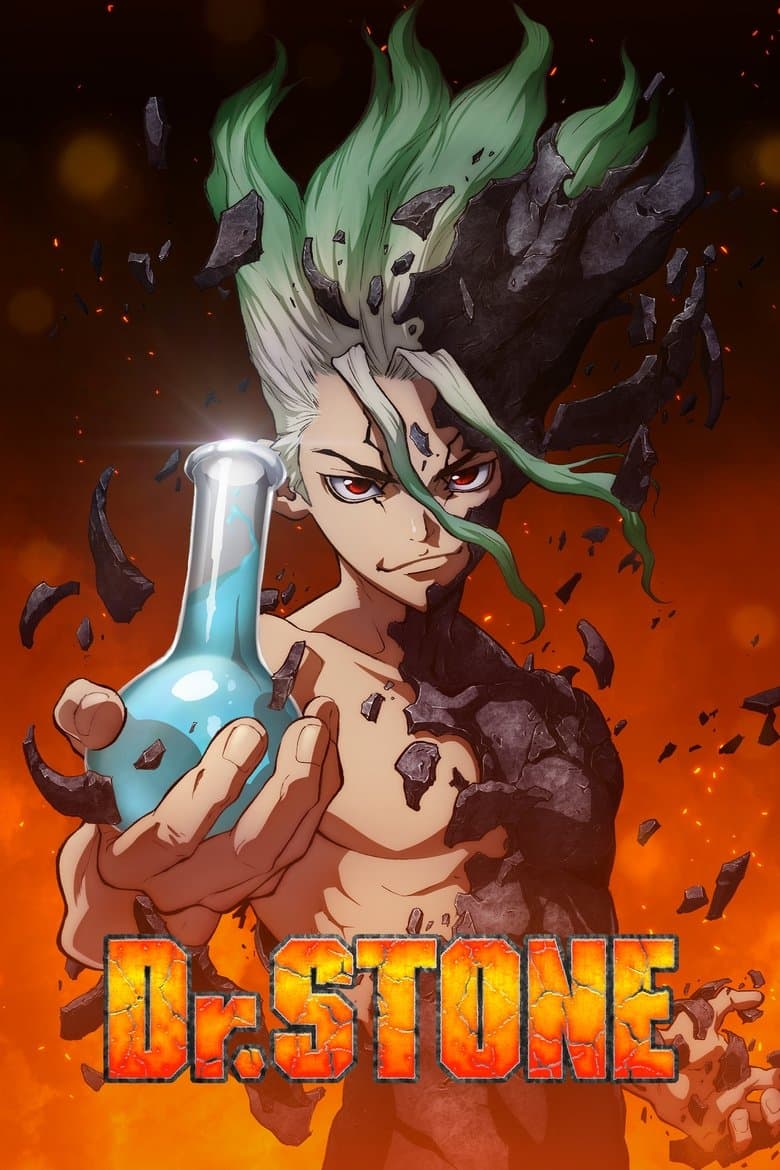
TV Show · 2019
One fateful day, all of humanity was petrified by a blinding flash of light. After several millennia, high schooler Taiju awakens and finds himself lost in a world of statues.
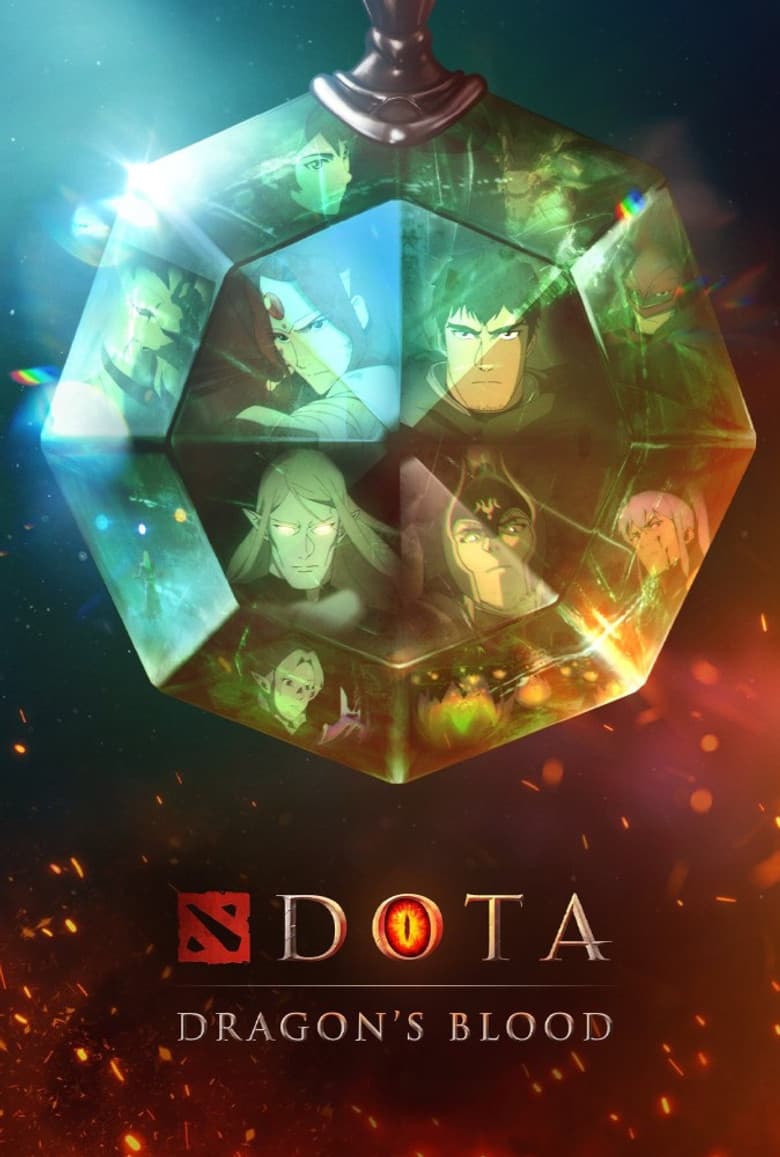
TV Show · 2021
After encounters with a dragon and a princess on her own mission, a Dragon Knight becomes embroiled in events larger than he could have ever imagined.
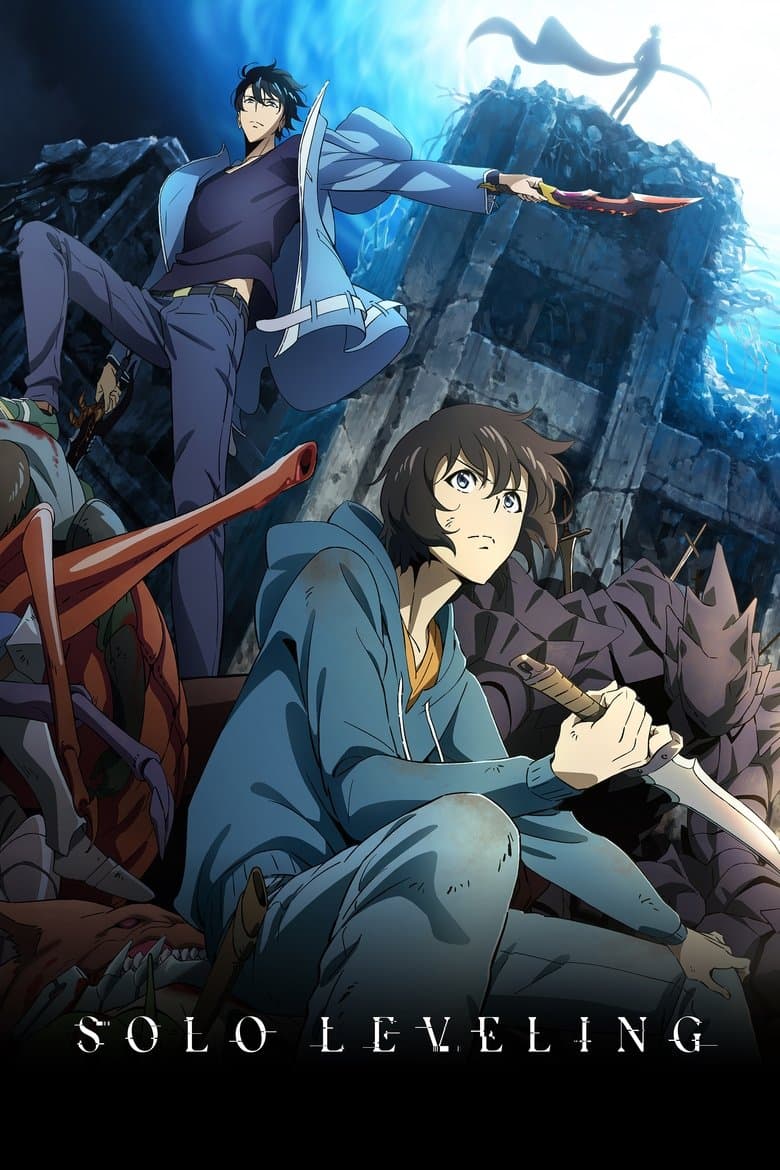
TV Show · 2024
They say whatever doesn’t kill you makes you stronger, but that’s not the case for the world’s weakest hunter Sung Jinwoo.
TV Show · 2024
Mysteriously transformed into mini versions of themselves, Goku and his friends travel to the Demon Realm to uncover the truth and find a cure.
