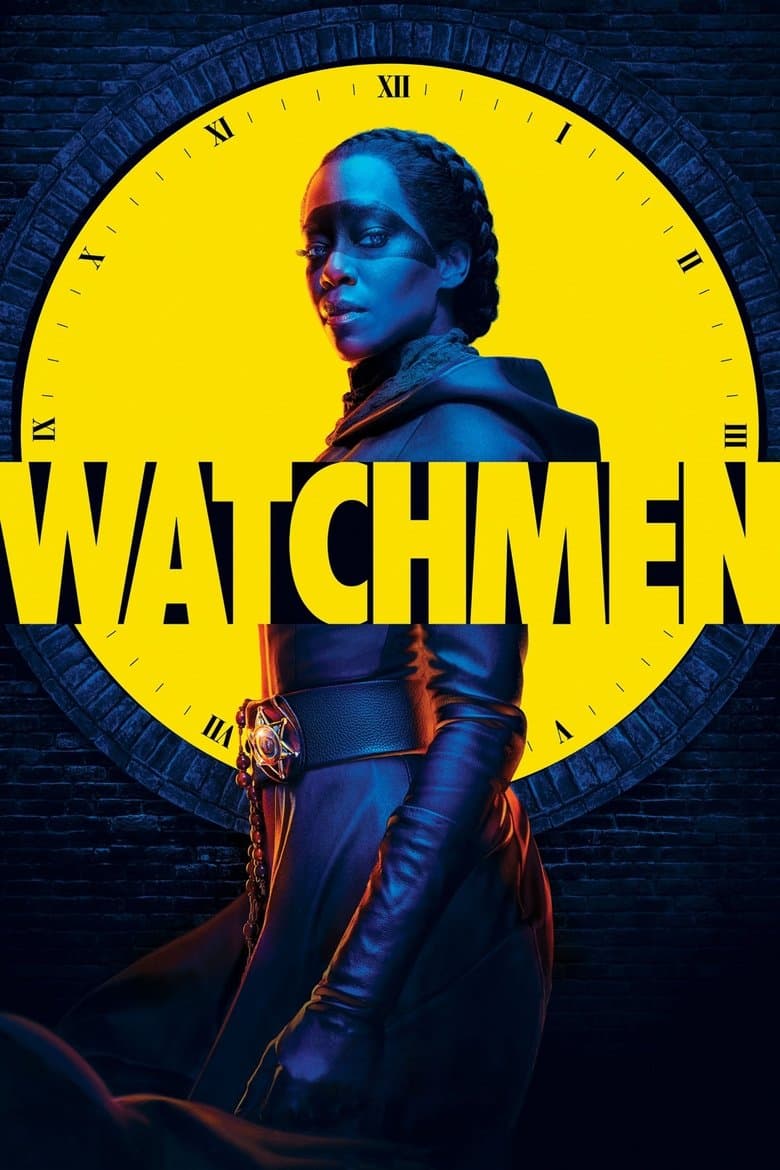
Started October 20, 2019 · Ended · Based on 1 season, 9 episodes through December 15, 2019 · TV-MA
Watchmen is a dark mystery television show set in Tulsa, Oklahoma, in an alternate version of 2019. The story follows Angela Abar, a black police officer who fights crime as the masked vigilante Sister Night. She investigates the murder of her police chief while facing a violent white supremacist group called the Seventh Kavalry. The tone is very serious and tense, showing a world where masked heroes are outlawed and the police must hide their faces. Viewers will immediately notice a strong emphasis on modern political issues and identity-driven themes. The main plot centers on systemic racism, historical trauma, reparations, and the 1921 Tulsa race massacre. It also features major canon changes, making the first superhero a gay black man and turning Rorschach's mask into a hate symbol.
Community feedback
Was our 97% Woke rating accurate?
Breakdown
These are the editorial factors and ratings behind our score for Watchmen.
Woke representation / casting
The casting heavily focuses on modern representation. The main character is a highly capable black female police officer who dominates most action scenes. A key twist reveals that the legendary, god-like hero Dr. Manhattan has been living as a black man. The world's first superhero is also revealed to be a black man who is in a gay relationship. These choices directly prioritize identity-driven representation over original comic lore.
82%
Woke political dialogue
The show contains a lot of dialogue about modern political issues. Characters frequently discuss systemic racism, historical trauma, and white privilege. The show introduces the concept of "Redfordations," which are government reparations given to victims of racial violence. This activist language and political framing are highly visible and run through almost every episode, making the political messages impossible to miss.
72%
Identity-driven story themes
The entire narrative is built around racial and sexual identity. It begins with the real-life 1921 Tulsa race massacre and centers on the struggle against a white supremacist group. The origin of superhero culture is rewritten as a direct response to anti-black violence. It also features a prominent queer storyline that explores homophobia and racial fetishization, making modern identity politics the main driver of the plot.
88%
Western institutional / cultural critique
The series offers a very harsh critique of American history and culture. It portrays traditional Western institutions, like the police force and the justice system, as deeply racist and corrupt. It reframes classic superhero tropes as tools that protect white supremacy rather than helping people. The show strongly criticizes conservative ideas and portrays traditional white, rural communities as breeding grounds for hate.
78%
Woke character or canon changes
The series makes massive changes to the established comic book lore. It retcons Hooded Justice from a presumed white German strongman into a gay black man. It reveals that Dr. Manhattan chose to take the form of a black man to live a normal life. Most controversial of all, it turns the inkblot mask of the classic character Rorschach into the official uniform of a white supremacist terrorist group, which upset many fans.
85%
Anti-woke backlash and complaints
The series faced massive backlash from fans and viewers who felt it pushed a heavy-handed progressive agenda. Many complained that the show swapped the Cold War themes of the comic for modern identity politics. There was widespread anger over the changes to Rorschach's legacy and Hooded Justice's race. This led to intense online debates and a major audience review-bombing campaign on sites like Rotten Tomatoes.
84%
Creator track record context
The key creators behind the show have a strong history of focusing on social justice and identity. Showrunner Damon Lindelof hired a very diverse writers' room to ensure the show focused on systemic racism. Prominent writers like Cord Jefferson, Stacy Osei-Kuffour, and Christal Henry have established careers centering on race and institutional critique. This collective background heavily shaped the show's political direction.
52%
Production
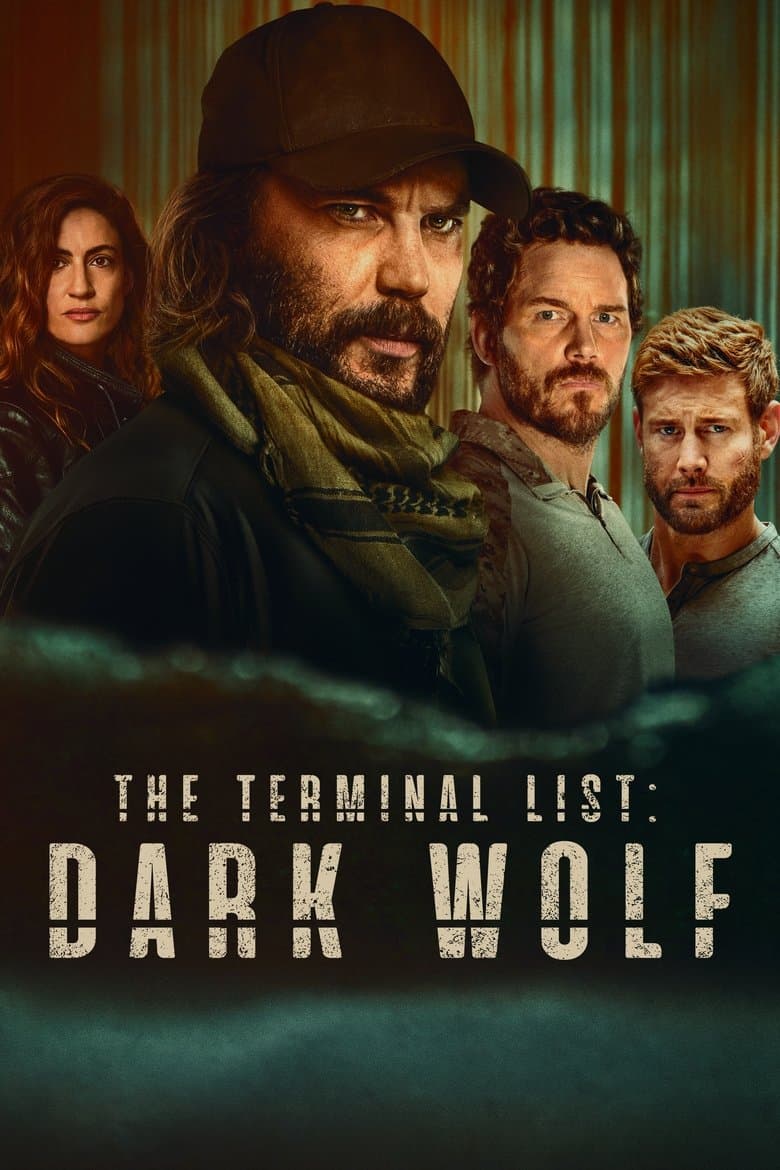
TV Show · 2025
Before The Terminal List, Navy SEAL Ben Edwards finds himself entangled in the black operations side of the CIA.
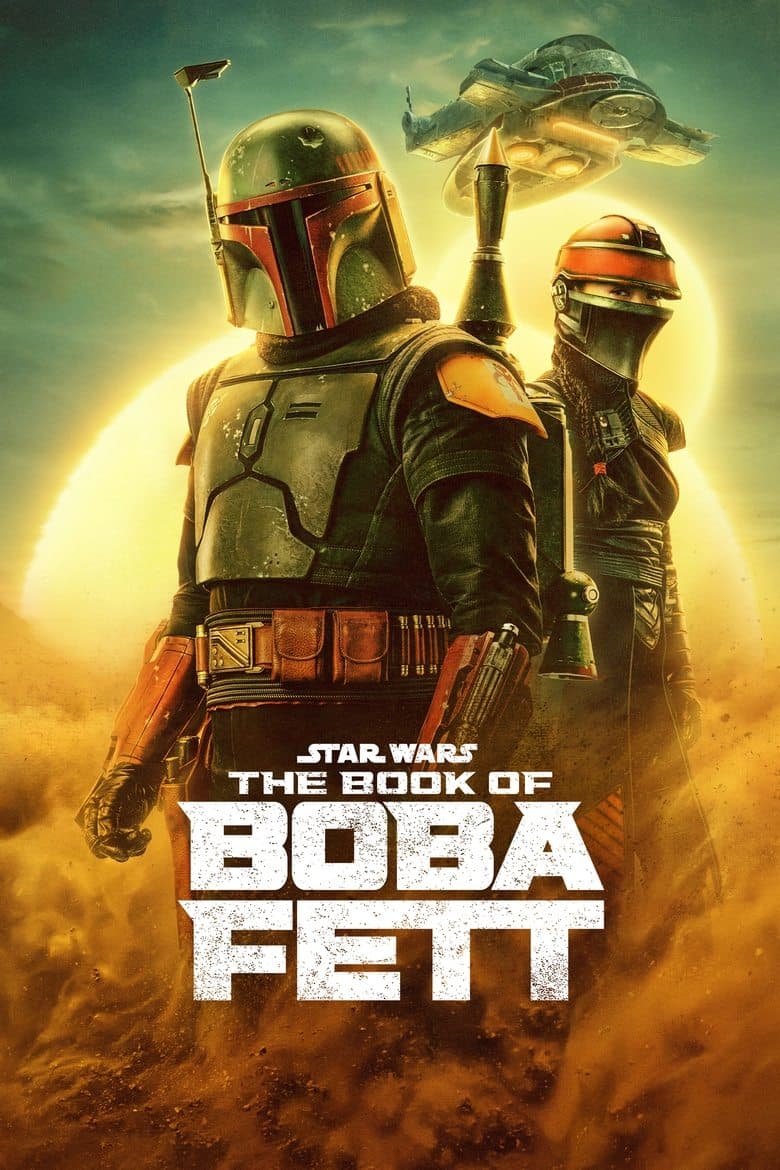
TV Show · 2021
Legendary bounty hunter Boba Fett and mercenary Fennec Shand must navigate the galaxy’s underworld when they return to the sands of Tatooine to stake their claim on the territory…
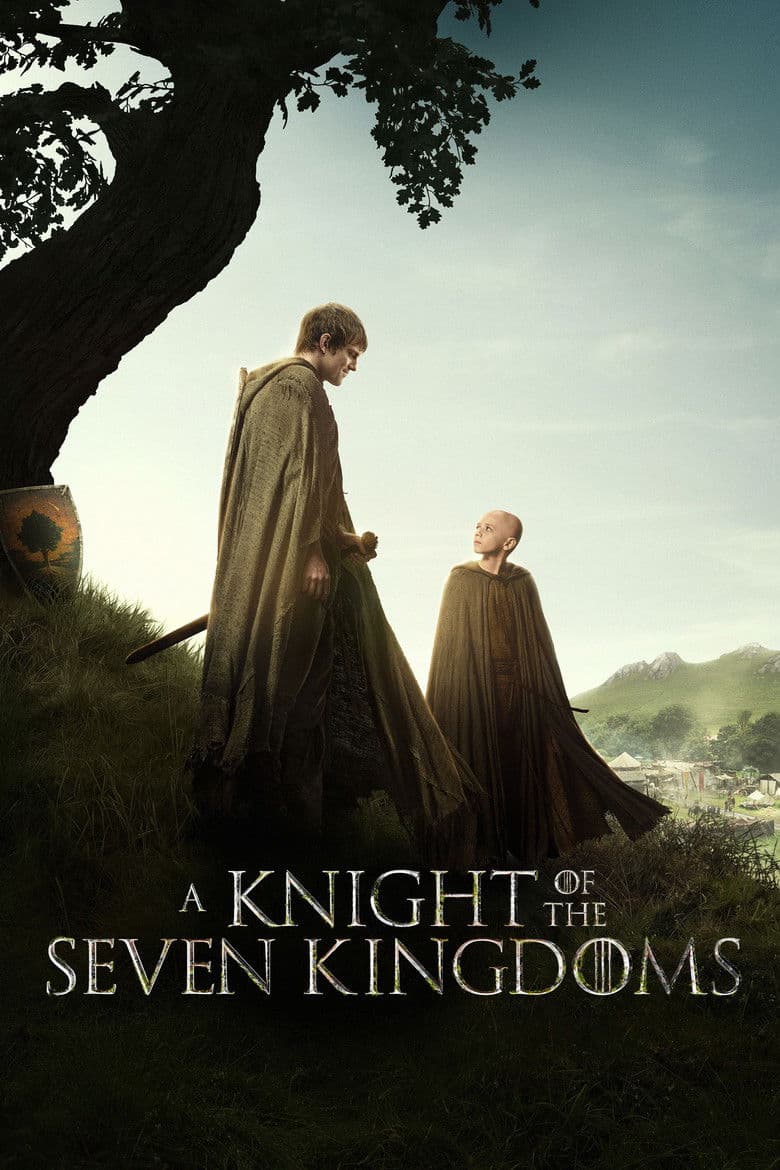
TV Show · 2026
A century before the events of Game of Thrones, two unlikely heroes wandered Westeros: a young, naive but courageous knight, Ser Duncan the Tall, and his diminutive squire, Egg.
TV Show · 2020
Daimon and Ana Helstrom are the son and daughter of a mysterious and powerful serial killer. The siblings have a complicated dynamic as they track down the terrorizing worst of…
TV Show · 2017
Daredevil, Jessica Jones, Luke Cage and Iron Fist join forces to take on common enemies as a sinister conspiracy threatens New York City.
TV Show · 2019
In the dark, early days of a zombie apocalypse, complete strangers band together to find the strength they need to survive and get back to loved ones.
TV Show · 2017
A missing child sets four families on a frantic hunt for answers as they unearth a mind-bending mystery that spans three generations.
TV Show · 2022
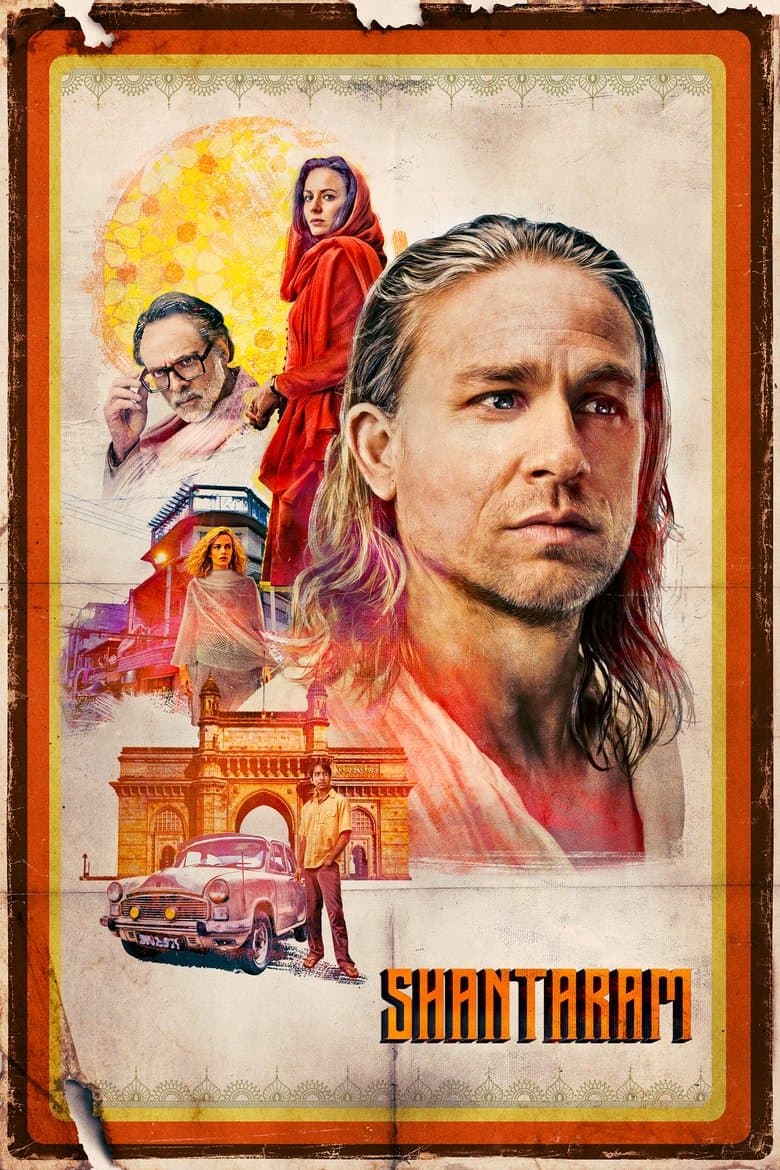
Escaped convict Lin Ford flees to the teeming streets of 1980s Bombay, looking to disappear. Working as a medic for the city's poor and neglected, Lin finds unexpected love…
