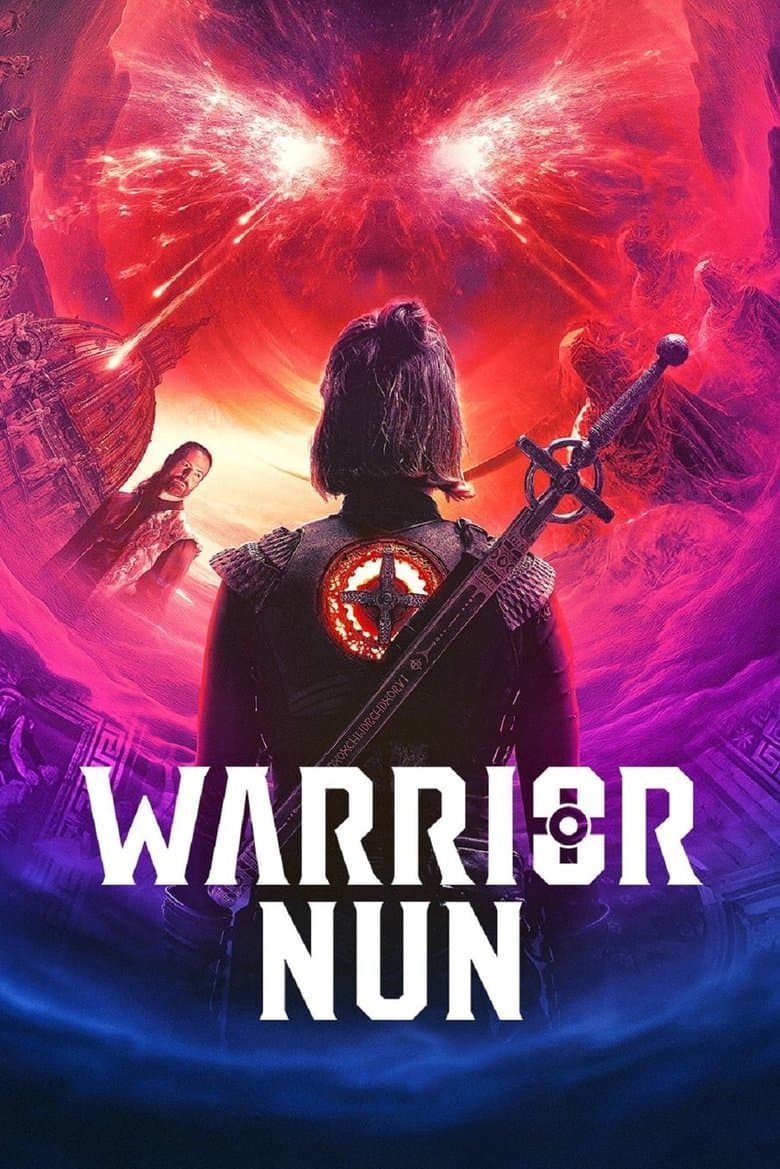
Started July 2, 2020 · Canceled · Based on 2 seasons, 18 episodes through November 10, 2022 · TV-MA · 42 min
Warrior Nun is a Netflix fantasy action series about an orphaned young woman named Ava who wakes up with superpowers from an angel's halo and joins a secret order of demon-fighting warrior nuns. Across two seasons the story follows battles against demons and a false prophet while Ava grapples with duty, personal freedom, faith, and relationships. It centers a prominent queer romance between bisexual Ava and Sister Beatrice, a nun struggling with her sexuality and vows, and emphasizes female sisterhood. The show features diverse women in prominent fighter and leadership roles and includes plot threads that portray Catholic Church hierarchy as corrupt and patriarchal.
Community feedback
Was our 77% Woke rating accurate?
Breakdown
These are the editorial factors and ratings behind our score for Warrior Nun.
Woke representation / casting
Prominent diverse casting in visible lead action and romantic roles, including black actress Toya Turner as tough lesbian fighter Shotgun Mary and biracial actress as central queer love interest and warrior Beatrice. Portuguese lead Alba Baptista plays empowered Halo-Bearer Ava. Creator frames the project around feminist sisterhood and strong women in a fantasy nun setting. Patterns suggest intentional representation in competent roles alongside story.
62%
Woke political dialogue
Mostly character-driven with limited explicit modern activist language. Scenes touch on accepting sexuality despite Church teachings, personal freedom versus institutional duty, and skepticism of religious authority. No frequent lectures or heavy-handed contemporary political monologues.
22%
Identity-driven story themes
Central queer romance between Ava (bisexual) and Beatrice (gay nun) drives major emotional arcs and much of Season 2's audience interest, including love confessions and relationship development. Recurring strong emphasis on female sisterhood, bonds among warrior women, and individual autonomy versus religious or institutional constraints. Creator explicitly calls it a feminist show about sisterhood. LGBTQ+ elements are confirmed, prominent, and audience-visible.
78%
Western institutional / cultural critique
Plot threads show Catholic Church hierarchy as corrupt, rewriting history for power, and patriarchal in ways that limit women and sincere faith. Protagonists and nuns frequently question or oppose institutional elements. Reviews describe biting commentary on organized religion. Fantasy framing with story-logical conflict, but includes modern-style critiques of traditional religious power structures and gender roles.
42%
Woke character or canon changes
Loose adaptation of the comic with notable shifts including expanded central queer romance and storylines, more diverse casting in key fighter and romantic positions, and a more critical view of Church authority and historical narrative than some source interpretations. Changes blend story needs with identity and institutional emphases beyond simple modernization.
28%
Anti-woke backlash and complaints
Scattered social media posts dismiss the show as woke garbage, complain about gay elements as baiting or narrative-pushing, or link dislike to representation and plot. No substantial mainstream coverage, prominent critics, or organized campaigns framing it as DEI or left-wing propaganda. Main public reaction was fan support for the rep elements rather than opposition.
12%
Creator track record context
Simon Barry has sci-fi roots and here adds explicit feminist sisterhood framing with support for queer arcs. Amy Berg focuses on strong female characters. Jet Wilkinson has worked on power and oppression themes. David Hayter highlighted gay perspectives in X-Men via minority metaphors and has left-leaning political interests. Directors including Agnieszka Smoczyńska show feminist female-autonomy themes in prior films; Kasia Adamik works on political and social dramas. Moderate progressive creative context without a dominant lifelong identity-activism pattern.
32%
Production
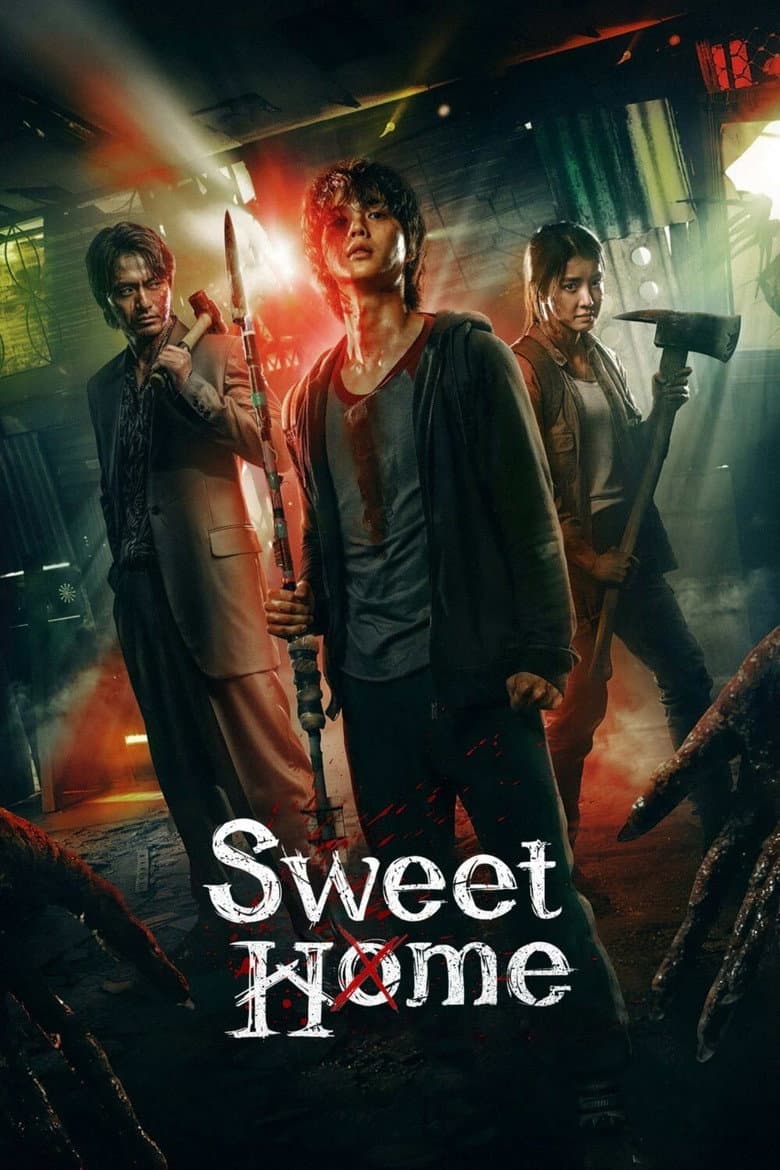
TV Show · 2020
As humans turn into savage monsters and the world plunges into terror, a handful of survivors fight for their lives — and to hold on to their humanity.
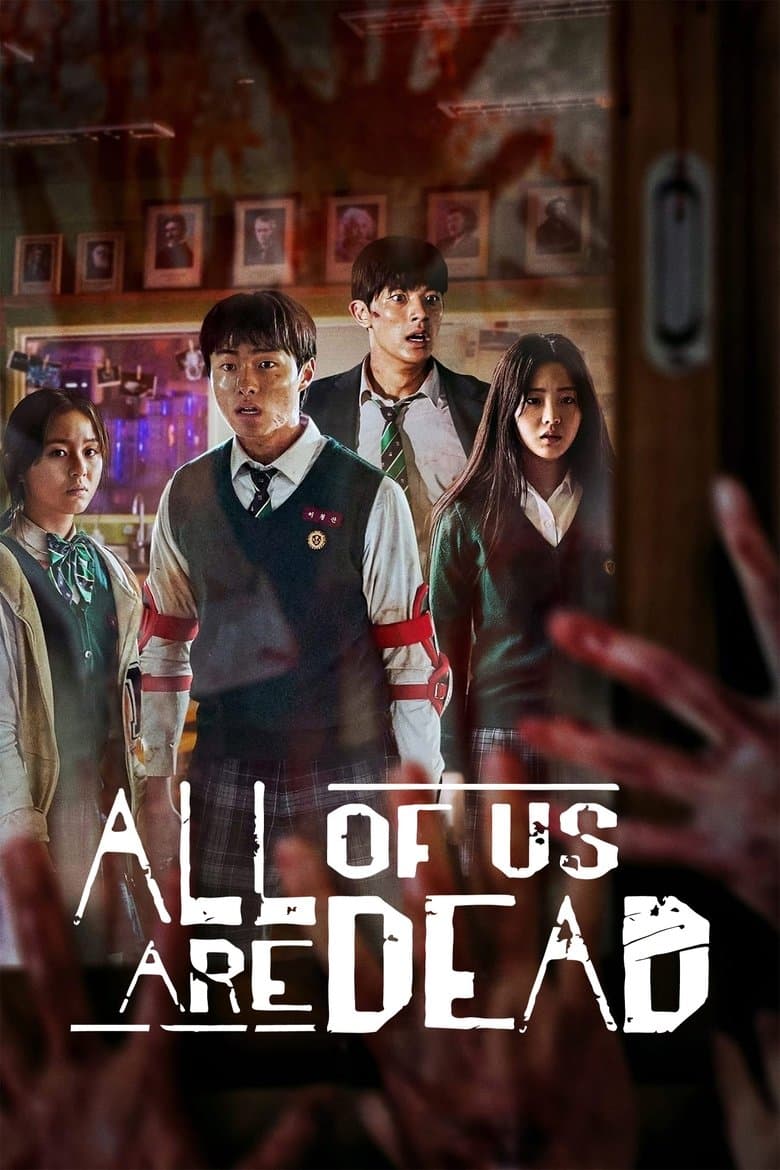
TV Show · 2022
A high school becomes ground zero for a zombie virus outbreak. Trapped students must fight their way out — or turn into one of the rabid infected.
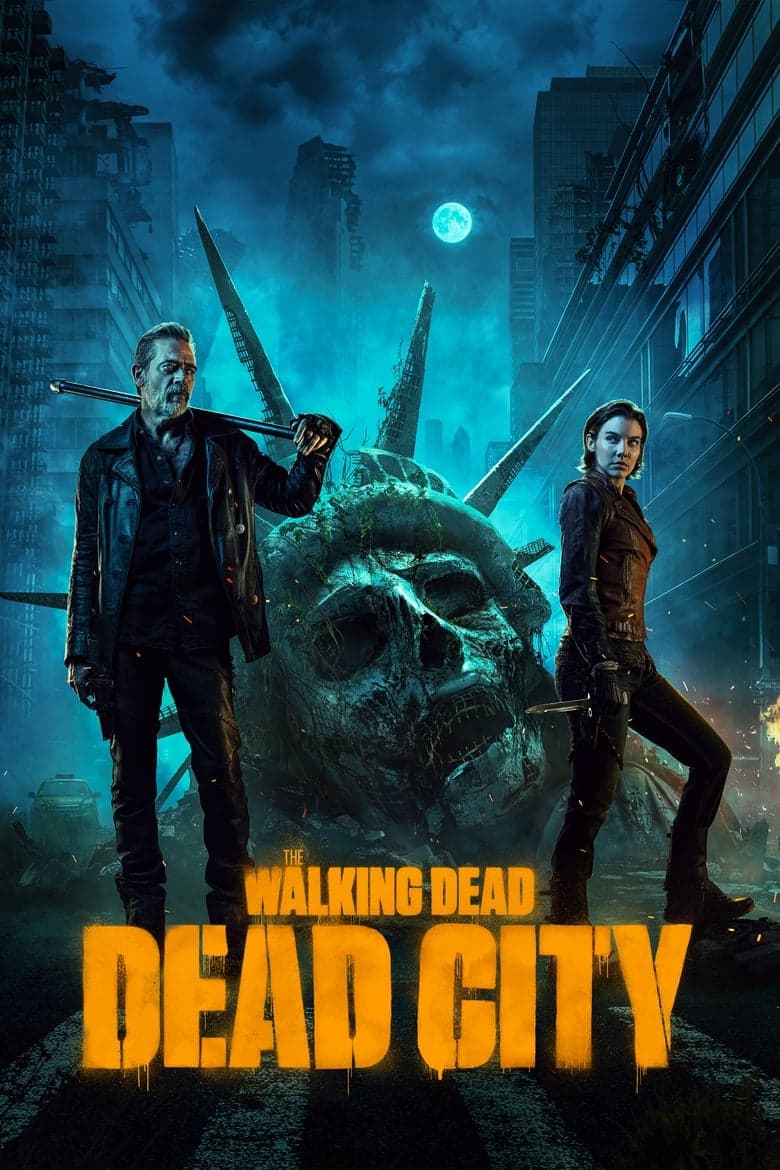
TV Show · 2023
Maggie and Negan travel to post-apocalyptic Manhattan - long ago cut off from the mainland. The crumbling city is filled with the dead and denizens who have made it a world full…
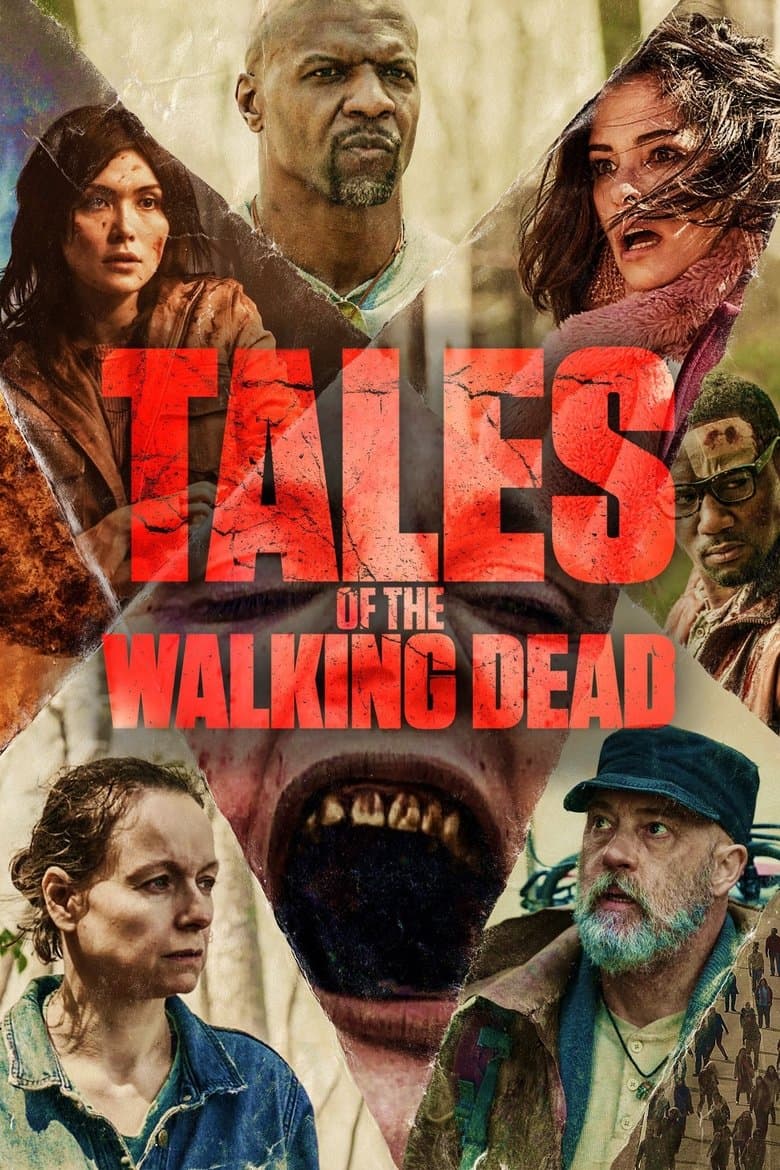
TV Show · 2022
An episodic anthology series focused on both new and established characters set in the world of "The Walking Dead."
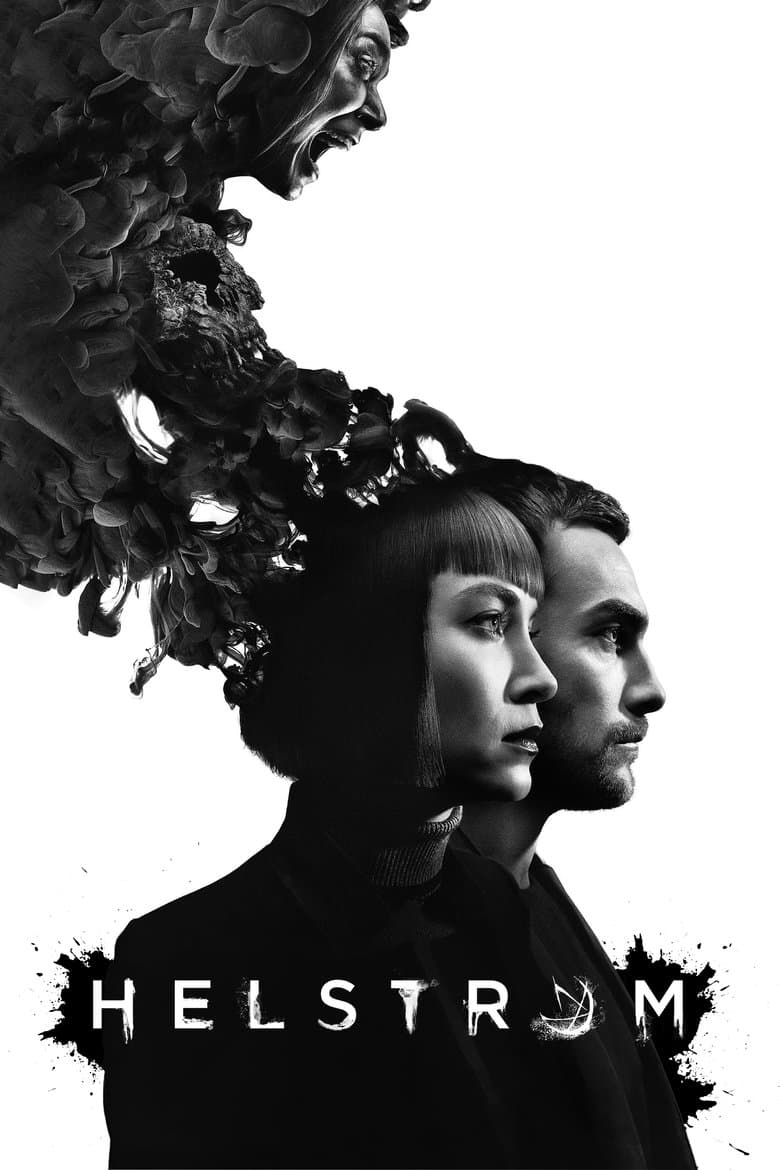
TV Show · 2020
Daimon and Ana Helstrom are the son and daughter of a mysterious and powerful serial killer. The siblings have a complicated dynamic as they track down the terrorizing worst of…
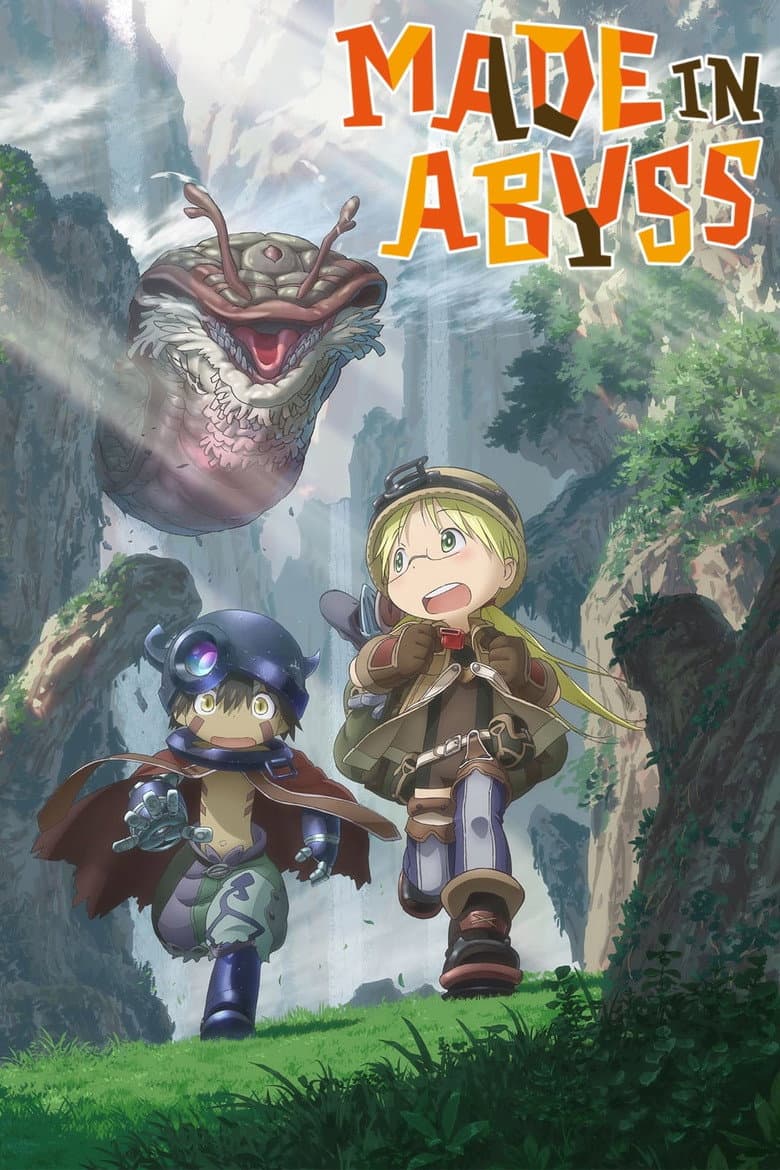
TV Show · 2017
Located in the center of a remote island, the Abyss is the last unexplored region, a huge and treacherous fathomless hole inhabited by strange creatures where only the bravest…
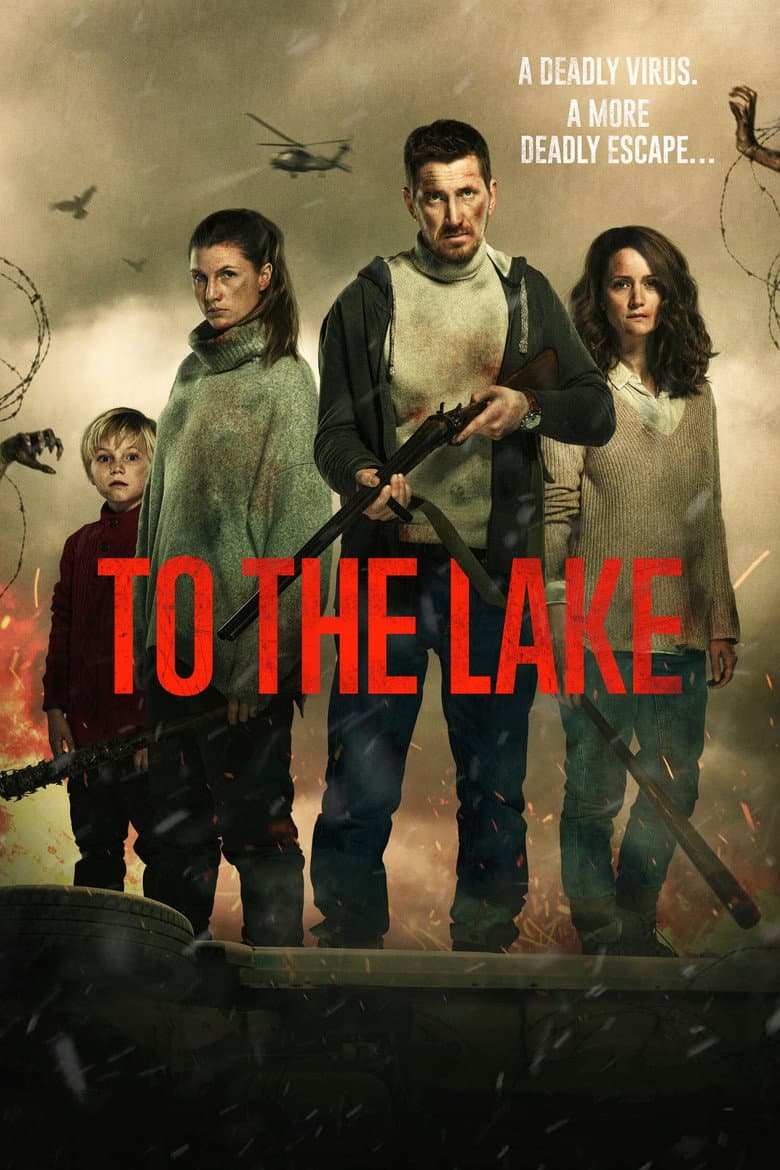
TV Show · 2019
A grim drama that unfolds against the backdrop of a global catastrophe. An unknown new virus turns Moscow into a city of the dead.
TV Show · 2019
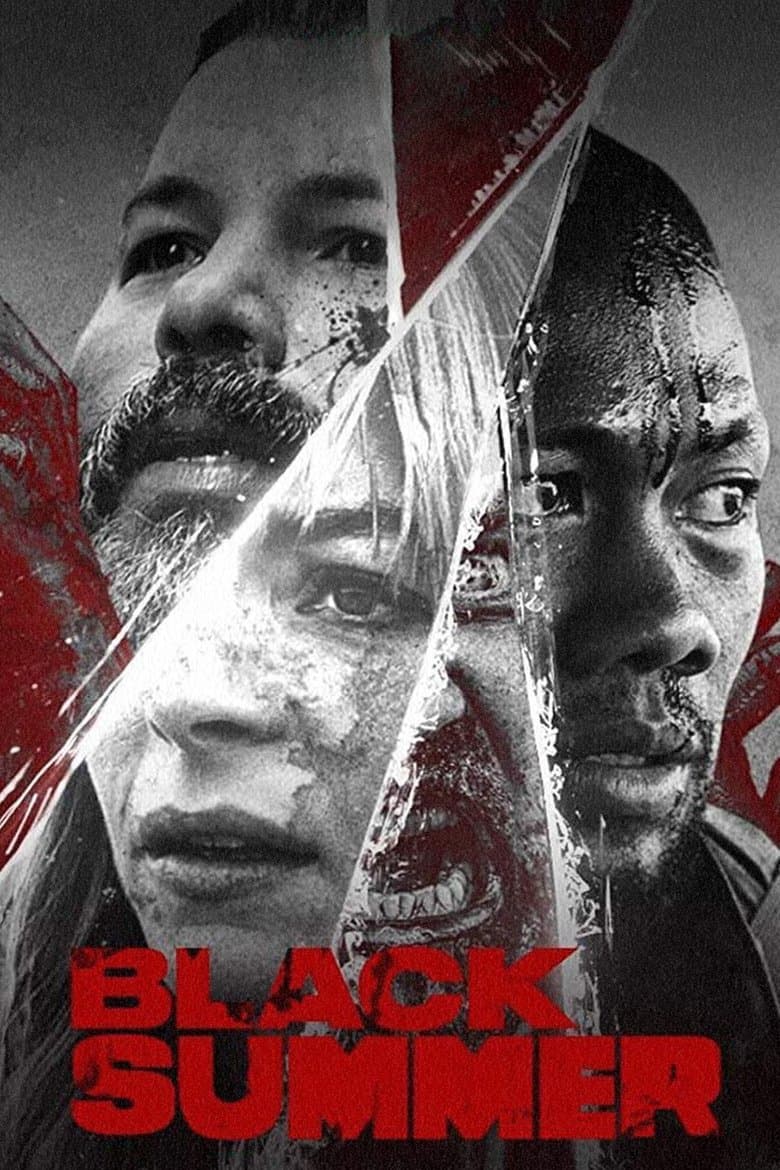
In the dark, early days of a zombie apocalypse, complete strangers band together to find the strength they need to survive and get back to loved ones.
