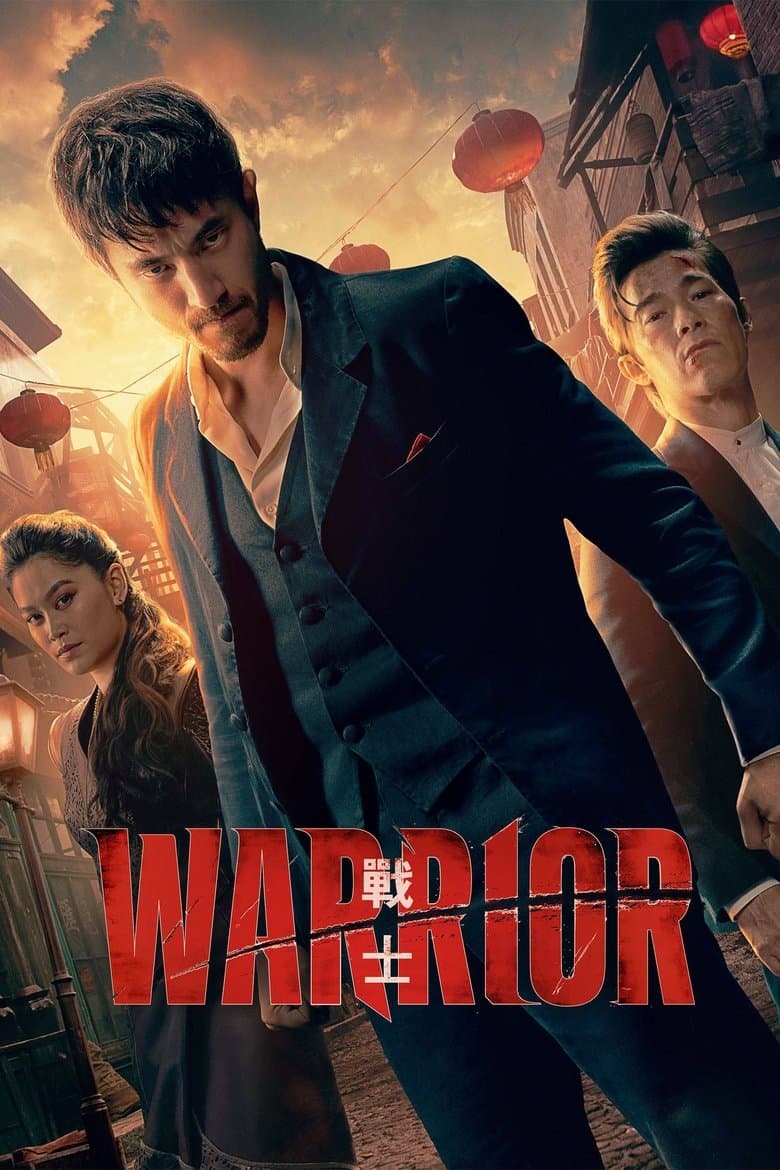
Started April 5, 2019 · Canceled · Based on 3 seasons, 30 episodes through August 17, 2023 · TV-MA · 55 min
Warrior follows Ah Sahm, a skilled fighter who leaves China for San Francisco in the late 1870s to find his sister. He joins the Hop Wei, one of Chinatown’s rival Chinese gangs, and becomes trapped between gang wars, family secrets, police pressure, and Irish workers who fear Chinese labor. The three seasons move through brothels, factories, fight rings, city offices, and violent streets. The tone is harsh, bloody, and fast, with loyalty and survival often mattering more than the law.
The show gives strong attention to Chinese immigrant life and the racism aimed at Chinatown. The show also uses a mostly Asian cast in a story centered on Chinatown. Ah Toy protects women in her brothel, Mai Ling rises to lead a gang, and Nellie helps former sex workers build a safer life. Ah Toy and Nellie have a romantic relationship, while Hong is a gay fighter with his own male romance in the later seasons. These identity elements recur across the show, but they sit inside a larger crime story about family, power, work, and revenge.
Community feedback
Was our 42% Woke rating accurate?
Breakdown
These are the editorial factors and ratings behind our score for Warrior.
Woke representation / casting
The show uses a mostly Asian cast for a story centered on historical San Francisco Chinatown, so much of the casting fits the setting. It also repeatedly places women such as Ah Toy, Mai Ling, and Nellie in major positions of power, leadership, and action. Season 3 coverage presents these women as drivers of the plot. Several actors of different Asian backgrounds play Chinese characters, adding a visible identity choice beyond strict historical matching.
30%
Woke political dialogue
Characters repeatedly discuss anti-Chinese laws, racist mobs, Chinese labor, deportation, and city politics. Season 2 centers on a riot and a campaign against Chinatown, while Season 3 includes political efforts to remove Chinese people. The dialogue stays within the period story and usually serves gang or city plots. It rarely becomes a direct modern activist speech.
28%
Identity-driven story themes
Ah Sahm’s main journey is about a Chinese immigrant facing racial limits while trying to protect his family and place in America. The show returns to anti-Chinese violence, forced work, and laws aimed at Chinese people across all three seasons. Ah Toy and Nellie’s romance and Hong’s gay relationships add recurring LGBTQ themes in the later seasons. These themes matter, but the show remains mainly a violent crime story about gangs, loyalty, and revenge.
37%
Western institutional / cultural critique
The show presents city leaders, police, courts, and wealthy businessmen using power against Chinese workers and women. Buckley uses anti-Chinese fear for political gain, while Season 3 shows officials pushing detention and land seizure. The story also gives women room to resist abusive or controlling men. The criticism is rooted in the period setting and rarely becomes a broad attack on modern Western culture.
27%
Woke character or canon changes
The show is based on a short Bruce Lee treatment with little established supporting-character canon. Ah Toy is partly based on a real historical woman, and the series gives her a romance with Nellie and a sword-fighting role. These are clear identity-focused additions to a historical character. The source material is too short for a large franchise canon to be rewritten.
15%
Anti-woke backlash and complaints
A few forum comments call Season 3 woke or complain about the gay side story and the show’s diversity. Other viewer posts debate the writing without making political complaints. No major news story, organized boycott, or real anti-woke X reaction was found.
9%
Creator track record context
Jonathan Tropper has no clear activist pattern, and most key creatives have limited identity-politics history. Kenneth Lin, Kevin Tancharoen, and Danielle DiPaolo show milder links to identity, power, or gender themes. Shannon Lee focuses on Bruce Lee’s legacy and Asian stories. Justin Lin favors merit-based casting and rejects quota-based approaches.
22%
Production
TV Show · 2017
Go deep into the clandestine world of the legendary brotherhood of warrior monks known as The Knights Templar.
TV Show · 2018
When CIA analyst Jack Ryan stumbles upon a suspicious series of bank transfers his search for answers pulls him from the safety of his desk job and catapults him into a deadly…
TV Show · 2016
An anthology series which centers on different characters being targeted by crazed serial killer Mick Taylor in the Australian outback.
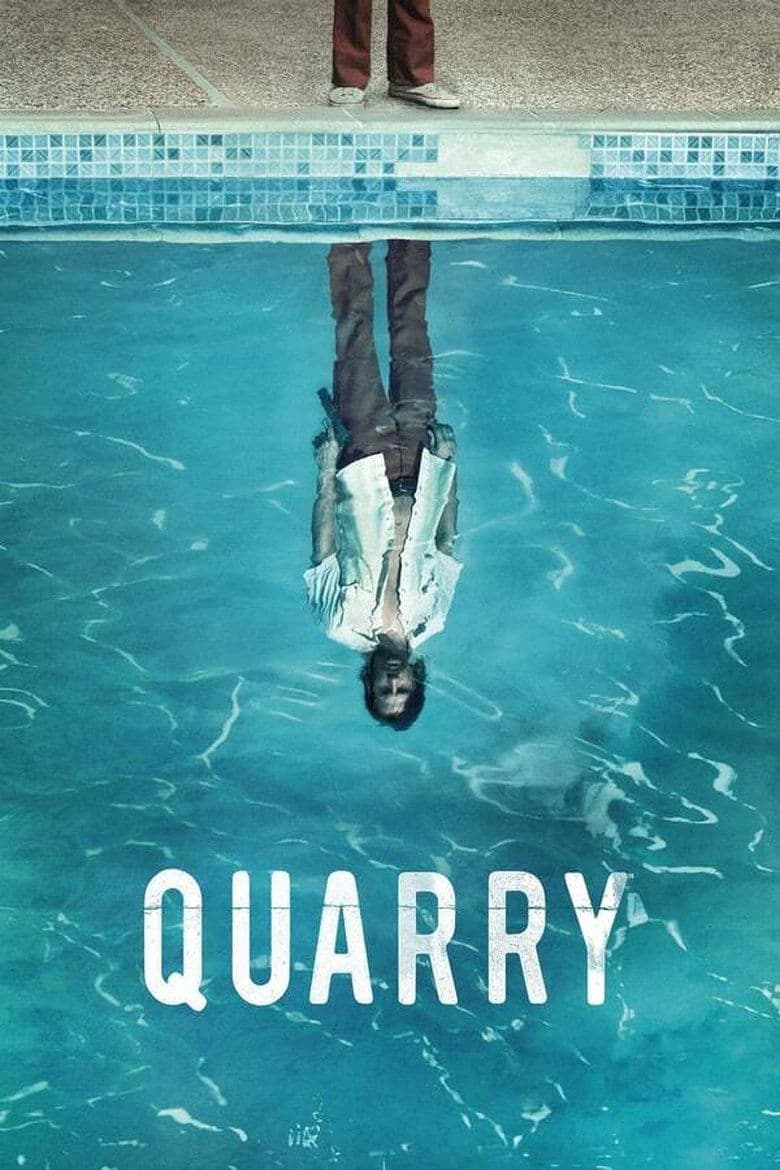
TV Show · 2016
The story of Mac Conway, a Marine who returns home to Memphis from Vietnam in 1972 and finds himself shunned by those he loves and demonized by the public.
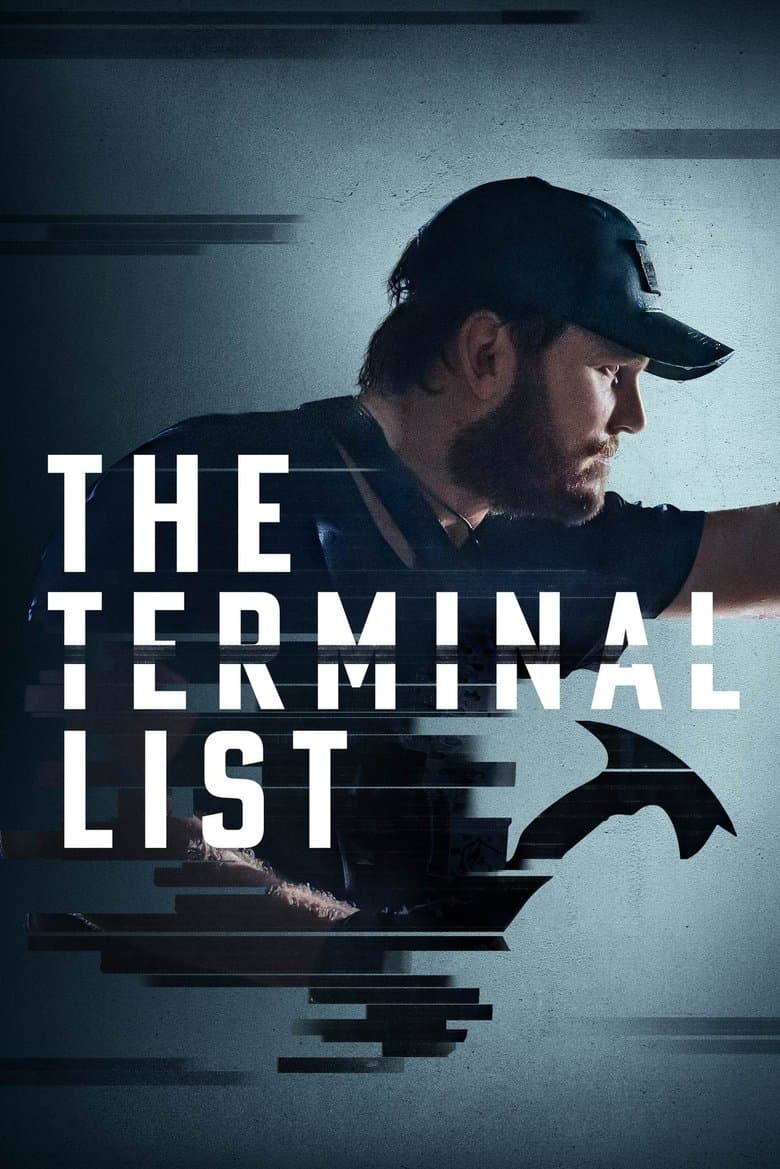
TV Show · 2022
Navy SEAL Commander James Reece turns to vengeance as he investigates the mysterious forces behind the murder of his entire platoon.
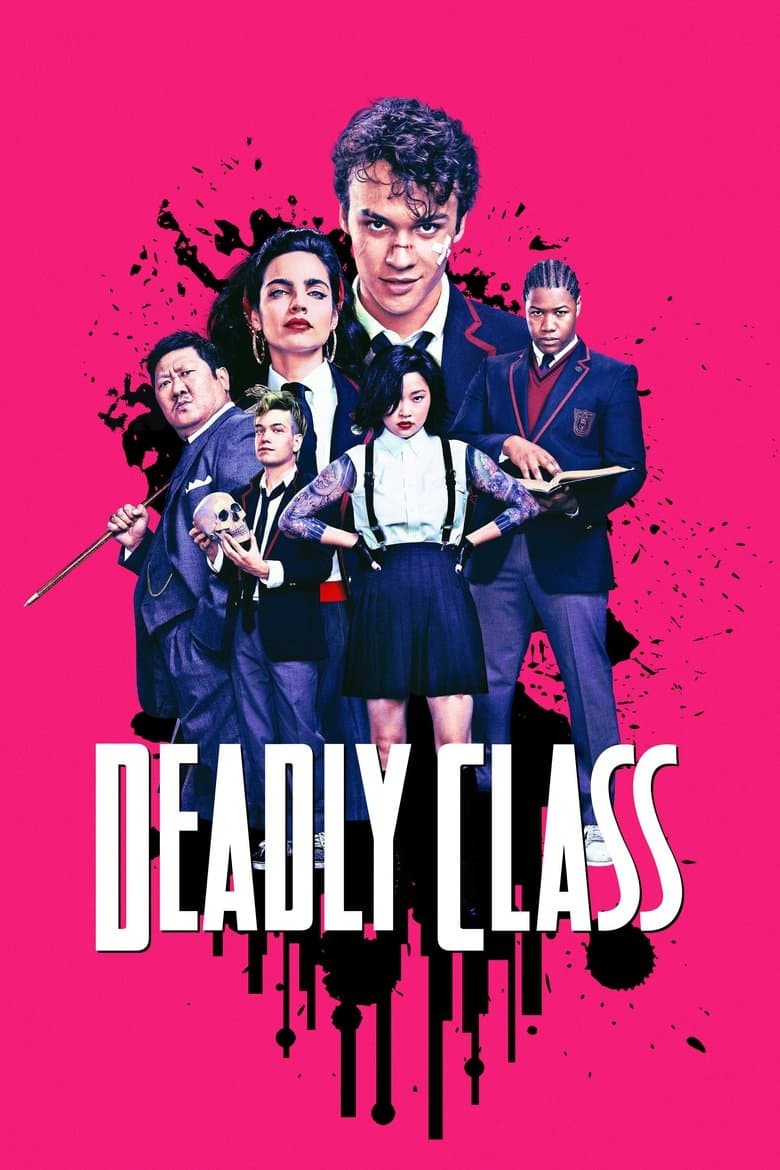
TV Show · 2019
Follow a disillusioned teen recruited into a storied high school for assassins. Maintaining his moral code while surviving a ruthless curriculum, vicious social cliques, and his…
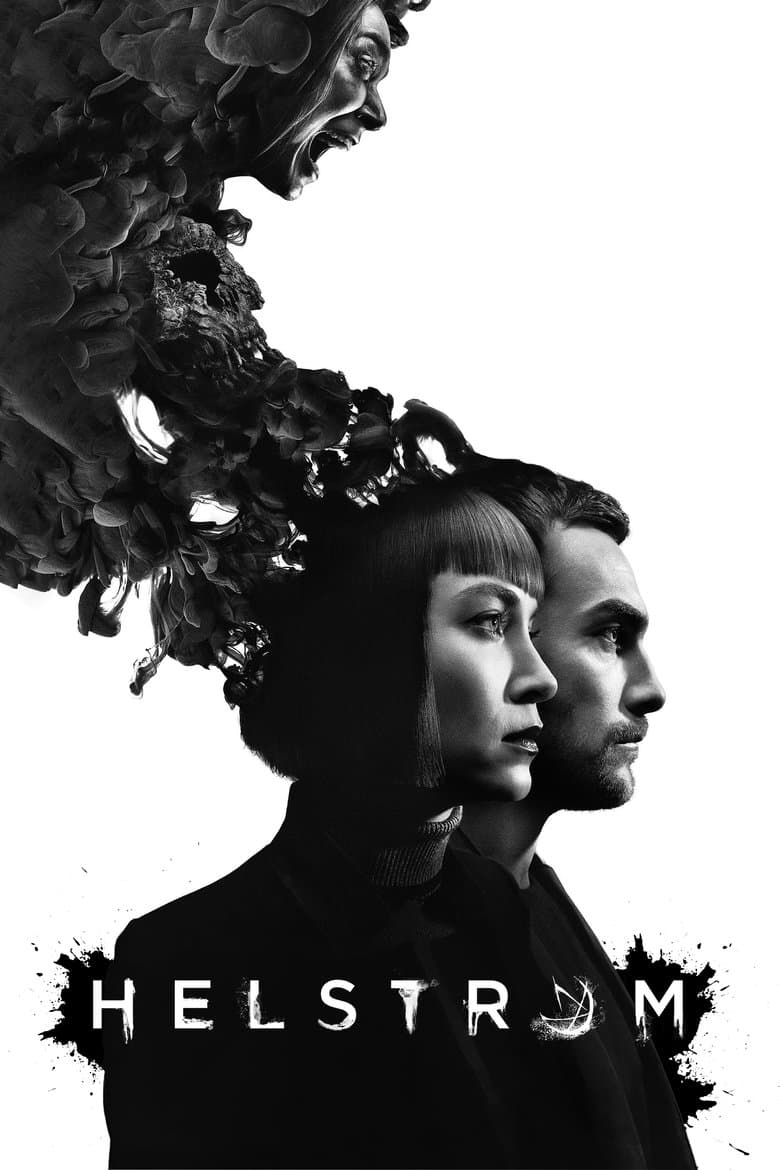
TV Show · 2020
Daimon and Ana Helstrom are the son and daughter of a mysterious and powerful serial killer. The siblings have a complicated dynamic as they track down the terrorizing worst of…
TV Show · 2025
Before The Terminal List, Navy SEAL Ben Edwards finds himself entangled in the black operations side of the CIA.
