TV Show review
Kids · Sci-Fi · Fantasy · Animation · Action · Adventure · Family
Started June 10, 2016 · Ended · Based on 8 seasons, 76 episodes through December 14, 2018 · TV-Y7
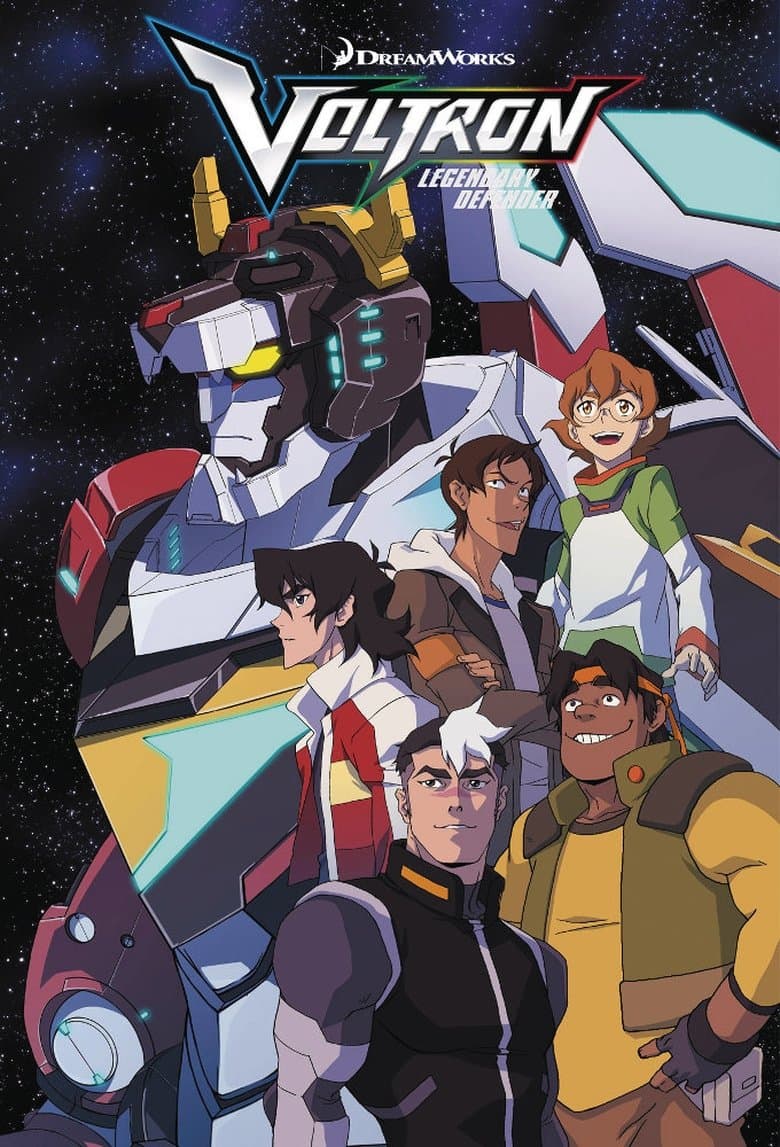
Voltron: Legendary Defender is a sci-fi cartoon reboot about five teenagers who pilot flying robot lions. They must work together to form the giant robot Voltron and protect the universe. The show features a very diverse team of heroes, including a main character who is revealed to be gay. It also changes a classic male character from the original 1980s show into a girl. The series places a heavy focus on modern themes of gender and identity.
Community feedback
Was our 86% Woke rating accurate?
Breakdown
These are the editorial factors and ratings behind our score for Voltron: Legendary Defender.
Woke representation / casting
The show features a highly diverse cast of pilots with different ethnic backgrounds. This includes a major emphasis on queer representation, adding significant weight to this score. The leader of the group, Shiro, is a gay man, and his personal life and relationships are highlighted. Other characters are also coded to fit modern diversity priorities.
75%
Woke political dialogue
The dialogue is mostly focused on standard sci-fi action, space battles, and teamwork. There are no heavy-handed political lectures, but characters occasionally talk about identity, accepting who they are, and breaking social boundaries.
0%
Identity-driven story themes
A key plotline involves Pidge disguising her gender to join the academy, and she continues to reject traditional feminine traits even after her secret is out. Shiro's storyline also heavily features his struggles as a gay man, his grief over losing his partner, and his ultimate romantic happy ending.
60%
Western institutional / cultural critique
The main conflict is a standard sci-fi battle against a cruel alien empire. The show does not actively attack Western culture, Christianity, or traditional family structures, though it does mildly critique imperialist power dynamics and rigid social hierarchies.
5%
Woke character or canon changes
The series makes huge changes to the original 1980s cartoon. Pidge was changed from a boy to a girl. Sven, a straight character from the original show, was replaced by Shiro, who was rewritten as a gay Japanese leader. These changes were explicitly made to align with modern diversity and queer representation standards.
80%
Anti-woke backlash and complaints
While most online drama came from shipping wars, traditional viewers and anti-woke commentators criticized the show. They argued that changing classic characters and showing a same-sex wedding in the finale was forced diversity meant to please modern activist audiences.
40%
Creator track record context
Executive producers Joaquim Dos Santos and Lauren Montgomery have a notable history of championing diversity and queer representation in their cartoons. They actively used this show to test the limits of what networks would allow for LGBTQ+ content in kids' media.
58%
Production
TV Show · 2022
When an explosive battle with Dr. Eggman shatters the universe, Sonic races through parallel dimensions to reconnect with his friends and save the world.
TV Show · 2016
After uncovering a mysterious amulet, an average teen assumes an unlikely destiny and sets out to save two worlds.
TV Show · 2018
The Boss Baby brings his big brother Tim to the office to teach him the art of business in this animated series sprung from the hit film.
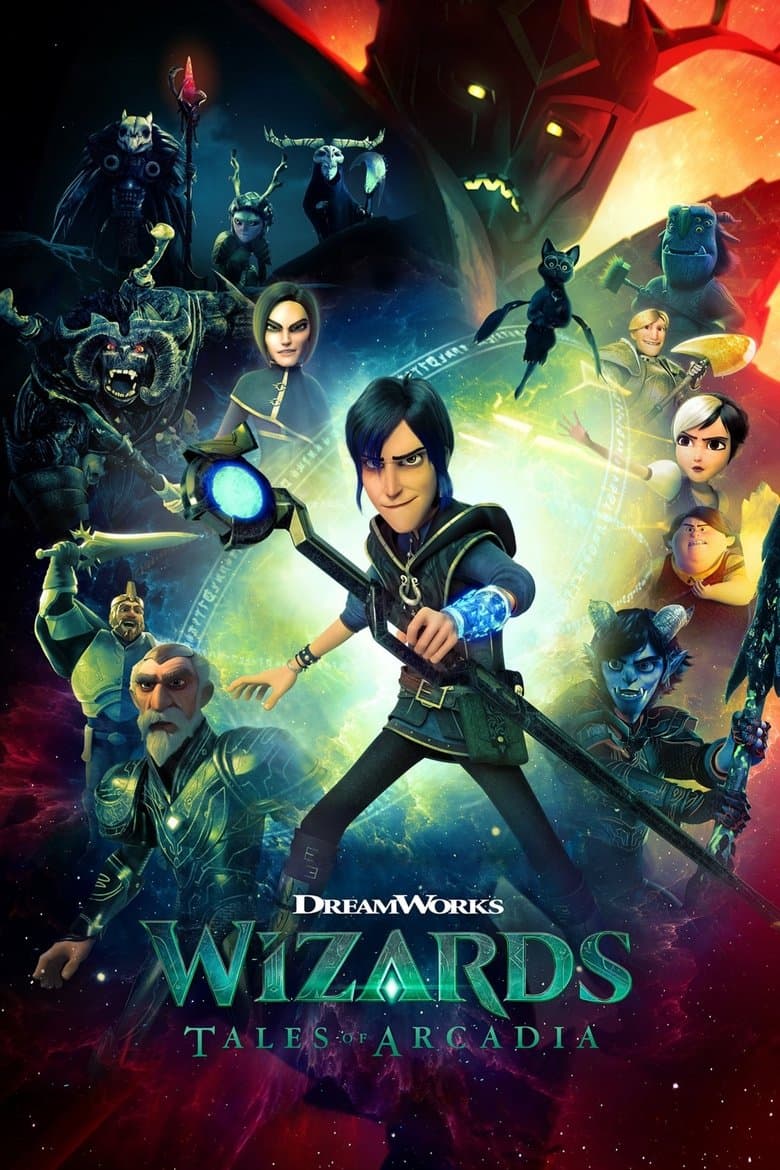
TV Show · 2020
Merlin’s apprentice joins Arcadia’s heroes on a time-bending adventure in Camelot, where conflict is brewing between the human, troll and magical worlds.
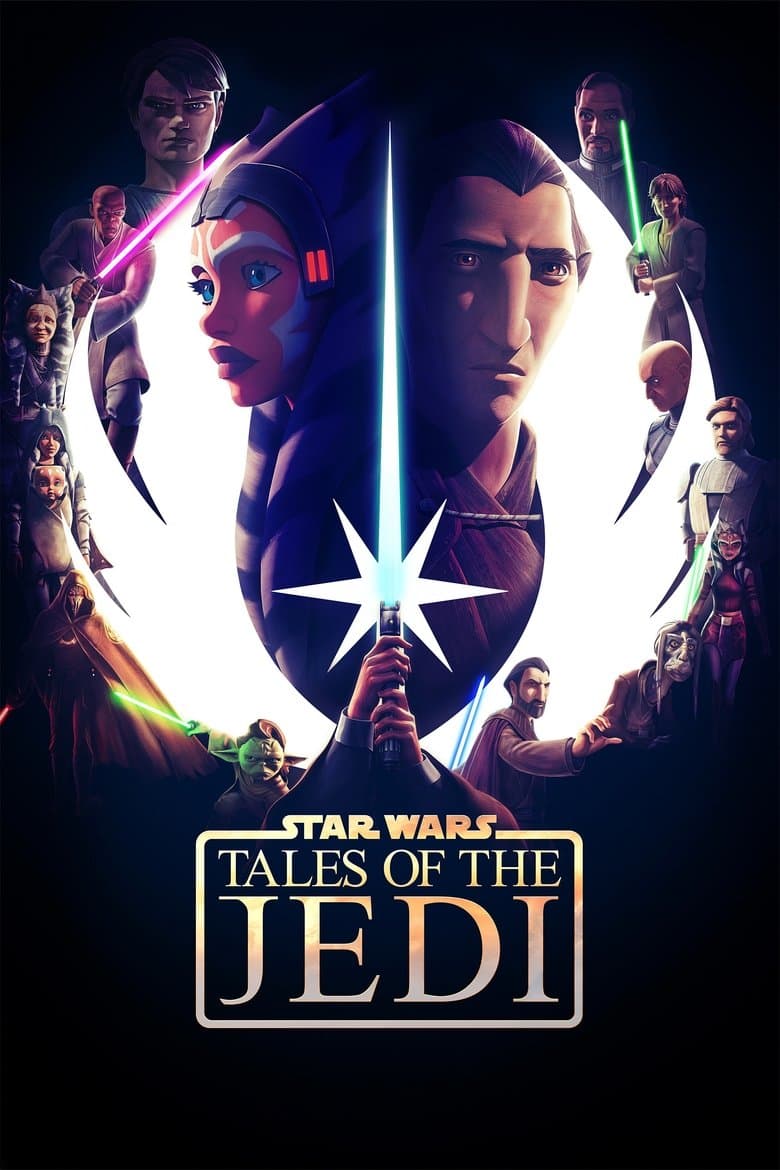
TV Show · 2022
Journey into the lives of two distinctly different Jedi from the prequel era – Ahsoka Tano and Count Dooku. Each will be put to the test as they make choices that will define…
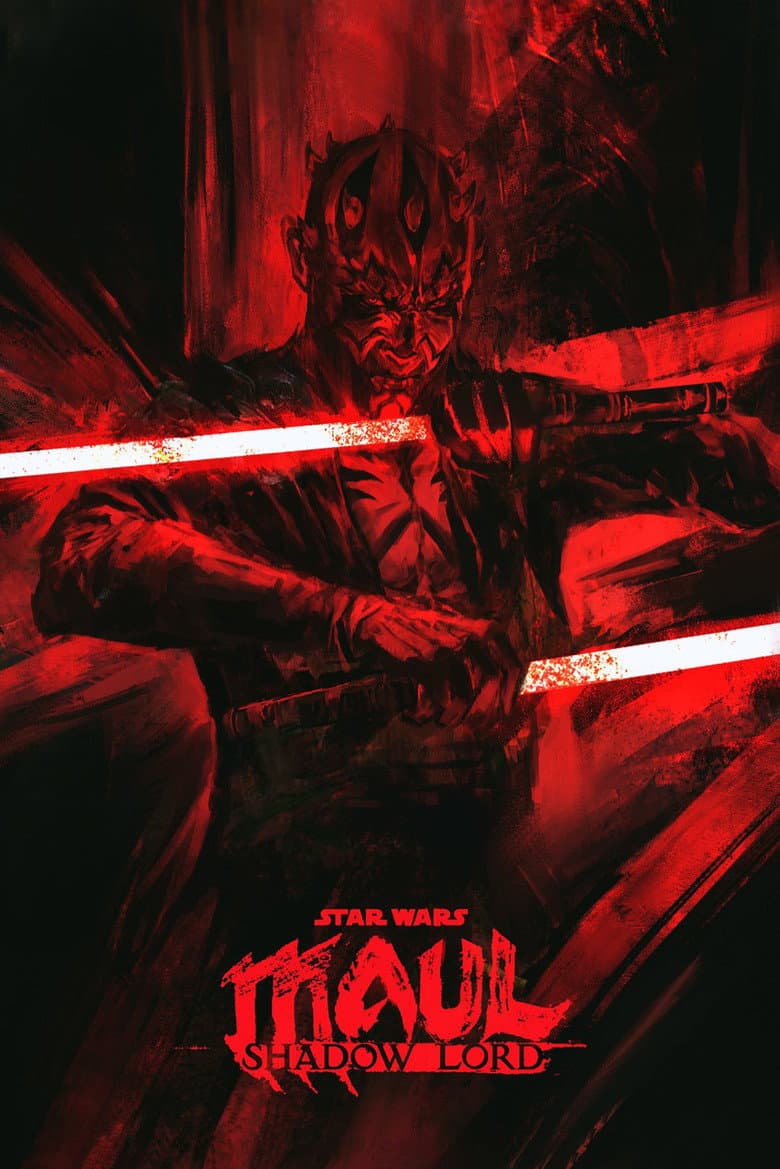
TV Show · 2026
After the Clone Wars, Maul plots to rebuild his criminal syndicate on a planet untouched by the Empire.
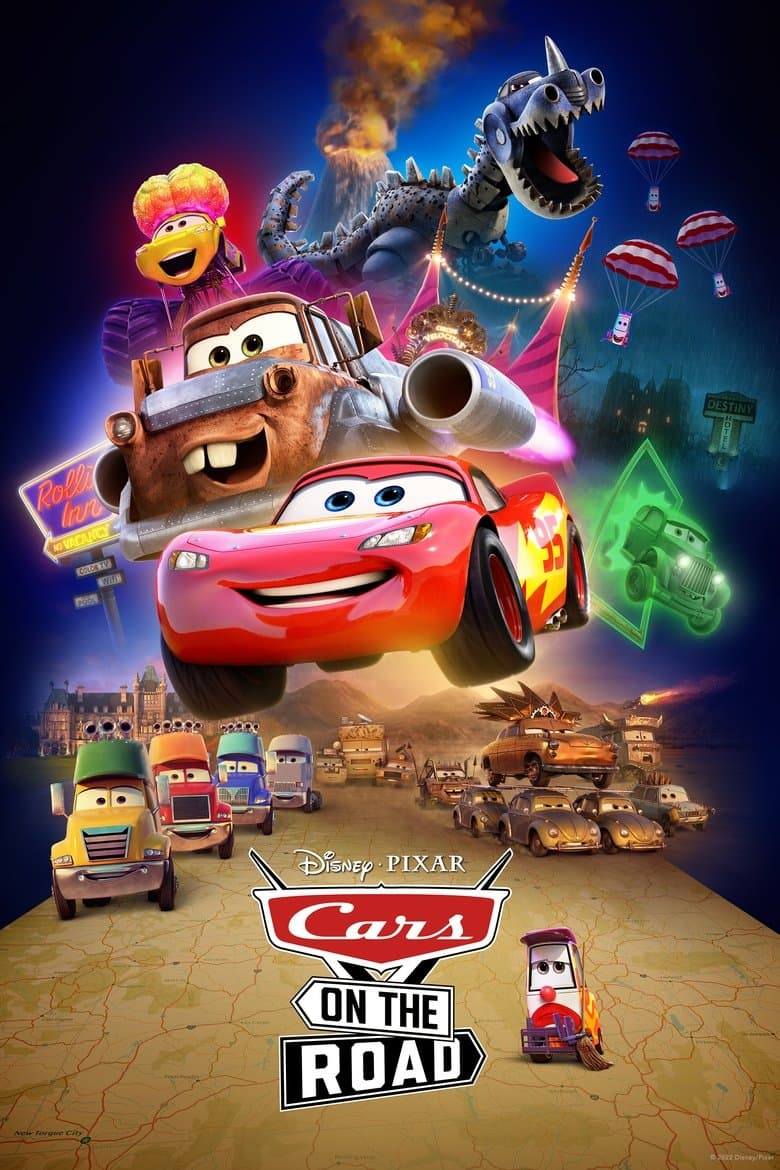
TV Show · 2022
Lightning McQueen and his best friend Mater head east from Radiator Springs on a cross-country road trip to meet up with Mater’s sister.
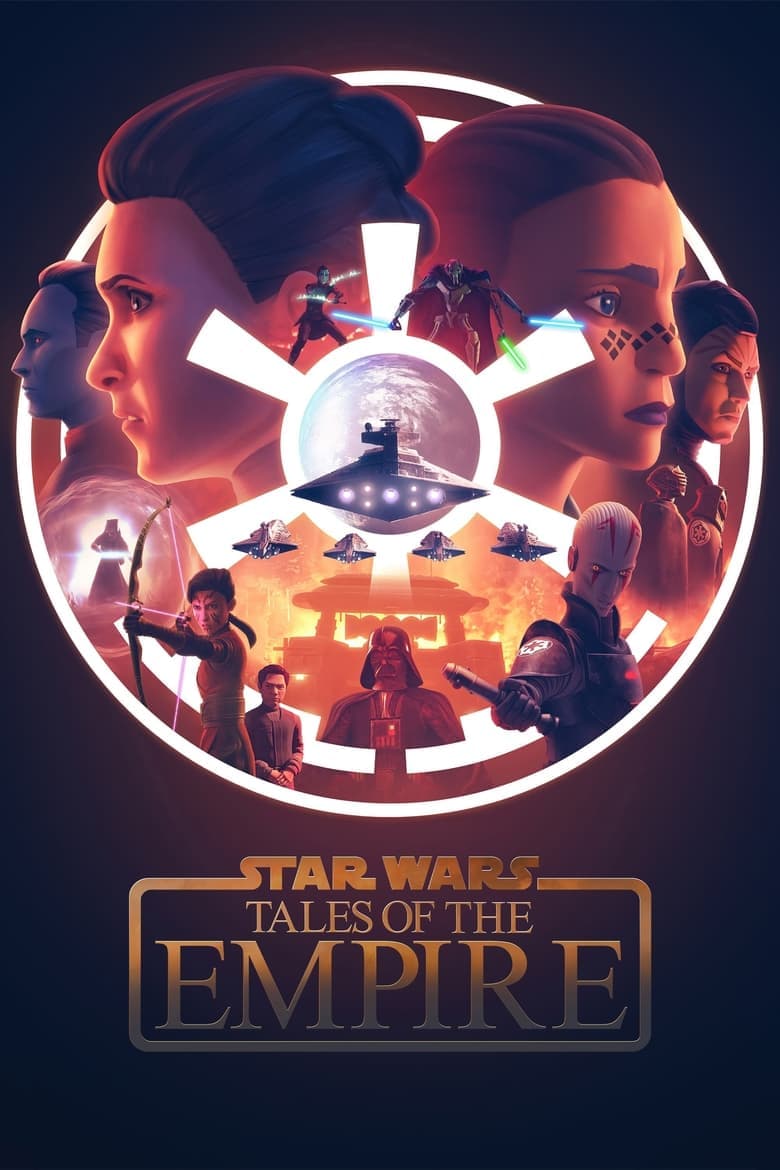
TV Show · 2024
A journey into the fearsome Galactic Empire through the eyes of two warriors on divergent paths.
