
Started September 13, 2019 · Ended · Based on 1 season, 8 episodes through September 13, 2019 · TV-MA · 50 min
Teenager Marie Adler reports a rape. Police disbelieve her, push her to take the claim back, and charge her with a false report. Years later, two Colorado detectives link her case to similar attacks. They catch the serial rapist and clear Marie’s name. The series is a survivor-centered true-crime drama based on real reporting about those Washington and Colorado cases.
The story is built around gendered injustice. A young woman is not believed, a male-led probe fails her, and female detectives get the case right. Dialogue stays mostly procedural, but it also shows how rape reports face special doubt, workplace gender friction, and harsh interrogation. The show critiques police practice on sexual assault, agency silos, and a second assault style of investigation. There is no confirmed LGBTQ storyline, and the critique targets rape-case culture rather than religion or class war.
Community feedback
Was our 57% Woke rating accurate?
Breakdown
These are the editorial factors and ratings behind our score for Unbelievable.
Woke representation / casting
The lead detectives and survivor are women because that matches the real case. Supporting roles look like a normal modern multiethnic workplace, not a forced swap of known figures. The mild woke signal is competent women in hero roles and diverse supporting competence, not quota-style casting.
22%
Woke political dialogue
Most talk is about the case and trauma, not slogans. Clear activist-adjacent lines appear when a lawyer notes robbery victims are not treated as liars, when Grace needs her husband’s help at the AG’s office, and when police pressure a young woman to recant. Those beats stand out but do not fill every scene.
30%
Identity-driven story themes
The plot spine is a woman not believed, a failed male-led probe, female detectives who fix it, and survivor recovery. That is strong feminist and survivor framing rooted in a real serial-rape case, not race or queer identity politics. There is no confirmed LGBTQ storyline.
56%
Western institutional / cultural critique
The show keeps attacking how police handle rape reports, how agencies fail to share facts, and how culture doubts victims. Male officers who botch Marie’s case are central but not cartoon villains. The target is rape-case culture and law-enforcement failure, not faith or capitalism as the main enemy.
50%
Woke character or canon changes
Not relevant. This is a true-case dramatization with name changes and compression, not an identity rewrite of fictional canon or historical figures.
0%
Anti-woke backlash and complaints
Critics and awards praised the show, and Netflix viewership was large. There was no lasting mainstream fight over DEI casting or remake politics. Scattered social posts do not form a real anti-woke campaign.
8%
Creator track record context
Key creators lean progressive and feminist, with Grant’s reformist true-crime focus as the main center. Cholodenko’s queer-film history is background and does not define this series. That history supports the gender and institutional themes already on screen.
42%
Production

TV Show · 2016
17-year-old Joshua "J" Cody moves in with his freewheeling relatives in their Southern California beach town after his mother dies of a heroin overdose.

TV Show · 2018
The stranger-than-fiction account of a prison break in upstate New York in the summer of 2015, which spawned a massive manhunt for two convicted murderers who were aided in their…
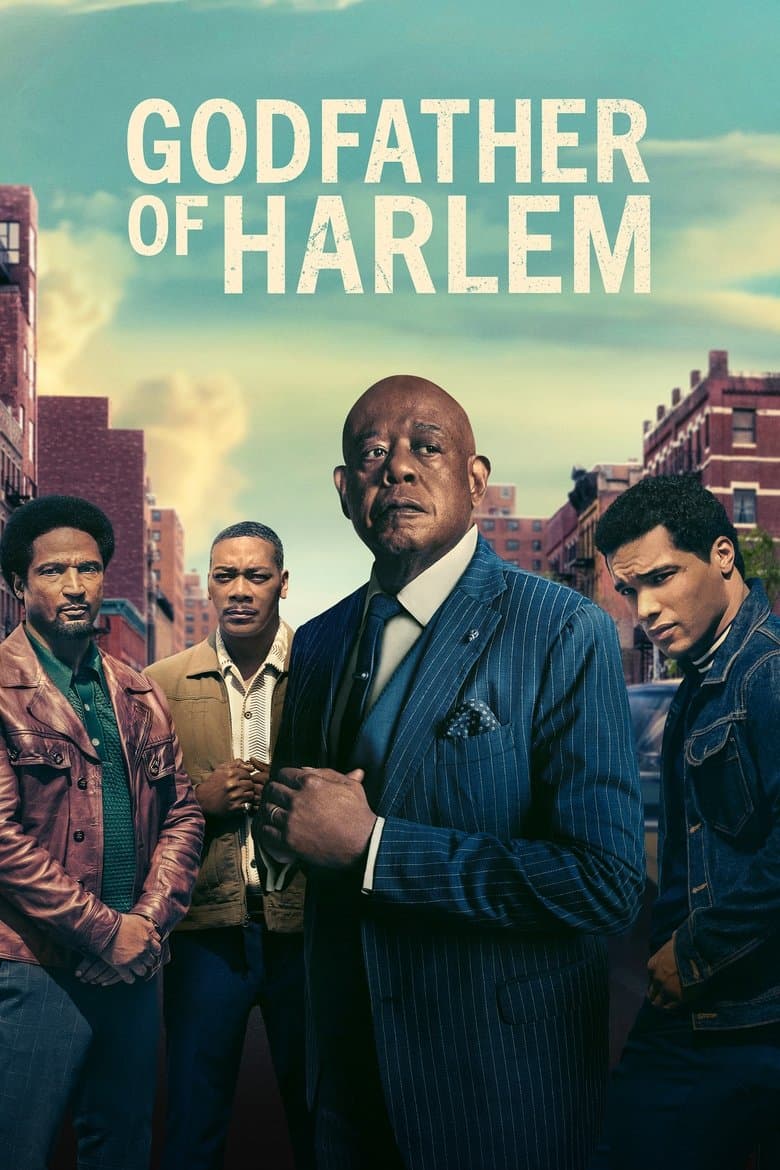
TV Show · 2019
Loosely based on infamous crime boss Bumpy Johnson, who in the early 1960s returned from ten years in prison to find the neighborhood he once ruled in shambles.
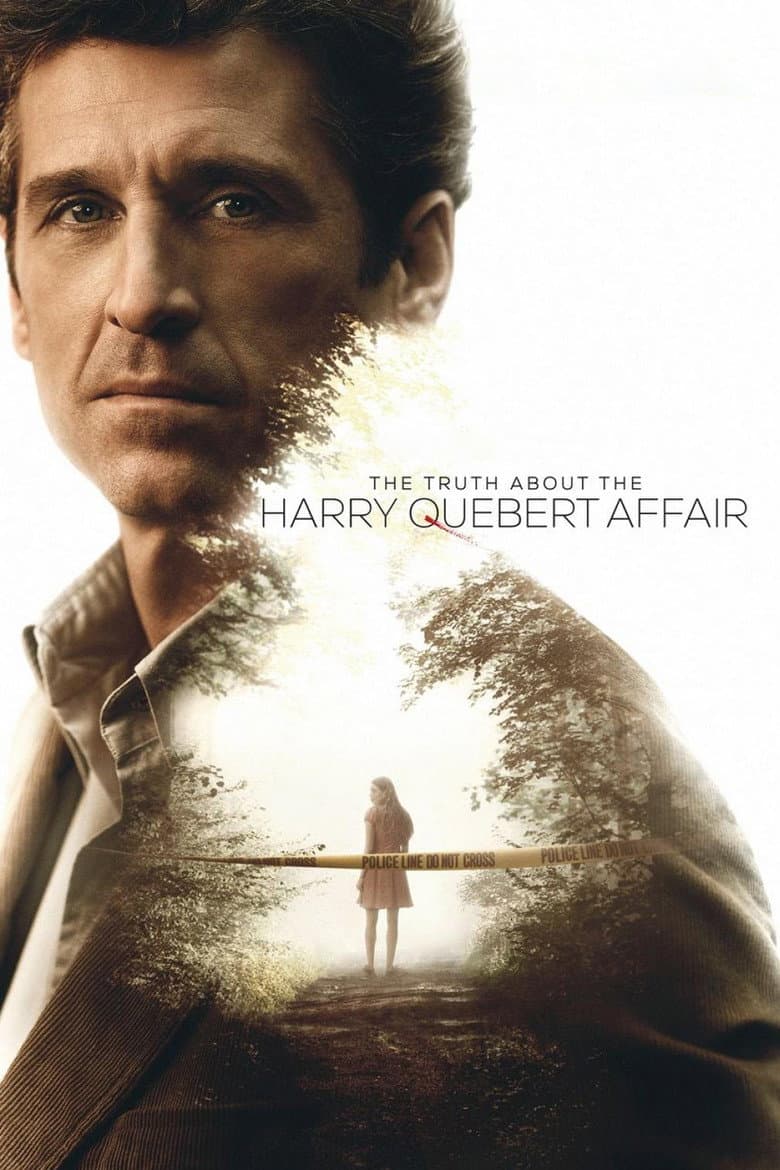
TV Show · 2018
A writer gets caught up in a murder investigation involving his mentor, an esteemed American author. Based on the book of the same name, by Joël Dicker.
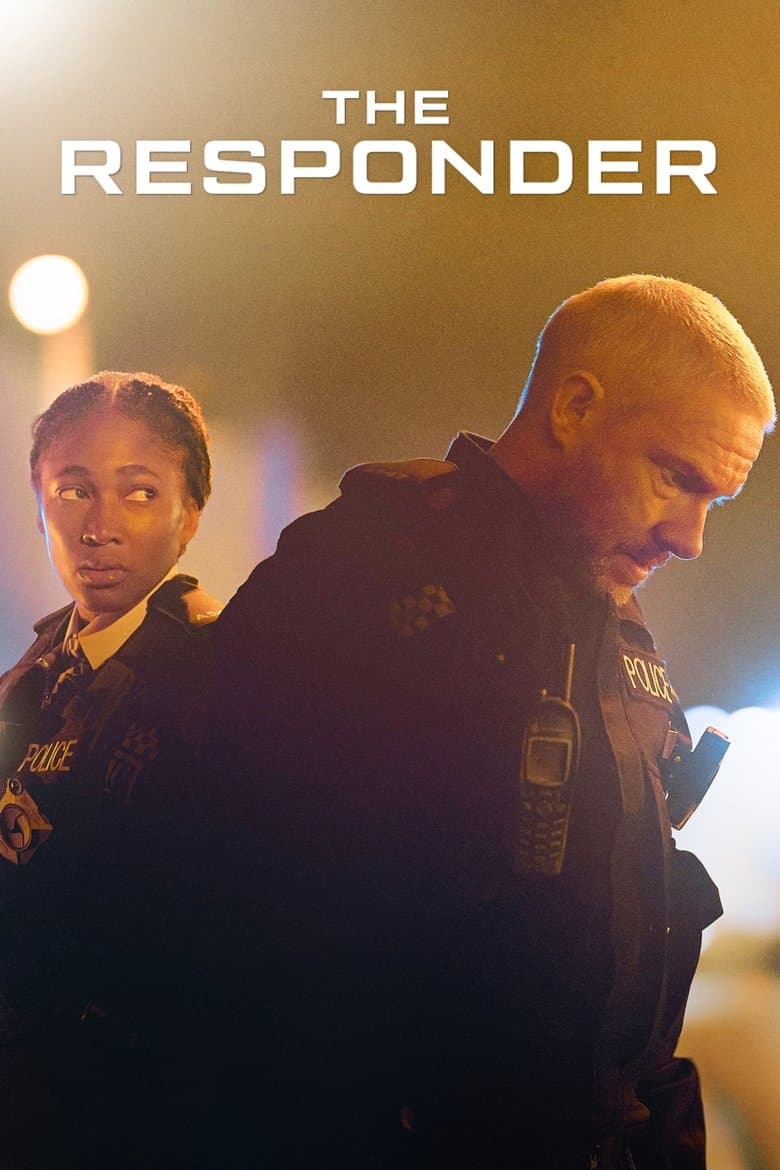
TV Show · 2022
Under pressure, fraying at the edges. In relentless night-time Liverpool, copper Chris is paired with a rookie. Will they save or destroy each other?

TV Show · 2017
A financial adviser drags his family from Chicago to the Missouri Ozarks, where he must launder $500 million in five years to appease a drug boss.
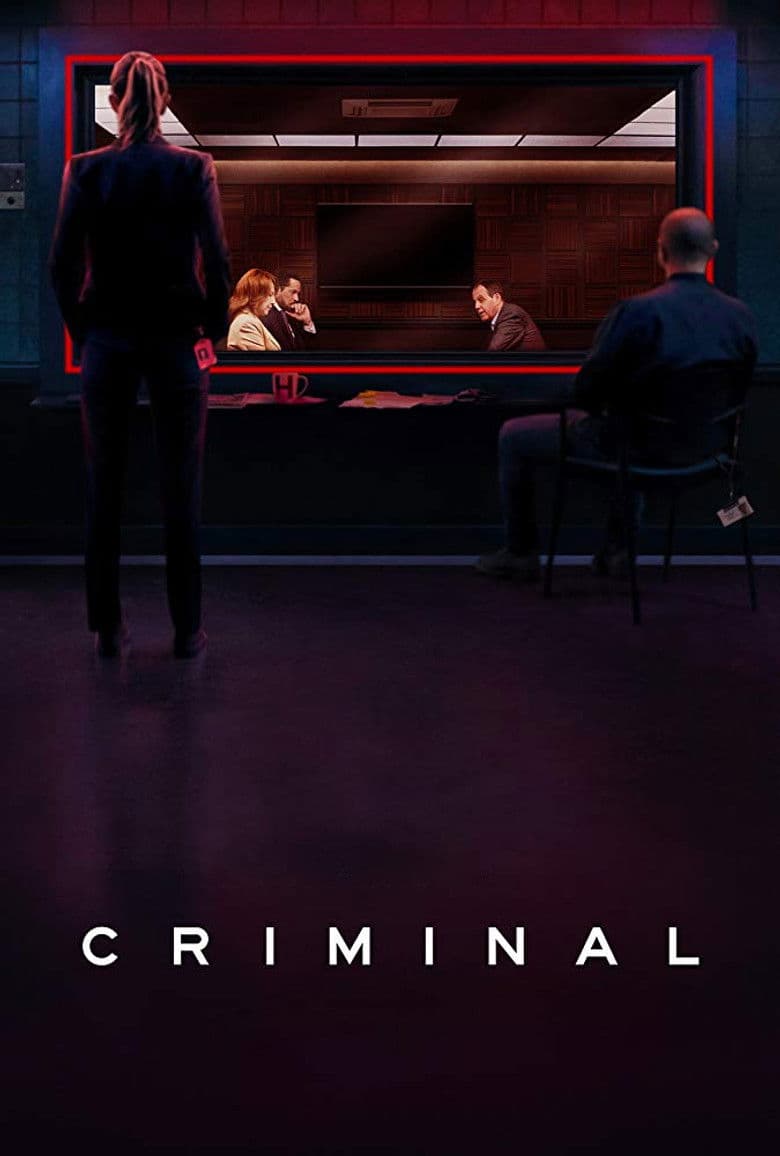
TV Show · 2019
Within the walls of an interrogation room, London investigators question suspects accused of grievous crimes until the truth comes to light.

TV Show · 2025
When a prison transport plane crashes in the remote Alaskan wilderness—freeing dozens of violent inmates—the region's lone marshal must protect the town he's vowed to keep safe.
