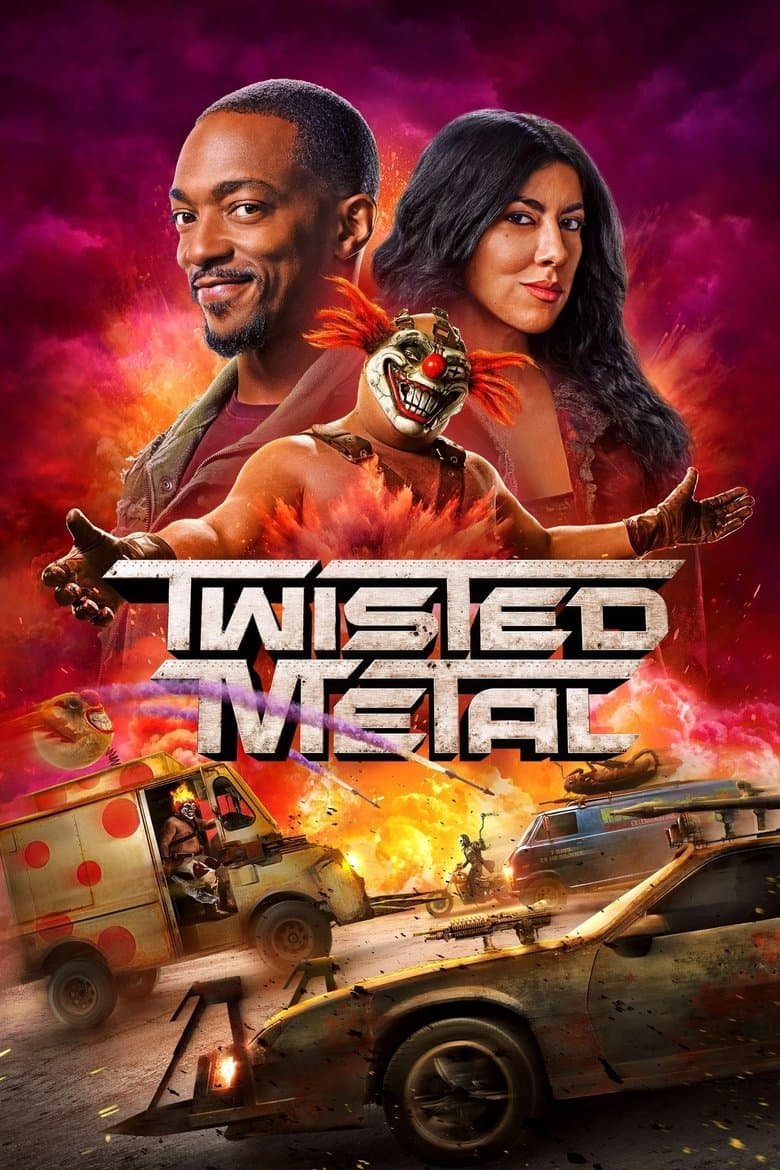
Started July 27, 2023 · Returning Series · Based on 2 seasons, 22 episodes through August 28, 2025 · TV-MA
Twisted Metal follows John Doe, a talkative delivery driver who cannot remember his past. Raven sends him across a ruined United States to carry a package so he can earn a safe home inside New San Francisco. Quiet, an axe-wielding car thief, joins him while killers, raiders, strict police, and a clown called Sweet Tooth chase them. Season 1 builds their romance and the mystery of John's family, while Season 2 puts them in Calypso's deadly car tournament.
The show's clearest woke elements grow in Season 2. Quiet joins Dollface, the leader of a mostly female gang formed by women who overthrow men who control their work, and the group wants to tear down the walls that protect Insiders while Outsiders suffer. Quiet and Dollface talk about freedom, equality, and giving Outsiders the same safety as city residents, and Quiet asks the tournament to remove the walls. Season 1 also includes a lesbian couple and hints that Quiet is bisexual, but these parts stay beside the main action and the show keeps a crude, violent, comedy-first tone.
Community feedback
Was our 55% Woke rating accurate?
Breakdown
These are the editorial factors and ratings behind our score for Twisted Metal.
Woke representation / casting
Quiet is one of the two lead characters and is a top fighter, driver, and decision maker. Raven rules New San Francisco, while Dollface leads the mostly female Dolls in Season 2. Several women also compete, lead groups, and win major fights across the two seasons. John, Sweet Tooth, Axel, and other men remain important and capable, so the pattern is noticeable but not total.
40%
Woke political dialogue
Dollface calls the outsiders oppressed when she raids a medicine factory. Quiet and Dollface treat the tournament as a way to remove the walls around the cities. Quiet asks for the walls to come down so outsiders can share the safety inside. The show repeats this conflict across Season 2, but the talks are short and mixed with jokes and violence.
41%
Identity-driven story themes
Season 2 gives the Dolls a continuing story about women joining together against men who control their work. Dollface leads the group as it fights for the outsiders and against the city elite. Quiet's bisexuality appears through same-sex flirting and romantic history, while Season 1 also shows the lesbian couple Miranda and Amber. These ideas shape parts of the plot but do not replace the show's main tournament and survival story.
48%
Western institutional / cultural critique
The walled cities keep safety and supplies for insiders while outsiders live with hunger, violence, and weak law. Diesel City lets wealthy insiders use outsiders as entertainment and treats their suffering as part of the party. Agent Stone's police rule and Calypso's tournament show powerful leaders abusing people below them. The story supports breaking these barriers, but it keeps the message inside a wild post-apocalypse instead of attacking all Western life.
44%
Woke character or canon changes
Not relevant. Quiet is an original character, and the changes to Dollface, Raven, and the tournament are presented as story and world-building choices. The show does not clearly rewrite an established character for an identity or DEI message.
0%
Anti-woke backlash and complaints
Small X accounts called Season 2 a “girlboss” or “woke” turn after praising Season 1 more. Other posts used “woke shit writing,” “go woke go broke,” or urged viewers to abandon or boycott the show. Some right-leaning viewers defended the series as fun and rejected claims that it was woke. The reaction was fringe, with low engagement and no large news controversy centered on these complaints.
15%
Creator track record context
Rhett Reese, Paul Wernick, and Michael Jonathan Smith are mainly known for comedy and genre work, with low activist records. Grant DeKernion created the gay-centered comedy Chozen, while Jorge Thomson and Gilli Nissim have LGBTQ+ work. Anthony Mackie has made some public comments on race and politics. The wider team adds some identity-related context, but the main creative voices are not strongly activist.
34%
Production
TV Show · 2019
In this gritty and sometimes bloody tale, sixteen year-old Wayne sets out on a dirt bike with his new crush Del to take back the 1978 Pontiac Trans Am that was stolen from his…
TV Show · 2018
This Karate Kid sequel series picks up 30 years after the events of the 1984 All Valley Karate Tournament and finds Johnny Lawrence on the hunt for redemption by reopening the…
TV Show · 2022
A spy, an assassin and a telepath come together to pose as a family, each for their own reasons, while hiding their true identities from each other.
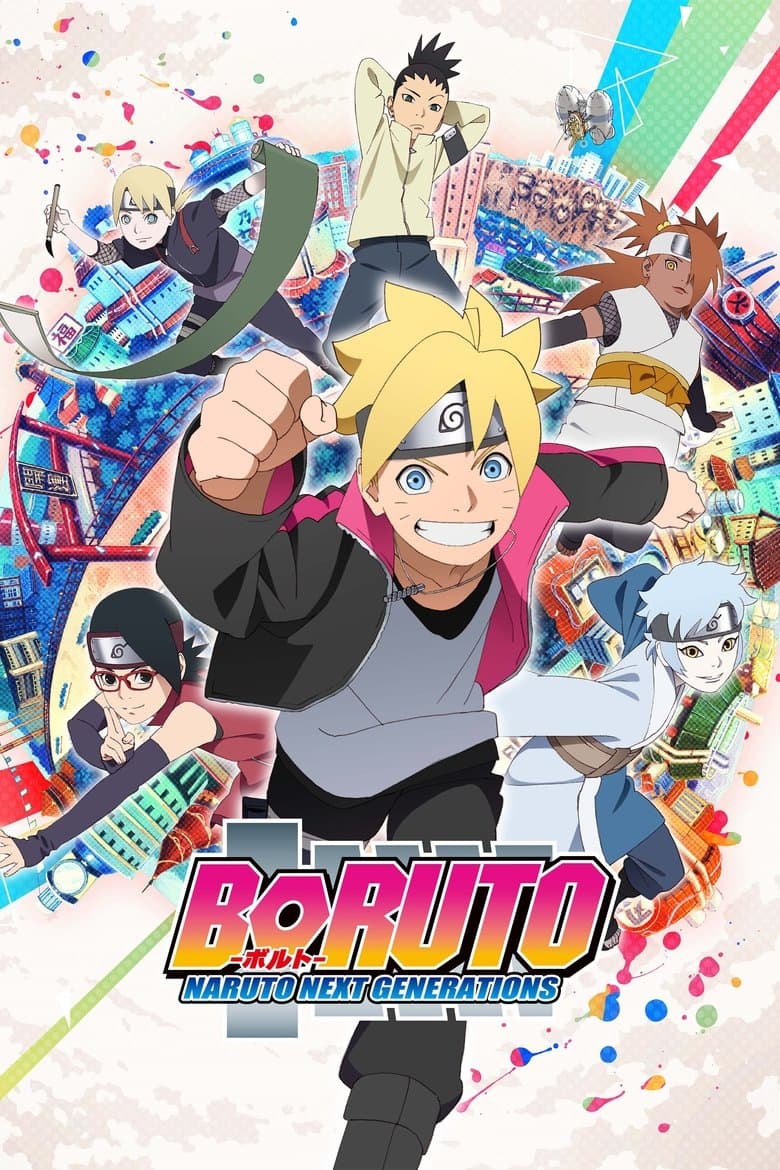
TV Show · 2017
The life of the shinobi is beginning to change. Boruto Uzumaki, son of Seventh Hokage Naruto Uzumaki, has enrolled in the Ninja Academy to learn the ways of the ninja.
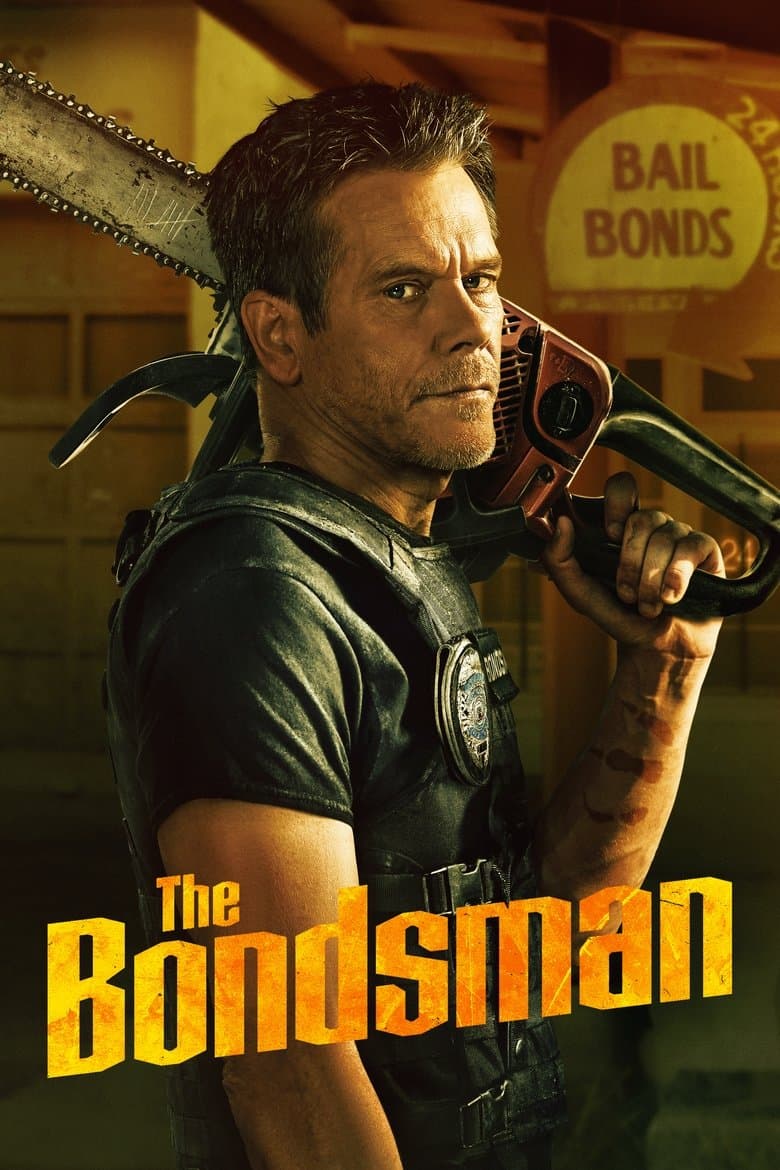
TV Show · 2025
Backwoods bounty hunter Hub Halloran comes back from the dead with an unexpected second chance at life, love, and a nearly-forgotten musical career — only to find that his old job…
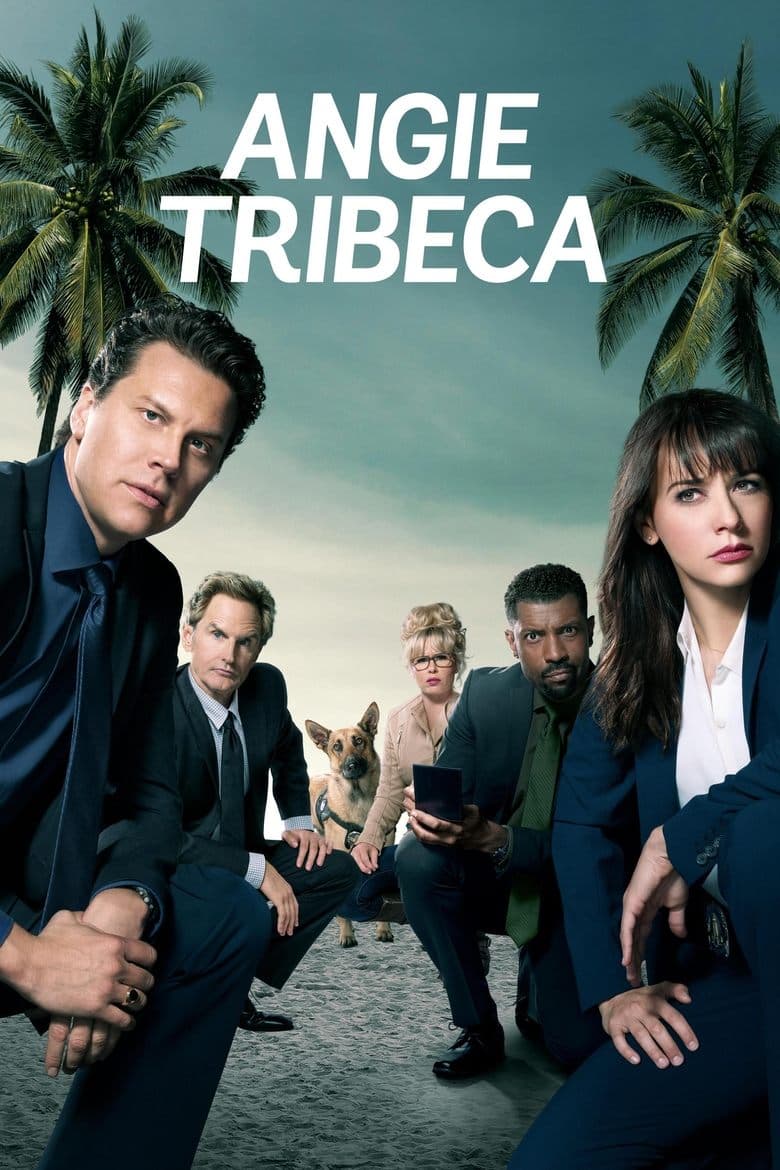
TV Show · 2016
Lone-wolf detective Angie Tribeca and a squad of committed LAPD detectives investigate the most serious cases, from the murder of a ventriloquist to a rash of baker suicides.
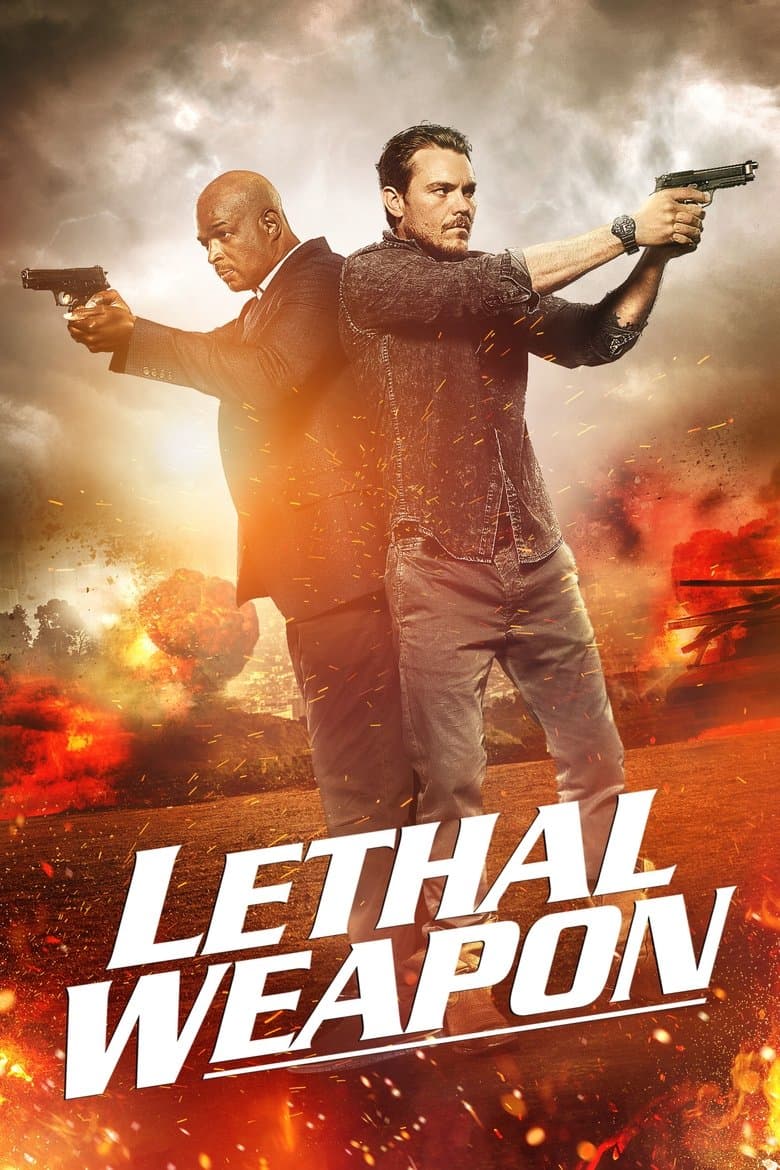
TV Show · 2016
A slightly unhinged former Navy SEAL lands a job as a police officer in Los Angeles where he's partnered with a veteran detective trying to keep maintain a low stress level in his…
TV Show · 2016
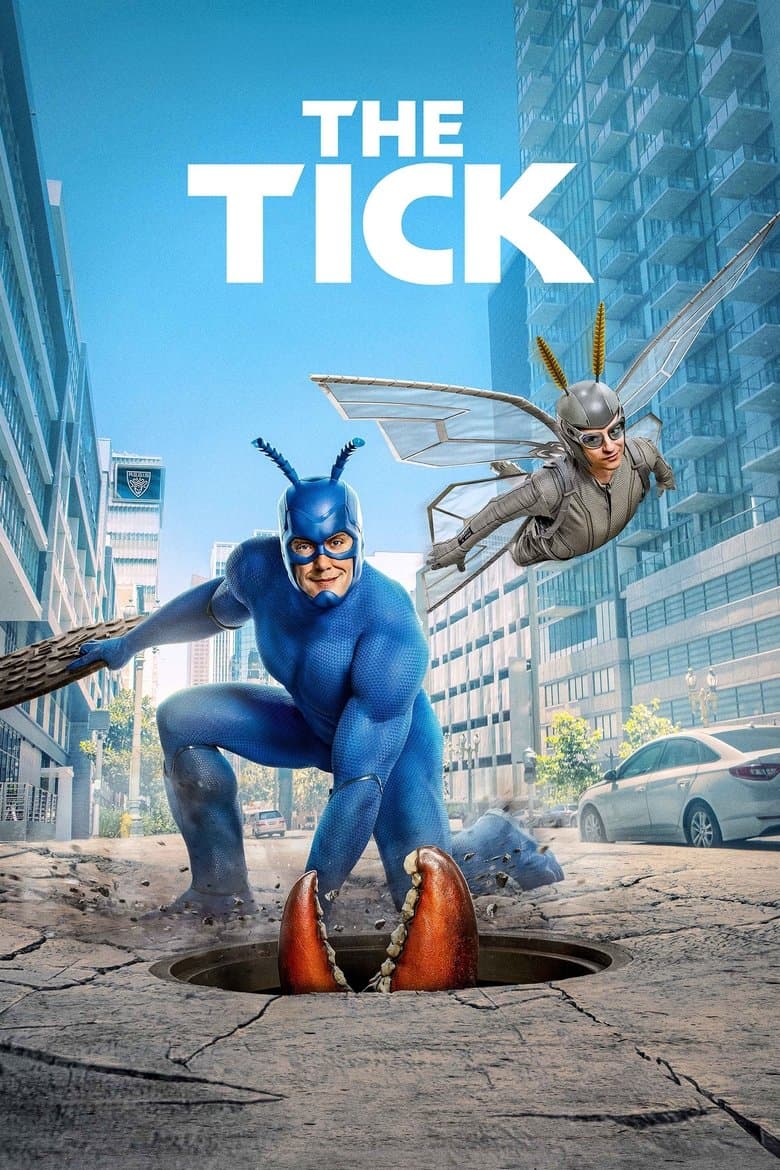
In a world where superheroes have been real for decades, an accountant with zero powers comes to realize his city is owned by a super villain.
