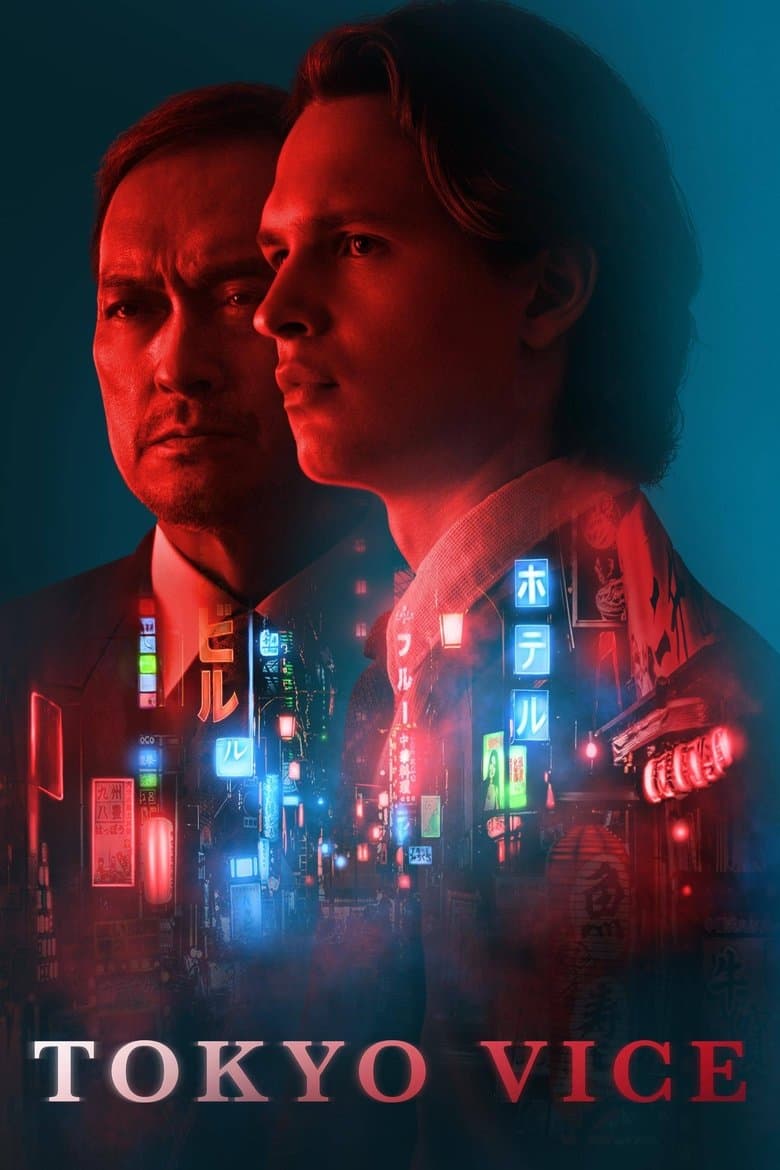
Started April 7, 2022 · Canceled · Based on 2 seasons, 18 episodes through April 4, 2024 · TV-MA
Tokyo Vice is a crime drama series set in Tokyo during the late 1990s. It follows an American journalist named Jake as he investigates the dangerous world of the yakuza and police corruption. In the second season, the show features a visible focus on gay culture, showing a romantic relationship between a male reporter and an American embassy worker. The series also highlights themes of sexism and discrimination against minority groups in the corporate workplace.
Community feedback
Was our 45% Woke rating accurate?
Breakdown
These are the editorial factors and ratings behind our score for Tokyo Vice.
Woke representation / casting
The series mostly uses setting-appropriate Japanese and Western actors. However, in Season 2, the show introduces a prominent gay relationship between Jake's coworker Trendy and American embassy worker Jason Aoki, which includes a physical relationship and visits to a gay club. This confirmed LGBTQ+ element adds significant weight to the representation score under our scoring rules.
35%
Woke political dialogue
Dialogue is mostly centered on investigative journalism, police work, and yakuza conflicts. However, some dialogue in Season 2 shifts toward identity politics, specifically when Jason and Trendy debate the ethics of being closeted, and when Eimi and others discuss the challenges of being a woman or minority in the 1990s Japanese workplace.
22%
Identity-driven story themes
The show generally stays grounded in 1990s crime drama conventions. However, Season 2 places an increased emphasis on identity, focusing on Trendy's closeted gay lifestyle in 1990s Tokyo and his romance with Jason. It also touches on Eimi's struggles as a Zainichi Korean woman facing discrimination in a patriarchal corporate system.
35%
Western institutional / cultural critique
The series takes place in Japan, so direct critiques of Western institutions are minimal. However, it critiques traditional, conservative Japanese cultural norms, portraying them as overly rigid, patriarchal, and xenophobic. It highlights corporate sexism, anti-Korean prejudice, and the repression of gay individuals. Since these critiques reflect modern progressive viewpoints on traditional social structures rather than neutral historical documentation, they are mildly noticeable.
25%
Woke character or canon changes
Not relevant. The show is loosely based on a non-fiction memoir and uses a mix of real figures and composite characters for dramatization. No identity-driven or DEI-forced swaps of established historical or canonical figures are present.
0%
Anti-woke backlash and complaints
There is a small but notable amount of backlash from viewers who felt the show tried to 'wokify' traditional Japanese culture. Some online critics and forum posters complained about the Season 2 gay subplot, arguing it felt like forced filler to meet modern diversity quotas rather than naturally serving the yakuza-focused main plot. Others criticized the series for injecting modern progressive commentary into a 1990s setting.
25%
Creator track record context
The creative team is a mix of traditional and progressive backgrounds. Showrunner J.T. Rogers and writers like Annie Julia Wyman and Jen Silverman have histories of producing works focused on identity, systemic bias, and queer themes. In contrast, executive producer Michael Mann and others focus on classic, masculine crime-thriller tropes. The progressive elements are visible but balanced by the traditional thriller framework.
40%
Production
TV Show · 2022
Bosch is now making a living as a private investigator two years after he quit the LAPD and finds himself working with one time enemy and top-notch attorney Honey “Money”…
TV Show · 2020
New Orleans judge Michael Desiato is forced to confront his own deepest convictions when his son is involved in a hit and run that embroils an organized crime family.
TV Show · 2019
Gypsy Blanchard struggles to deal with the toxic relationship with her overprotective mother, but her attempts to free herself lead to murder.
TV Show · 2019
Within the walls of an interrogation room, London investigators question suspects accused of grievous crimes until the truth comes to light.
TV Show · 2022
Under pressure, fraying at the edges. In relentless night-time Liverpool, copper Chris is paired with a rookie. Will they save or destroy each other?
TV Show · 2016
A 26-year-old woman learns to live again after 13 years in captivity.
TV Show · 2022
A psychotherapist finds himself held prisoner by a serial killer with an unusual request: curb his homicidal urges.
TV Show · 2025
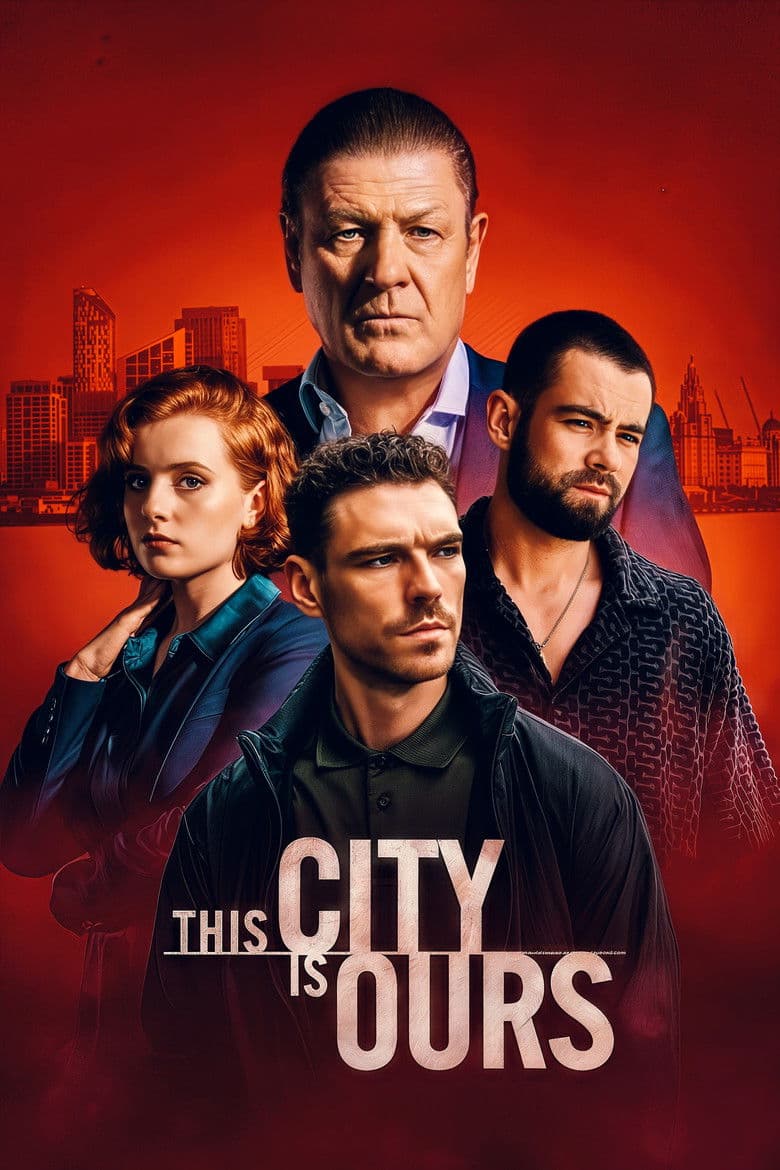
Notorious gang boss Ronnie (Sean Bean) steps back from his criminal empire, triggering a violent power struggle between his volatile son Jamie (Jack McMullen) and trusted…
