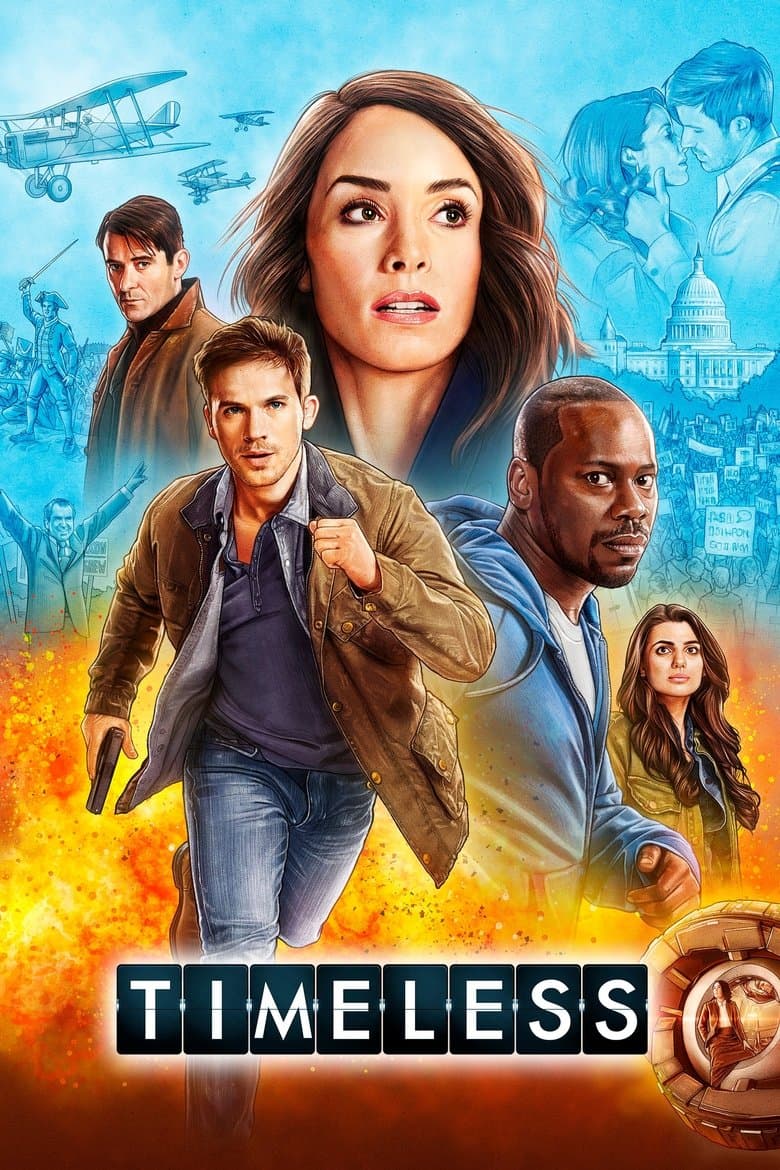
Started October 3, 2016 · Based on 2 seasons, 26 episodes · TV-PG · 43 min
Timeless follows Lucy Preston, a history professor, Wyatt Logan, a soldier, and Rufus Carlin, an engineer. They use a small time machine to chase Garcia Flynn, a criminal who steals a larger machine and changes the past. The team visits events such as the Hindenburg disaster, Lincoln’s death, World War II, the fight for women’s voting rights, and the Civil War. The show mixes action, spy mystery, romance, jokes, and short history lessons.
The show puts racism and sexism in past time periods in front of the audience, especially through Rufus and Lucy. Season two gives major stories to women and people of color, including Hedy Lamarr, Marie Curie, Wendell Scott, Alice Paul, Robert Johnson, and Harriet Tubman. Denise Christopher is a lesbian agent married to a woman, and one season two story shows her coming out to her mother. These ideas are clear in several episodes, but time travel, the Rittenhouse conspiracy, and the team’s family and love problems remain the main story.
Community feedback
Was our 50% Woke rating accurate?
Breakdown
These are the editorial factors and ratings behind our score for Timeless.
Woke representation / casting
The core team has a white woman historian, a white man soldier, and a black male engineer. The show presents the woman and black man as the main knowledge experts. Agent Denise Christopher is an Indian-American lesbian agent with a wife and children. The present-day team is believable, yet the show repeatedly makes race, sex, and sexual identity part of who gets important roles.
43%
Woke political dialogue
Rufus directly names the racism he expects to face when the team enters the past. Lucy and other characters discuss sexism, slavery, suffrage, and the way history remembers powerful men. The show sometimes puts these points into direct speeches or arguments. Most dialogue still serves the time-travel mission, so modern activist talk is not constant.
27%
Identity-driven story themes
Rufus faces racist treatment in several historical periods, and Lucy faces limits because she is a woman. Season two repeatedly centers women and people of color through Hedy Lamarr, Marie and Irene Curie, Wendell Scott, Alice Paul, Robert Johnson, and Harriet Tubman. Denise Christopher’s story links her lesbian identity to an arranged marriage, family pressure, and her choice to come out. These identity stories recur across the show, while season two makes them more central than season one.
55%
Western institutional / cultural critique
Not present in this title.
0%
Woke character or canon changes
Not relevant. original concept that uses real historical events and figures in context without reinterpretation or identity-driven swaps.
0%
Anti-woke backlash and complaints
One audience reviewer called the show’s progressive content far-left and complained that criticism was blocked. Searches found no major title-specific campaign calling Timeless woke or too woke. Fan coverage mostly asked NBC to continue the show. The anti-woke reaction is isolated and weak.
8%
Creator track record context
Eric Kripke’s later work gives the main higher signal because The Boys uses political satire and social commentary. Shawn Ryan and Neil Marshall have more standard, lower-signal profiles. The other credited producers and crew also have little public activist history in the supplied context. The creative team adds some context, but it does not show a broad activist pattern.
32%
Production
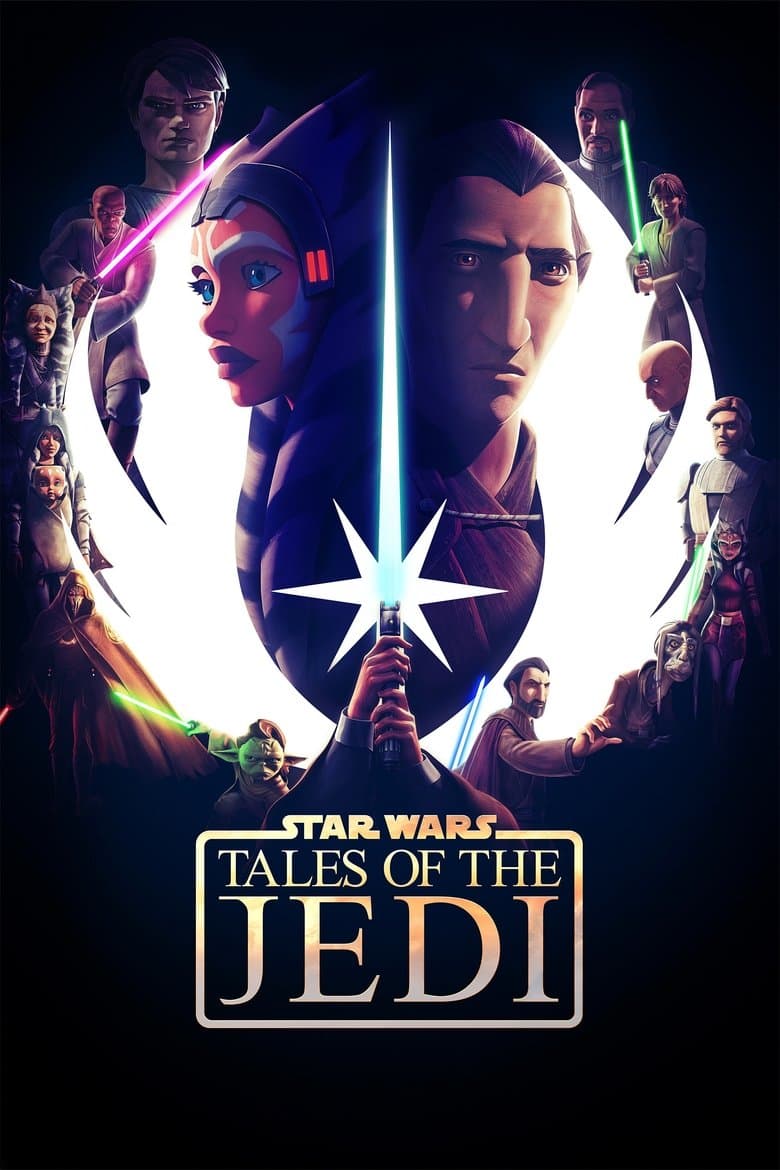
TV Show · 2022
Journey into the lives of two distinctly different Jedi from the prequel era – Ahsoka Tano and Count Dooku. Each will be put to the test as they make choices that will define…
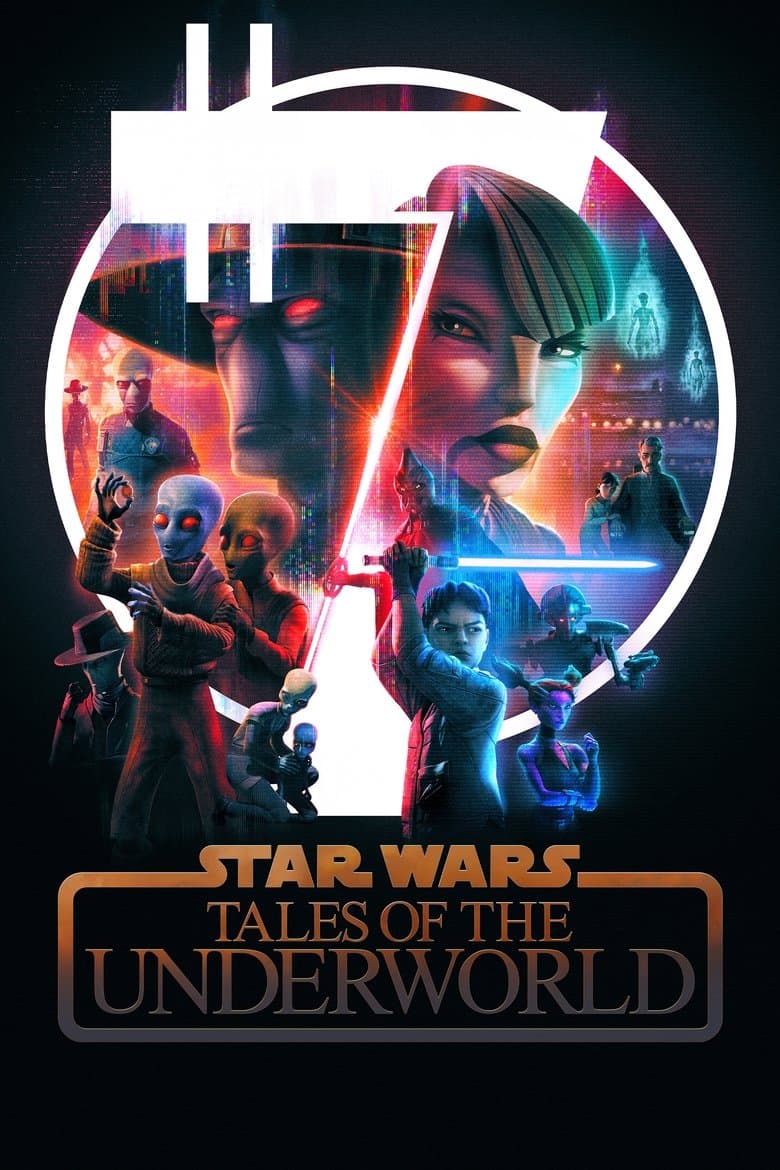
TV Show · 2025
Two outlaws must navigate the galaxy's dangerous underworld as they chart their destinies.
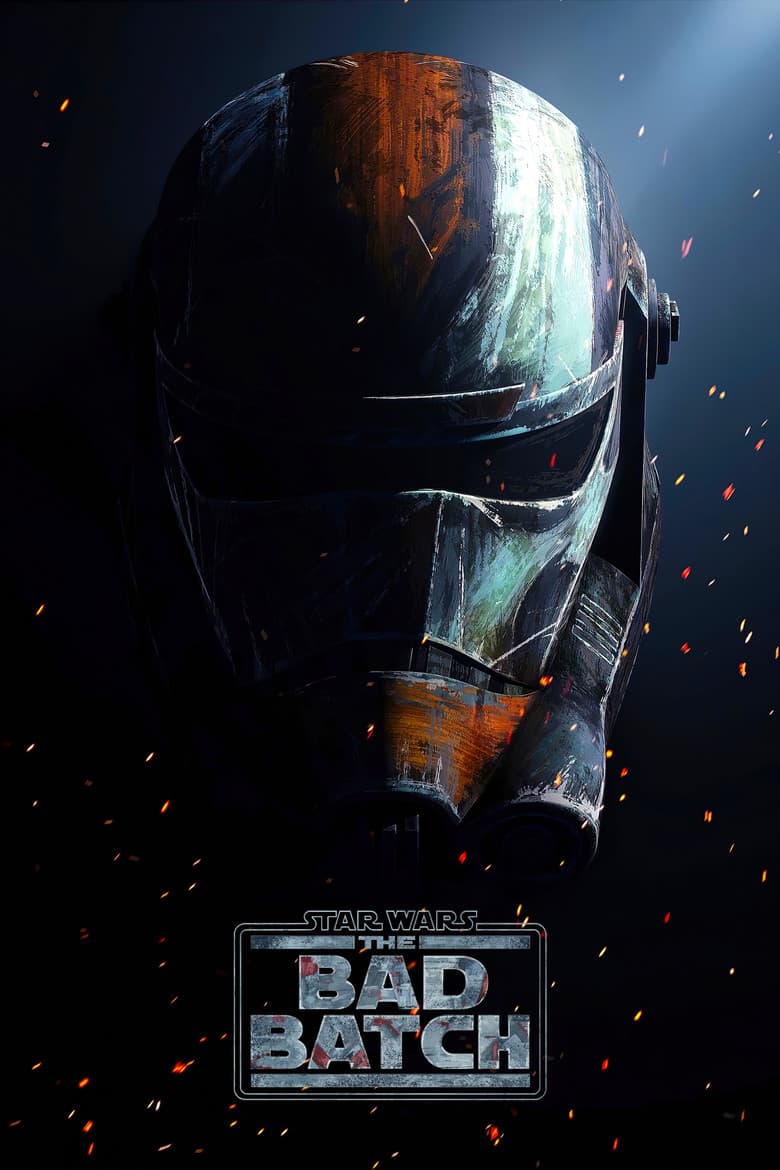
TV Show · 2021
The 'Bad Batch' of elite and experimental clones make their way through an ever-changing galaxy in the immediate aftermath of the Clone Wars.
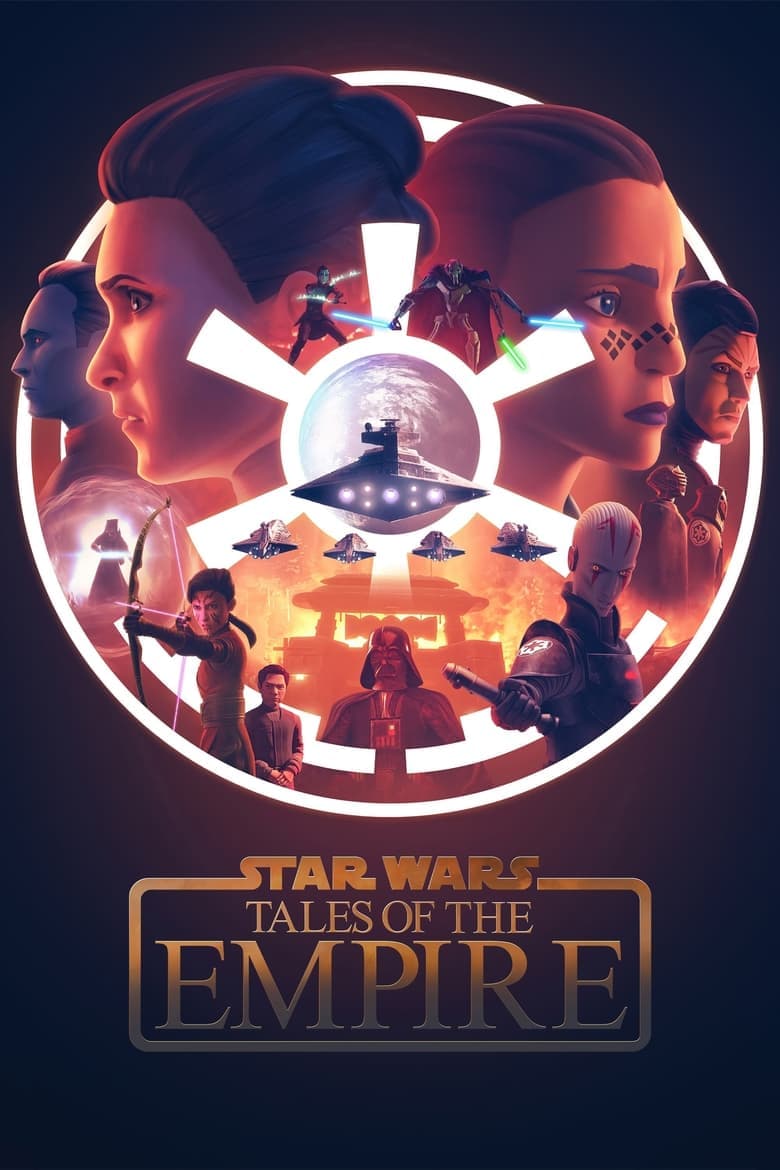
TV Show · 2024
A journey into the fearsome Galactic Empire through the eyes of two warriors on divergent paths.
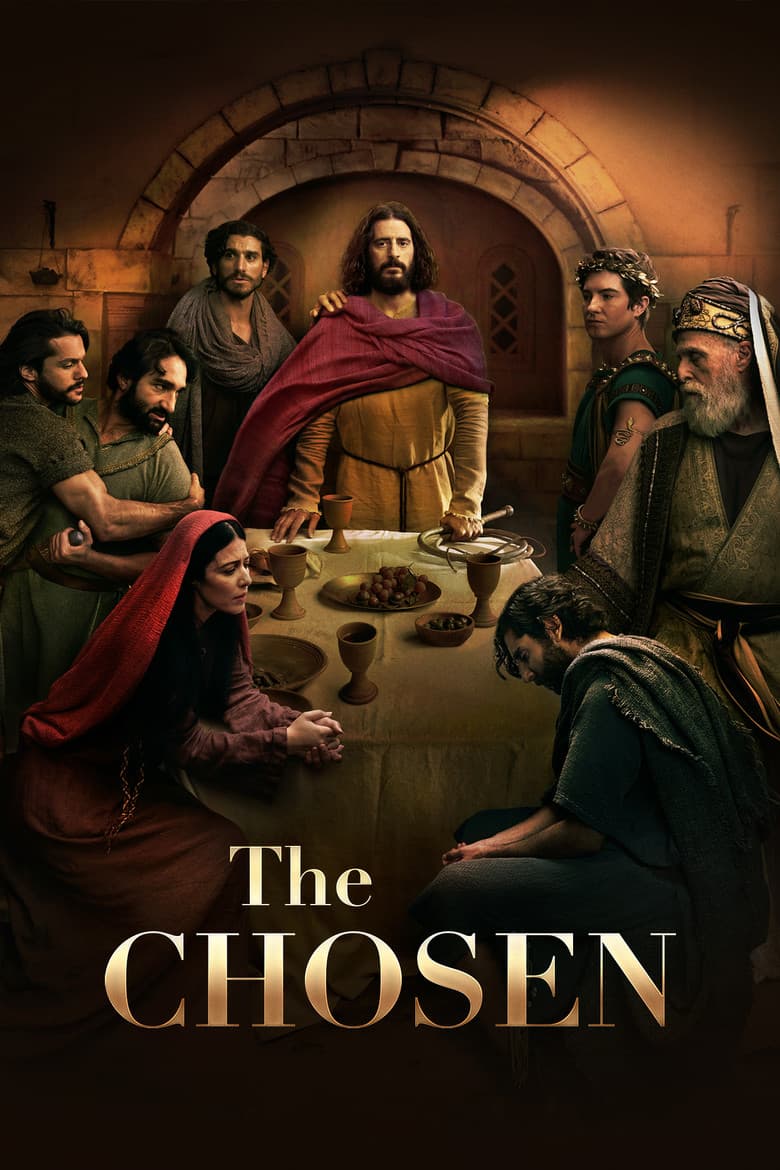
TV Show · 2019
The life of Christ through the eyes of those who encountered him.
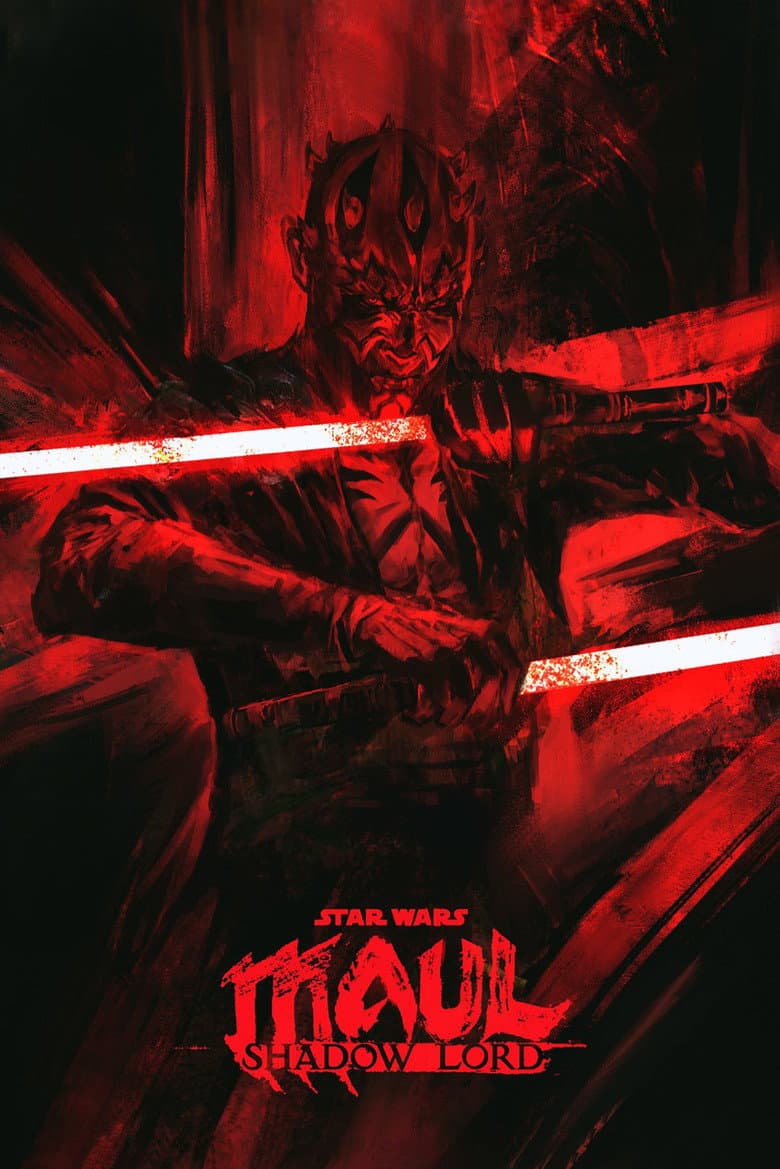
TV Show · 2026
After the Clone Wars, Maul plots to rebuild his criminal syndicate on a planet untouched by the Empire.
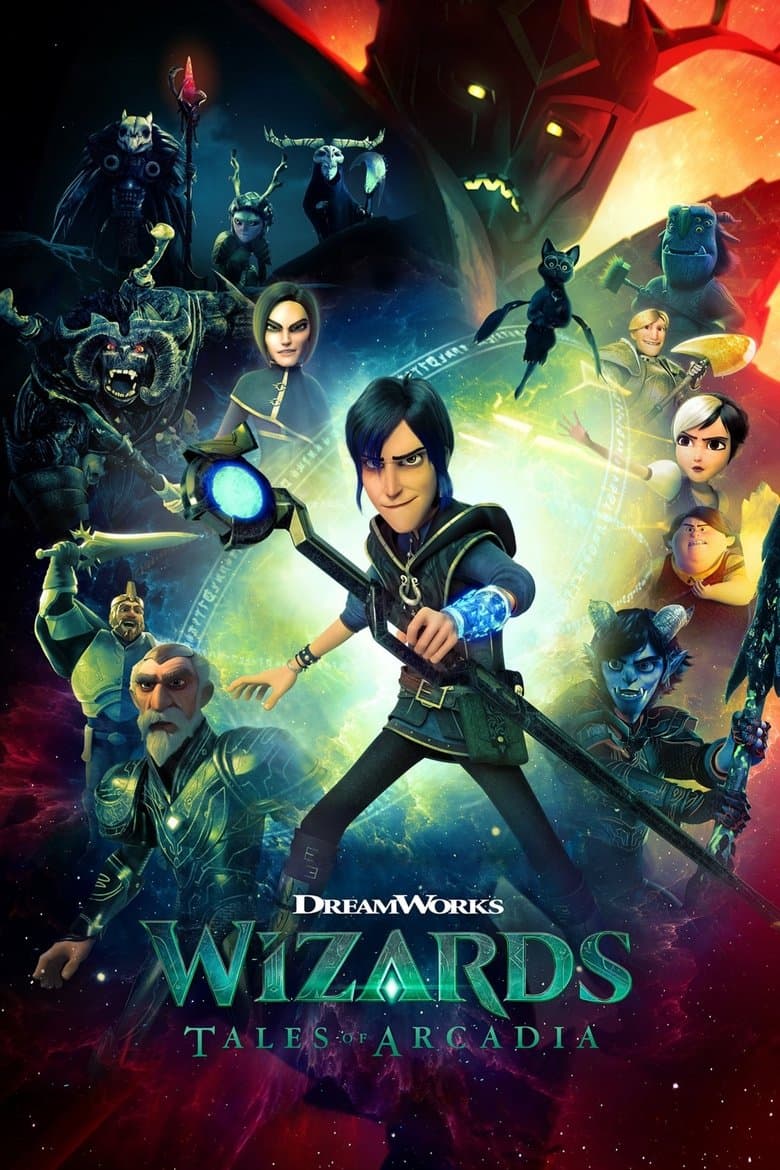
TV Show · 2020
Merlin’s apprentice joins Arcadia’s heroes on a time-bending adventure in Camelot, where conflict is brewing between the human, troll and magical worlds.
TV Show · 2016
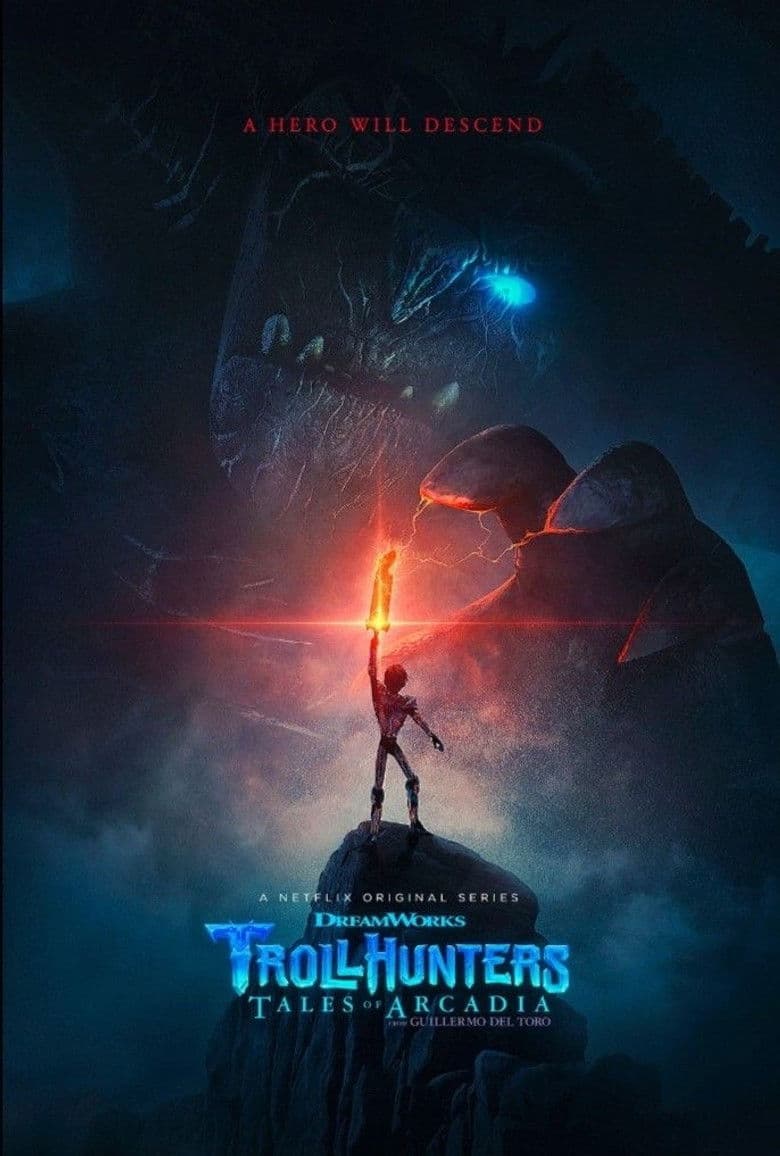
After uncovering a mysterious amulet, an average teen assumes an unlikely destiny and sets out to save two worlds.
