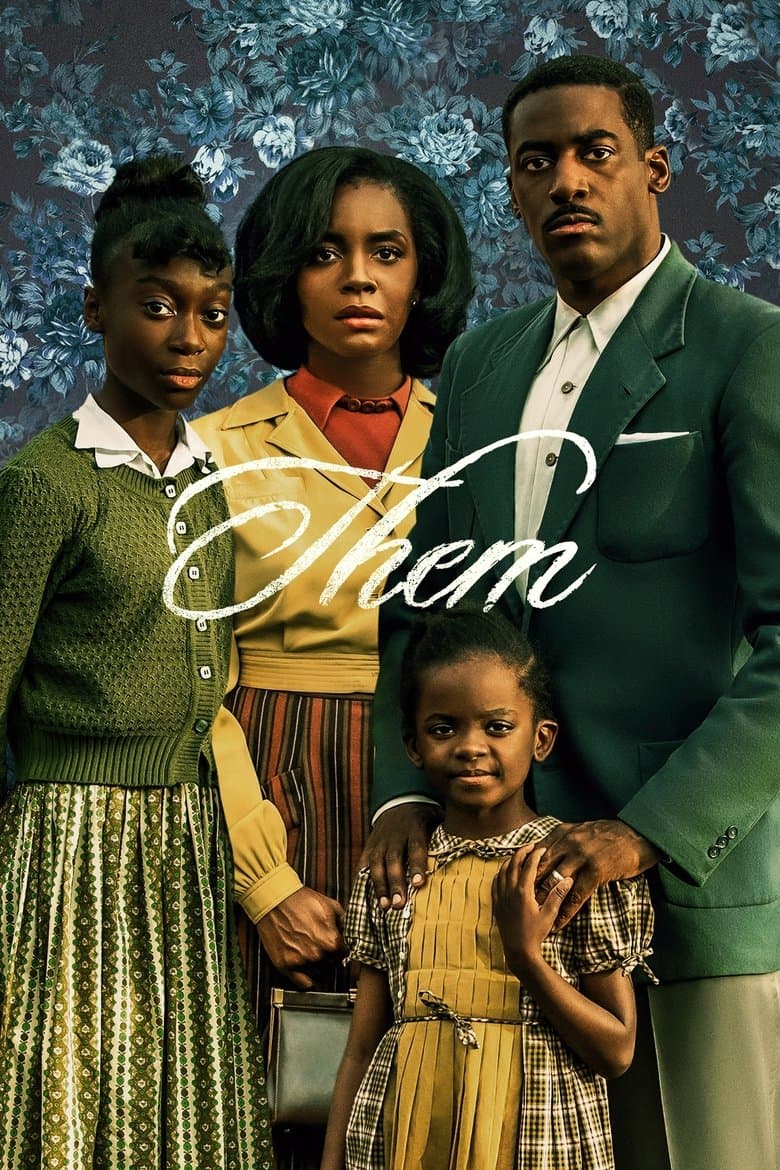
Started April 9, 2021 · Ended · Based on 2 seasons, 18 episodes through April 25, 2024 · TV-MA · 43 min
Them is a horror anthology show. The first season is about a black family that moves to an all-white neighborhood in the 1950s. The second season is about a black female police detective investigating murders in 1991 Los Angeles. Both seasons use scary stories to show the real-life pain of racism and white supremacy. The show has clear social-justice themes, political talk, and a gay character storyline.
Community feedback
Was our 93% Woke rating accurate?
Breakdown
These are the editorial factors and ratings behind our score for Them.
Woke representation / casting
The show centers on black identity casting, with Season 1 following a black family and Season 2 starring a highly competent black female detective. The surrounding white male police officers are shown as incompetent or corrupt. There is also a closeted gay white character in Season 1 who faces homophobic slurs. This representation priorities-driven casting is highly visible and carries an elevated weight due to the LGBTQ+ character elements.
65%
Woke political dialogue
The characters frequently engage in explicit political dialogue about systemic racism, white supremacy, and police brutality. Season 1 has direct conversations about restrictive covenants and racial segregation. Season 2 features ongoing discussions about Rodney King, LAPD corruption, and institutional bias against black communities. This activist-style political dialogue is highly visible throughout both seasons.
Production
75%
Identity-driven story themes
The entire series is built on identity-driven themes. The narrative uses supernatural horror as a direct metaphor for racial trauma, systemic oppression, and white supremacy. Season 1 explores the horror of being black in an all-white 1950s neighborhood. Season 2 centers on systemic racism and police brutality in 1991 Los Angeles. A closeted gay subplot in Season 1 also introduces themes of homophobia. These themes are central to every episode and dominate the story.
90%
Western institutional / cultural critique
The show heavily critiques Western institutions and traditional culture. It frames the suburban 1950s "American Dream" as a toxic and racist lie. It portrays white suburban neighbors, traditional gender roles, and community norms of the era as inherently evil and oppressive. In Season 2, the LAPD is depicted as a deeply corrupt, racist institution. This critique directly aligns with modern activist narratives.
85%
Woke character or canon changes
Not relevant. This is an original series and not an adaptation of existing material, so there are no character or canon changes.
0%
Anti-woke backlash and complaints
The show faced some anti-woke and right-leaning backlash from viewers who criticized it as "wokesploitation" and anti-white propaganda, pointing out that almost all white characters are shown as evil. However, this backlash was overshadowed by mainstream and left-leaning criticism accusing the show of exploiting black pain as "trauma porn."
35%
Creator track record context
Creator Little Marvin (score 85) and executive producer Lena Waithe (score 75) are the main driving forces behind the series. Both have a strong history of producing content centered on black identity, social justice, and queer visibility. While some of the directors and writers have more traditional horror portfolios, the show's overall creative direction is steered by activists with highly visible social-justice priorities.
75%
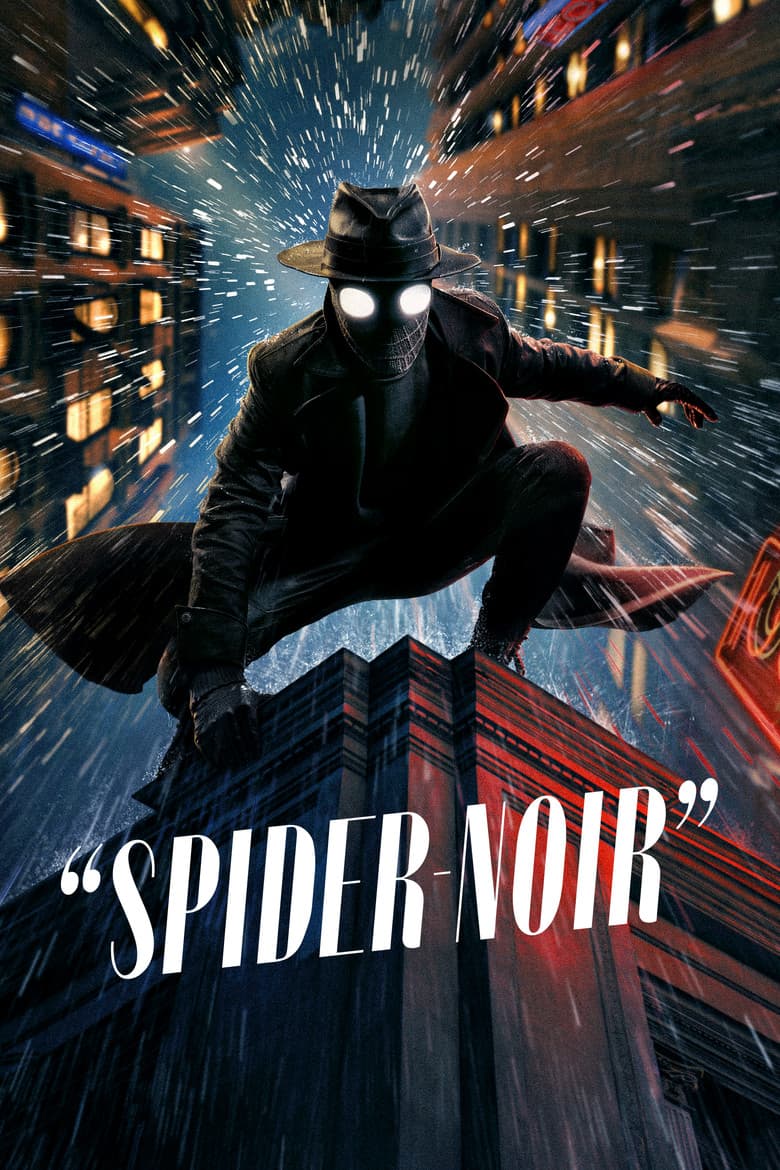
TV Show · 2026
Ben Reilly, an aging and down on his luck private investigator in 1930s New York, is forced to grapple with his past life as the city's one and only superhero.
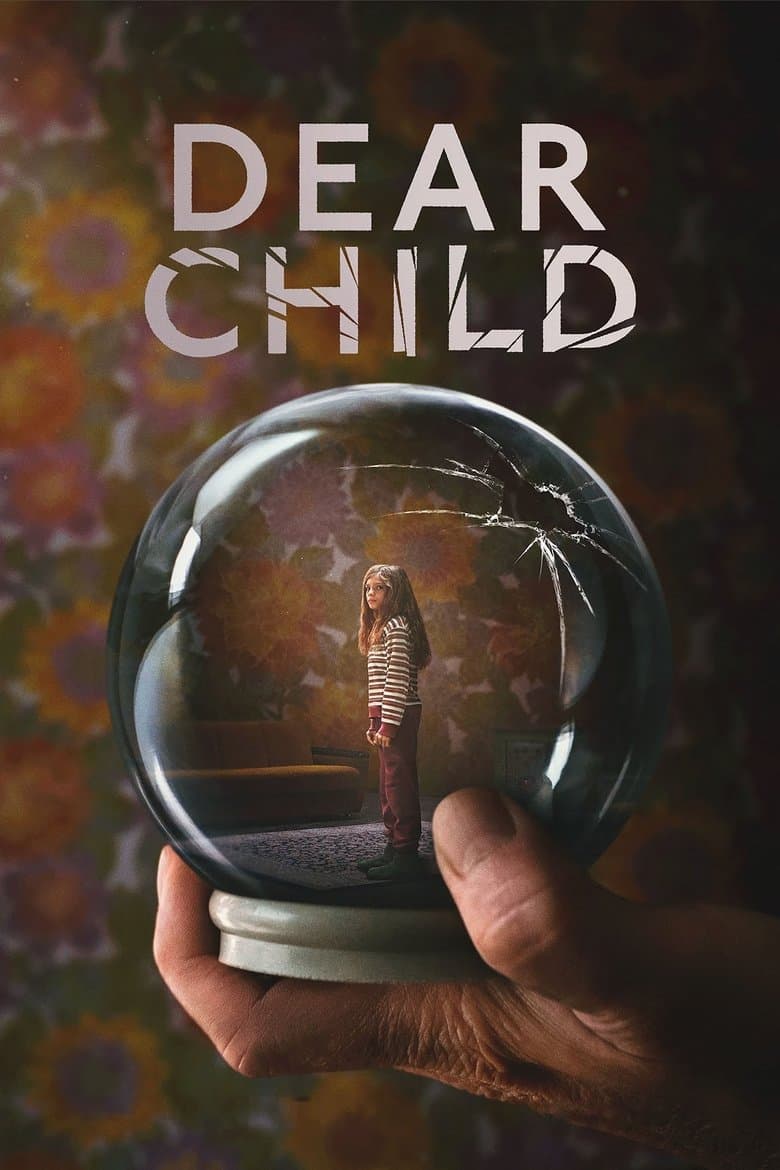
TV Show · 2023
A mysterious woman's escape from her harrowing captivity points investigators toward the dark truth behind an unsolved disappearance 13 years earlier.
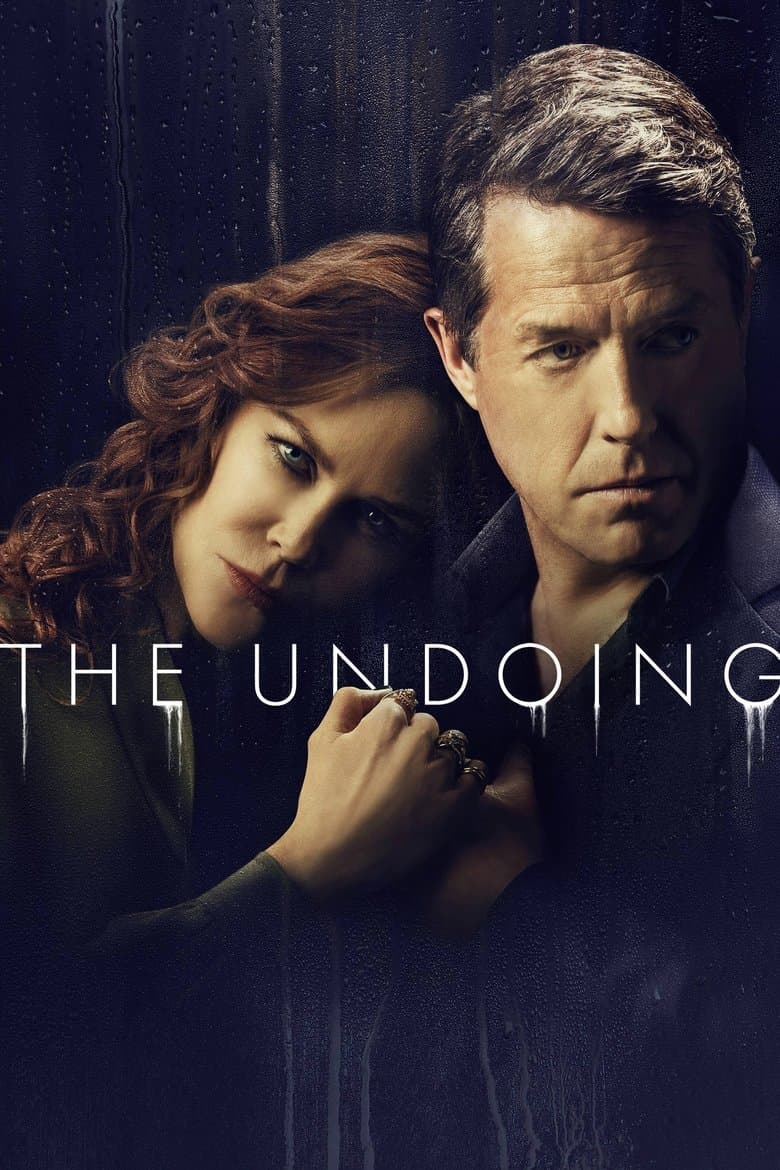
TV Show · 2020
Grace and Jonathan Fraser are living the only lives they ever wanted. Overnight a chasm opens in their lives: a violent death and a chain of terrible revelations.
TV Show · 2020
A family's lives are irreparably disrupted when the 14-year-old son is accused of murdering a fellow classmate.
TV Show · 2022
Determined to protect a young patient who escaped a mysterious cult, a psychiatrist takes the girl in, putting her own family — and life — in danger.
TV Show · 2024
A young boy growing up in the suburbs of 1980s Brisbane faces the harsh realities of life — and the looming dangers that threaten his family.

TV Show · 2026
The dynamic between the two contrasting personalities, a seasoned cop who prefers old-school methods and a tech-savvy cop who relies on modern technology for investigations, as…

TV Show · 2020
Zoe Walker leaves her quiet life behind to investigate her brother's disappearance in Ibiza, where she quickly heads down a decadent and dangerous path.
