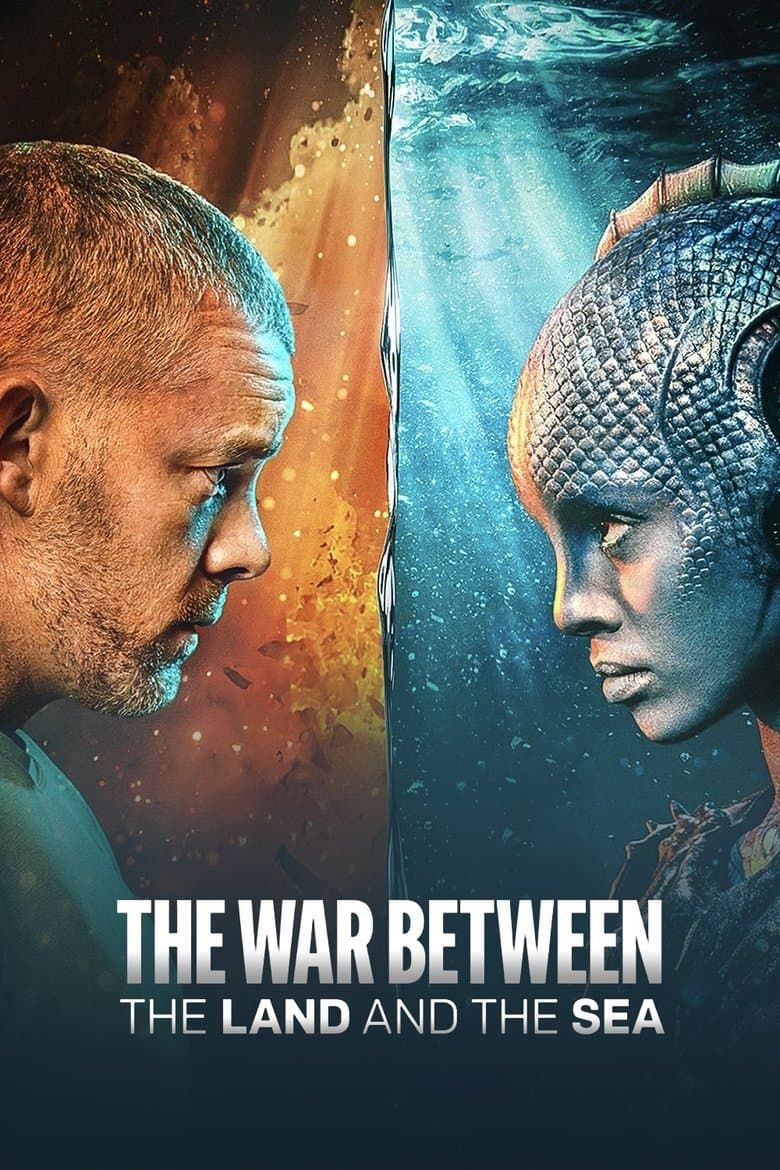
Started December 7, 2025 · Ended · Based on 1 season, 5 episodes through December 21, 2025 · TV-14
The War Between the Land and the Sea follows Barclay Pierre-Dupont, a low-level UNIT worker who is pushed into becoming humanity's ambassador. An ancient sea species called Homo Aqua rises after pollution kills its young and threatens the land with floods and war. Kate Stewart and UNIT try to stop both human leaders and the sea people from starting a wider disaster. The story moves from tense talks and military plans to a strange love story between Barclay and Salt, with a serious but sometimes darkly funny tone.
Human pollution is the show's main message, and the story repeatedly blames oil, sewage, plastic, slow government action, and private water interests. The sea people return human rubbish to cities, while secret leaders plan a war and release a virus that kills most of Homo Aqua. The show also treats the name Sea Devil as a racist human label and uses Homo Aqua instead. Salt shifts into a masculine-looking form, Barclay's child uses they and them pronouns, and Salt and Barclay end the season by choosing a life together under the sea.
Community feedback
Was our 89% Woke rating accurate?
Breakdown
These are the editorial factors and ratings behind our score for The War Between the Land and the Sea.
Woke representation / casting
The show gives the main diplomatic role to Gugu Mbatha-Raw's black female character Salt. The main UNIT command and science roles also go to women, including Kate and wheelchair user Shirley. Two wheelchair users appear in recurring UNIT roles, and Barclay's child is presented with they and them pronouns. The modern setting supports some diversity, but this repeated pattern makes representation clearly visible.
53%
Woke political dialogue
Characters repeatedly name oil, sewage, plastic, and poisoned water as causes of the crisis. Barclay rejects a slow cleanup plan and admits that humans started the war by making the ocean unsafe. News reports and speeches link the crisis to climate change, private water interests, and a far-right Albion Party call to arms. The message is direct and returns across several episodes.
58%
Identity-driven story themes
Salt changes into a more masculine-looking form during a confrontation with male leaders. Salt and Barclay's cross-species romance grows into a kiss and a final choice to live together under the sea. Barclay's child Kirby uses they and them pronouns, and the family treats this as normal. Pollution and diplomacy remain the main story, so identity is important but not dominant.
44%
Western institutional / cultural critique
UNIT and world governments struggle to act while pollution and private water interests worsen the crisis. Prime ministers, generals, and a water businessman secretly plan Severance, a virus attack that kills 90 percent of Homo Aqua. Kate and UNIT defy Downing Street to stop the plan. The story presents government delay, military power, and private profit as major causes of harm.
68%
Woke character or canon changes
The show replaces the classic Doctor Who name Sea Devils with Homo Aqua. The series also introduces Salt as Homo Amphibia, a more human-looking branch of the sea people. The creatures are framed as an ancient people harmed by human pollution instead of simple monsters. Davies publicly described the old name as racist, making the rename an audience-visible identity change.
78%
Anti-woke backlash and complaints
GB News reported viewers calling the show woke, virtue-signalling, box-ticking, and environmental propaganda. The separate X research found complaints about the Homo Aqua rename, women leading the story, mixed-race families, disability casting, gender-fluid sea creatures, and the Albion Party villain. The complaints came from scattered accounts, with some real reach but no clear boycott or organized campaign.
42%
Creator track record context
Russell T Davies has a strong record of LGBTQ+ stories, including Queer as Folk and It's a Sin. His work often joins personal stories to public issues and identity. Interviews about this show connect it directly to climate change, rising seas, pollution, and a wish to make viewers act. The other listed writers, directors, and producers have less clear activist records.
83%
Production
TV Show · 2021
Two federal agents from two different continents, and two different mindsets, must work together to investigate when wreckage from a destroyed alien spacecraft has mysterious…

TV Show · 2016
In the near future a family must make difficult decisions as they balance staying together with trying to survive.

TV Show · 2020
Korean emperor Lee Gon tries to close the doors to a parallel world which was opened by demons; a detective tries to protect the people and the one she loves.
TV Show · 2017
An MIT grad student and a tech superstar bring a low-level Pentagon official a staggering discovery that an asteroid is just six months away from colliding with Earth.
TV Show · 2021
On a perilous adventure across a post-apocalyptic world, a lovable boy who's half-human and half-deer searches for a new beginning with a gruff protector.
TV Show · 2020
Young computer engineer Lily Chan investigates the secretive development division of her employer, a cutting-edge tech company based in San Francisco, which she believes is behind…
TV Show · 2017
Holden wakes up from a coma after 12 years and discovers new abilities that propel him into the middle of a dangerous conspiracy.

TV Show · 2022
The intricate and magical love story of Clare and Henry, and a marriage with a problem… time travel.
